
Kaymac Marine & Civil Engineering Ltd
Morfa Culvert
Morfa Culvert
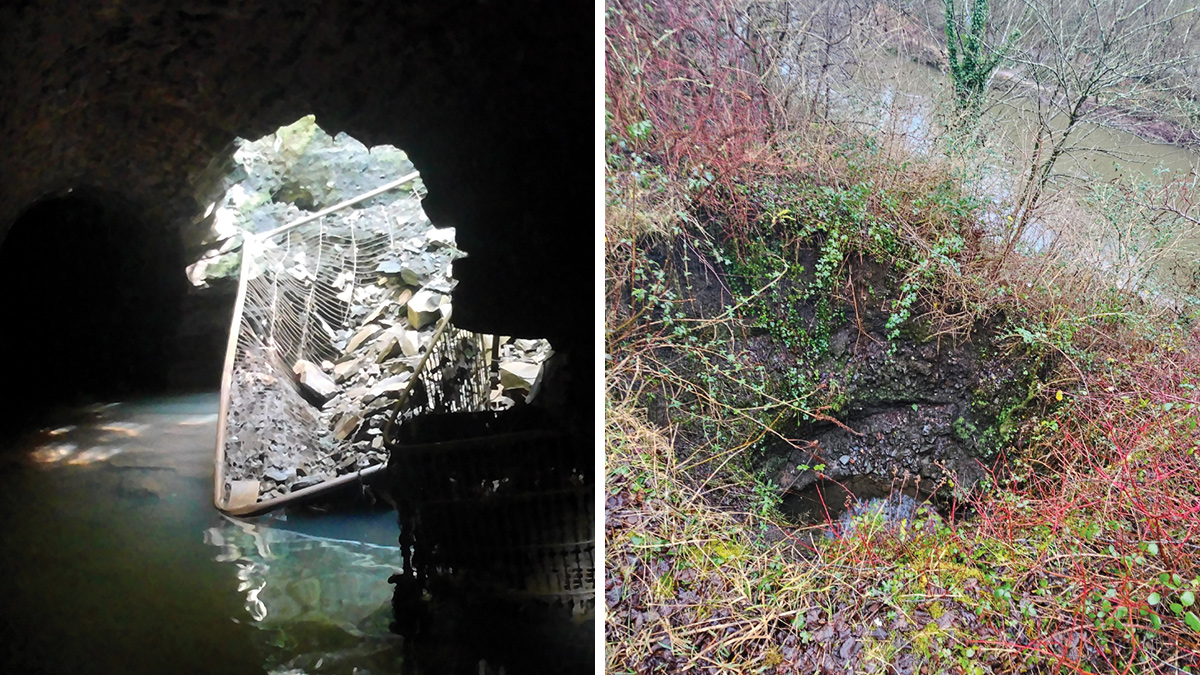
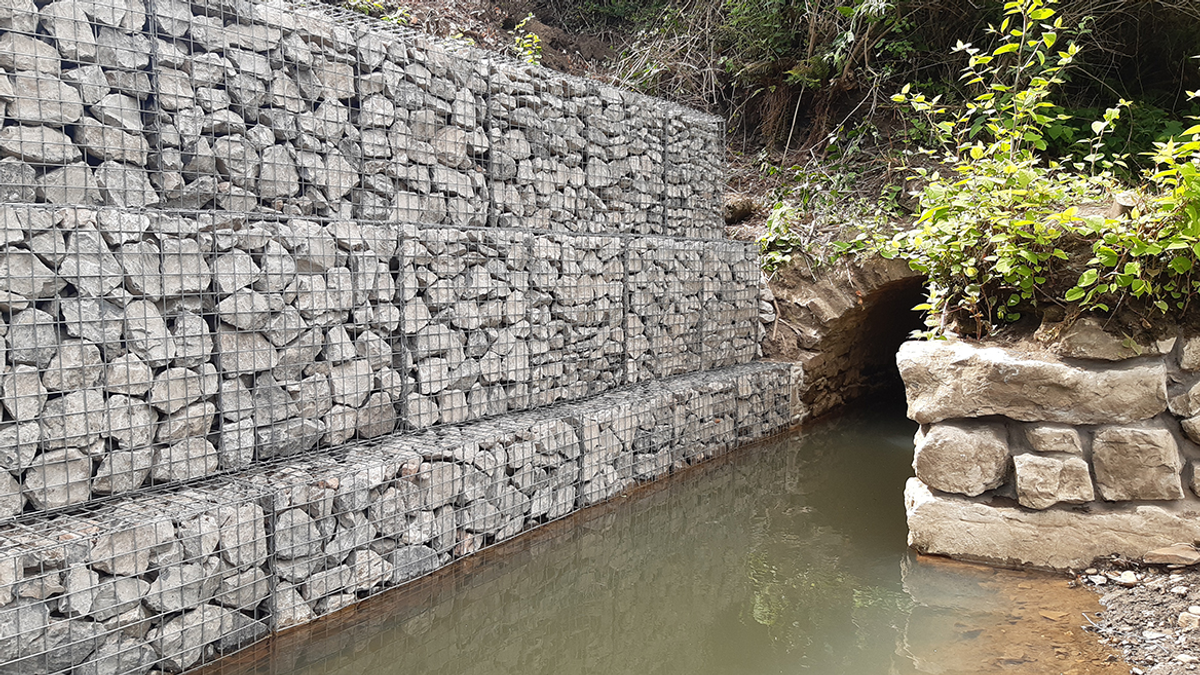
This technically complex and high-risk project involved the emergency stabilisation and repair of a partially collapsed culvert situated within a tidal river. The failure also caused a sinkhole to develop adjacent to a designated cycle route, requiring its immediate closure and safe diversion.
The culvert plays a critical role in the local infrastructure, carrying surface water from a wide surrounding catchment area. This added further urgency and complexity, as heavy rainfall events could rapidly increase flow rates through the structure, exacerbating its current state and making the repairs more difficult to accomplish.
The challenge
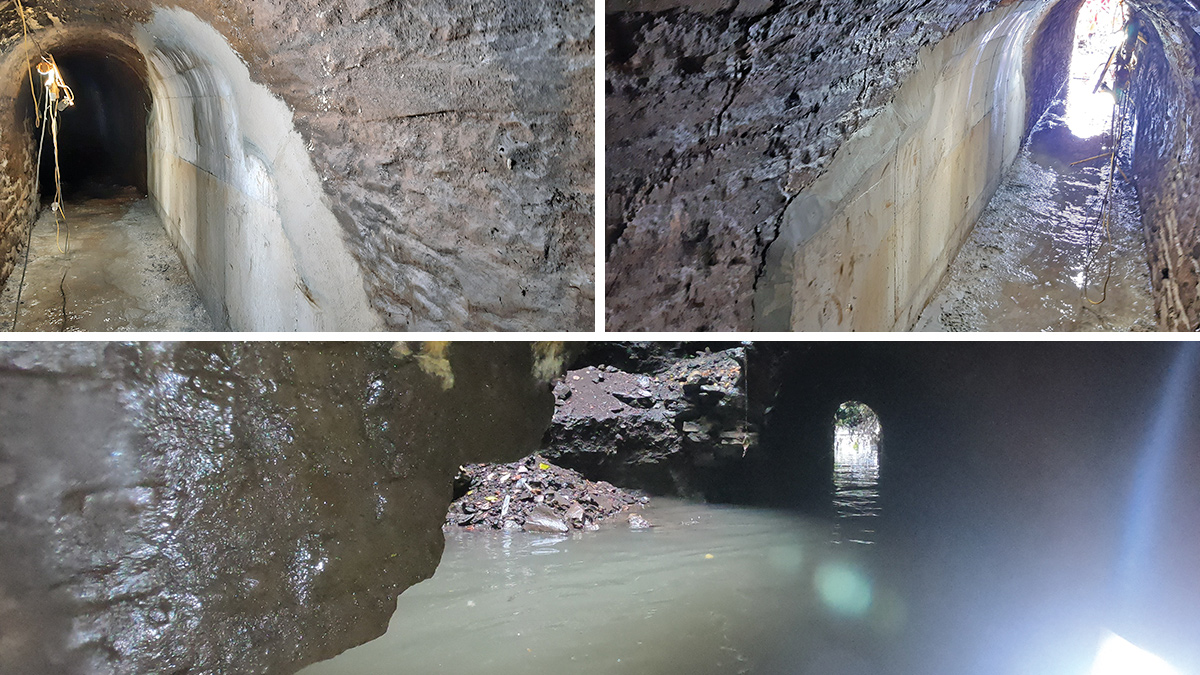
The working environment combined multiple risk factors:
- A partially collapsed structure presented immediate danger of further collapse. We needed to develop a robust working method that would allow operatives to undertake the stabilisation and repair works safely and effectively.
- The tidal river environment created shifting water levels and narrow safe working windows.
- The culvert served a significant surface water drainage function, making weather a constant risk.
- A sinkhole adjacent to a busy cycle route created a public safety concern and required prompt closure and diversion.
- Access to the failure was highly restricted, and no conventional safe working area was available within the collapse zone.
Kaymac’s solution: Bespoke temporary works & flow management:
- To make the site safe and enable works to proceed in dry conditions, our team implemented a comprehensive temporary works and flow management strategy, including:
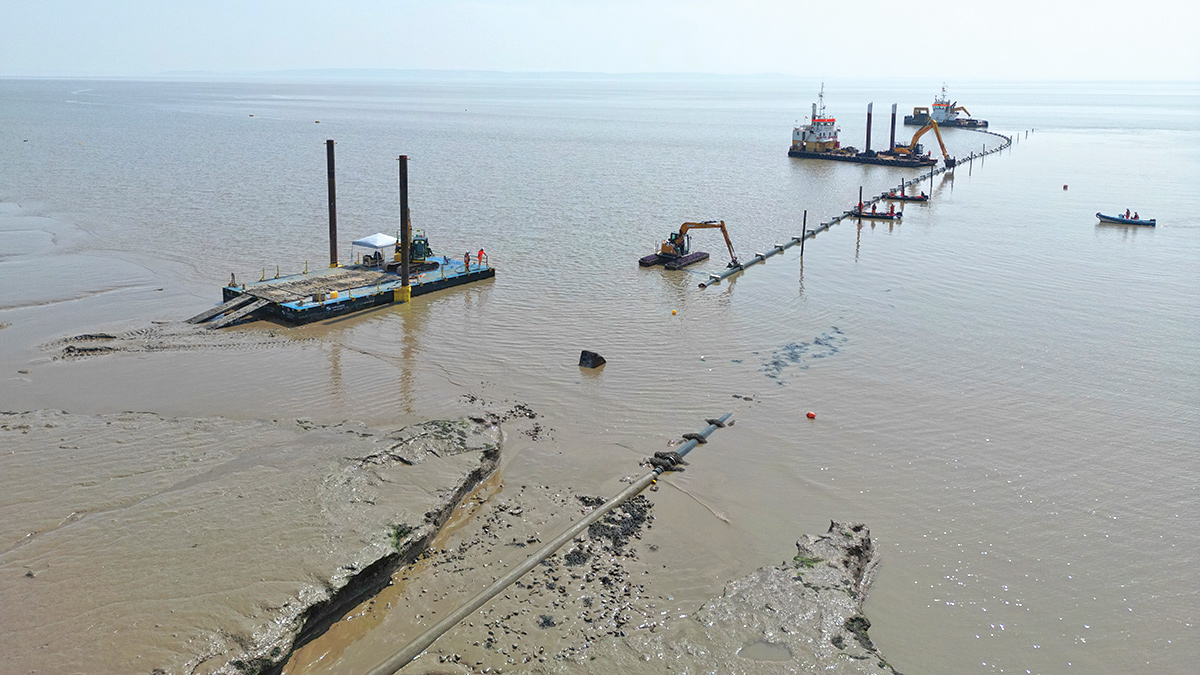
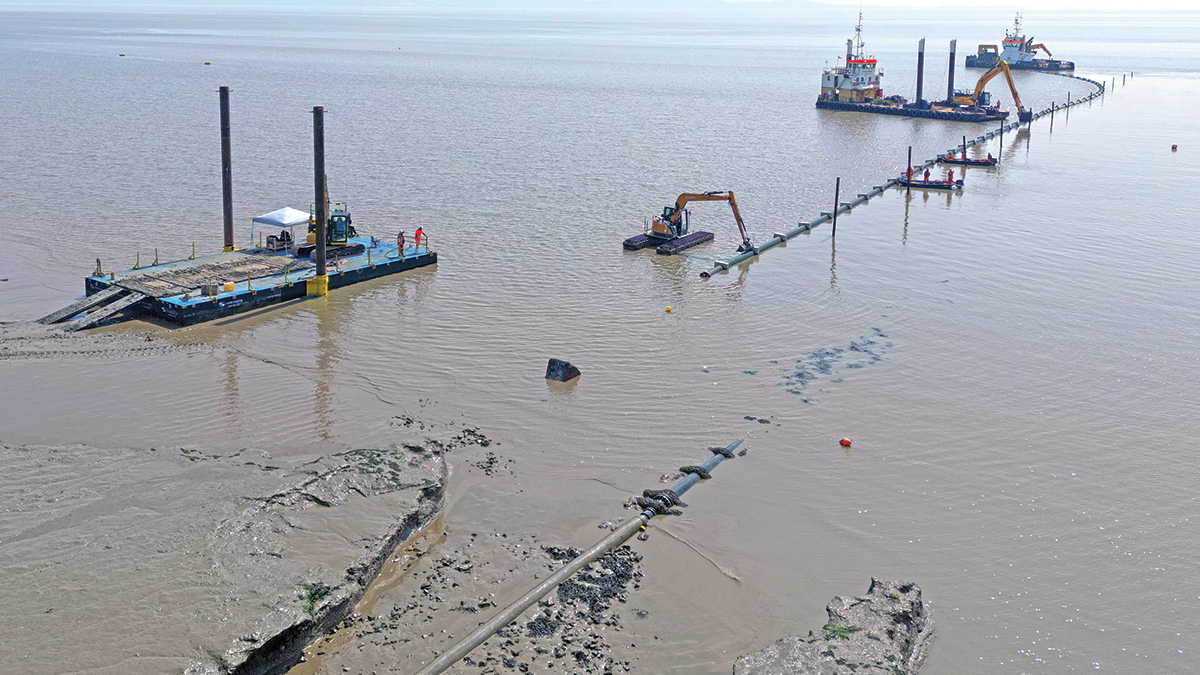
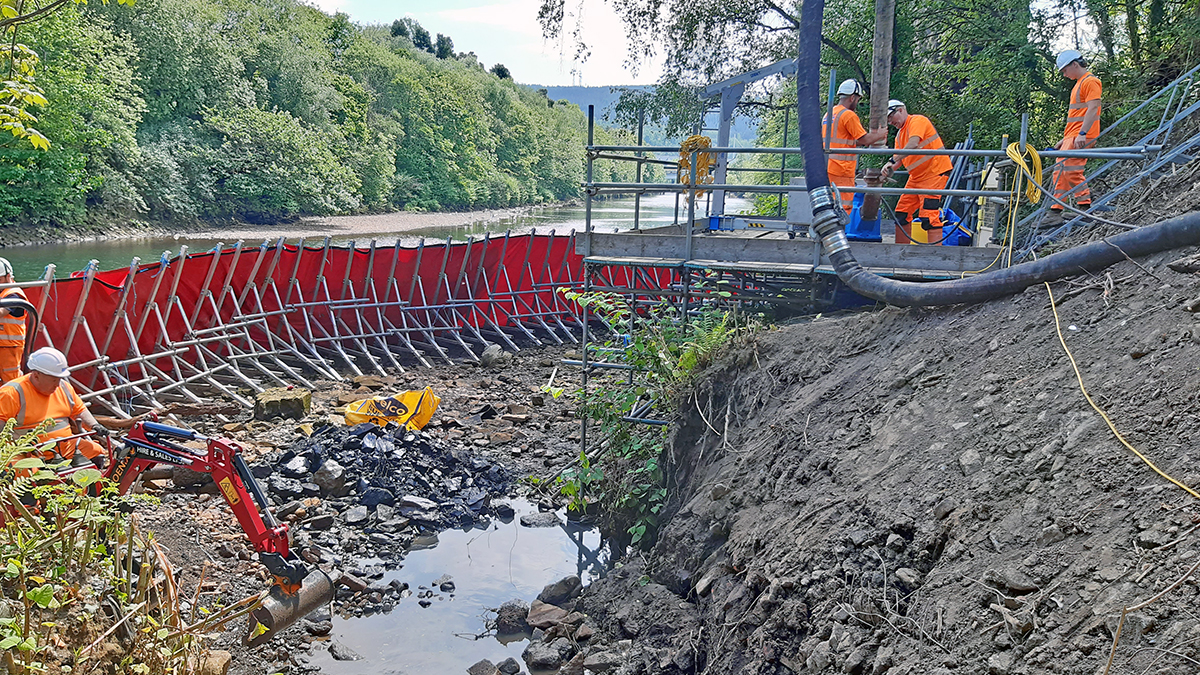
- Deployment of Kaymac’s bespoke Kaydam System downstream, which withstood tidal forces and held back river flow to create a safe, dewatered working zone.
- Installation of a temporary dam upstream, coupled with over-pumping to divert flows during the works.
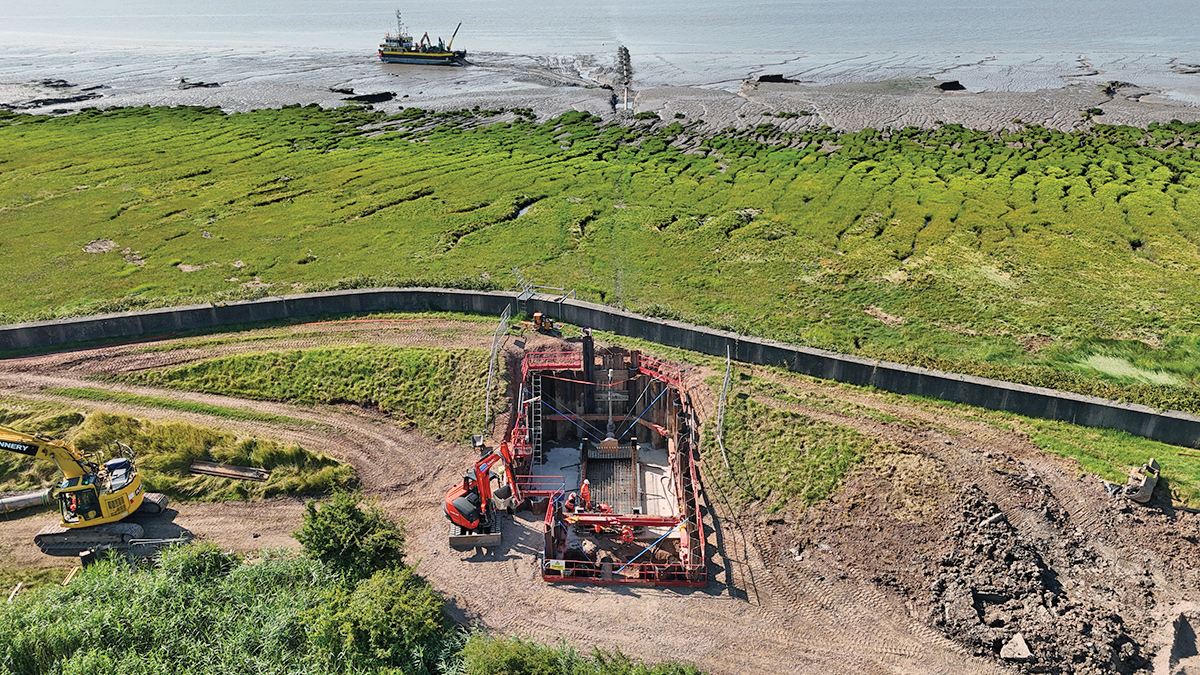
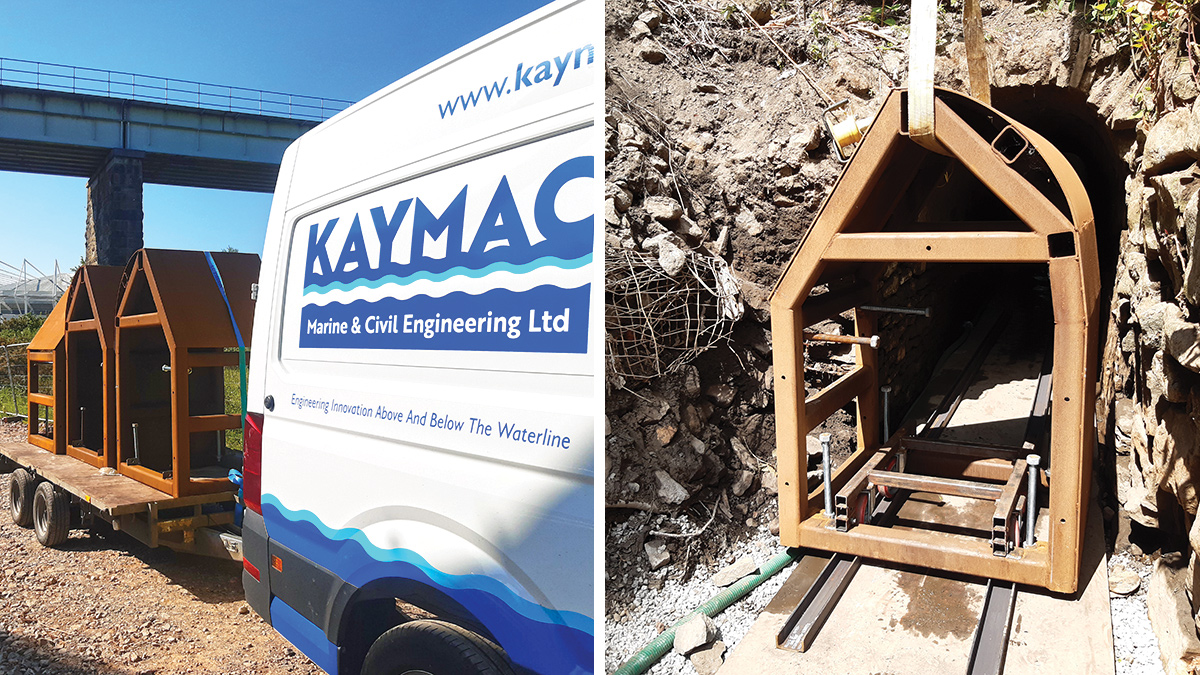
- Development of a custom modular steel access and support solution to allow safe entry within the collapsed culvert, enabling inspection, debris removal and repair without triggering further collapse or putting operatives at risk.
- All works were designed to be phased, allowing continual re-assessment and maintaining flexibility in response to weather or tidal changes.
Stakeholder engagement
Given the environmental sensitivity of the site, close liaison with Natural Resources Wales and HENEB was essential. Approvals were secured ahead of works commencement to ensure compliance with all environmental, heritage and watercourse regulations. Regular updates and inspections ensured full transparency and accountability throughout the project.
Outcome
Despite the scale of the challenge, the project was successfully completed:
- The culvert was stabilised, repaired and returned to full functionality.
- The sinkhole was repaired meaning the cycle route could be safely reinstated and reopened to the public.
- All operations were carried out without safety incidents, despite the high-risk conditions and tight programme.
- Environmental and heritage protections were maintained throughout.
Why this project matters?
This project further demonstrates our capability to engineer bespoke solutions in highly constrained and hazardous environments, respond rapidly to emergency infrastructure failures and work collaboratively with statutory bodies to deliver safe, compliant outcomes- even under extreme conditions.
For More Information, contact us at https://www.kaymacmarine.co.uk/