
Dearne Reach Integrated Constructed Wetland (2025)
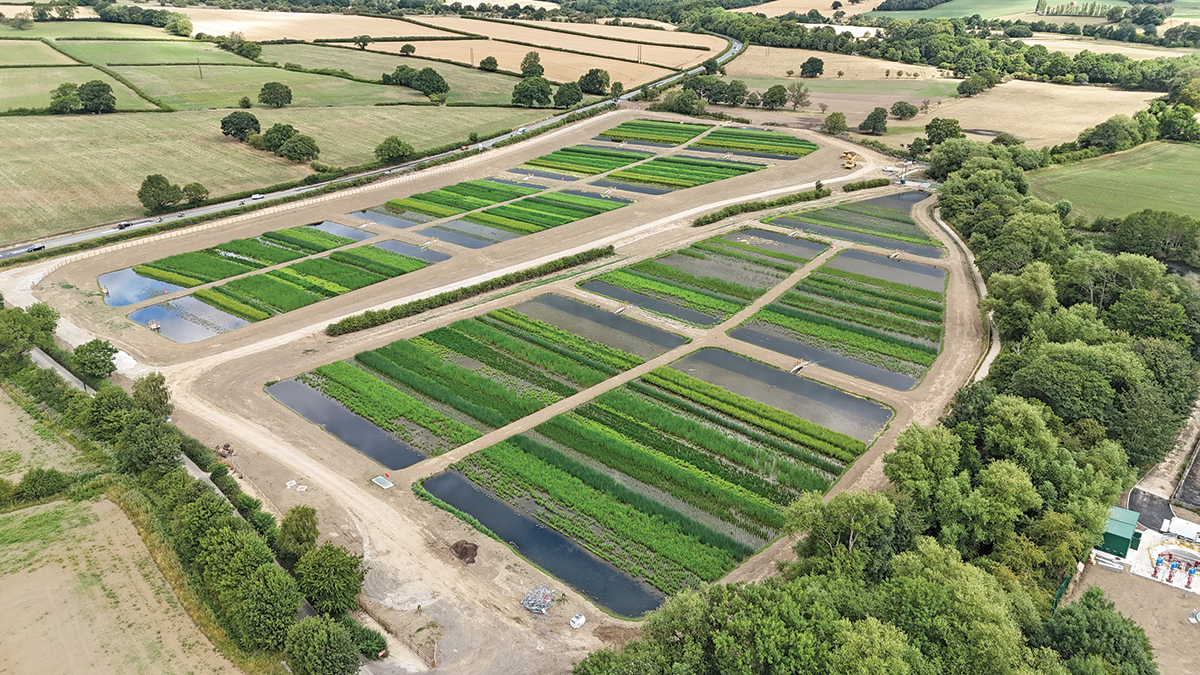
Dearne Reach ICW - Courtesy of MMB
Dearne Reach is a 4.3-hectare Integrated Constructed Wetland (ICW) in Clayton West, Huddersfield, designed to enhance water quality along 4km of the River Dearne. Delivered by Mott MacDonald Bentley on behalf of Yorkshire Water, this ICW will reduce levels of un-ionised ammonia and improve storm flow treatment in line with the salmonid fundamental intermittent standards. To deliver this nature-based solution, Mott MacDonald Bentley excavated 13 wetland cells covering over 44,000m2 (equivalent of 7 football pitches!), creating space to house more than 350,000 wetland plants.
Project background
As an alternative to the traditional grey infrastructure solution, which initially would have entailed 7,000m3 of additional storm storage and a 4.5km diversion of final effluent to a lower river reach, the Dearne Reach ICW offers a sustainable approach to pollution mitigation. Funded by Yorkshire Water as part of their capital delivery programme, it is currently the largest ICW developed in the UK to improve water quality while increasing storm storage resilience.
Aligning with Yorkshire Water’s WFD drivers and net zero ambitions, this project pioneers an ICW tailored for intermittent storm overflows, distinguishing itself from conventional ICWs that require constant inflow. Its innovative design ensures effective management of stormwater variability and will contribute to driving continuous innovation in nature-based solutions across the water industry.
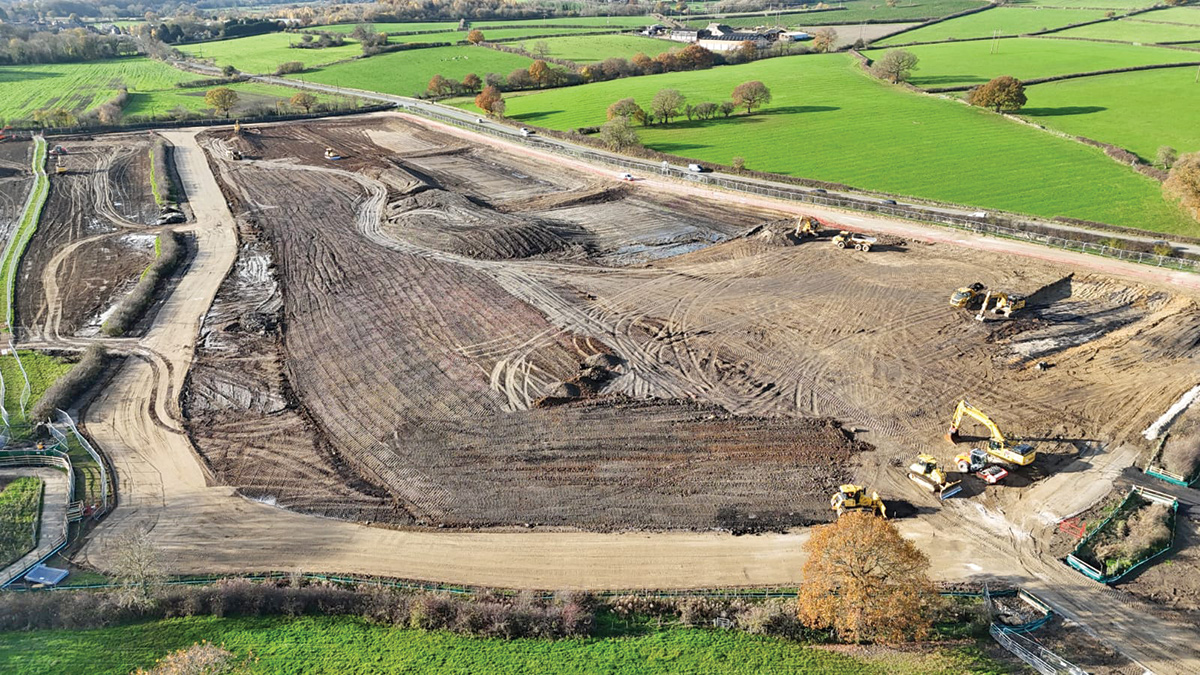
Construction of the first cells – Courtesy of MMB
Integrated constructed wetlands
Constructed wetlands are engineered ecosystems that harness natural processes to treat wastewater, stormwater, and industrial effluents. Sometimes described as ‘nature’s kidneys’ because of their ability to filter and clean wastewater by mimicking natural wetlands, these systems use porous media beds and emergent plants to remove contaminants through physical, chemical, and biological mechanisms.
Various treatment wetland types exist, including free water surface wetlands – also known as integrated constructed wetlands (ICWs).
ICWs allow water to flow above the soil through aquatic plants, enabling the removal of suspended solids, nutrients, and pathogens. These passive systems, closely resembling natural wetlands, rely on processes such as adsorption, precipitation, sedimentation, and filtration to improve water quality.
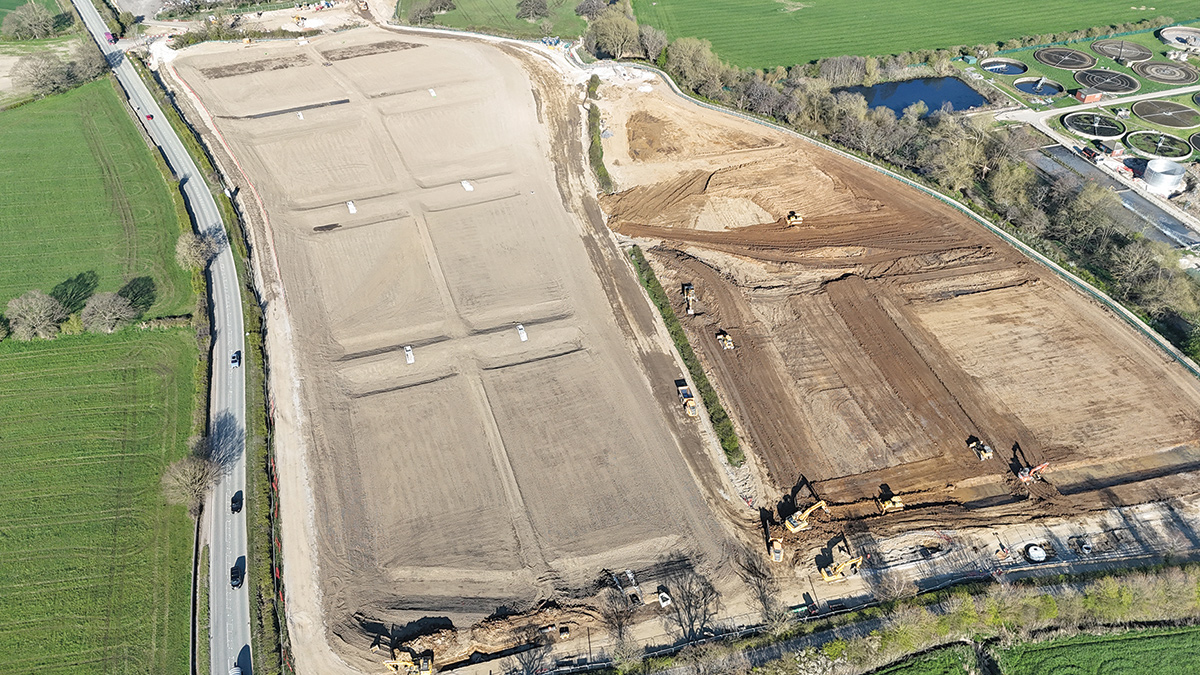
Cell construction – Courtesy of MMB
Advantages for Dearne Reach
The ICW at Dearne Reach offers numerous advantages:
- Water quality improvement: Effective removal of nutrients, heavy metals, pathogens, and organic pollutants.
- Carbon sequestration: Capturing carbon within plant biomass and soil, contributing to achieving net zero goals.
- Biodiversity enhancement: Providing habitats for birds and other wildlife, supporting ecological balance.
- Community benefits: Creating green spaces for public enjoyment and research opportunities.
- Versatility: Adapting to varying wastewater loads and flows, making it highly efficient at stormwater management.
- Low operational costs: Passive systems with minimal maintenance and no chemical requirements over decades, unlike conventional treatment plants.
Plantings
At Dearne Reach, 52 different species of plants have been designed to sit in 13 adjacent cells in which over 350,000 plants adsorb nutrients from storm overflow discharges and wastewater flowing out of the Clayton West Wastewater Treatment Works. These have been specifically selected for the treatment capacity, and alongside the enhancement of existing hedgerows across the site, has enabled a staggering 38% biodiversity net gain in terrestrial habitats.
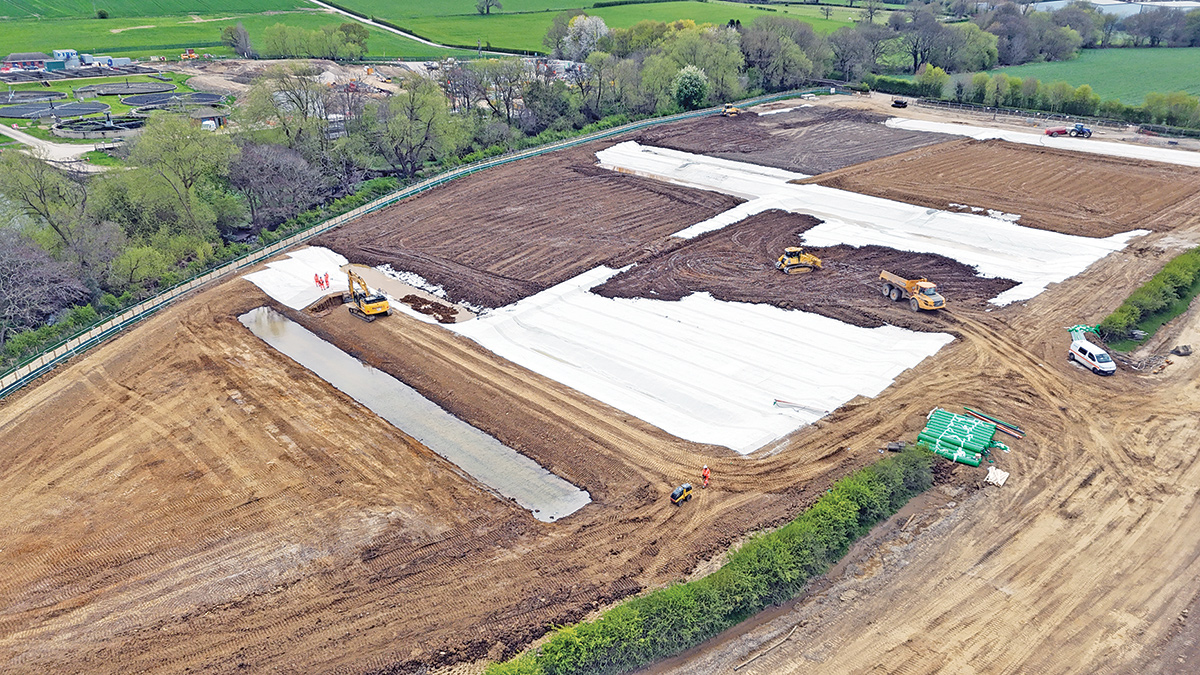
Liner installation – Courtesy of MMB
Variable stormwater discharges
The project introduced an ICW specifically designed to treat intermittent storm overflows. Unlike traditional ICWs, which are effective only with constant inflow, this innovative design can handle the variability and unpredictability of stormwater discharges. The wetland is divided into multiple cells, each optimised for maximum retention time and pollutant removal.
Advanced hydraulic controls and computational fluid dynamics (CFD) simulations were employed to model and optimise the flow through the wetland, ensuring effective treatment of fluctuating volumes and pollutant loads.
Pumping station & rising main
A new wetland pumping station has been designed to raise up to 350 l/s of flows from Clayton West WwTW to the ICW through a new rising main constructed using HDD trenchless methods. Once the water reaches the head of the wetlands, the entire system is passively flowing through two precast concrete distribution chamber structures and fourteen 1.4m wide cascades to transfer the water through each of the 13 cells.
Harnessing solar power
The innovative design harnesses solar power to operate a level sensor and flow meter chamber to successfully manage stormwater variability whilst achieving a passive system ICW with no additional power requirements. The introduction of the solar panels mean that the flow monitoring chamber could be installed to provide future quantity and quality monitoring data, which can be shared to support the evidence base of these emerging infrastructures.
As the largest ICW developed in the UK, its unique design and successful results will contribute to driving continuous innovation in nature-based solutions for storm management across the water industry. It stands as an excellent example of the power of collaboration between civil engineering and nature-based solutions to mitigate the impacts of climate change and promoting sustainable development.
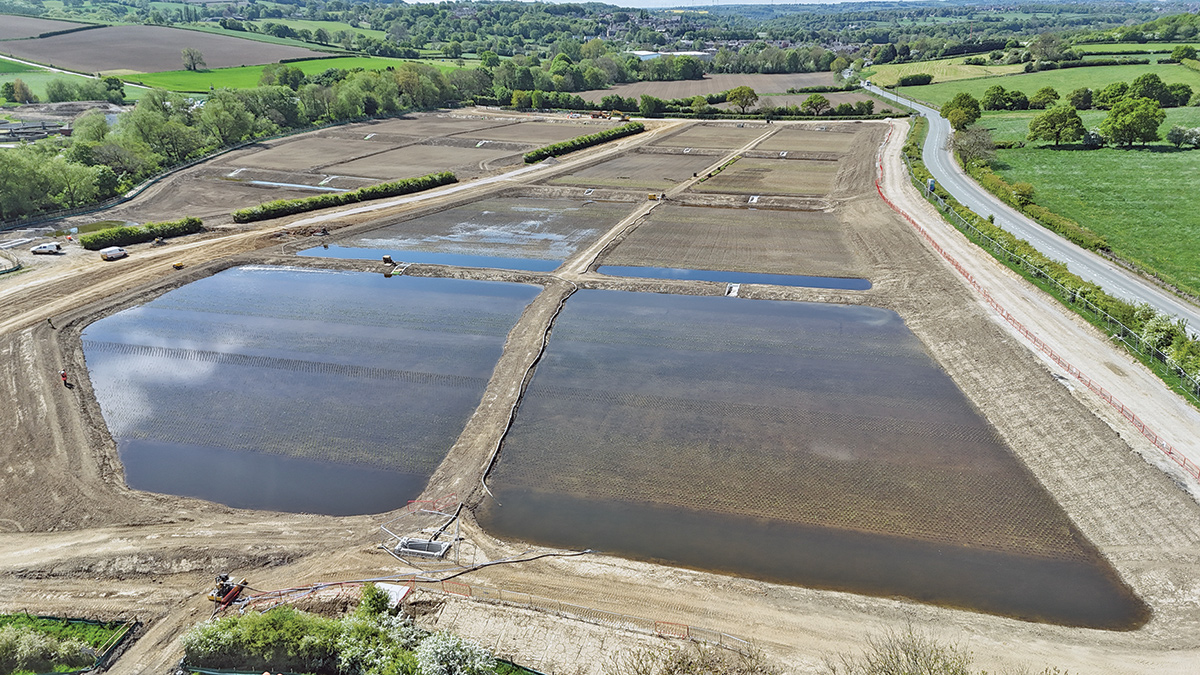
All cells constructed – Courtesy of MMB
Collaborative approach
To successfully design and build a wetland on the scale of Dearne Reach it was clear from the project outset that a collaborative design approach would be key to both a successful programme and commercial output. Therefore, collaboration between the design team, digital delivery team and geotechnical experts was fundamental. The challenges facing the site included, high shallow perched groundwater, sandy, gravelly clay requiring high degrees of compaction, and a requirement for over 13,000m3 of material for topsoil reuse. Alongside construction on a complex site within a coal mining legacy area, with archaeological potential and intersecting with a public right of way.
Dearne Reach ICW: Supply chain: key participants
- Principal designer & contractor: Mott MacDonald Bentley
- Outline design: Stantec UK
- Pressure testing: Ant Hire
- Groundworks: Lowthers
- Groundwater treatment: Siltbuster Group
- HDD rising main: Joseph Gallagher Ltd
- Liner suppliers: SIG Construction Accessories
- Precast structures: Craven Concrete Ltd
- Headwalls: Althon Ltd
- Treatment works package: HB Tunnelling
- Electrical package: Circle Control & Design Systems
- MCC installation: Technical Control Systems Ltd
- Communications instruments: Churchill Controls Ltd
- Wetland plant suppliers: Salix River and Wetland Services
- Grass & flower seed: Hurrells & Mclean Seeds Ltd
- Erosion protection: Geogrow
- Gate valves: Affco Flow Control (UK) Ltd
- Actuators: Glenfield Invicta Ltd
- Instrumentation: Marlec
- Instrumentation: IFM Electronic Ltd
- Flow meter: SIRIS Environmental
- Pipework: Aquaspira Ltd
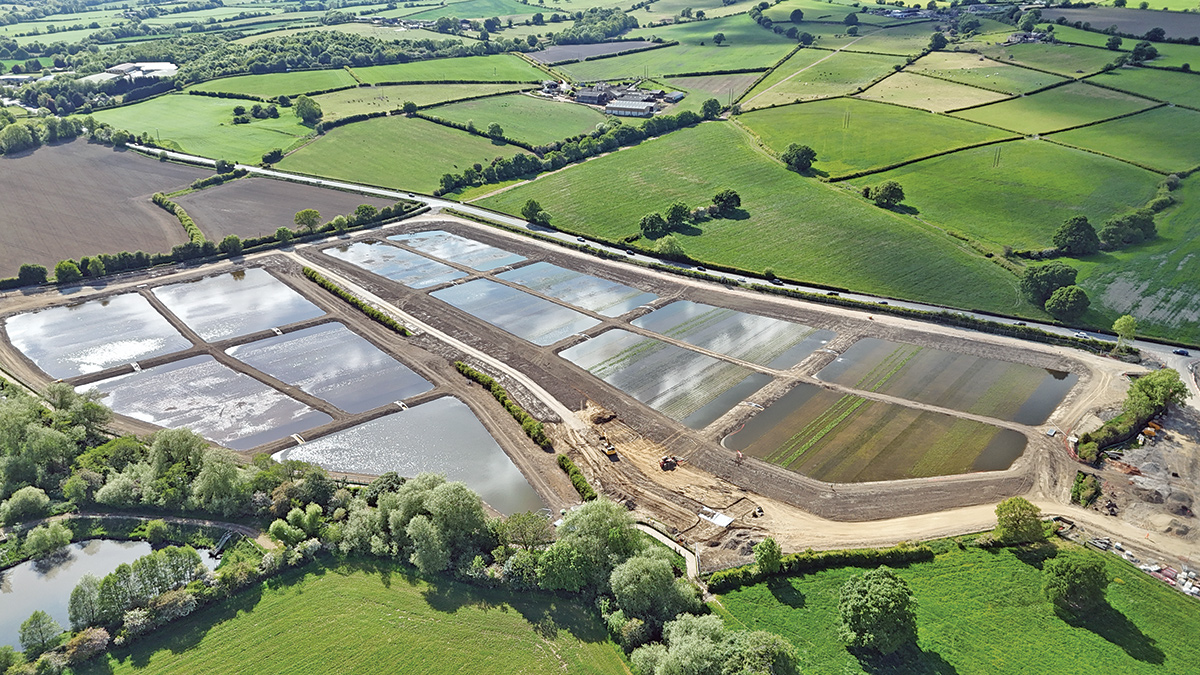
Planting completed in all the cells – Courtesy of MMB
- HDPE pipework & couplers: Westwood Pipelines Ltd
- HDPE pipework & couplers: Radius Systems
- DI pipework: George Green (Keighley) Ltd
- DI pipework: Electrosteel Castings (UK) Ltd
- DI pipework: UTS Engineering Ltd
- Metalwork: Fabtek
- Duct pits: Advanced Infrastructure Systems
- Pipe supports: Midland Fixings Ltd
- Drainage pipework: Wolseley UK ltd
- Drainage pipework: Myers Building Supplies
- Drainage pipework: Keyline Civils Specialist Ltd
- Pumps: Xylem Water Solutions
- Lifting gantry: Peter Cassidy (Leeds) Ltd
- Welfare cabins: Nixon Hire | Wernick Group
- Bolt-sets: BAPP Industrial Supplies
- Bolt-sets: VULCAN Industrial Fasteners
- RoadCem access roads: DNS
- Aggregates: Hague Plant ltd
- Concrete: Heidelberg Materials
- Plant hire: Lynch Plant Hire
- Plant hire: Grantham Industries Ltd
- Plant hire: Flannery Plant Hire (Oval) Ltd
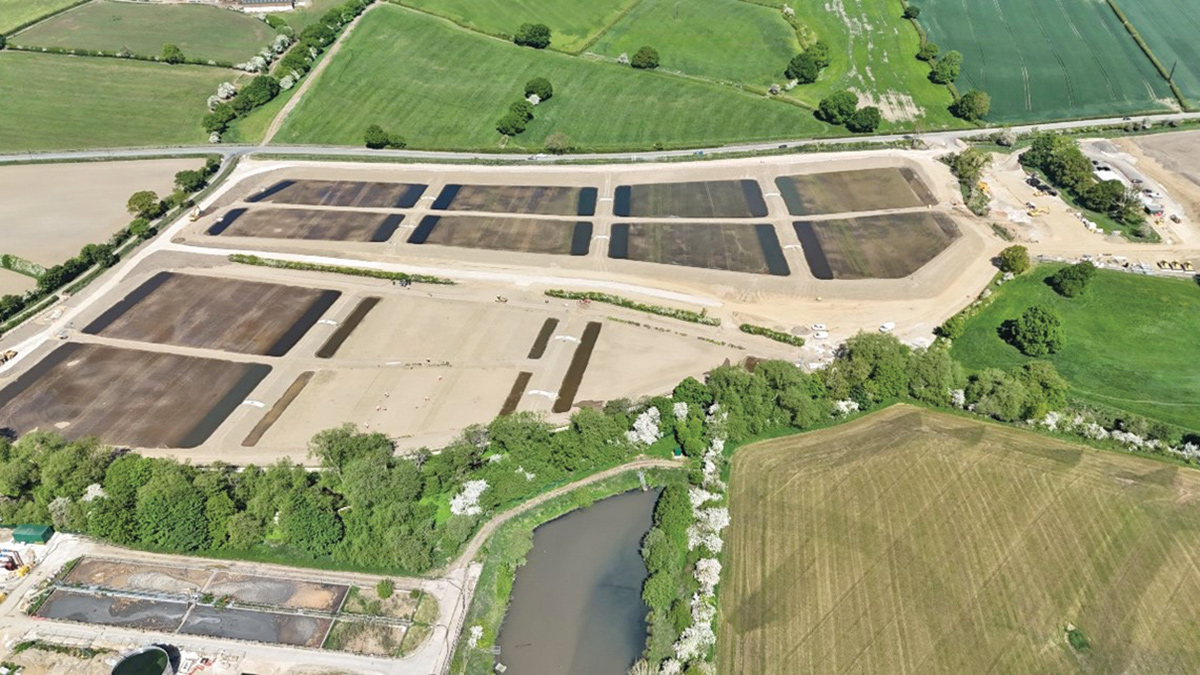
Filling the first cells with water – Courtesy of MMB
Construction achievements
During construction, several notable achievements were made:
Groundwater management: As a result of high groundwater levels on the site, the system hydraulics were analysed, and cell height adjusted. This optimised the cut-fill balance and ensured no material import would be required to construct the embankments, ultimately preserving resources and reducing material waste whilst ensuring there would be no flotation risk
Bypass pipework reductions: Through the development of robust future access and maintenance plans, an opportunity was realised to eliminate unnecessary bypass pipework infrastructure. Initially, this had been proposed to allow each cell to be isolated for future maintenance. The removal of this pipework scope significantly reduced the carbon footprint and project costs.
Sustainable lining solution: As the existing ground did not have a suitable impermeability to protect the underlying groundwater, the ICW had to be lined. To avoid the use of extensive plastic on site, a geosynthetic clay liner was used to create a self-sealing, resilient hydraulic barrier while minimising environmental impact.
Archaeological and geological integrity: The team ensured the coal mining legacy areas remained undisturbed, with archaeological trenching conducted site-wide to ensure any potential pre medieval features were not disturbed during construction.
RoadCem technology for sustainable access: Traditional concrete access roads were replaced with Roadcem soil stabilisation technology to reduce the required material import and associated carbon footprint with use of extensive artificial concrete.
Biodiversity commitment: 350,000 locally sourced plants were installed, arranged in seven planting zones, achieving a 38% biodiversity net gain in terrestrial habitats.
Public right of way enhancements: Social value was equally important to the project and the team collaborated with the local council to enhance the public right of way, improving accessibility with a wheelchair-friendly, 2m-wide footpath along the perimeter of the ICW, featuring timber fencing for optimal wetland viewing points to support community health and well-being.
Carbon savings: The project has achieved a 60% reduction in embodied carbon and 40% reduction in operational carbon across its lifecycle – delivering a more environmentally friendly solution in comparison to the original grey infrastructure solution.
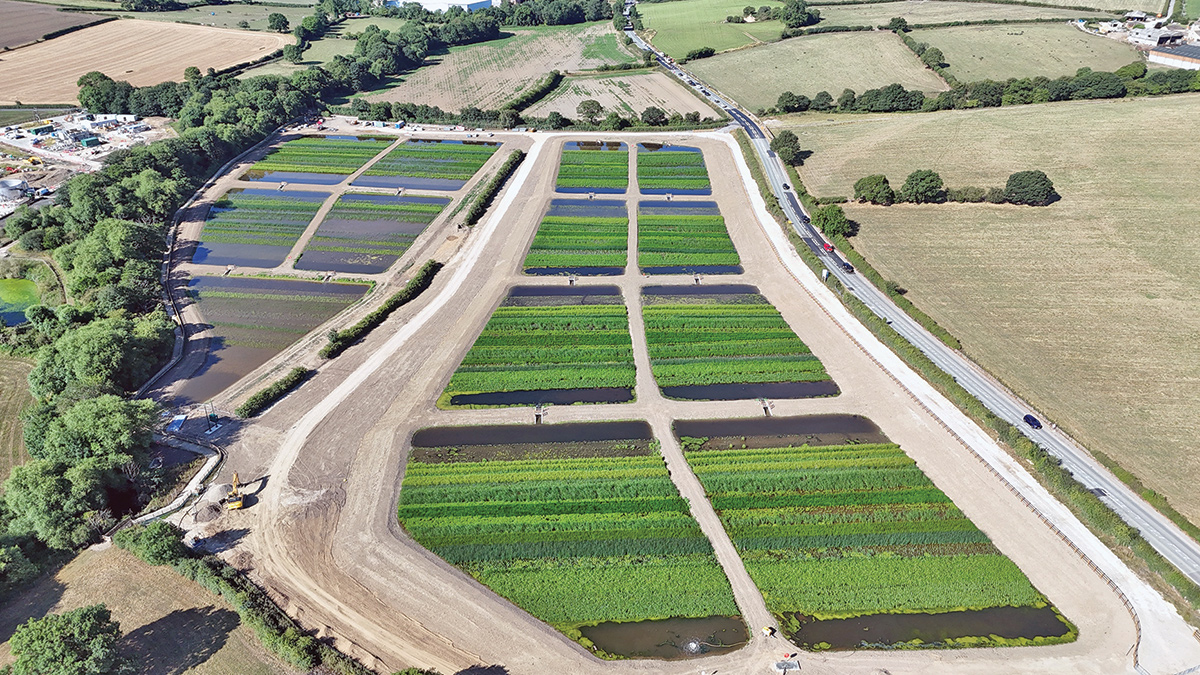
Fully planted wetland – Courtesy of MMB
Innovative digital construction
From the outset, early collaboration with Mott MacDonald Bentley’s digital delivery team identified an opportunity to pilot the use of intelligent plant machinery, alongside a ‘Smart Construction Dashboard’ during the build.
Prior to mobilisation on site, the model and delivery programme was shared for upload into the Smart Construction/Earthbrain software. These platforms initially use Artificial Intelligence to generate an efficient delivery output, detailing size, type and number of machines required. They also generate a powerful earth shifting model, highlighting the most efficient distribution workflow for the cut/fill material to travel and be placed.
This was most useful to compare the tendered assumptions and check for any oversights in the planning phases. This approach improved accuracy, efficiency, and most importantly, improved health and safety standards on site. This marked a first-of-its-kind trial for deploying intelligent plant in the construction of a nature-based solution.
The site team reported significant benefits, particularly given the scale of the excavation, such as:
- Model-driven excavation optimised material use, eliminating unnecessary cutting/filling and promoting a right-first-time methodology.
- Automated systems reduced manual surveying and minimised plant-people interaction, ensuring safer site operations.
- Precision excavation reduced material waste while moving 65,000m3 (117,000 tonnes) of soil, limiting reliance on imported fill.
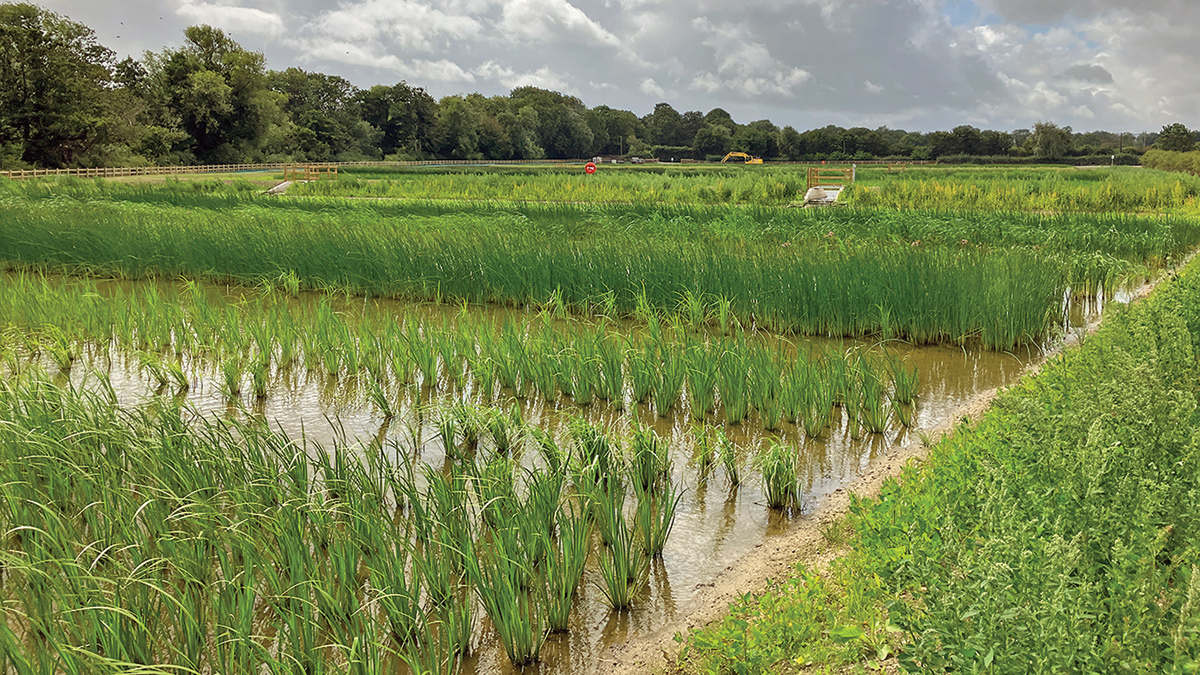
Wetland plants developing – Courtesy of MMB
Successes & summary
The Dearne Reach ICW Project exemplifies sustainable development by delivering a low-carbon stormwater management solution. Leveraging natural processes such as sedimentation, filtration, and biological uptake, the wetland effectively removes pollutants and reduces the ammonia levels in stormwater in line with the salmonid fundamental intermittent standards. This enhances water quality and strengthens local biodiversity, aligning with global climate adaptation efforts.
The project’s innovative approach to managing stormwater discharges aligns with Yorkshire Water’s efforts to mitigate and adapt to the effects of climate change. It stands as an excellent example of the power of collaboration between civil engineering and nature-based solutions to mitigate the impacts of climate change and promoting sustainable development.
This first-of-its-kind trial has set a new benchmark for future wetland and nature-based solution projects across the water industry, with lessons learned shared to inspire continuous innovation in sustainable construction.
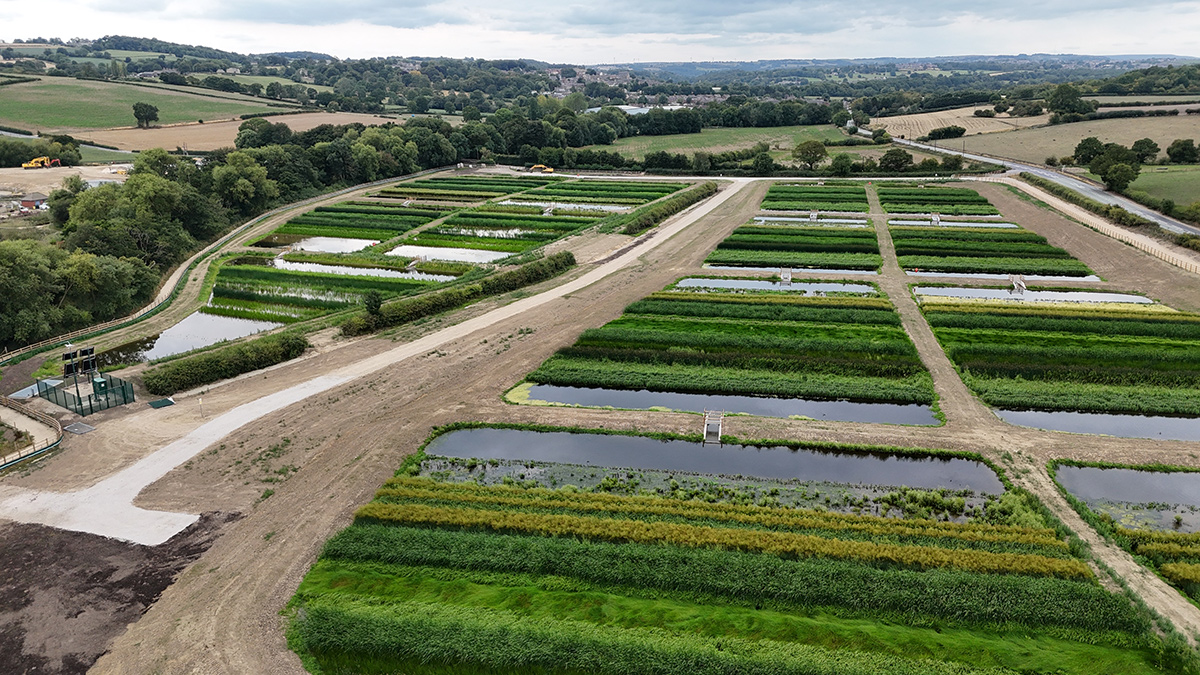
The completed Dearne Reach Integrated Constructed Wetland - Courtesy of MMB

 Download PDF