
Everton WRC Integrated Wetland (2026)
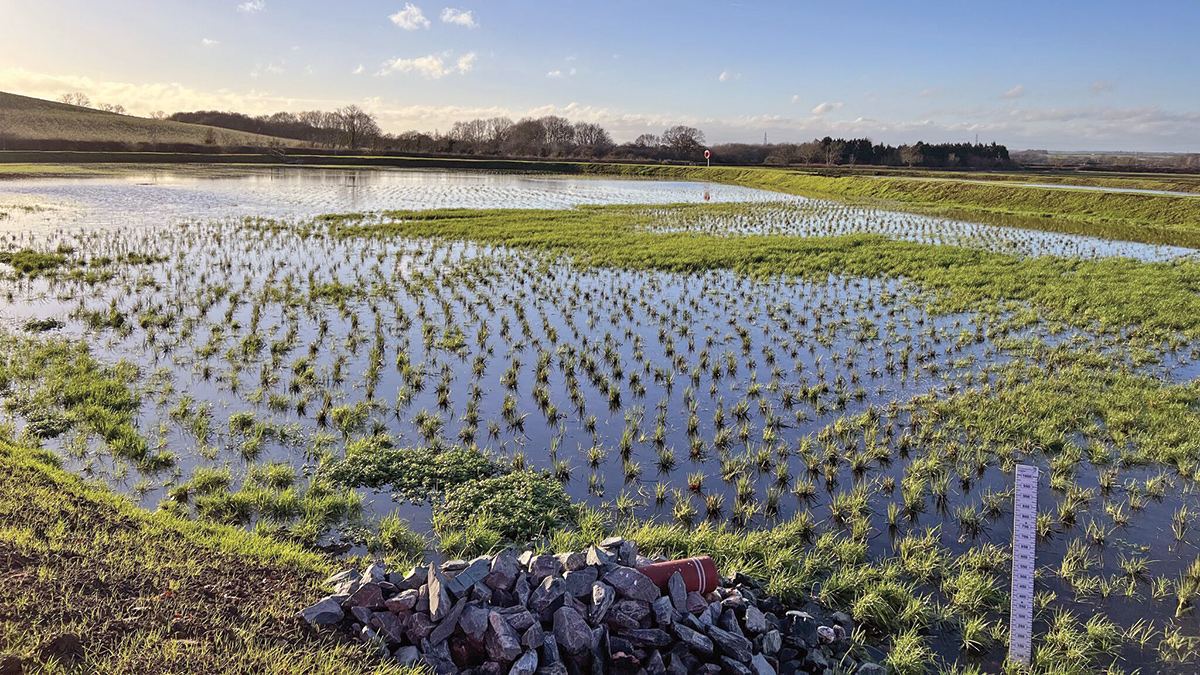
Everton Integrated Constructed Treatment Wetland - Courtesy of Vesi Environmental
Everton Water Recycling Centre (WRC) is a small treatment works in Bedfordshire, serving around 200 homes and a population of roughly 600. Located downslope from Everton village (220 ft above sea level), the works benefits from a 14% gradient, allowing wastewater to flow to the site by gravity before being treated and discharged to the River Ivel. To meet the Environment Agency’s AMP7 requirements, Everton WRC needed to significantly reduce phosphorus in its discharge. Without action, the site would fail to comply with Environmental Permitting Regulations (EPR). Anglian Water was required to meet new consent limits of 1 mg/l phosphorus and 8,000 µg/l iron under the Water Industry National Environment Programme (WINEP).
Solution
Anglian Water tasked its @one Alliance with identifying an effective and innovative solution to this issue. The conventional approach, iron dosing, would have needed major civil works, a new concrete base, modifications to the existing process, and an ongoing supply of iron chemicals. This would create ongoing costs, increased carbon emissions from deliveries, and higher operational complexity.
Instead, the team chose to challenge convention by developing Anglian Water’s first Integrated Constructed Treatment Wetland (ICTW) as a nature-based alternative. The final design created a three‑cell wetland covering 18,320m² (around 2.5 football pitches).
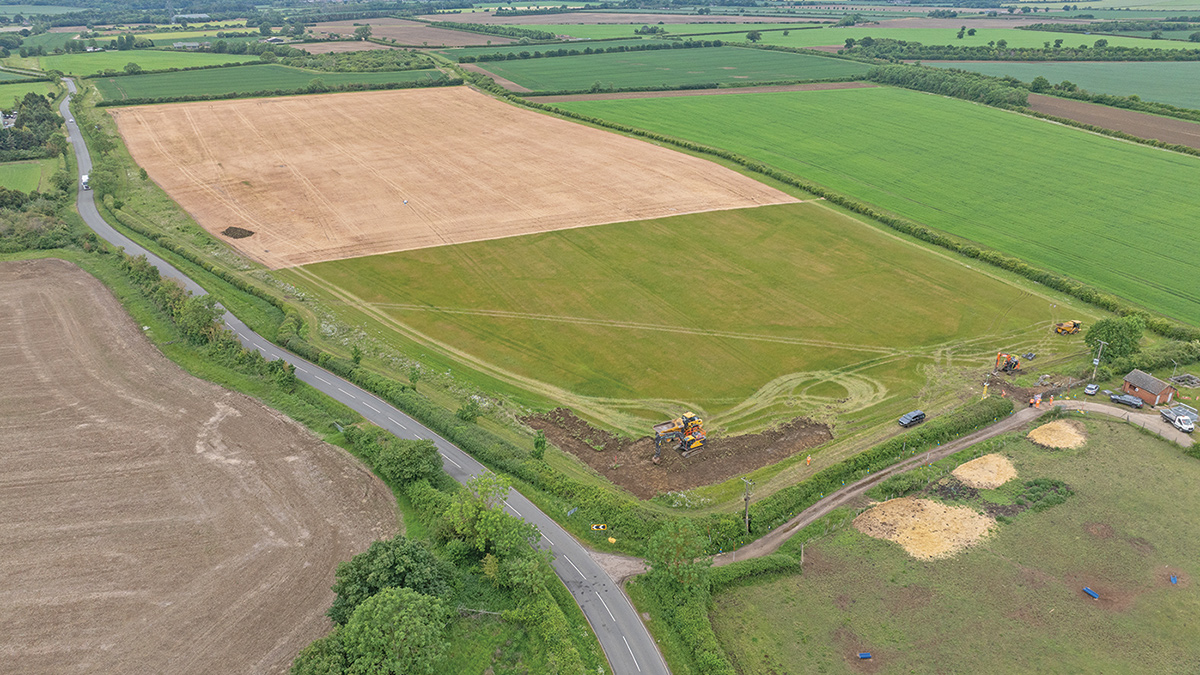
Start of turf stripping – Courtesy of@one Alliance
To build a wetland of this size, Anglian Water purchased the required land from a local farmer who owned the field downstream of the existing works. The existing outfall pipeline ran parallel to the farmer’s field and Tempsford Road, carrying the treated wastewater out towards the River Ivel. To feed the wetland, the team bypassed the start of that pipeline, diverting the water through the gravity-fed wetland before cutting back into the existing pipeline at the new wetland outfall location.
Planting
Over a six-month construction and planting period, the team excavated the three wetland cells and planted more than 110,000 native plants, including:
Emergent wetland plant species
- Lesser pond sedge (Carex acuitiformus)
- Reed Sweet Grass (Glyceria maxima)
- Lesser reedmace (Typha angustifolia)
- Yellow flag (Iris pseudacorus)
Marginal wetland plant species
- Water mint (Mentha aquatica)
- Purple loosestrife (Lythrum salicaria)
- Brooklime (Veronica beccabunga)
- Flowering rush (Butomus umbellatus)
- Gipsywort (Lycopus europaeus)
- Marsh cinquefoil (Potentilla palustris)
- Marsh marigold (Caltha palustris)
- Meadowsweet (Filipendula ulmaria)
- Water forget-me-not (Myosotis scorpioides)
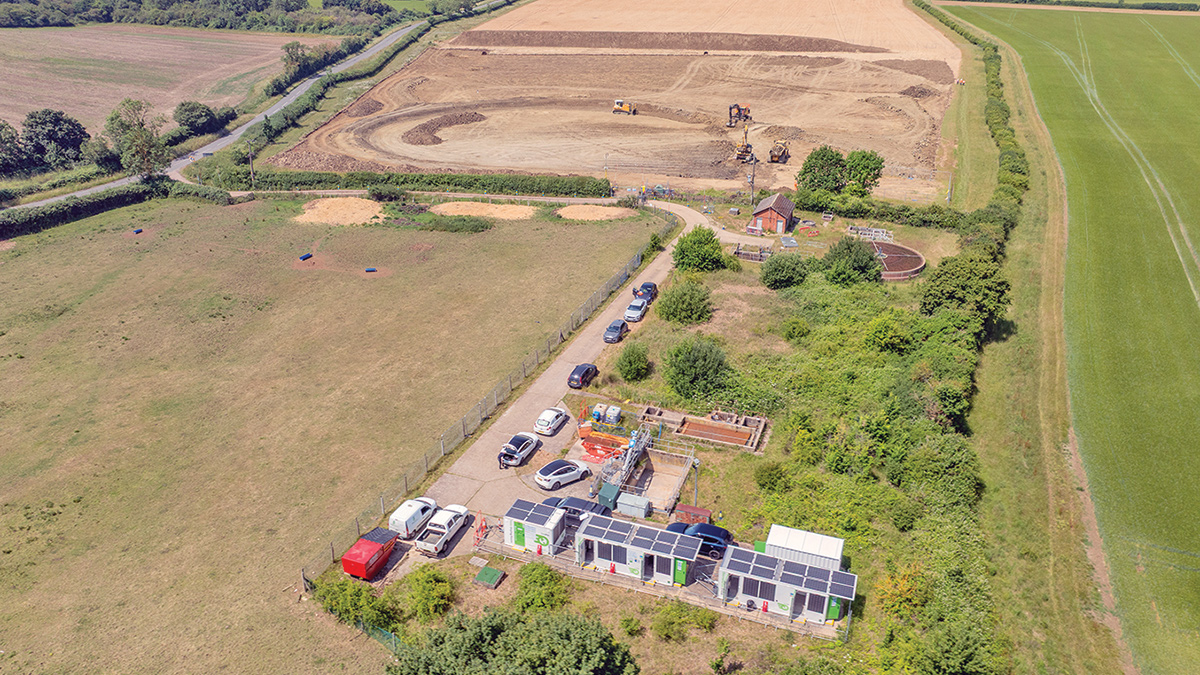
View of site accommodation, Everton WRC, and the wetland site – Courtesy of@one Alliance
Challenges
Like many capital projects, the Everton Integrated Constructed Treatment Wetland faced several challenges, including:
- Land acquisition & planning: Securing land and planning approval took longer than anticipated and fell largely outside the delivery team’s control, creating uncertainty in the programme.
- Seasonal working: To avoid winter working risks, construction was strategically rescheduled to start in April 2025, enabling safer and more predictable delivery during drier months.
- Stakeholder coordination: The scheme involved multiple parties landowners, local authorities, and environmental regulators, requiring strong communication and alignment throughout.
- First-of-its-kind risks: As Anglian Water’s first ICTW, the solution carried natural risks around design validation and achieving stringent phosphorus and iron limits without chemical dosing.
International appeal
As the UK’s first ICTW, the project has drawn international attention. In November 2025, Anglian Water hosted officials from the Mexican Embassy and Government during a UK trade mission exploring innovative water management approaches. Grant Tuffs, Regional Engagement Manager, noted that the visit strengthened international collaboration and highlighted the value of nature‑based solutions in modern water infrastructure.
The wetland has also been visited throughout the earlier stages of the project by Richard Fuller, local Bedfordshire Conservative MP, showcasing the positive and widespread attention this project has received throughout its lifecycle.
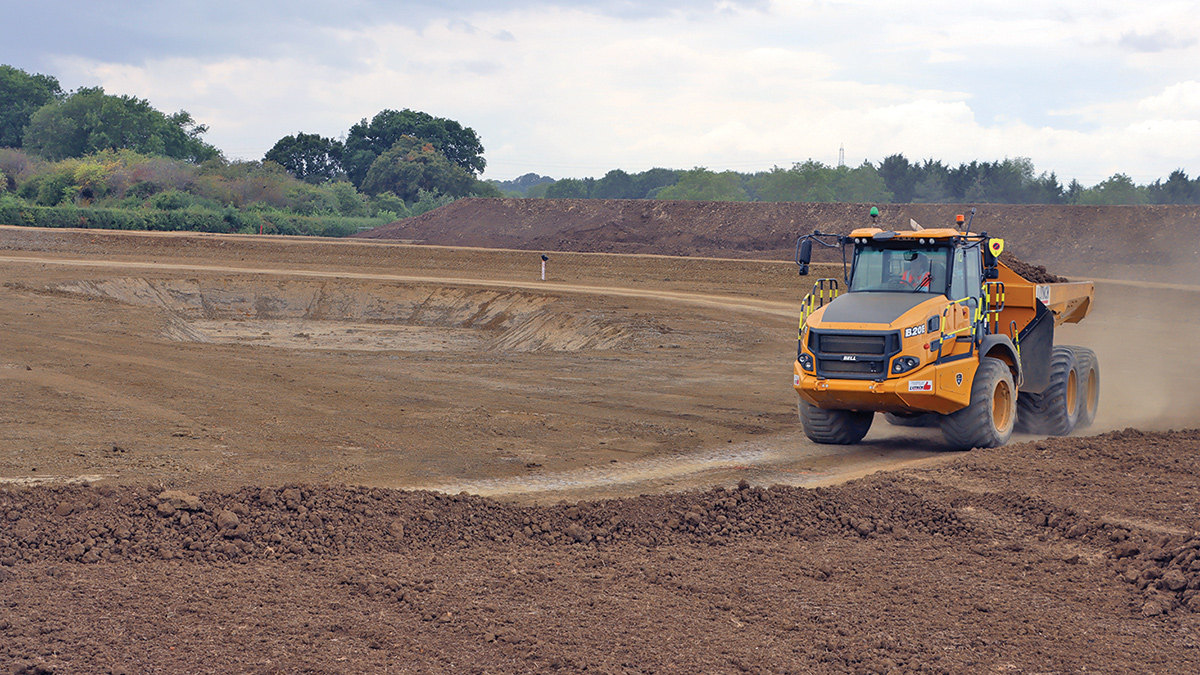
Preparing the wetland cells – Courtesy of@one Alliance
Everton Wetlands: Supply chain – key participants
- Client: Anglian Water
- Project delivery: @one Alliance
- Principal contractor: Skanska
- Wetland designers: Binnies
- Wetland designers: VESI Environmental Ltd
- Flood risk assessment: SWECO
- Topography surveys: Randall Surveys LLP
- Archaeological mitigation work: Headland Archaeology
- Ground investigation work: AF Howland Associates
- Specialist wetland construction: William Morfoot Ltd
- Wetland plants & planting: Salix River and Wetland Services
- Landscape planting & ecological surveys: Greenwillows Associates Ltd
- Enabling civil works: DLO (@one Alliance Direct Labour)
- Drone surveys & video footage/stills: Dronesmart Global
- Site security & construction timelapse: Wireless CCTV Ltd
- Flow meter supplier: Metasphere Ltd
- Flow meter installation: Dodd Group
- OSM chamber: SIRUS
- Security fencing & gate: Burn Fencing Ltd
Because no new dosing plant was needed, the existing site infrastructure and power usage remained unchanged. The planning and land acquisition process took three years, reflecting the complexity of delivering a first‑of‑its‑kind solution. This allowed the team to develop a robust, repeatable design for future wetlands planned across AMP8.
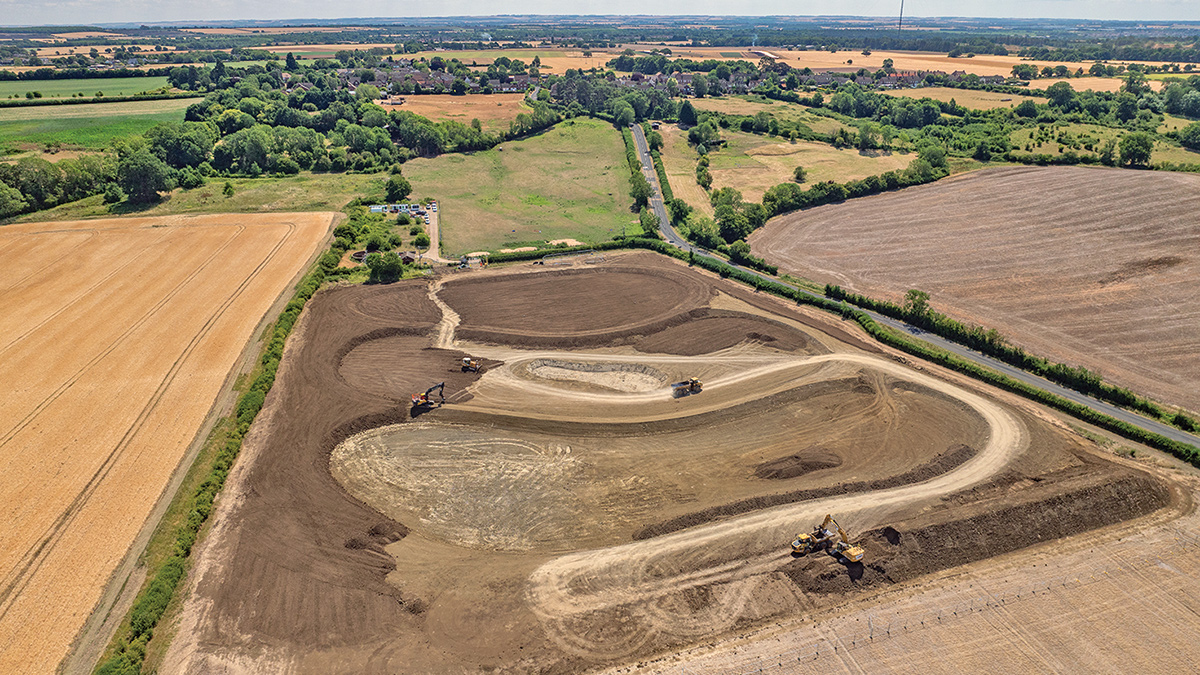
Wetland cells prior to planting – Courtesy of@one Alliance
Successes
The Everton Integrated Constructed Treatment Wetland Project eliminated the need for chemical dosing, reducing lorry movements, operational carbon, and long‑term chemical costs. A deeper pond area was also created to encourage biodiversity and support local wildlife.
The Everton Wetland was completed in October 2025. With planting now established, full growth and system maturity are expected by Spring 2027. The plants have an indefinite lifespan but is likely to be between 30 and 50 years or more.
Overall, the project achieved an 84% reduction in carbon emissions, cutting the carbon footprint from 654 tCo2e to 104 tCo2e, largely due to balanced cut‑and‑fill earthworks that avoided imports and exports and the removal of 99% of anticipated concrete use.
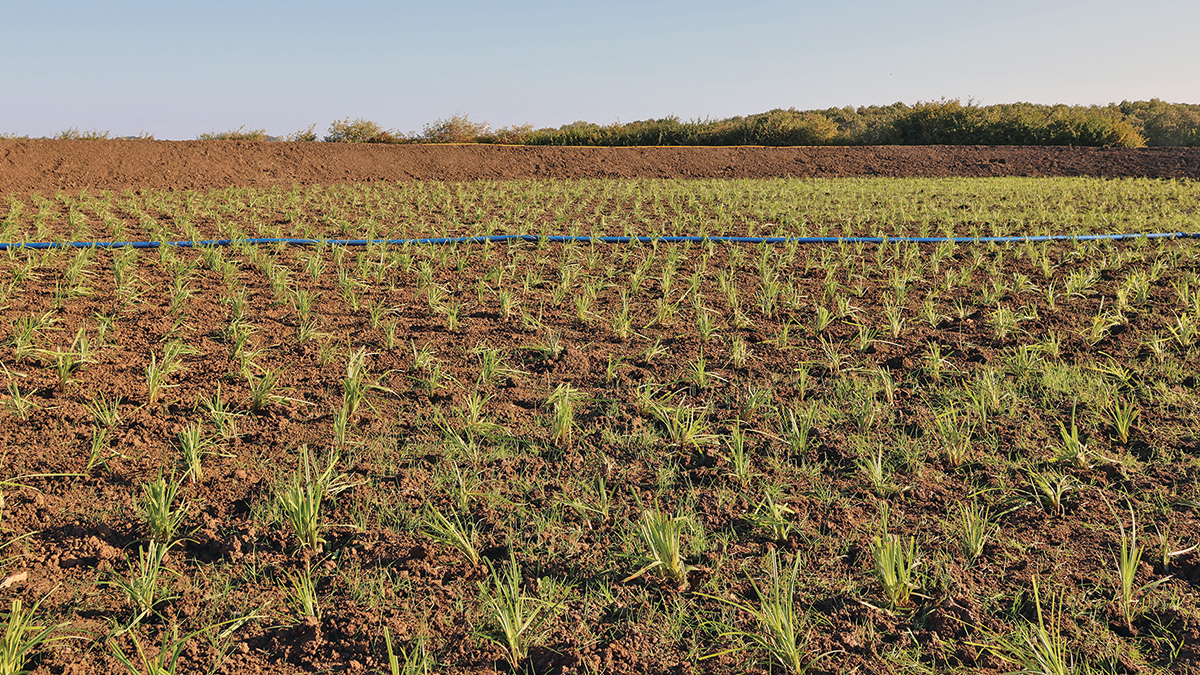
Wetland plants – Courtesy of@one Alliance
Conclusion
The Everton Wetland Project demonstrates how nature-based design can deliver regulatory compliance while providing long-term environmental, operational, and carbon benefits. By replacing chemical dosing with an ICTW, Anglian Water has reduced costs, cut emissions, increased biodiversity, and created a blueprint for future schemes.
As part of the £37m wetland programme, the lessons from the Everton Integrated Constructed Treatment Wetland Project will shape the next generation of wetlands to be delivered across AMP8. This project represents a significant milestone in the UK water industry’s shift toward sustainable, resilient infrastructure.
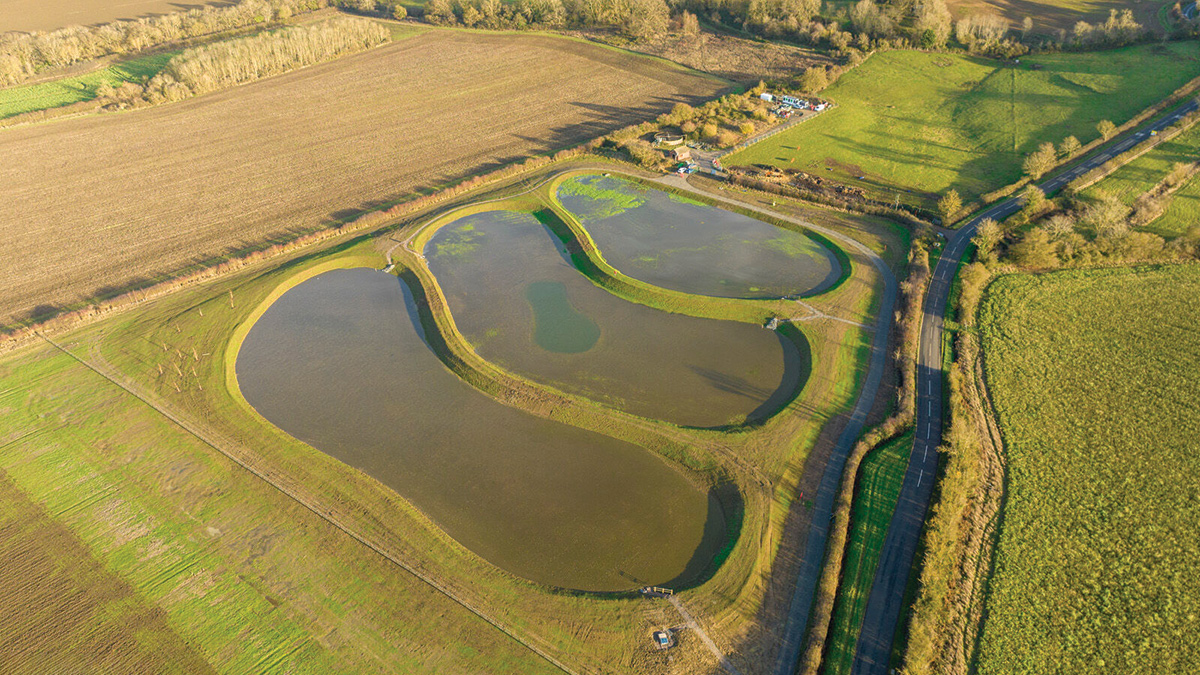
Everton Integrated Constructed Treatment Wetland - Courtesy of Vesi Environmental