

Burnley Road Pipe Bridge Removal Scheme (2026)
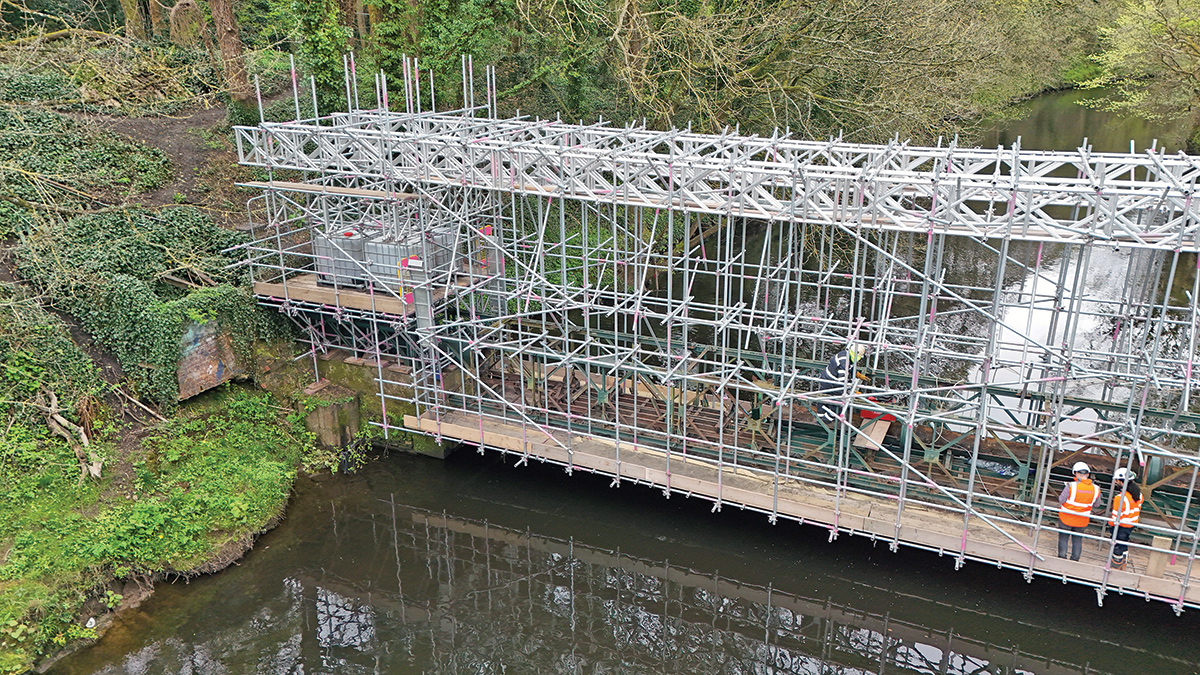
Temporary scaffolding for pipe bridge removal - Courtesy of JN Bentley
The Burnley Road Pipe Bridge was a ductile iron pipe bridge with a 30m span across the River Calder, an Environment Agency (EA) designated Main River. The structure conveyed wastewater flows, but had deteriorated to a condition where it posed a significant risk of structural failure, particularly during periods of elevated river levels due to debris trapping on the bridge. The potential consequences of failure included environmental pollution, disruption to wastewater services, and safety risks to downstream communities. As a result, the asset was prioritised for removal and replacement as part of Yorkshire Water’s capital delivery programme.
Project location
The Burnley Road Pipe Bridge is situated within the village of Luddenden Foot, to the west of Halifax in West Yorkshire. The project encompasses two principal work sites: Holmes Park Football Pitch, and Calder Caravan Storage. These locations are geographically separated by the River Calder and are positioned approximately 50m to the east of the Rochdale Canal.
The works were undertaken within a constrained and environmentally sensitive corridor, requiring careful planning and execution throughout both the design and construction.
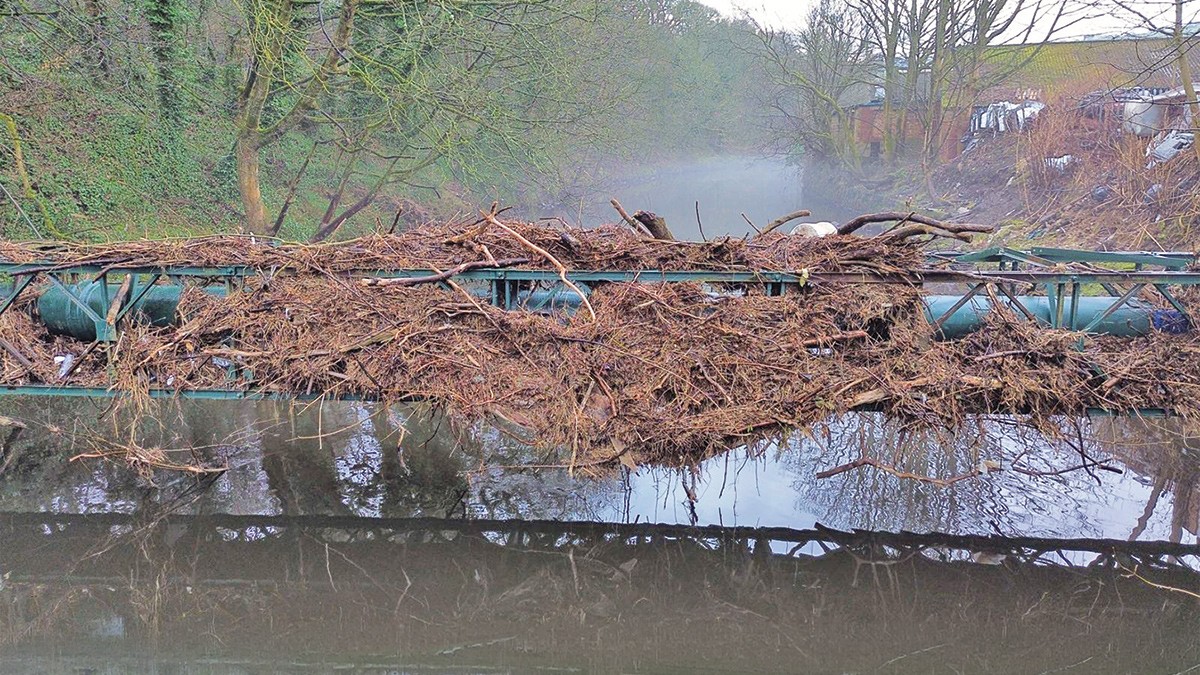
Existing pipe bridge prior to start of construction – Courtesy of JN Bentley
Scheme development & design evolution
At outline design stage, the preferred solution involved constructing two shafts on either side of the river, connected by a micro tunnel acting as a conduit for installing the new syphon pipework beneath the riverbed. This would allow flows to be diverted away from the existing pipe bridge while maintaining continuity of service. However, upon further review during detailed design, Mott MacDonald Bentley (MMB) identified several constraints associated with this approach, most notably the extensive vegetation clearance and restrictions on the size and type of plant that would have been required. Such clearance would have had a significant environmental impact, particularly within a sensitive habitat.
In response, MMB challenged the initial concept and developed an alternative solution based on an inverted syphon arrangement. This approach involved installing three pipelines beneath the River Calder using Horizontal Directional Drilling (HDD) techniques. The configuration comprised one pipe designed to convey Dry Weather Flow (DWF) and two additional pipes for storm flows. This design allowed the system to achieve self-cleansing velocities under both normal and storm conditions, thereby reducing the risk of sediment deposition and operational maintenance issues.
To validate the proposed solution, comprehensive hydraulic modelling was undertaken. InfoWorks Integrated Catchment Modelling software was used to assess the impact of the syphon on the wider catchment, while HADES software was employed to evaluate the internal hydraulics of the syphon pipes. This dual-modelling approach ensured that both network-wide effects and asset-level performance were fully understood.
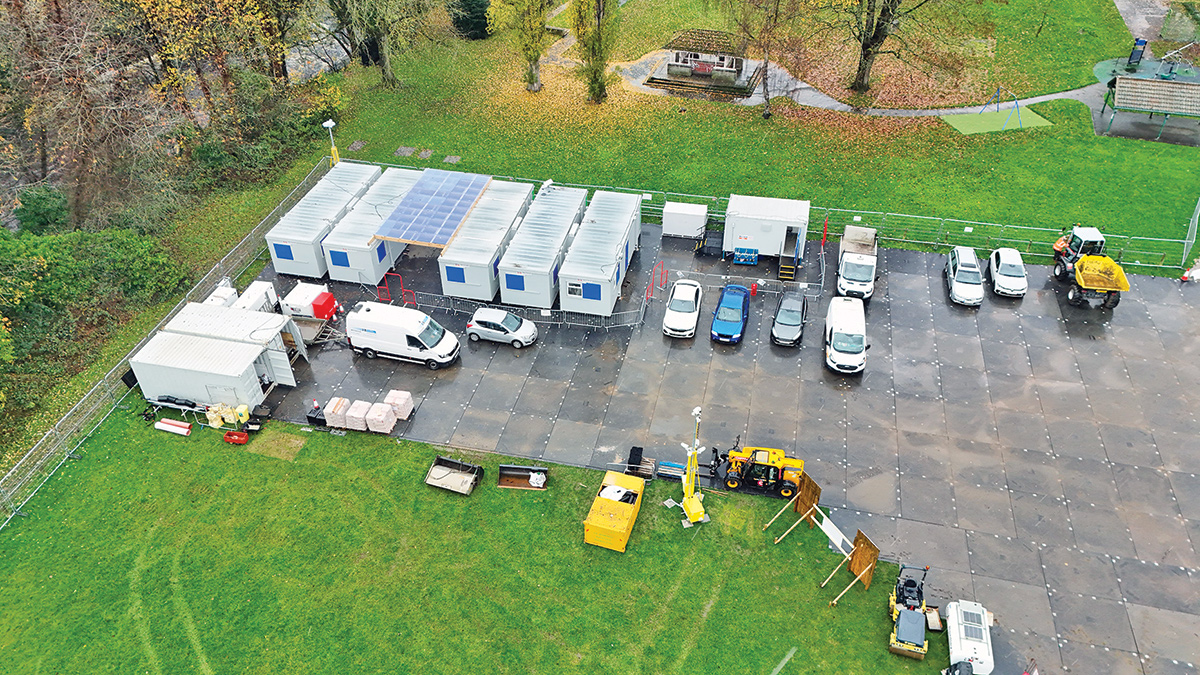
Site setup – Courtesy of JN Bentley
Hydraulic challenges & mitigation measures
The hydraulic analysis identified a critical challenge associated with the inverted syphon design. Specifically, the head required at the inlet manhole to drive flows through the syphon at the necessary velocities resulted in an elevated hydraulic grade line within the upstream network. This increase in head led to a heightened risk of flooding at upstream manholes, particularly during peak storm events.
To mitigate this issue, the design team introduced a 1350mm diameter upstream storage pipeline. This additional storage provided attenuation capacity, effectively lowering the hydraulic grade line within the catchment. However, due to the pipe’s diameter and gradient, flow velocities within this storage pipe were lower than those required for self-cleansing conditions.
To address the risk of sediment accumulation and ragging within the storage pipe, a 150mm diameter dry weather flow channel was incorporated into the invert of the pipeline. This channel ensured that flows during normal conditions would maintain sufficient velocity to prevent deposition, thereby enhancing the operational resilience and longevity of the asset.
Construction challenges & site innovations
During construction, one of the key challenges encountered was the concentration of manholes within a relatively small footprint; due to proximity to overhead cables and an existing football pitch.
These manholes were necessary to provide access for maintenance activities, including jetting points for the storm syphons. However, the density of structures created potential logistical and safety challenges, particularly with respect to excavation and installation sequencing.
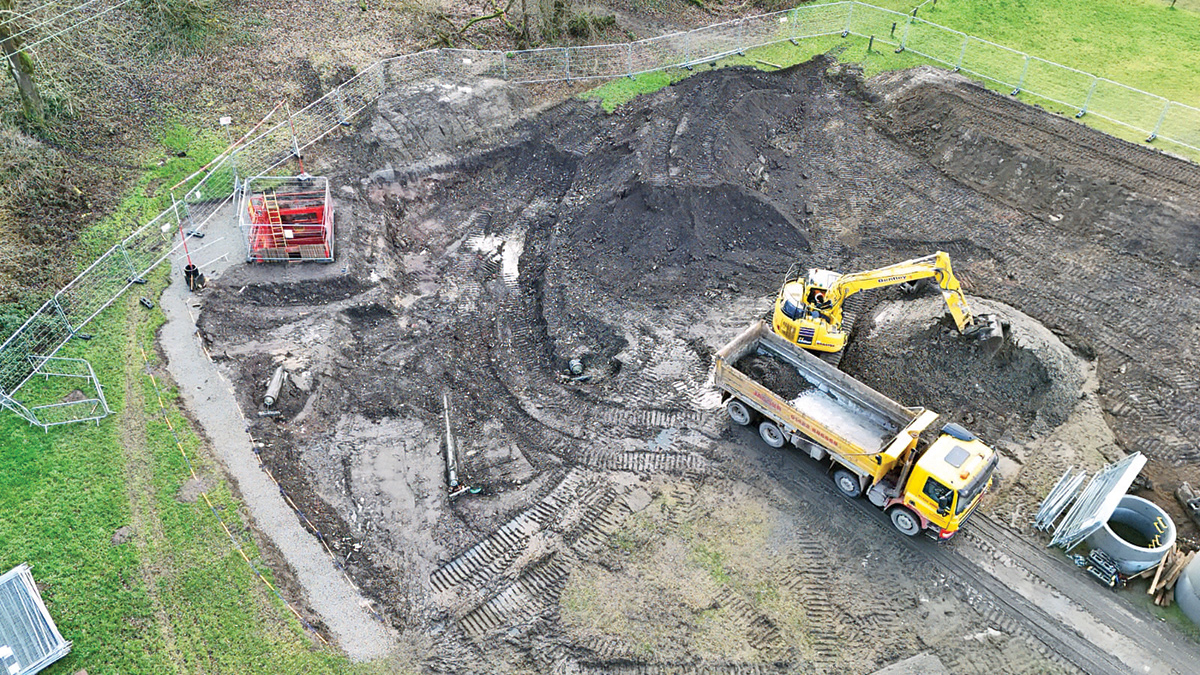
Reduced level excavation in the football pitch – Courtesy of JN Bentley
To overcome this, the site team adopted a reduced level dig approach. This involved excavating the area down to formation level across the entire footprint at an early stage, rather than constructing individual excavations for each manhole. While this approach required a greater initial investment in time and resources, it enabled the efficient installation of all manholes once formation level was achieved. As a result, overall programme performance was improved, and installation activities were completed ahead of schedule.
In addition to programme benefits, this methodology significantly reduced high-energy risks typically associated with deep excavations, such as the use of traditional manhole boxes and temporary works systems. By minimising the need for repeated excavation and reinstatement, the approach contributed to a safer and more controlled working environment.
Pipe bridge removal strategy
A critical phase of the project was the removal of the existing pipe bridge. The structure spanned approximately 30m across the River Calder and was constructed from ductile iron, resulting in substantial weight and complexity in dismantling operations. The removal process required careful consideration of site constraints, environmental risks, and health and safety requirements.
Several removal options were initially assessed, including the use of large cranes, floating pontoons, and scaffolding systems. However, due to the restricted nature of the site and load limitations on local access routes and bridges, it was determined that cranes of sufficient capacity could not be safely mobilised. Similarly, the presence of weirs both upstream and downstream of the bridge meant that there were no suitable locations to launch pontoons onto the river.
Consequently, scaffolding was identified as the only viable and safe solution for accessing and dismantling the bridge. However, this approach was subject to detailed scrutiny by the EA during the Flood Risk Activity Permit (FRAP) application process. The EA raised concerns regarding the potential for the scaffolding structure to act as an obstruction within the river channel, increasing the risk of blockage and flooding both upstream and downstream.
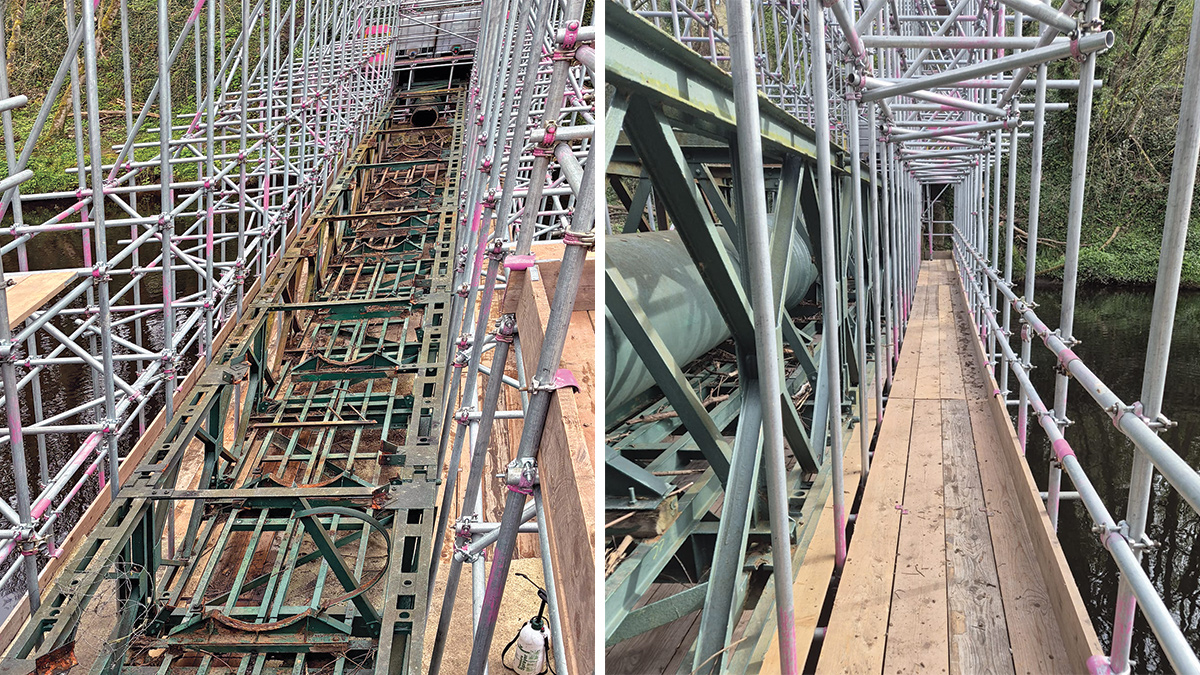
Complex temporary scaffolding – Courtesy of JN Bentley
To address these concerns, the project team undertook a comprehensive blockage analysis. This demonstrated that the proposed scaffolding arrangement would not significantly impede river flows or exacerbate flood risk under a range of design scenarios. In addition, the team maintained proactive engagement with the EA, including site visits and regular communication, to clearly articulate the safety benefits of the proposed approach compared to alternative methods.
As a result of this robust and collaborative process, the FRAP application was approved at the first submission, approximately eight weeks ahead of the timeframe indicated in EA guidance. This represented a significant programme benefit and highlighted the value of early engagement and transparent communication with regulatory stakeholders.
Burnley Road Pipe Bridge Removal: Supply chain: key participants
- Client: Yorkshire Water
- Principal designer: Mott MacDonald Bentley
- Principal contractor: JN Bentley
- Design software: Autodesk InfoWorks ICM
- Design software: HADES
- Horizontal directional drilling sub-contractor: Ken Rodney Construction Ltd
- Scaffolding: Energise Access Solutions
Temporary works & structural considerations
Following approval of the scaffolding approach, significant effort was directed towards the design and implementation of associated temporary works. One of the primary challenges was the lack of vehicular access to one side of the river, meaning that the scaffolding had to be erected from a single bank and cantilevered across the full 30m span.
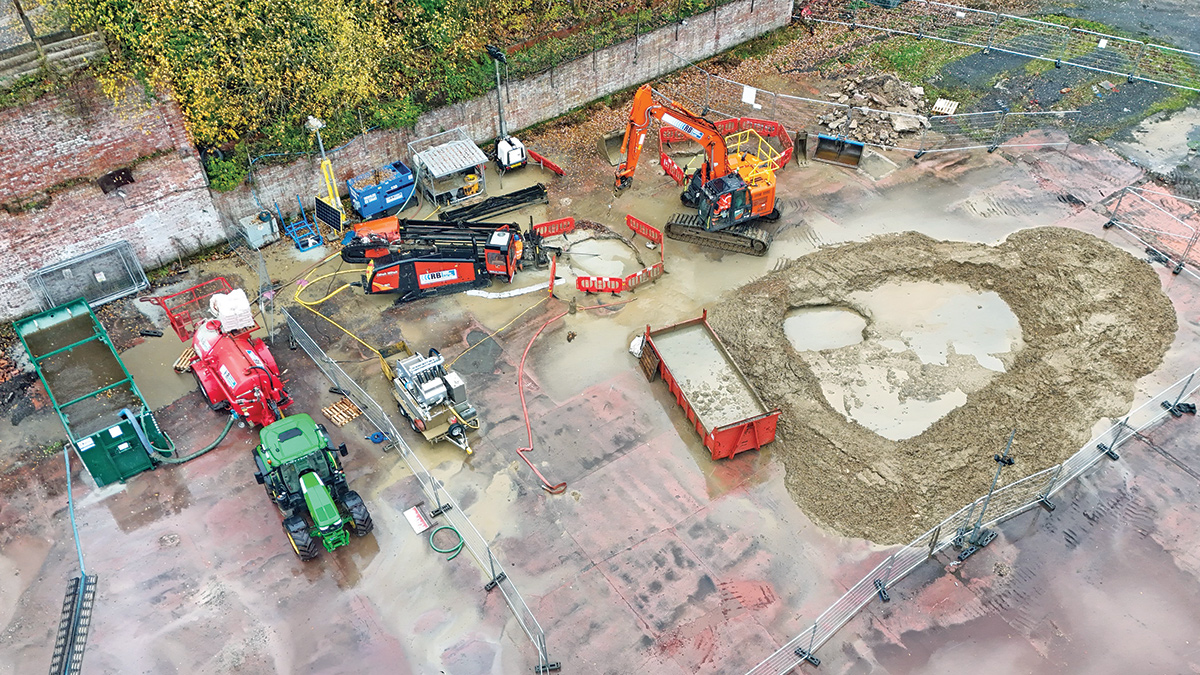
Horizontal directional drilling setup – Courtesy of JN Bentley
The scaffolding system was therefore designed to accommodate not only construction loads but also potential impact loads during dismantling activities. Specifically, it was required to withstand the full weight of the pipe bridge in the event that sections were temporarily supported or inadvertently dropped onto the deck during removal. This necessitated a highly robust design, developed by the specialist scaffolding subcontractor and verified through detailed engineering assessments.
MMB undertook additional checks to confirm that the riverbanks could safely accommodate the loads imposed by the scaffolding footings. This integrated approach ensured that all elements of the temporary works system were aligned and that risks were fully mitigated prior to construction.
Stakeholder engagement & risk management
Throughout the project lifecycle, MMB maintained clear and consistent lines of communication with all key stakeholders, including the scaffolding subcontractor, demolition subcontractor, the Environment Agency, Canals and Rivers Trust, local authority and Yorkshire Water. This collaborative approach was instrumental in identifying and managing risks at each stage of the works.
A Hazard Study Level 7 was undertaken specifically for the demolition phase, ensuring that all foreseeable risks were systematically assessed. In parallel, a Failure Modes Analysis (FMA) workshop was conducted to identify potential failure scenarios and establish appropriate contingency and emergency response plans.
These structured risk management processes provided assurance that all activities were carried out in a safe and controlled manner, ultimately enabling the successful dismantling and removal of the pipe bridge without incident.
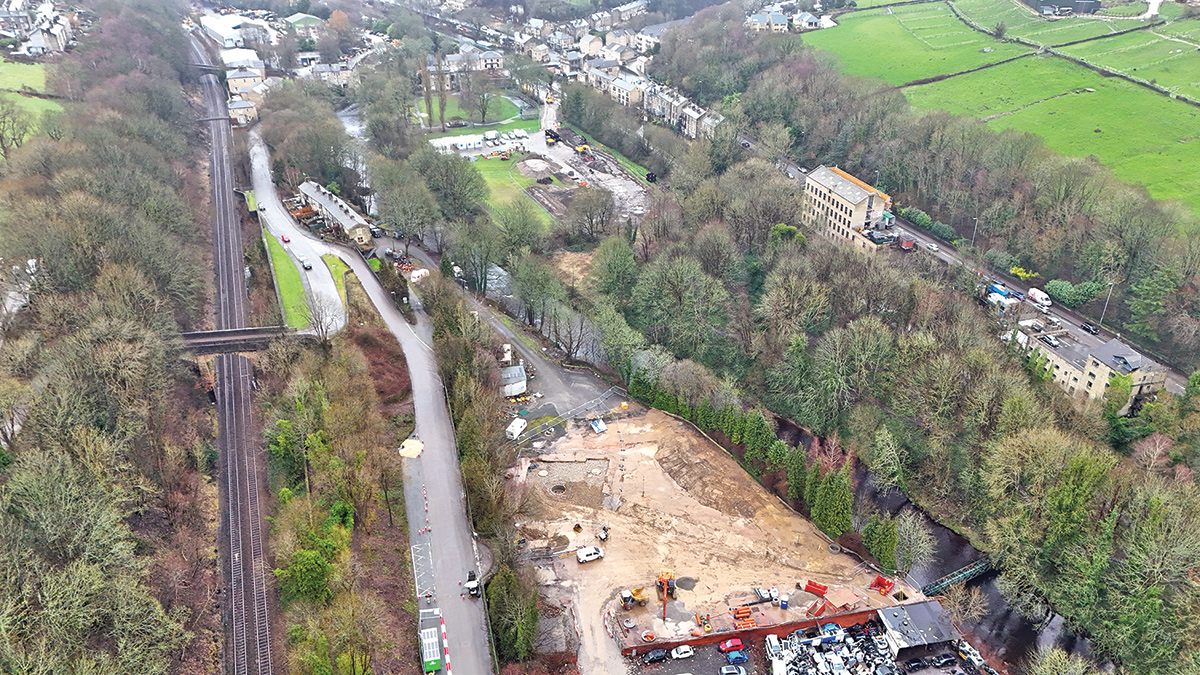
Drone photo of entire working site at the caravan park and football pitch – Courtesy of JN Bentley
Sustainability, innovation & project outcomes
Sustainability was a key consideration throughout both the design and construction phases of the project. By challenging the original outline design, the team was able to significantly reduce the extent of vegetation removal, by approximately 90%, thereby preserving local habitats and minimising ecological disruption.
Pipework design was optimised to avoid the use of concrete, reducing carbon in favour of plastic alternatives.
In addition, a series of ecological surveys, including bat and fish assessments, were undertaken to inform the construction methodology and ensure compliance with environmental regulations. MMB and JN Bentley worked closely with ecological specialists to implement mitigation measures and ensure that the works were delivered with minimal impact on the surrounding environment.
The project is approaching completion and is scheduled to be finalised by the end of May 2026. Despite challenges including adverse weather conditions, the scheme has been delivered on programme through efficient site management and proactive problem-solving. Furthermore, the project has been completed under budget, delivering cost savings for both the client and contractor while maintaining high standards of quality and safety.
A key success factor has been the adoption of a “right first time” approach, supported by close collaboration with Yorkshire Water. This has resulted in minimal snagging requirements, with all outstanding works addressed prior to demobilisation.
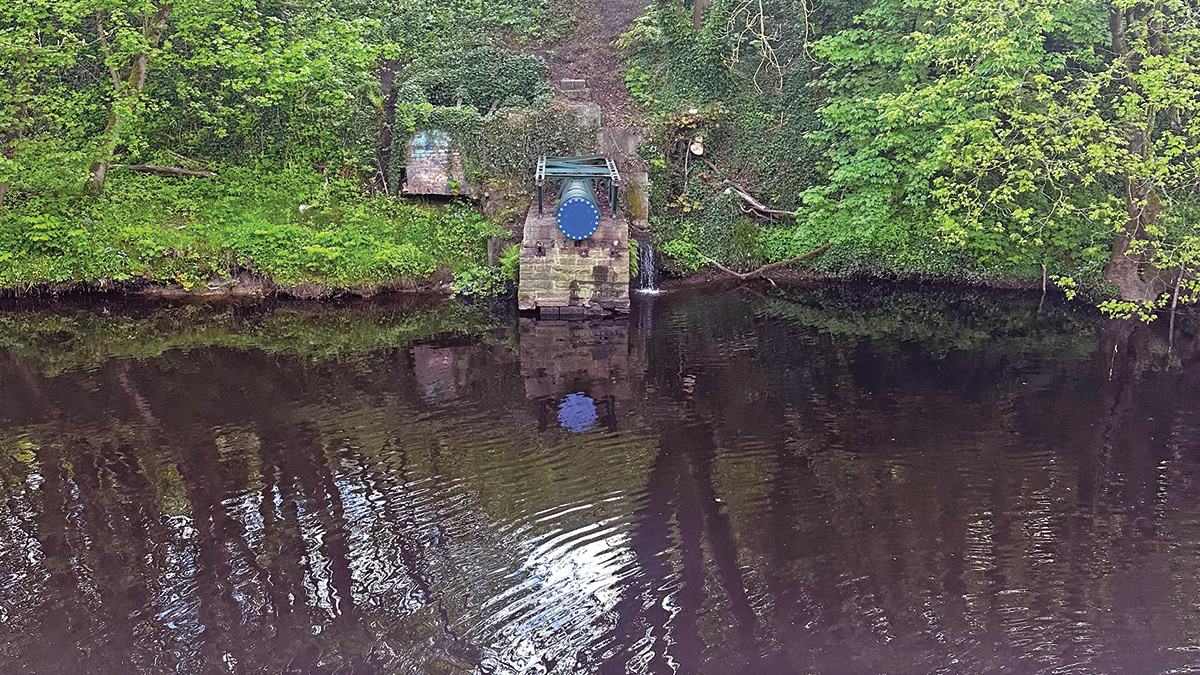
Pipe bridge after removal works complete – Courtesy of JN Bentley
Conclusion
The project has successfully delivered a modern, resilient wastewater asset that eliminates the risks associated with the ageing pipe bridge. By removing the potential for structural failure and associated pollution incidents, the project provides long-term environmental and operational benefits for the local community.
The scheme stands as an example of effective engineering innovation, stakeholder collaboration, and commitment to sustainability. The project team has taken considerable pride in its successful delivery, receiving positive feedback from both the client and local residents. The result is a future-proofed infrastructure solution that enhances the reliability of the wastewater network while safeguarding the natural environment.