
Foyle Street Network Upgrades Project (2025)
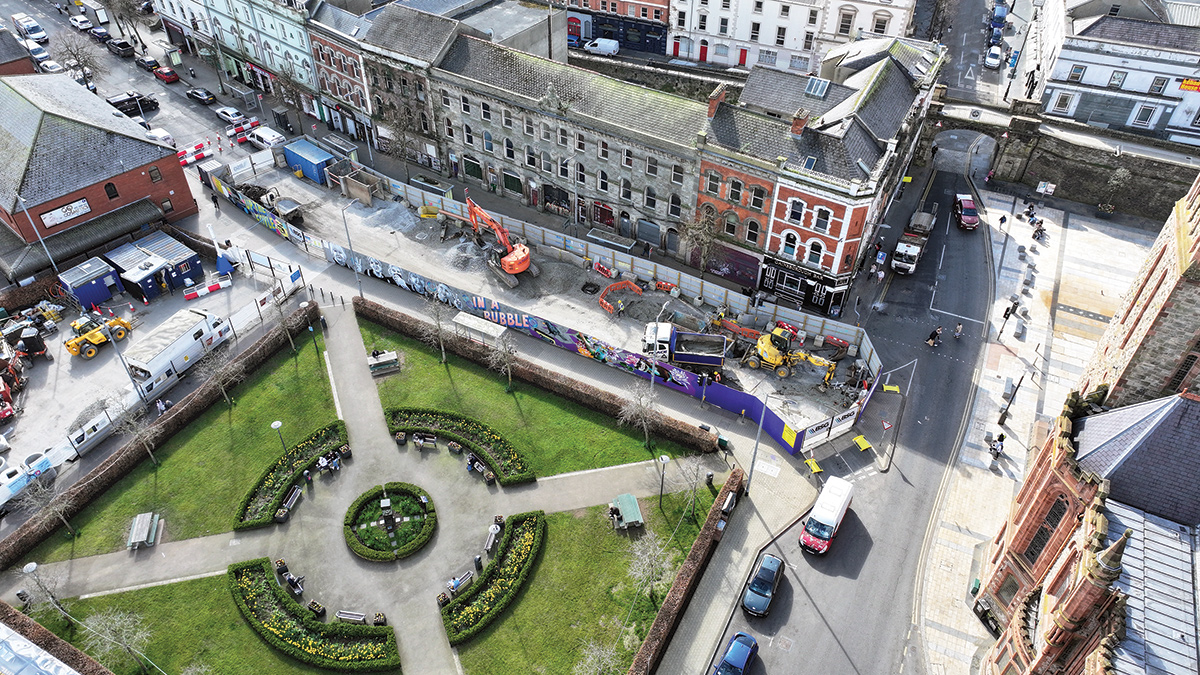
Aerial view of Foyle Street construction – Courtesy of BSG Civil Engineering Ltd
Foyle Street and Water Street are situated in the heart of Derry~Londonderry’s city centre, within the Culmore Wastewater Treatment Works Drainage Area catchment. Foyle Street is located in a busy shopping and tourist area, with Derry City’s Historic East Wall and Foyleside Shopping centre adjacent. The existing sewerage infrastructure on Foyle Street consisted of one combined 1350mm by 900mm egg shaped sewer, collecting both storm and foul flows. The existing sewerage infrastructure serves over 30+ small businesses, a major shopping centre, a bus station, a multi-storey car park and several government offices. Odour problems, and the aging state of the sewer network, became a growing concern for local stakeholders and had received media attention in recent years.
Project background & scope
The existing system bifurcated into two pathways; one leading to a trunk sewer along the Foyle Embankment, which flows north along the embankment to a pumping station and another discharging directly into the River Foyle via a surface water outfall. The sewer was therefore at risk of discharging wastewater directly to the River Foyle at various locations, potentially resulting in pollution incidents. The River Foyle is tidal, which resulted in the existing sewers being heavily silted, which had led to known grease and odour issues in the area.
The Foyle Street Network Upgrades Project was a critical investment by NI Water to extensively upgrade the existing sewer and storm network, reducing pollution and malodours while ensuring compliance with environment standards. The scheme also increases capacity to support future urban development.
To safely and efficiently execute the works, a full road closure was implemented on Foyle Street between Shipquay Street and Water Street. Prior enabling works included the relocation of city centre bus services that operated on Foyle Street to a temporary bus facility which was constructed within the existing Foyle Street car park. Pipelaying on Foyle Street commenced only once this temporary bus facility was fully operational and the road closure granted.
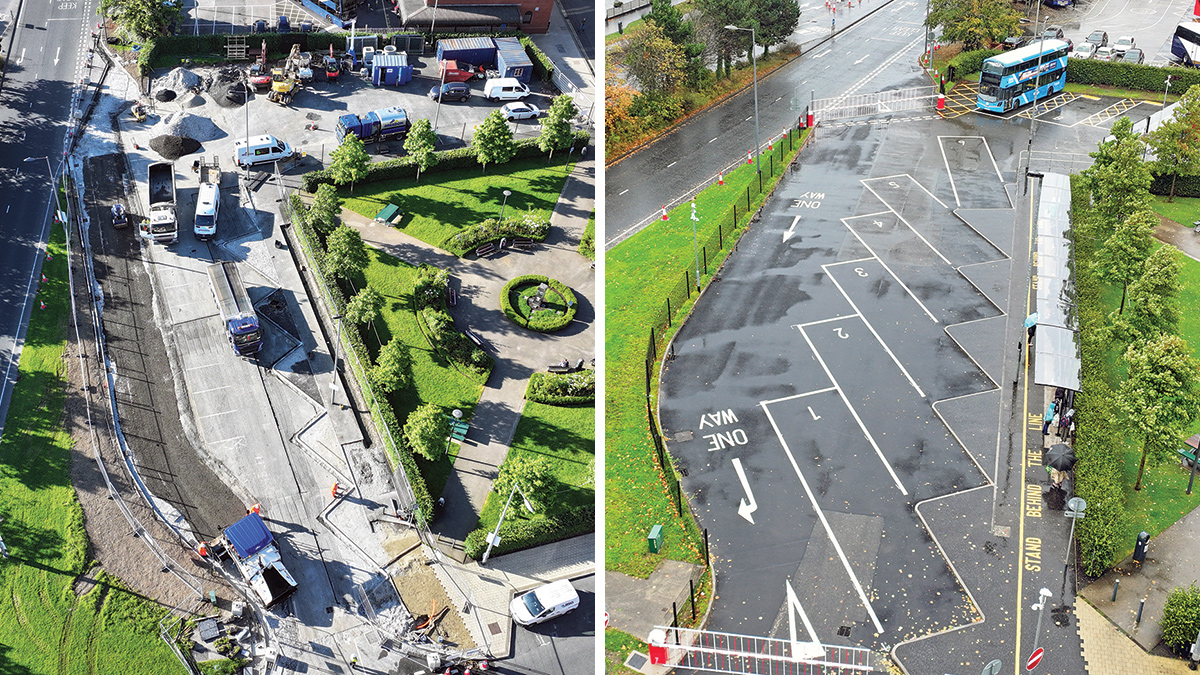
(left) Construction of the temporary bus station and (right) temporary bus station in operation – Courtesy of BSG Civil Engineering Ltd
Primary objectives
The key aims of the Foyle Street Project were as follows:
- Reduce pollution incidents to the River Foyle.
- Increase sewer network capacity and provide storm separation in the area.
- Ensure that suitable measures are put in place to help eliminate the grease and odour issues in the area.
- Achieve Northern Ireland Environment Agency (NIEA) compliance and reduce risks of fines.
- Improve customer experience and reduce the number of complaints.
- Reduce NI Water operational input and associated risks.
Foyle Street Network Upgrades: Supply chain – key participants
As principal contractor, BSG Civil Engineering Ltd held overall responsibility for delivering the project on time and within budget, a goal successfully achieved through close collaboration with the wider project team.
Arup’s role encompassed both NEC Project Management & Supervision duties, as well as responsibility for the detailed design. This involved design input from several disciplines, including drainage, geotechnical, highways and pavement engineering teams.
- Client: Northern Ireland Water
- NEC project management: Arup
- Principal designer/contractor: BSG Civil Engineering Ltd
- Designer: Arup
- Civil contractor: Phace Contracts Ltd
- Surfacing contractor: Breedon
- Traffic management contractor: Highway Barrier Solutions Ltd (HBS)
The success of this project was largely attributed to the outstanding collaboration among all the project team. From the beginning, everyone was dedicated to maintaining clear and open lines of communication. Regular check-ins and collaborative tools kept everyone on the same page, enabling the team to address issues promptly and adapt to changes when required. As a result, the project was completed on time, within budget, and to a high standard of quality, demonstrating the power of effective teamwork.
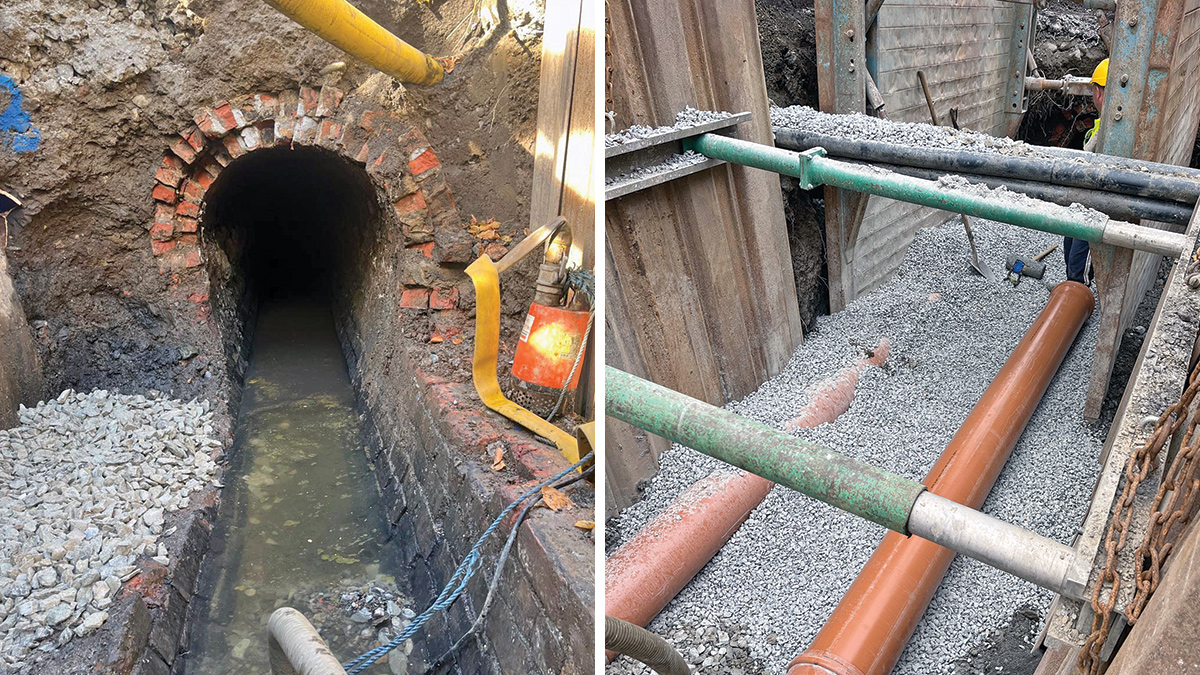
(left) Existing Victorian egg shaped sewer and (right) new foul and storm pipes – Courtesy of BSG Civil Engineering Ltd
Key risks
There were a number of key risks including:
- Ground conditions & utilities: Ahead of construction on Foyle Street, a series of slit trenches and trial holes were excavated to assess existing ground conditions and identify underground services in proximity to the proposed sewer alignment. These investigations also provided valuable insights into the road’s construction and material composition. Soil and material samples were collected for analysis to accurately determine ground characteristics. The findings were critical in informing appropriate methods for spoil classification and disposal, ensuring compliance with environmental and waste management regulations.
- Traffic management: To minimise disruption to local businesses and the general public, the work was delivered in a phased, sectional manner as per the construction phasing plan below. This approach enabled more effective control of traffic flow, site access, and safety throughout the construction period.
- Tidal ingress/egress management: Given the tidal influence of the River Foyle, construction activities were carefully scheduled around tidal cycles to maintain safe working conditions. Temporary bungs and other tidal control measures were installed as necessary to manage water ingress and egress during key phases of the works.
Early contractor involvement (ECI) & design development
An early contractor involvement (ECI) phase was undertaken as a key part of the project’s planning and risk mitigation strategy. This collaborative approach between NI Water, Arup, and BSG enabled informed decision making during the pre-construction stage and brought significant value to the delivery of the Foyle Street Network Upgrades.
During the Early Contractor Involvement (ECI) phase, Arup’s design development identified an opportunity to replace the initially proposed pumped solution with a gravity sewer. This optimisation, informed by detailed analysis and site investigations, removed the need for a pumping station, reducing programme duration, capital and operational costs, while still meeting all project objectives.
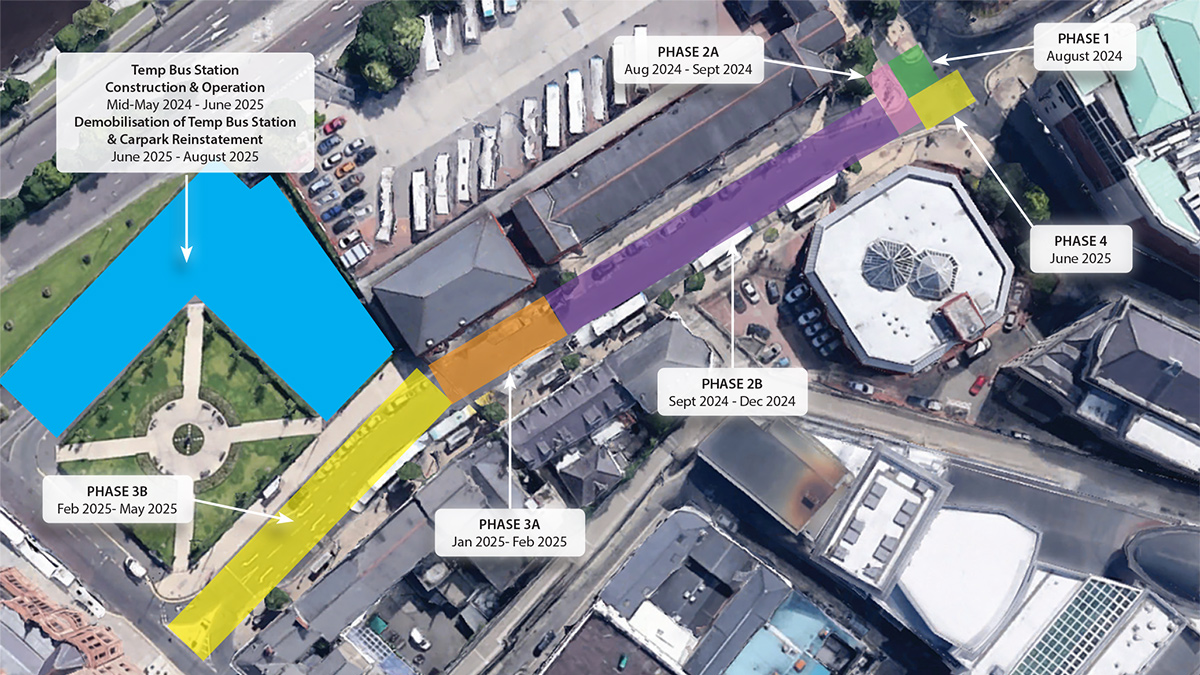
Google Maps image of Foyle Street. The highlighted areas show the construction phases – Courtesy of BSG Civil Engineering Ltd
Another critical outcome of the ECI phase was the decision to adopt an online construction strategy, installing the new sewers along the alignment of the existing combined sewer rather than pursuing an offline route. This approach was selected based on several technical, logistical, and practical considerations:
- Single trench working: Online construction allowed both foul and storm sewers to be installed within a single trench. This simplified temporary works, improved sequencing, and reduced the overall construction footprint.
- Greater confidence in lateral connections: Installing the new sewers along the same line as the existing system provided more certainty about the levels of incoming lateral connections, helping to avoid design and construction complications.
- Reduced utility clashes: The corridor of the existing sewer had fewer intersecting utilities, as many services had historically been routed away from it.
- Favourable ground conditions: The existing combined sewer had been in place for over 100 years, meaning the underlying ground had settled and consolidated over time. This provided a more stable foundation for the new infrastructure and reduced the risk of post-installation settlement.
The ECI stage also enabled a series of early investigations, including slit trenches and trial holes, to confirm ground conditions and identify buried services. In addition, the existing system was CCTV surveyed, jet-cleaned, and dye tested to check for blockages and confirm any misconnections, allowing for design adjustments before construction began.
Importantly, the ECI phase also created an opportunity to coordinate the replacement and upgrade of the existing watermain that ran along Foyle Street. Rather than delaying this work and potentially requiring future excavations and disruptive road closures, the project team opted to complete the watermain upgrade in parallel with the sewer works.
This forward-thinking decision reduced the likelihood of future inconvenience to the public and eliminated the need for another road closure in this busy city centre location.
Additionally, early stakeholder engagement formed a central part of the ECI process. Due to the project’s location and associated road closures, early and ongoing communication with local businesses, public bodies and other key city centre stakeholders helped inform phasing, traffic management, and access arrangements. This engagement proved vital in building local support, managing expectations, and ensuring that construction impacts were minimised throughout the duration of the works.
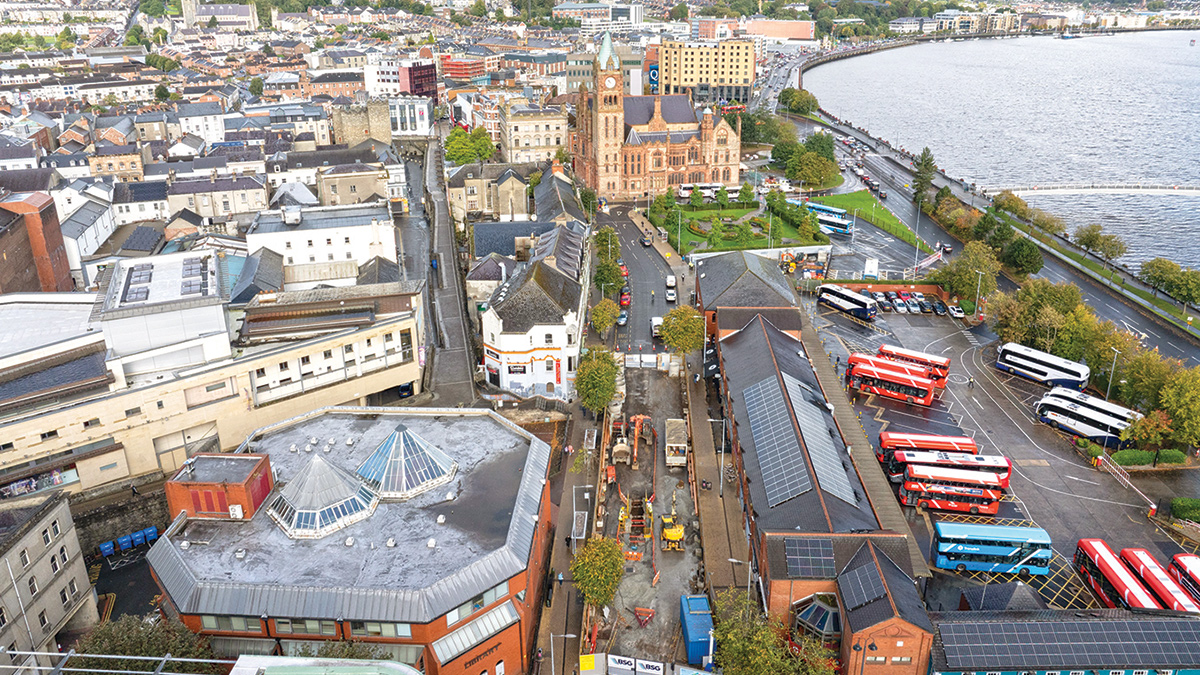
Foyle Street construction – Courtesy of NI Water
Main construction
Works commenced within the Foyle Street car park as part of the enabling phase, allowing for a phased approach to construction on the street while ensuring uninterrupted services for Translink. The existing car park was converted into a six-bay bus loading zone, along with three waiting bays.
To facilitate bus movements, a new ingress point was created from the Foyle Embankment into the car park area, with vehicle egress via the existing exit location. Automated entrance and exit barriers were installed to manage height restrictions and bus shelters were provided for passenger convenience.
As part of this reconfiguration, Arup’s designers liaised closely with the Department for Infrastructure (DfI) and undertook a road safety audit to ensure the temporary arrangement met all safety requirements. With these modifications in place, a phased plan for bus operations and passenger access was implemented, enabling the main network upgrades to commence at the Water Street junction.
Phase 1 of the upgrade involved works at the first access chamber, an existing manhole containing a 300mm pipe connected to an existing outfall pipe leading to the River Foyle. Within this chamber, a Tideflex valve was installed prior to commencing pipelaying activities. Approximately 15m of pipe were then laid to reach the first newly constructed storm manhole and a new foul manhole which provided the connection into the existing foul line. These two manholes, positioned side by side, formed the starting point of the new foul and storm lines along Foyle Street, linking into various other manholes installed in accordance with the detailed design specifications.
Foyle Street construction – Courtesy of NI Water
To ensure the safety of the workforce, public, pedestrians, and local stakeholders, secure hoarding was installed around active work areas, marking the start of Phase 2A/B. As part of the stakeholder-focused approach, a local artist decorated the hoarding with designs promoting the local community and creating a more visually appealing area during construction. The works were carefully phased to minimise disruption and maintain access for essential services like deliveries and taxis, helping local businesses and residents maintain a sense of normality. A manned barrier was also positioned to manage access effectively and promptly address stakeholder needs throughout the project.
Various temporary works were used to manage existing services and laterals. Over-pumping was initially required to control tidal ingress, a challenge that eased as construction moved further along the street. A vacuum excavator was employed to safely expose critical services, reducing the risk of strikes in the complex and densely serviced city centre environment.
Phase 2A/B progressed ahead of schedule, allowing the decision to be made to remove all hoarding and fully reopen the road for one month over the 2024 festive period. This provided improved access during a time of heightened activity for local businesses. Following the festive break, works resumed in January 2025 with the commencement of Phase 3A/B. Adjustments were made to the layout of the open side of the street to maintain delivery and taxi access, while also enhancing accessibility for blue badge motorists. Hoarding was reinstated and pedestrian ramps were introduced to ensure safe passage through the area.
Upon completion of the twin sewer installation, the existing 10” cast iron watermain, was replaced with a new 225mm PE pipe along with updated valve arrangements. Given the poor condition of the existing infrastructure, it was deemed prudent to undertake this work concurrently with the sewer works. This proactive approach minimised future disruption to the public and city centre stakeholders.
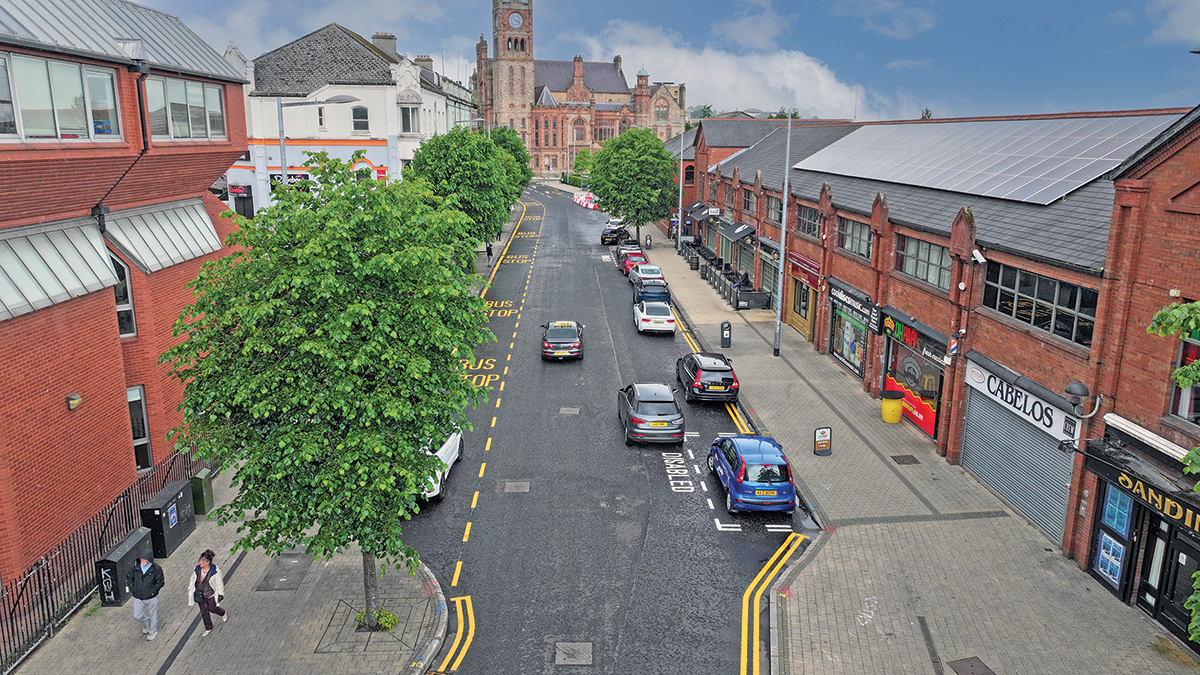
Foyle Street reopened – Courtesy of BSG Civil Engineering Ltd
During the construction of the water main, one of the key challenges was locating the unknown positions of tees and valves on the existing asset. To overcome this, a non-intrusive under-pressure CCTV technique was procured by BSG Civil Engineering Ltd, successfully identifying these features. Without this approach, extensive excavation works would have been required, leading to additional disruption, cost and time.
Phase 4 involved constructing a new manhole at the junction of Foyle Street and Water Street. Works in this area required intercepting an existing storm lateral that previously discharged into the culvert. This lateral was redirected into the existing storm chamber at Orchard House, which contains a Tideflex valve as mentioned in Phase 1.
A Manhole was installed at the head of the existing culvert line within the junction, providing a dedicated jetting point to facilitate future maintenance and de-sludging.
Following completion of works in the Foyle Street area, a full kerb-to-kerb road overlay was carried out, including a section of the Water Street junction, in agreement with DfI. This allowed normal traffic and Translink buses to return to Foyle Street, enabling the temporary bus facility to be decommissioned and reinstated as a car park on a like-for-like basis.
Project timeline
| DATE | PROJECT MILESTONE |
| January 2023 | Early Contractor Involvement phase start |
| April 2024 | Early Contractor Involvement phase finish |
| May – August 2024 | Construction of temporary bus facility for Translink |
| August 2024 | Phase 1 construction |
| August – September 2024 | Phase 2A construction |
| September – December 2024 | Phase 2B construction |
| January – February 2025 | Phase 3A construction |
| February – May 2025 | Phase 3B construction |
| June 2025 | Phase 4 construction |
| June – August 2025 | Demobilisation of temporary bus facility and reinstatement of car park |
| September 2025 | Project completion and handover |
Stakeholder engagement
NI Water and the project team were acutely aware of the potential negative impacts arising from such a large-scale pipeline project and from an early stage embarked on a strategic communications strategy to ensure key stakeholders were informed of the works and kept updated throughout.
As part of the public relations strategy the project team held early briefings with a range of stakeholders including elected representatives; Derry City & Strabane District Council; Department for Communities; Department for Infrastructure (DfI); Translink; City Centre Initiative; Londonderry Chamber of Commerce; Visit Derry; Millennium Forum; Foyleside Shopping Centre; taxi companies, coach operators and local businesses.
Dedicated briefings were held for businesses on Foyle Street and questionnaires circulated to capture the operational needs of all the shops in the area. The information gathered was fundamental in shaping the different phases of the project and helped keep disruption to a minimum.
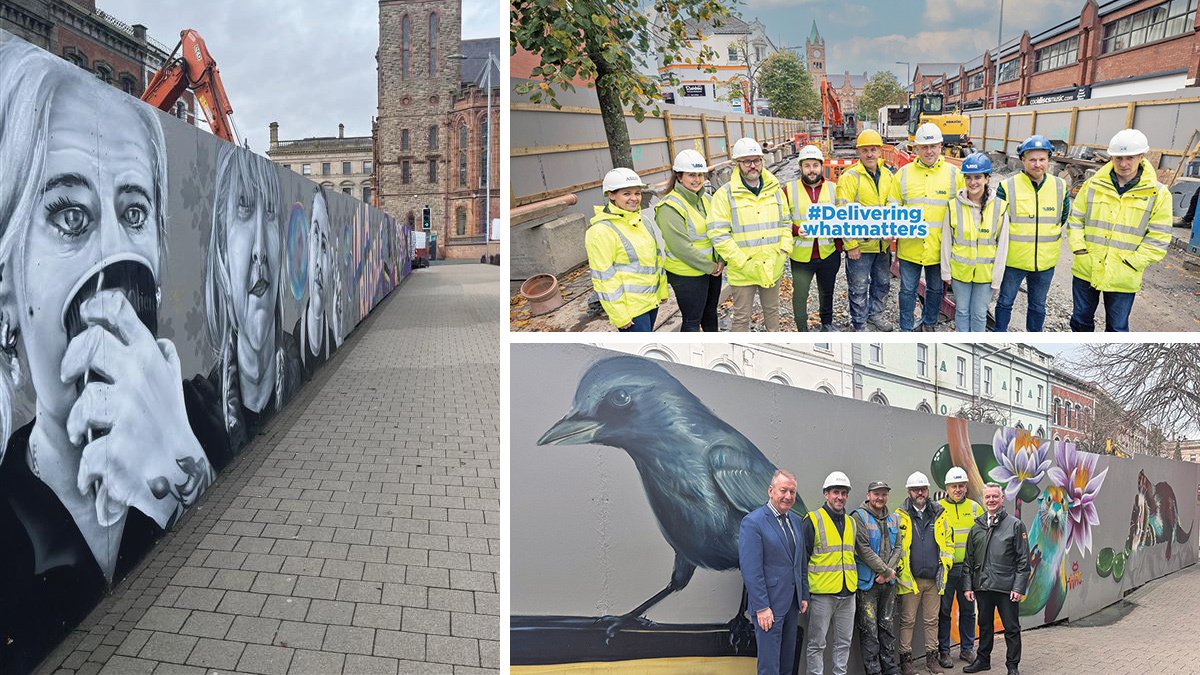
Foyle Street project team with City Centre Initiatives and street artist at painted hoardings – Courtesy of NI Water
Letter drops and project updates were circulated to stakeholders in advance of each new phase of work commencing and press releases issued to the local media to keep the wider public informed. Signage and variable message boards were erected on the main routes to Foyle Street and large-scale project boards helped to convey the huge investment being made by NI Water and the resulting benefits for the city.
Street art and children’s paintings adorned the construction hoarding to improve the visual appearance of the works area and boards, highlighting the historical importance of the area, which created further interest and information for passers-by.
NI Water and the project team are indebted to the myriad stakeholders for their help during the year-long project. Completing the work on Foyle Street ahead of schedule is a testament to the scale of support received and the close working relationships developed.
Conclusion
The Foyle Street Network Upgrades Project was completed ahead of schedule and under budget, successfully achieving its primary objectives of enhancing sewer capacity, reducing pollution and odour issues, and ensuring compliance with environmental regulations. Stakeholder engagement was central to the project’s delivery, contributing to its smooth execution and overall success.
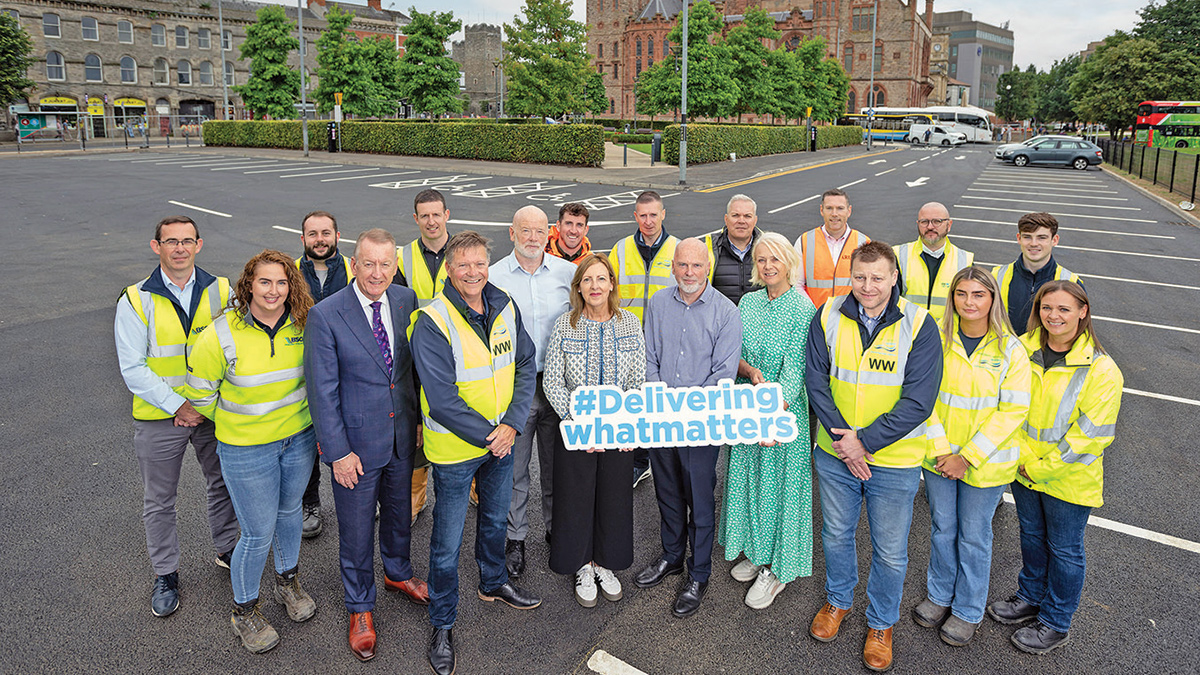
Foyle Street project team and local stakeholders - Courtesy of NI Water

 Download PDF