
High Water
Acacia Hall – Weir Narrowing Works
Acacia Hall - Weir Narrowing Works
Project Overview
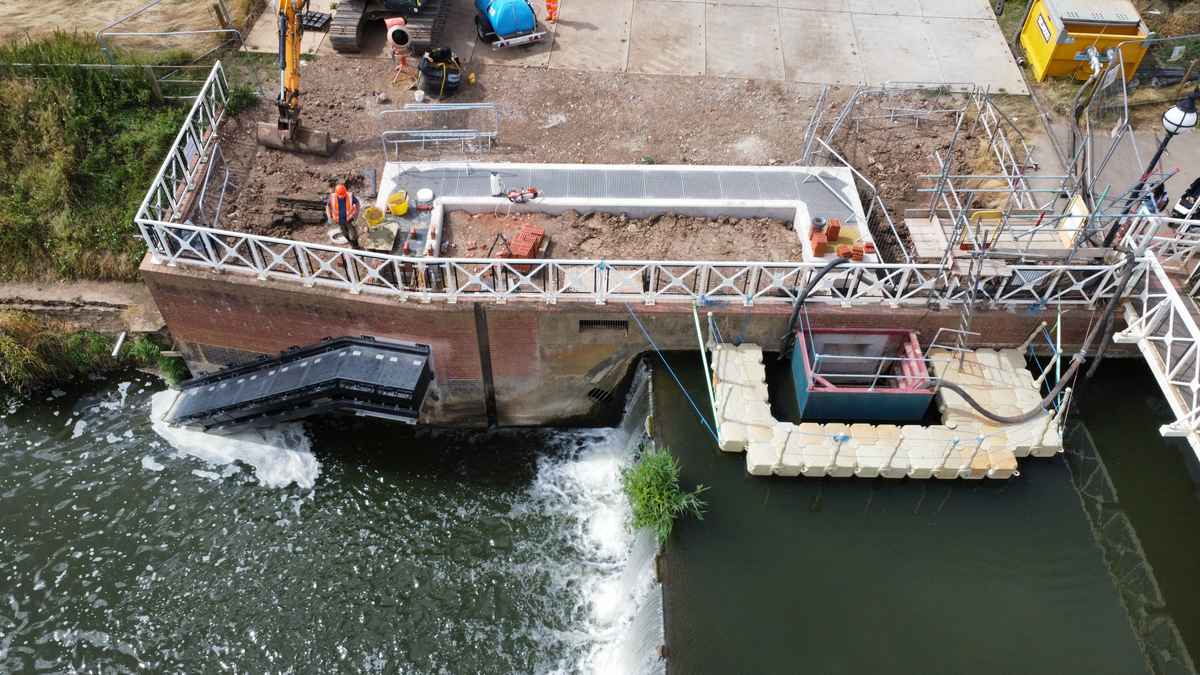
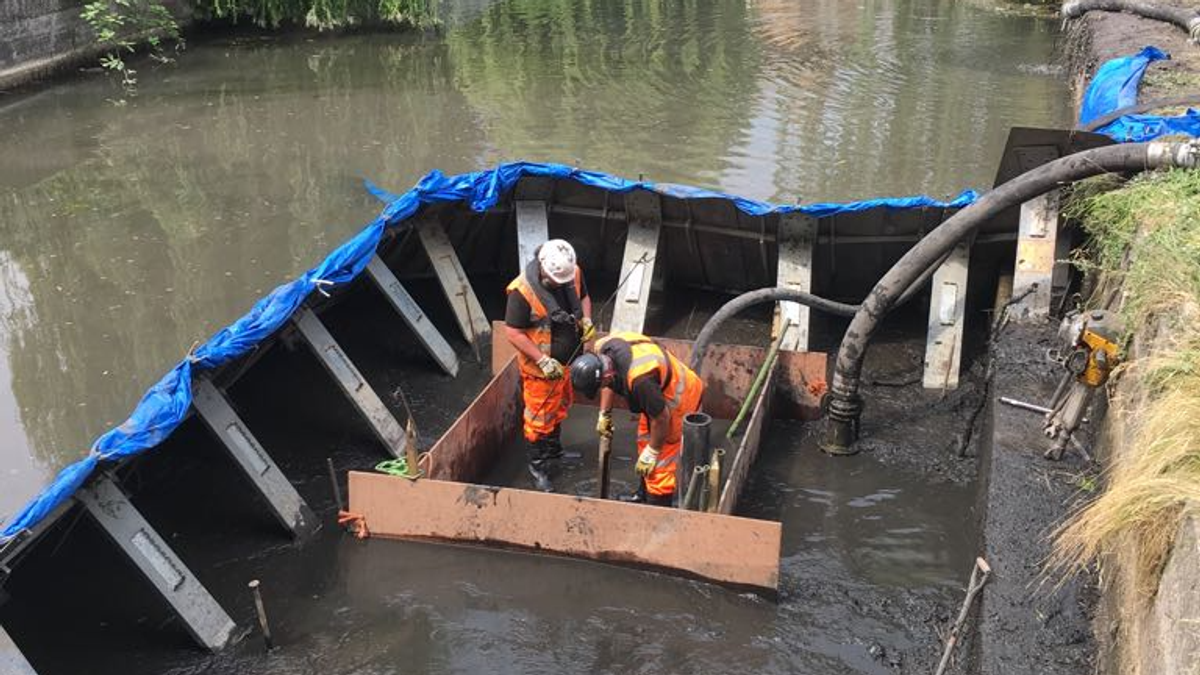
Modifying an existing weir requires careful management of the watercourse to provide suitable conditions for construction. At Acacia Hall, the planned weir-narrowing works involved reinforced concrete construction within the river environment. Temporary water control was required to establish a defined working area around the structure, allowing the construction activities to progress while managing the flow of water through the site.
Developing a suitable arrangement required consideration of the existing weir, the river conditions and the space available for the temporary works. Flow information was limited during the planning stage, so assumptions regarding the site conditions needed to be recognised in developing the proposed solution. The available project information included an assumed river depth of no more than 1.25 metres, an important consideration when assessing the requirements of the temporary dams.
High Water Solution
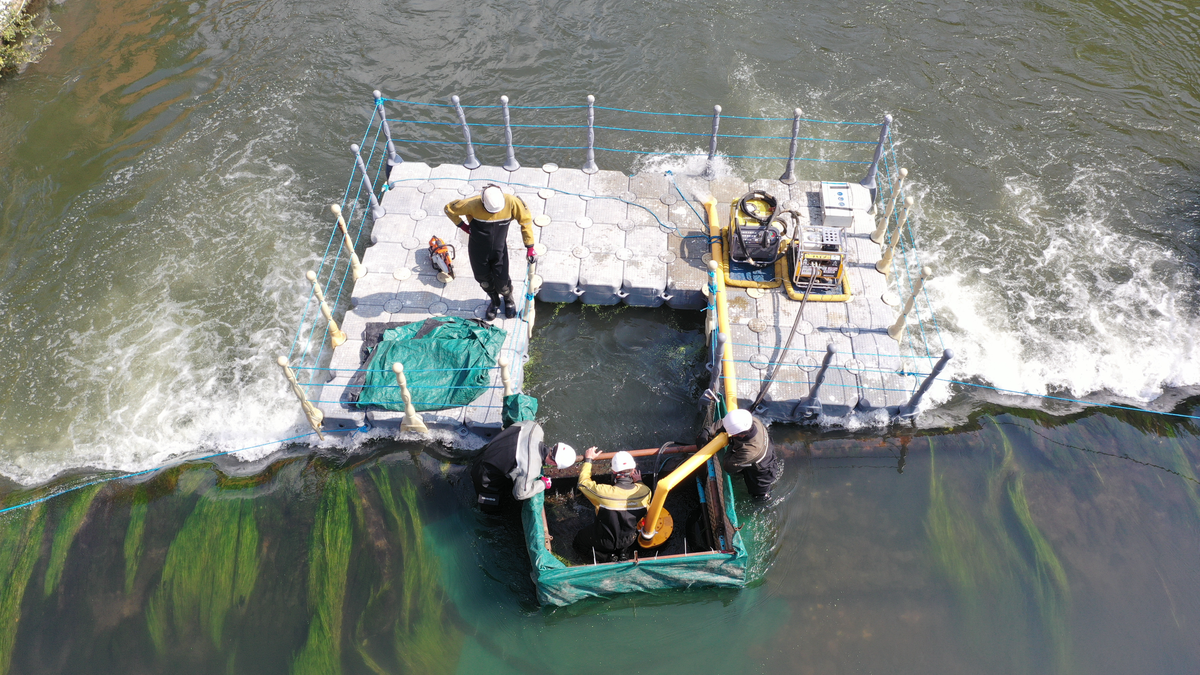
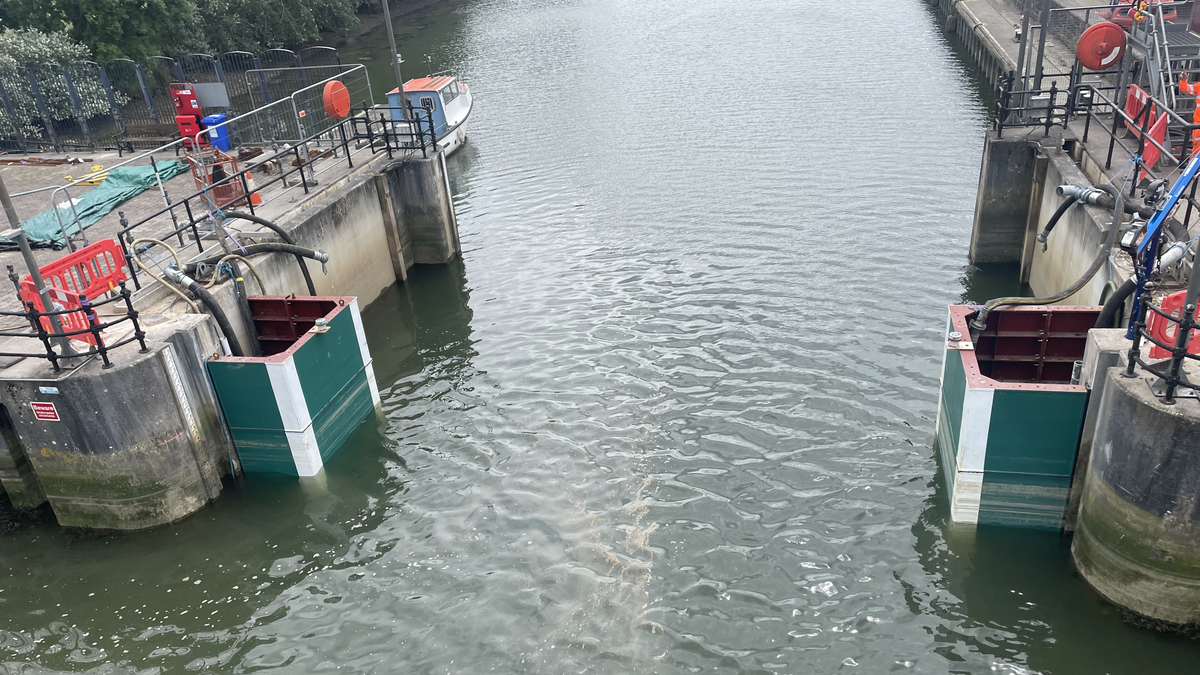
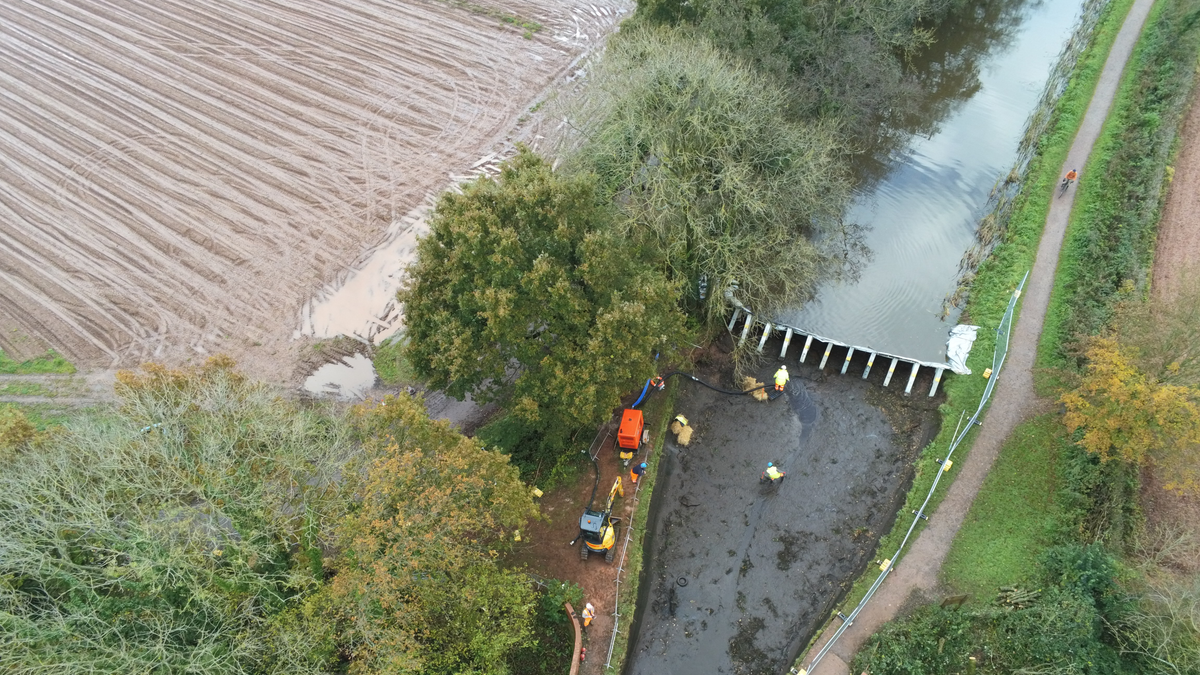
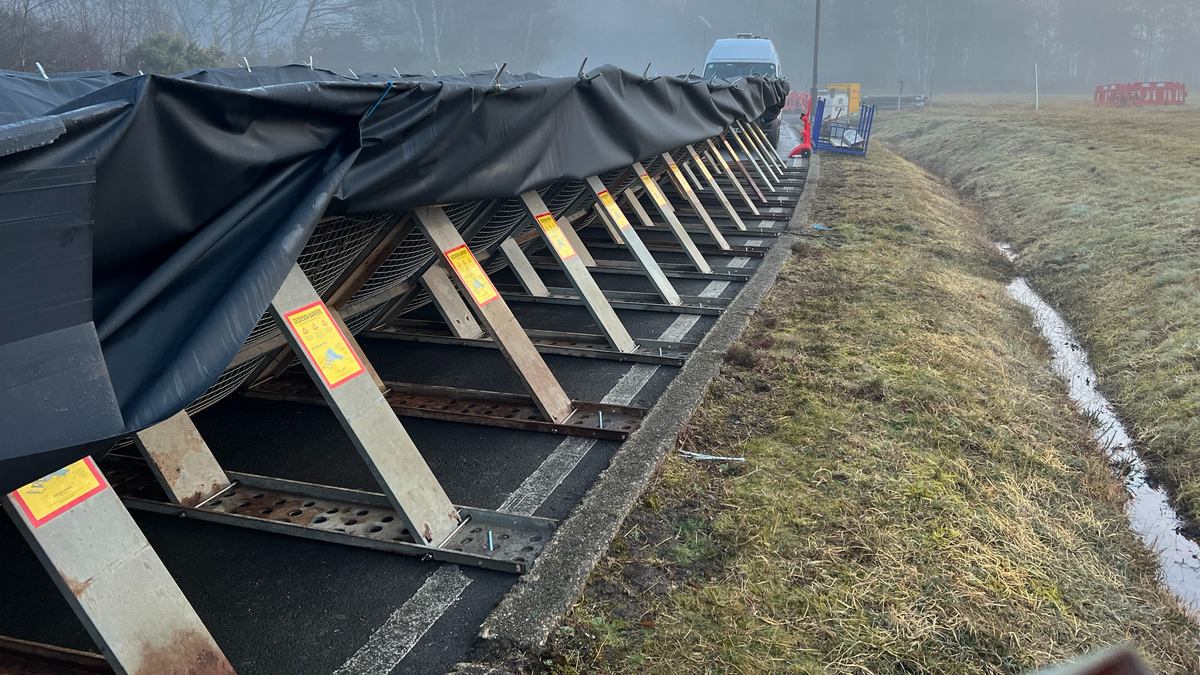
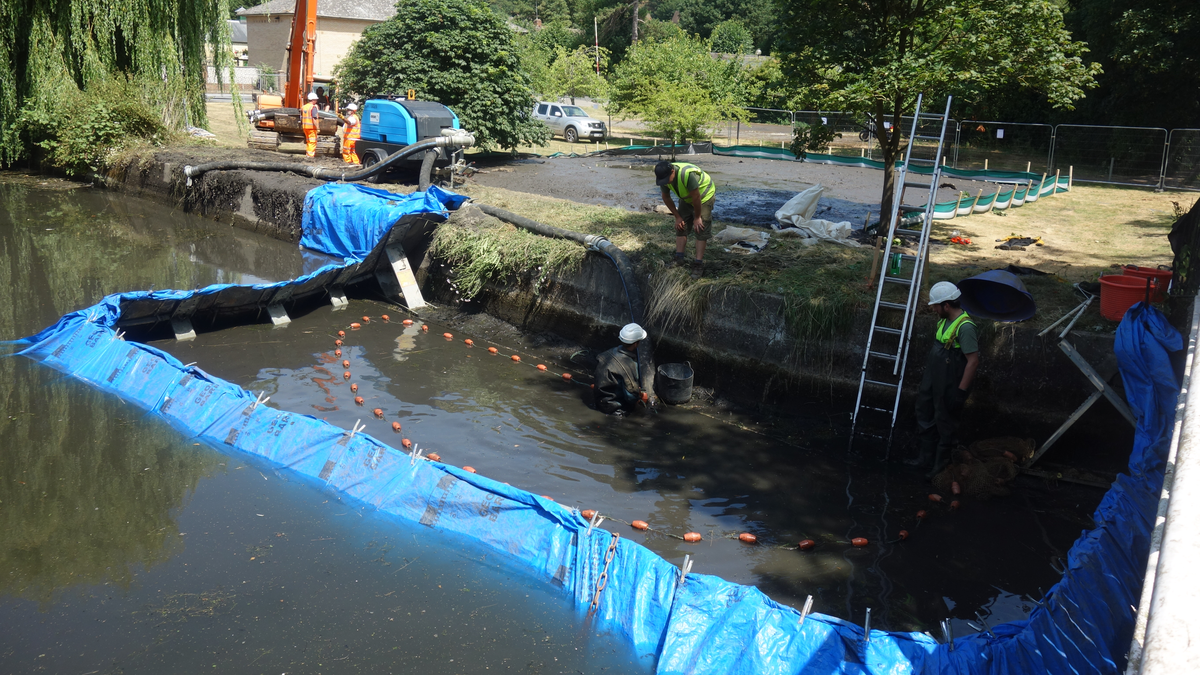
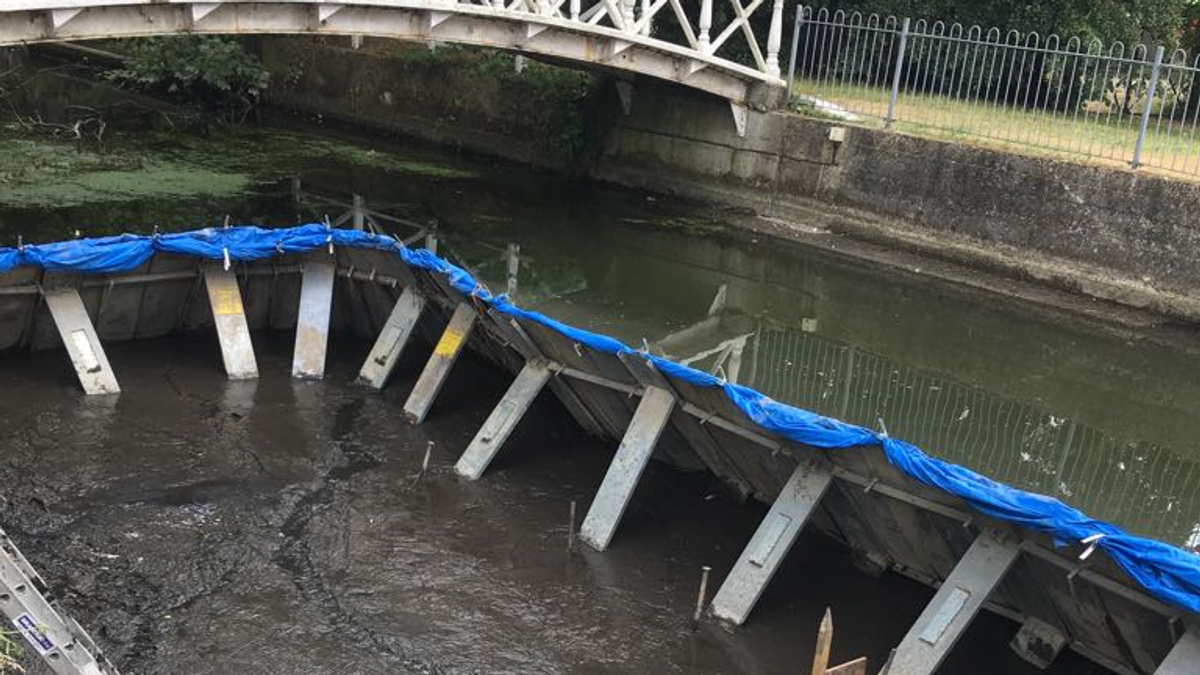
High Water provided temporary dams upstream and downstream of the work area to establish the required isolation arrangement. Positioning dams on both sides of the works created a controlled section of the watercourse in which the reinforced concrete construction could be undertaken.
The arrangement was developed around the requirements of the weir-narrowing project, with the temporary works forming part of the wider construction approach. As with any river-based isolation, the suitability of the arrangement depends on the conditions at the site and the assumptions used during planning. Confirming water levels, flow conditions and the requirements of the construction sequence is therefore an important part of developing the temporary works solution.
The Outcome
The upstream and downstream dams provided temporary isolation to support the weir-narrowing and reinforced concrete works. The solution enabled the project team to establish a defined working area within the river environment.
The project illustrates the importance of matching temporary water-control equipment to the physical conditions and construction requirements of a site. Effective planning is particularly important where available flow data is limited and assumptions must be considered as part of the engineering approach.
For More Information, contact us at https://www.high-water.com/