

Hill View Road CSO (2026)
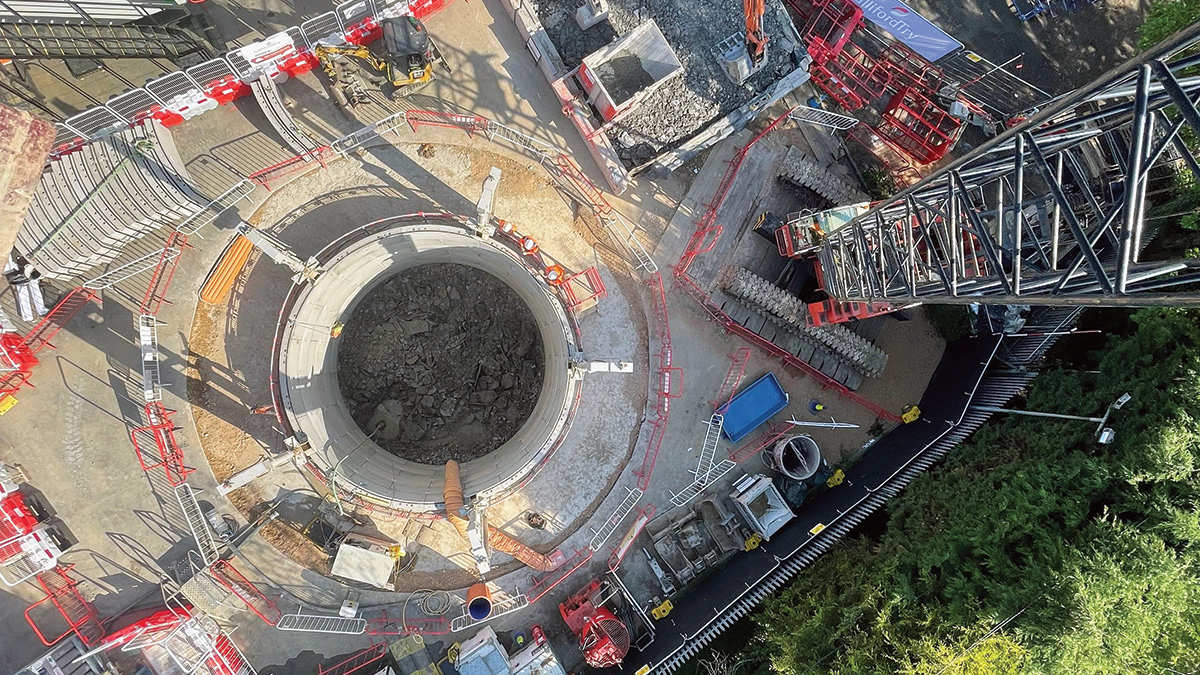
Construction of the Hill View Road storm tank underway - Courtesy of Galliford Try
The Hill View Road Combined Sewer Overflow (CSO) is located within a constrained residential catchment in Brimington, Chesterfield. Historic performance data identified spill frequencies approaching 100 events per annum, significantly exceeding current regulatory expectations. As part of Yorkshire Water’s Storm Spill Reduction Programme (SSRP), the scheme aimed to reduce spill frequency to a maximum of ten events per year through the provision of additional storage capacity, within a site footprint of approximately 0.1ha and in close proximity to existing residential and commercial infrastructure.
Hydraulic & civil solution
The selected solution comprised the design and construction of a new concrete shaft tank providing offline storm storage. During storm events, excess flows from the existing CSO are intercepted and diverted into the new structure. Once flows subside, stored volumes are returned to the sewer network via pumped discharge, utilising available downstream capacity.
The shaft measures approximately 7.5m internal diameter and up to 12.5m depth, providing over 300m³ of effective storage, exceeding the minimum hydraulic requirement of 270m³. A fully passive overflow route allows flows to revert to the existing CSO arrangement during exceedance events or power failure, ensuring resilience and preventing upstream surcharge.
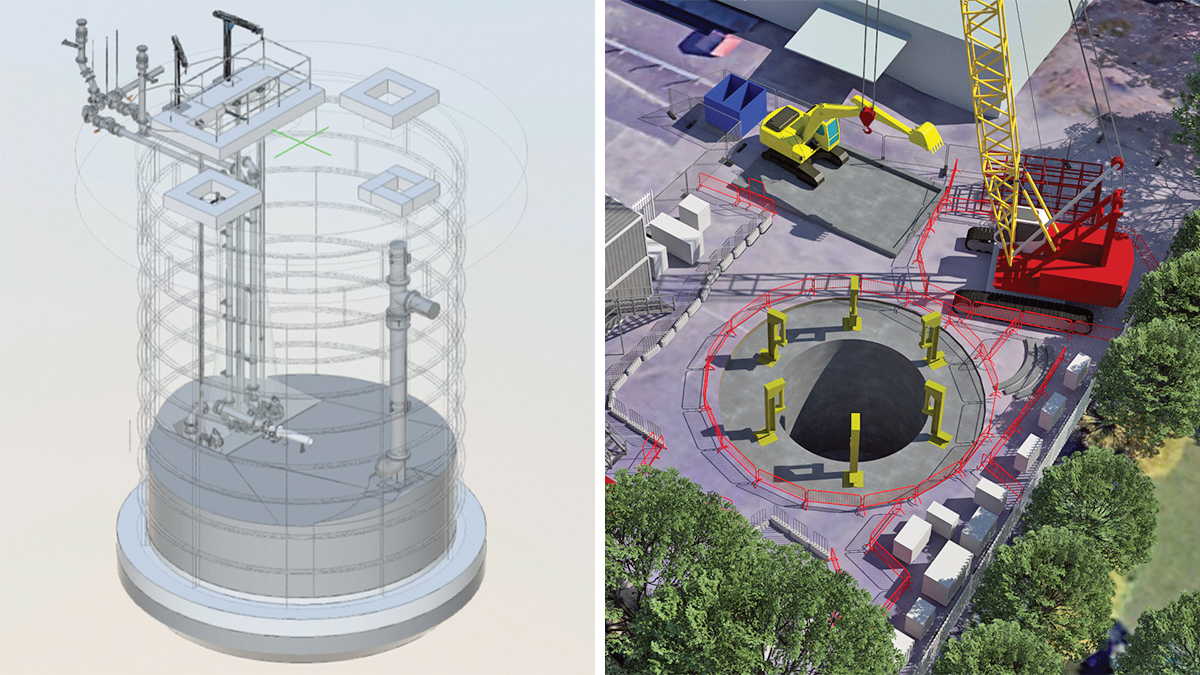
(left) Revit model and (right) digital visualisation – Courtesy of Galliford Try
Ground risk & shaft foundation design
The principal technical challenge was managing geotechnical uncertainty associated with historic coal mining activity. Early desk studies and intrusive ground investigation indicated the potential presence of coal seams or voids at, or close to, shaft formation level, introducing uncertainty around bearing capacity and uplift resistance.
An initial worst-case solution was developed incorporating a substantial mass concrete flotation plug at the shaft base. To support efficient optioneering, the design team employed parametric shaft design tools, enabling rapid assessment of shaft diameter, base thickness, collar geometry and flotation performance as assumptions evolved.
As excavation progressed, further inspection confirmed that the shaft location was clear of coal seams at formation level. This allowed the foundation design to be re-evaluated and optimised, removing the mass concrete beneath an underreamed base.
The revised solution satisfied all stability and flotation requirements while removing approximately 80m³ of concrete. This reduced excavation volumes, muck away, lifting operations and programme duration, while delivering a measurable reduction in embodied carbon.
Digital design & constructability
Outputs from the parametric design tools were directly integrated into a three dimensional BIM model developed in Revit. The model was used to coordinate reinforcement, penetrations and construction sequencing, improving buildability and reducing the risk of late-stage design changes.
Particular attention was given to the shaft collar and cover slab arrangement. Traditional approaches often require significant temporary works and post-installation modification to accommodate service penetrations. At Hill View Road, penetrations for ventilation, cabling and chemical dosing were sleeved and cast integrally during construction, eliminating secondary works and reducing manual handling, cutting and vibration risks.
The cover slab was designed without beams or post installed openings, simplifying construction and long-term maintenance.
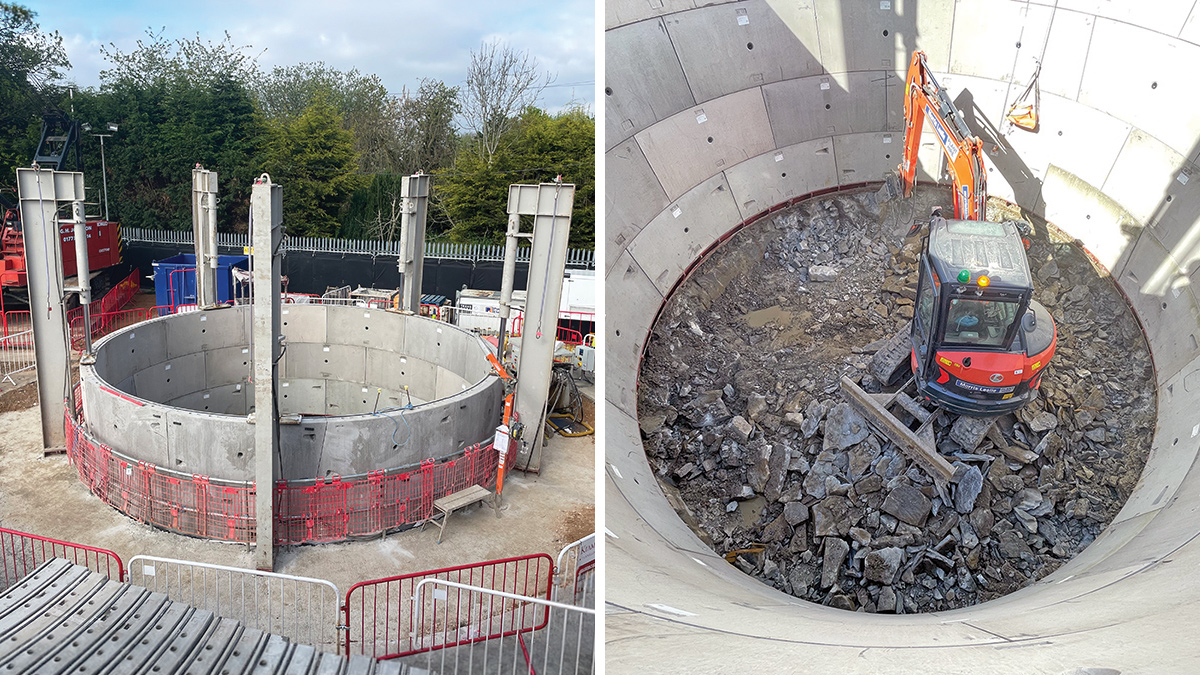
(left) Commencement of shaft sinking and (right) excavation to formation – Courtesy of Galliford Try
Working within a constrained footprint
The restricted site footprint presented a further challenge, requiring accommodation of the shaft, valve chamber, lifting operations, welfare facilities, materials storage and access routes within a tightly defined boundary.
Digital site visualisation and construction sequencing models were used to verify the safe and efficient layout of all elements. Applied later in the project, they confirmed that storage areas, pedestrian segregation, plant positions and exclusion zones were robust and fit for purpose.
This approach resulted in a stable and predictable construction sequence, minimising congestion, rehandling and interface risk despite the constrained site.
Trenchless installation & environmental constraints
The rising main route between the existing CSO and the new shaft was constrained by mature trees and environmental sensitivities. Open cut installation would have required excavation within root protection areas, posing a risk to established vegetation.
A trenchless installation methodology was therefore adopted, enabling installation without disturbing sensitive areas. This reduced surface disruption and simplified reinstatement while maintaining alignment accuracy and construction quality.
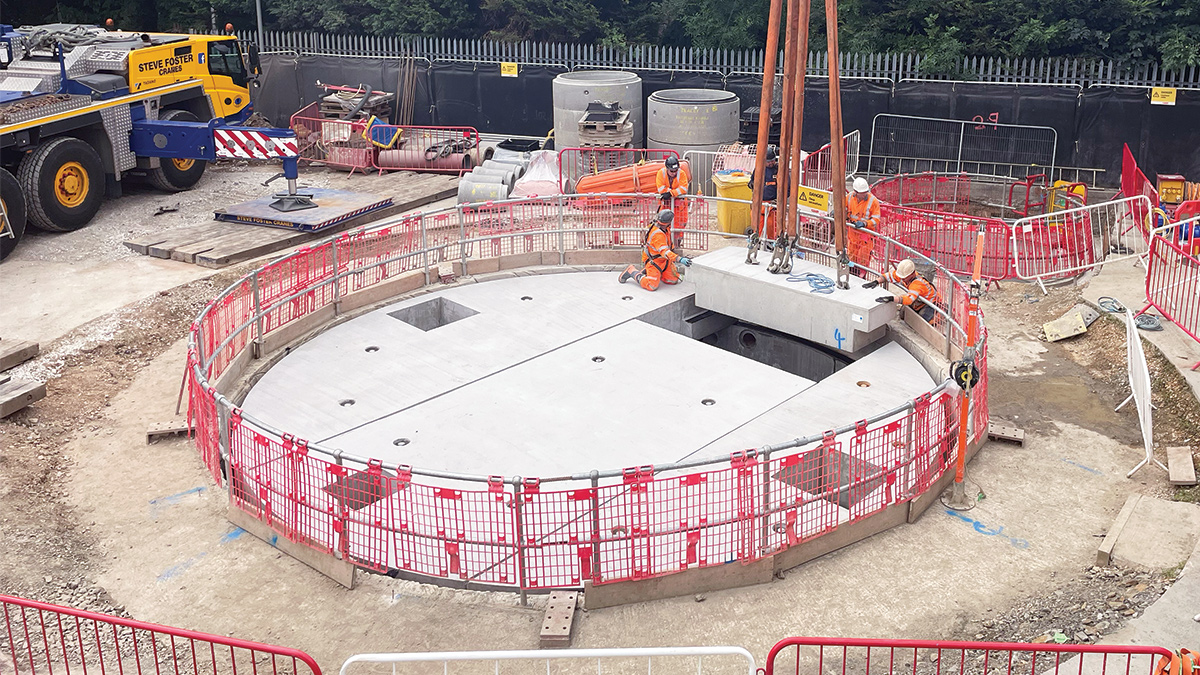
Cover slab placement – Courtesy of Galliford Try
Screening & operational performance
To protect downstream assets and enhance operational reliability, flows entering the shaft pass through an existing 6mm two-dimensional mechanically cleaned screen prior to storage. This prevents ingress of solids and debris, reducing maintenance requirements and the risk of pump blockage.
Ultrasonic level monitoring controls the pumped return of stored flows to the sewer network once storm conditions subside. The system is configured to maximise use of available downstream capacity while safeguarding against surcharge.
Hill View Road CSO: Supply chain – key participants
- Main contractor & temporary works: Galliford Try
- Designer: GHD
- Shafts, tunnelling & civil engineering: KIAMM Ltd
- Electrical installation: Main Electrical Ltd
- MCC & kiosks: Bridges Electrical Engineers Ltd
- Pumps: Xylem Water Solutions
- Water treatment plant: Siltbuster Group
- Shaft sections & cover slabs: FP McCann Ltd
- Access covers: Steelway Brickhouse
- Site security & construction timelapse: Wireless CCTV Ltd
- Generator hire: Power Electrics
- Plant hire: Morris Leslie Plant Hire
Programme optimisation
To support efficient delivery, design acceptance was split into two phases. The civil design for the shaft and associated structures was approved ahead of completion of the mechanical and electrical design.
This enabled excavation and structural works to commence earlier, while detailed MEICA design progressed in parallel. It is estimated that this approach reduced the overall programme by approximately five weeks, without introducing additional technical or commissioning risk.
Hill View Road CSO: Construction Timelapse – Courtesy of Wireless CCTV Ltd
Outcomes
Commencing on site in April 2025 and completing in November 2025, the £2.5m Hill View Road CSO project has delivered:
- Over 300m3 of additional storm storage.
- Approximately 85% reduction in spill frequency.
- Removal of around 80m3 of concrete through foundation optimisation.
- Reduced excavation depth and construction duration.
- Improved operational resilience and maintainability.
- Safe and efficient delivery within a constrained urban site.
Conclusion
The Hill View Road CSO project demonstrates how early engagement with ground risk, supported by parametric digital design tools and informed engineering judgement, can deliver efficient and robust infrastructure solutions.
Despite its relatively modest scale, the scheme required careful management of geotechnical uncertainty, site constraints and constructability. The use of digital optioneering, integrated modelling and design for construction detailing enabled reductions in material use, programme and risk, while achieving a significant improvement in environmental performance.
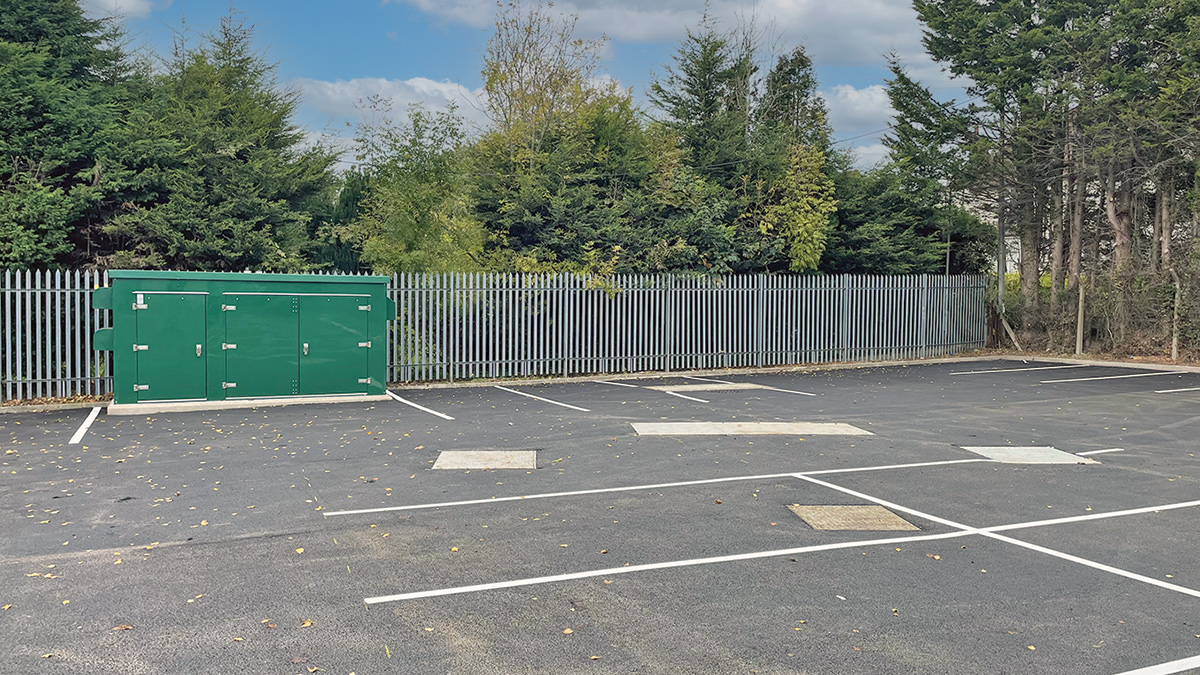
The completed project following reinstatement - Courtesy of Galliford Try