
Shortlands WBS (2026)
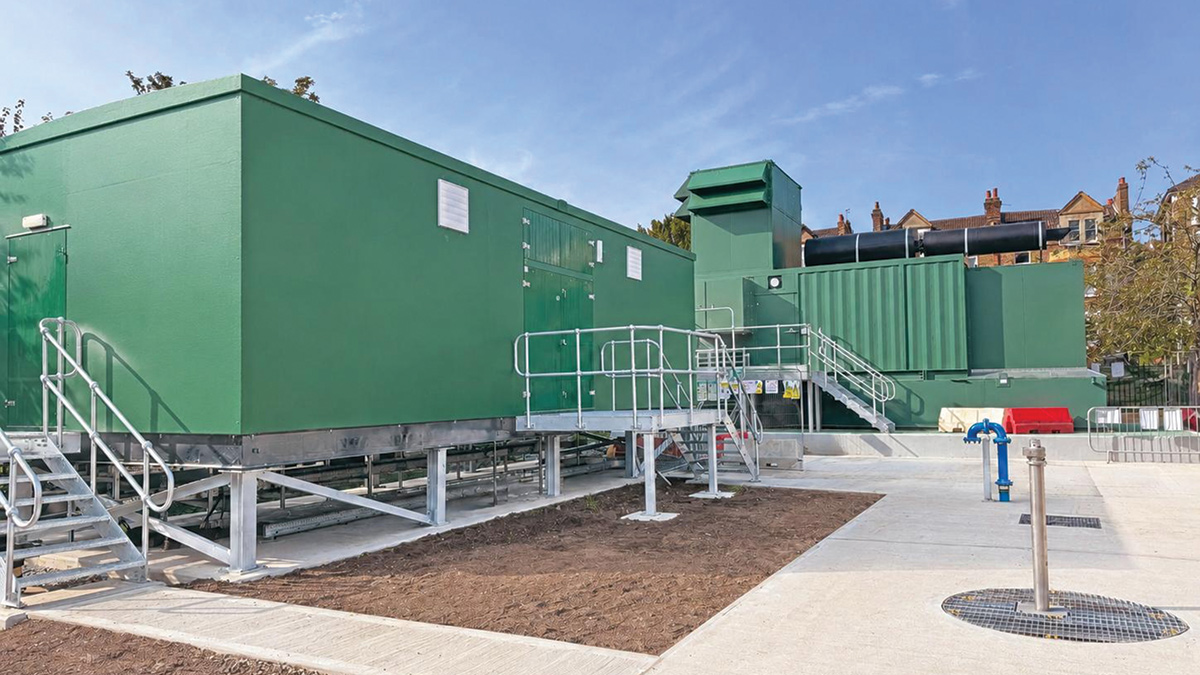
New infrastructure for the resilience improvement programme - Courtesy of MWH Treatment
The upgrade of the Shortlands Water Booster Station (WBS) formed a key element of Thames Water’s AMP7 Climate & Leakage Model (CALM) Programme, which aimed to reduce leakage and improve operational resilience across the network. Serving a supply area in south-east London, the project addressed pressure-related failures within the distribution system, helping to deliver a more reliable water supply for customers. Shortlands WBS receives water from two separate sources, which are blended within the station before being pumped to a service reservoir. Historically, this operation relied on ageing fixed-speed pumps that contributed to pressure transients within the network. Such transients are a recognised cause of pipe bursts, water loss, and operational inefficiencies. Modernisation of the asset was therefore required to improve network performance, reduce leakage, and enhance the long-term resilience of the water supply system.
Scope of works
MWH Treatment was awarded a contract to upgrade the existing booster station to improve operational efficiency, resilience, and asset performance by installing modern pumping technology, upgraded electrical infrastructure, and enhanced control systems. The scope included installing variable speed drive (VSD) booster pumps, associated manifold pipework, a new motor control centre (MCC), a low voltage distribution board (LVDB), a PLC-based control system, and a new standby generator, along with removing and decommissioning the existing unit.
Because the booster station serves a live water supply network, maintaining uninterrupted customer supply throughout construction was a necessity. To achieve this, a temporary enabling pumping station and MCC were installed, allowing the existing assets to be taken out of service and replaced while maintaining full operational capability.
Installation of the LV distribution board (LVDB)
The LVDB serves as the electrical hub of the upgraded booster station, receiving power from the existing transformers and distributing it to the MCC, the generator, enabling infrastructure and auxiliary systems. Replacing the ageing LV equipment was necessary due to declining reliability and incompatibility with modern VSD technology.
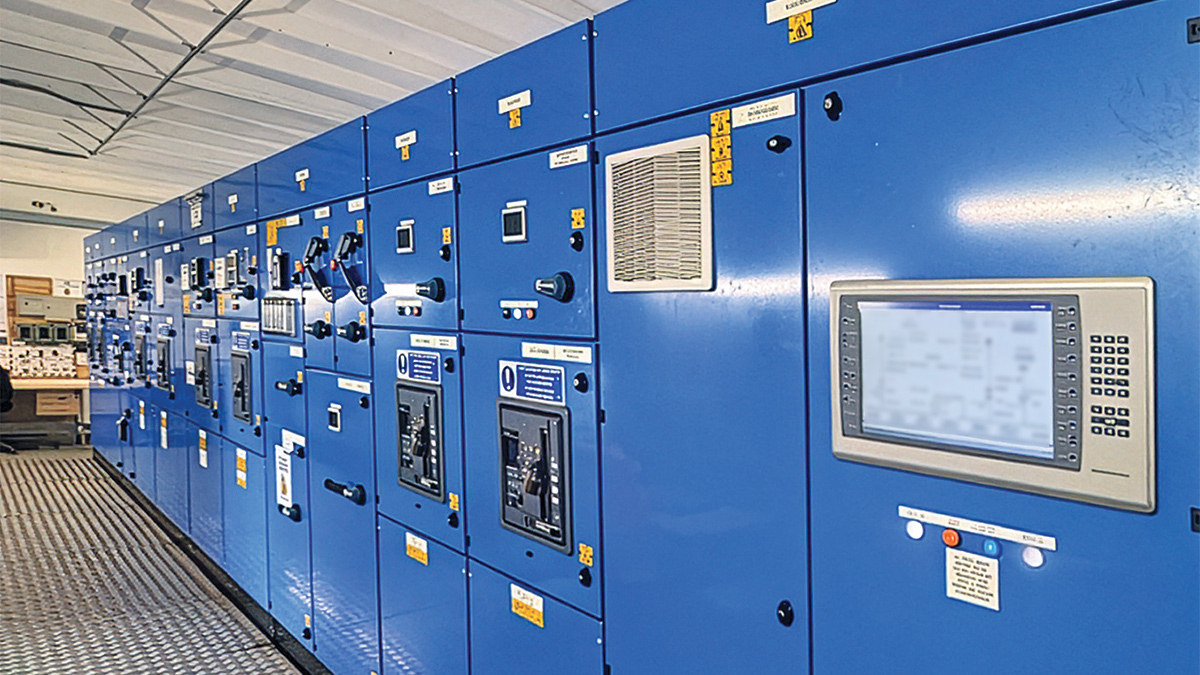
The newly installed low voltage distribution board – Courtesy of MWH Treatment
The board incorporated dedicated protected incomers to enable safe isolation, efficient load management and improved fault tolerance, thereby enhancing system resilience. Integration with the upgraded PLC and the standby generator enabled automatic changeover and continuity of supply during a mains failure.
The LVDB was delivered using a Design for Manufacture and Assembly (DfMA) approach, with the equipment prefabricated off-site as a kiosk assembly. Installation was affected by a change in planning requirements from Permitted Development to full planning consent during the project lifecycle.
This was successfully mitigated by re-sequencing the works and collaborating closely with the delivery team, planning authorities and subcontractors. Following installation and commissioning, the LVDB provided a robust, resilient electrical platform for the upgraded site.
Installation of the enabling pumping station
A temporary enabling pumping station was designed and installed to ensure continuity of supply during the replacement of the permanent booster pumps. Its primary function was to divert flows from the existing pumps, allowing them to be safely isolated, removed and replaced without affecting customers.
The enabling system comprised temporary booster pumps, associated pipework and an enabling MCC providing power distribution, motor protection and control functions. The pumps were selected to meet the existing station’s hydraulic performance requirements, ensuring reliable operation under varying demand conditions.
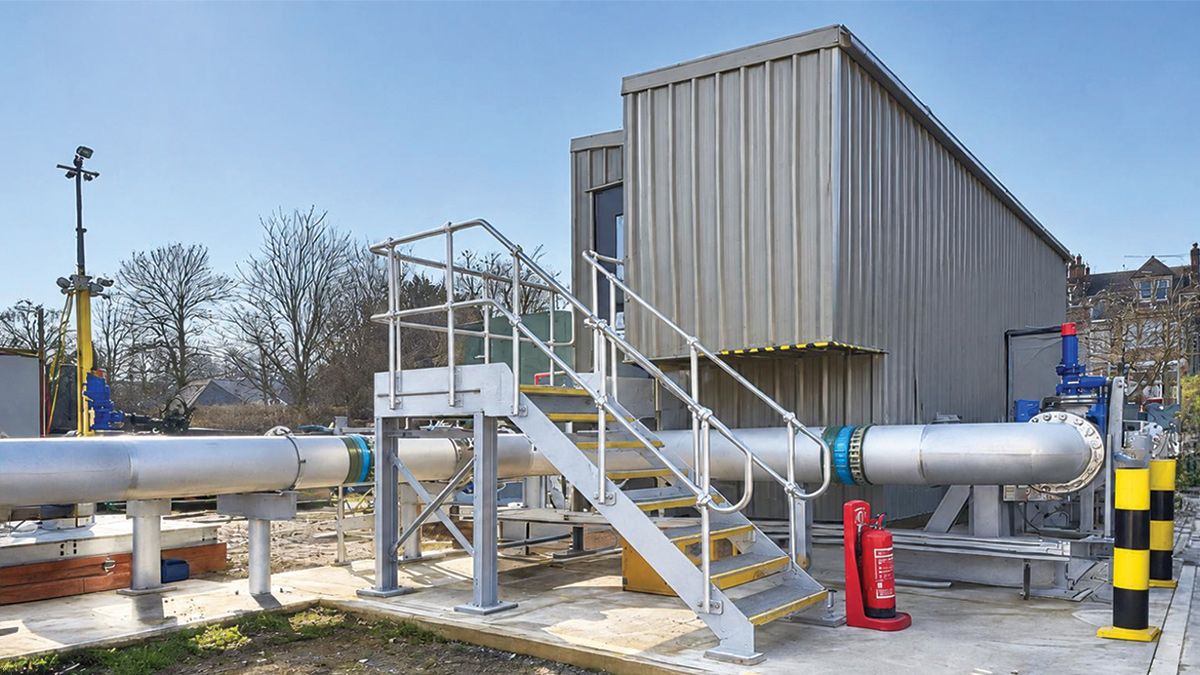
The enabling pumping station – Courtesy of MWH Treatment
DfMA principles were applied throughout the enabling works. The pumping station, MCC and associated equipment were fabricated off-site as modular kiosk units and delivered ready for installation. This approach reduced on-site labour requirements and programme duration, enabling installation, testing and pressure testing to be completed within five days.
The temporary station was commissioned while the original booster station remained operational, allowing works on the permanent assets to proceed safely and efficiently while maintaining uninterrupted supply to Thames Water customers.
Installation of the standby generator
Providing a new emergency standby generator was a key component of the resilience strategy for the upgraded booster station. The generator was designed to provide full-site power during mains failures, ensuring continued operation and protecting customer supply.
Successful delivery required close coordination among Thames Water, MWH Treatment, UK Power Networks (UKPN) and specialist subcontractors. Environmental protection and operational safety were central to the design. The installation incorporated a dual-skinned fuel tank housed within a concrete bund, providing triple-layer containment to safeguard the local environment and aquifer in the event of a leak. The system was designed and installed in accordance with DSEAR and ATEX requirements.
Construction works included installing civil foundations, ducting, draw pits, a blind tank, an interlocking three-way valve, electrical cabling, and integration with the LVDB and control systems. Extensive testing and commissioning, including load testing and verification of automatic changeover functionality, confirmed operational performance.
Following successful commissioning, the existing generator was safely decommissioned and removed. This included electrical isolation, asbestos removal, management of residual fuels, and carefully planned lifting operations in the constrained site environment.
Installation of the permanent booster station
The upgraded booster station incorporated variable speed booster pumps to improve hydraulic performance, reduce pressure transients and enhance energy efficiency. Unlike the existing fixed-speed arrangement, the VSD-controlled pumps adjust motor speed in response to real-time demand, enabling operation closer to the pumps’ best efficiency point. This reduces energy consumption while minimising pressure fluctuations across the network.
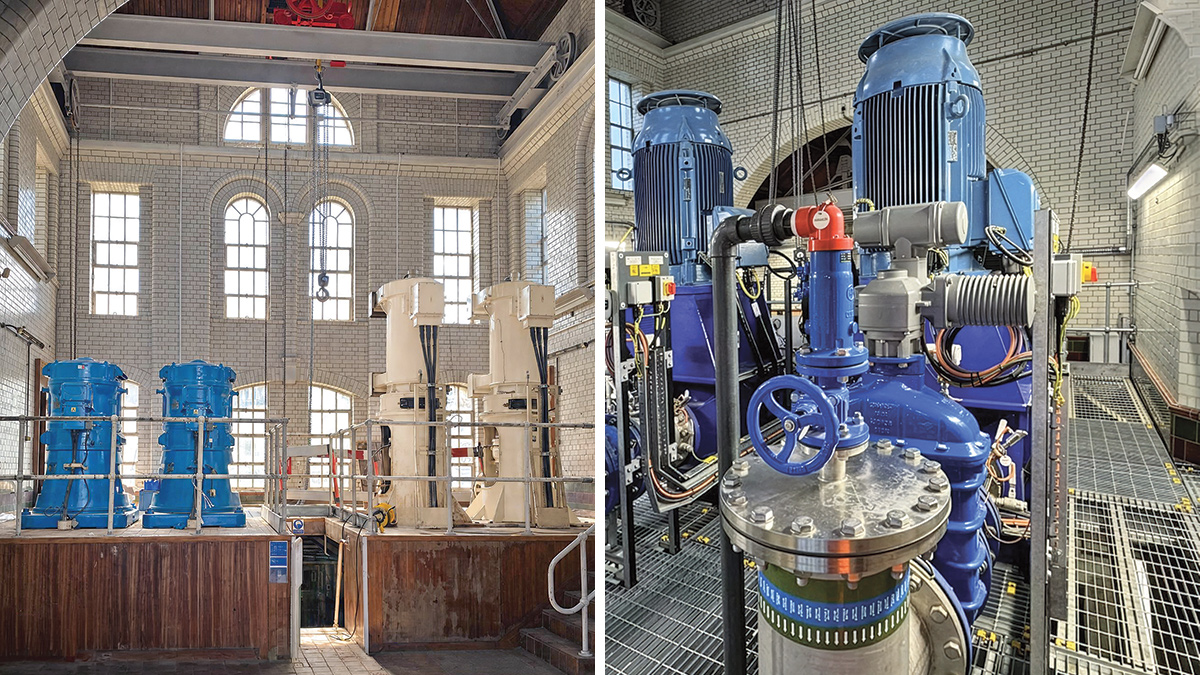
(left) The old pump layout of the booster station and (right) Final installation of the new permanent station – Courtesy of MWH Treatment
The mechanical scope included a new manifold arrangement and upgraded pipework to accommodate variable flow conditions and improve hydraulic performance. The layout was optimised to improve maintenance access and reduce operational constraints.
Construction required removing the existing pumping equipment and integrating the new mechanical, electrical, and control systems within a live operational environment. Risks associated with decommissioning activities were managed through detailed planning and carefully controlled execution.
Commissioning was completed in phases. Flows were initially transferred from the enabling station to the permanent installation using part of the pumping capacity, with planned outages coordinated through stakeholder workshops. The remaining pumps were then brought into service. This phased approach ensured a smooth transition from temporary to permanent operation.
Innovations, cost savings & carbon reduction
Following completion of the outline design, MWH Treatment conducted a detailed constructability and design review to reduce costs, minimise risk and improve delivery efficiency.
One of the most significant outcomes was the refinement of the commissioning strategy. The original proposal required separate pumps and motors for both the enabling and permanent installations. Through alternative sequencing and commissioning methodologies, the temporary enabling pumps were repurposed for the permanent system. This reduced the overall equipment requirement while maintaining operational performance and resilience, delivering significant cost savings through value engineering and early contractor involvement.
MWH Treatment and Thames Water undertook collaborative constructability and sequencing workshops to develop the delivery strategy for the constrained live site. 4D modelling enabled visualisation of programme sequencing, spatial constraints, and operational interfaces, improving coordination, reducing interface risks, and optimising project delivery.
Further benefits were achieved by adopting DfMA principles for major assets, including the LVDB, enabling MCC, and enabling pumping station kiosks. Off-site fabrication improved build quality, reduced material waste, and significantly reduced on-site construction activities. Health and safety performance improved through lower manpower requirements and reduced time on site, contributing to an exemplary safety record of more than 100,000 hours worked without incident.
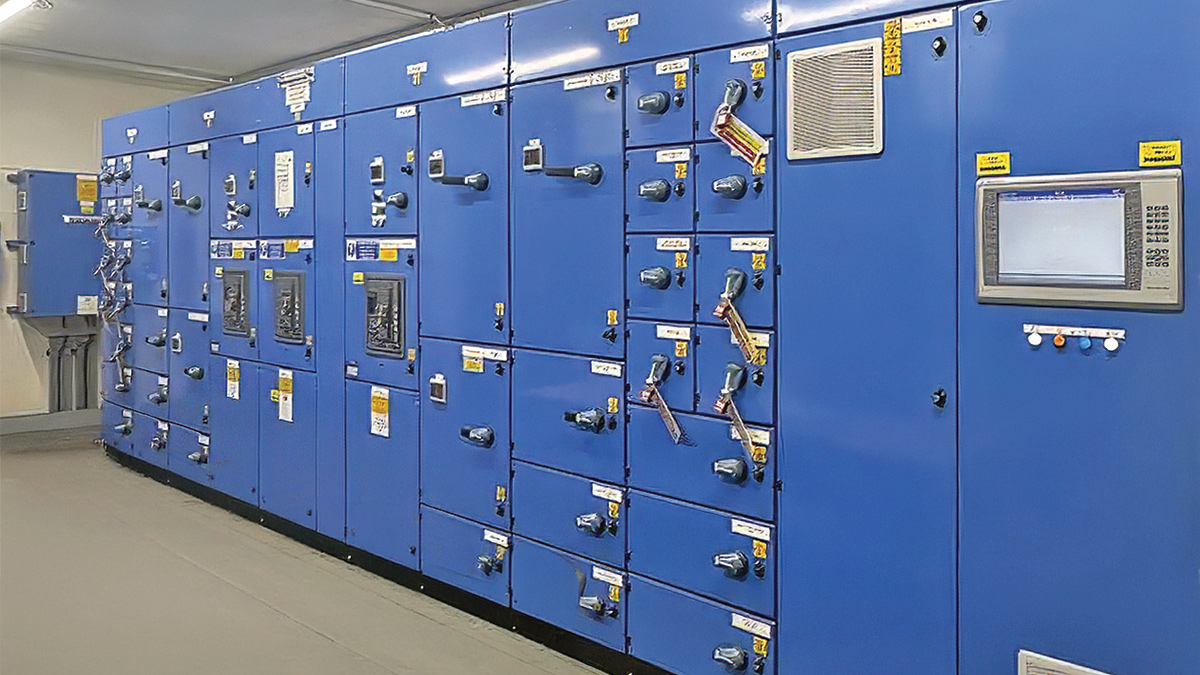
An example MCC installation – Courtesy of MWH Treatment
The DfMA approach also minimised traffic movements, noise and disruption, which was particularly important given the restricted site footprint and proximity to residential areas, while contributing to a lower overall carbon footprint.
Operationally, VSD technology has delivered long-term efficiency gains. By operating pumps closer to their optimum efficiency point, the system has achieved ongoing reductions in energy consumption and associated operating costs. Improved pressure management has also significantly reduced transient pressure events, with analysis indicating that approximately 27 pipe bursts per annum could be avoided.
This reduction in bursts decreases leakage, lowers reactive maintenance requirements and reduces the environmental impacts associated with emergency repair activities.
Conclusion
The Shortlands WBS project delivered a complex infrastructure enhancement upgrade while maintaining uninterrupted supply to customers throughout construction. By integrating advanced pumping technology, modern electrical systems, and innovative delivery methods, the scheme has significantly improved network resilience, operational efficiency, and sustainability.
Delivered with zero reportable health and safety incidents and forecast to complete on programme and under budget, the project has already delivered tangible operational benefits, including reduced energy consumption, improved pressure control, fewer pipe bursts and enhanced water quality.
The scheme exemplifies collaborative delivery, technical innovation and forward-thinking engineering, delivering long-term value for Thames Water and its customers while supporting wider resilience and environmental objectives.