
iNPIPE PRODUCTS™
Seawater Intake Pipeline Cleaning & Assessment
Seawater Intake Pipeline Cleaning & Assessment
iNPIPE PRODUCTS™ was engaged to provide a complete pigging solution for a desalination project in Southern Africa involving twin 1200NB seawater intake pipelines.
Overview
Over time, both intake lines had experienced long-term marine growth accumulation, resulting in reduced flow capacity and increased operational risk. An engineered, progressive approach was required to restore operability while maintaining system integrity and avoiding disruption to plant operations.
Progressive Cleaning of the First Seawater Intake Line
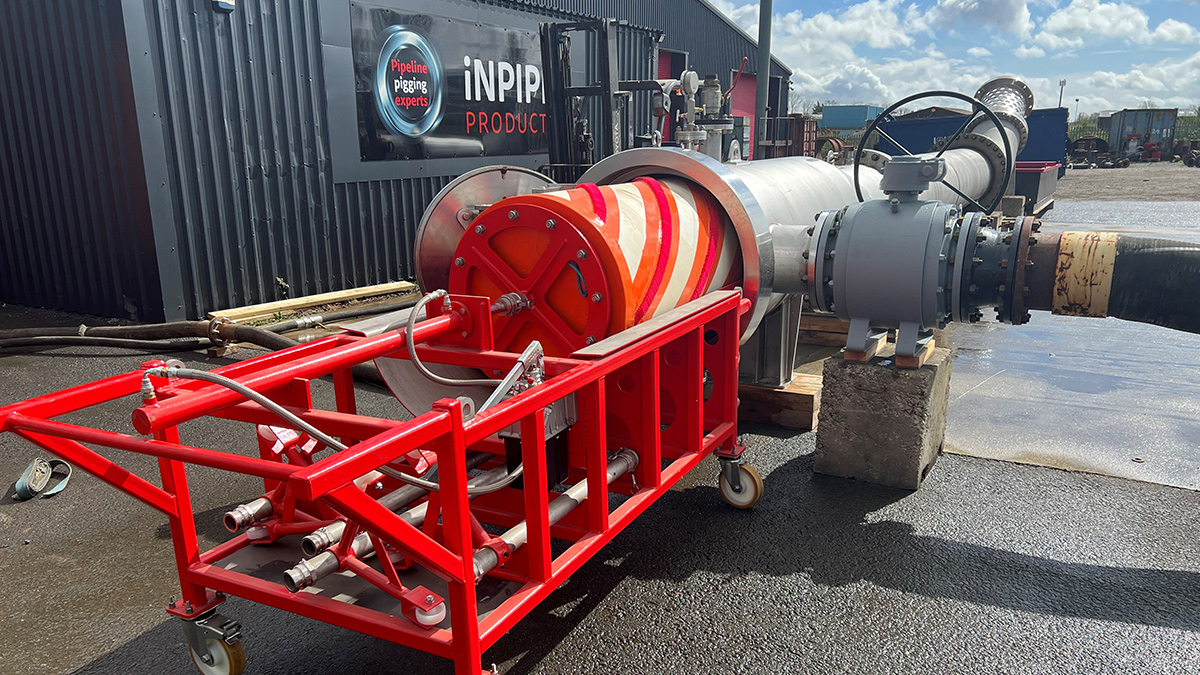
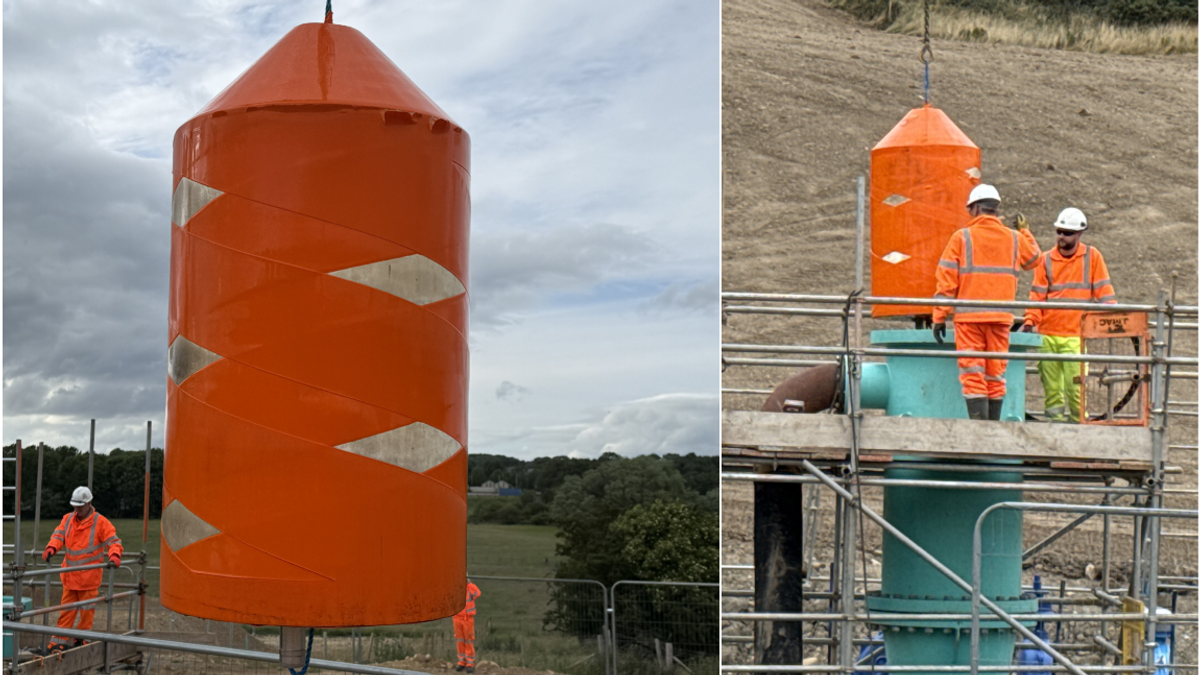
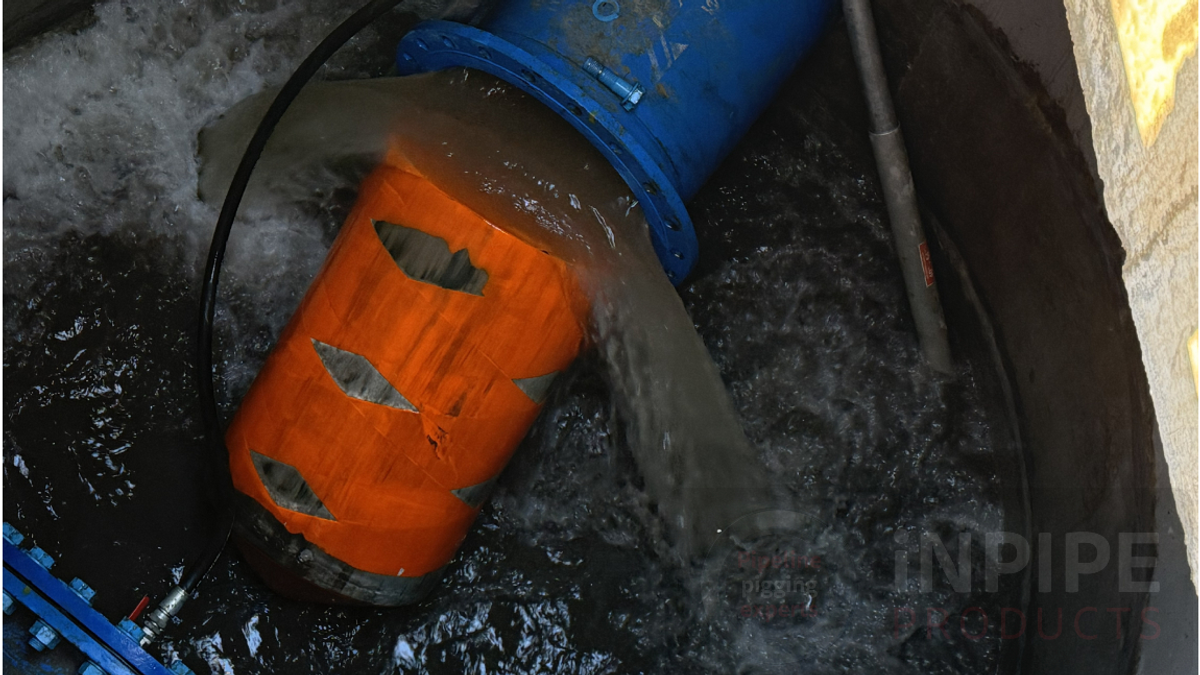
The first intake line required a pigging solution that would not only allow for the safe recovery of a potentially stalled pig in the intake pipeline, but also facilitate the progressive removal of significant trapped air voids and marine growth accumulating within the pipeline.
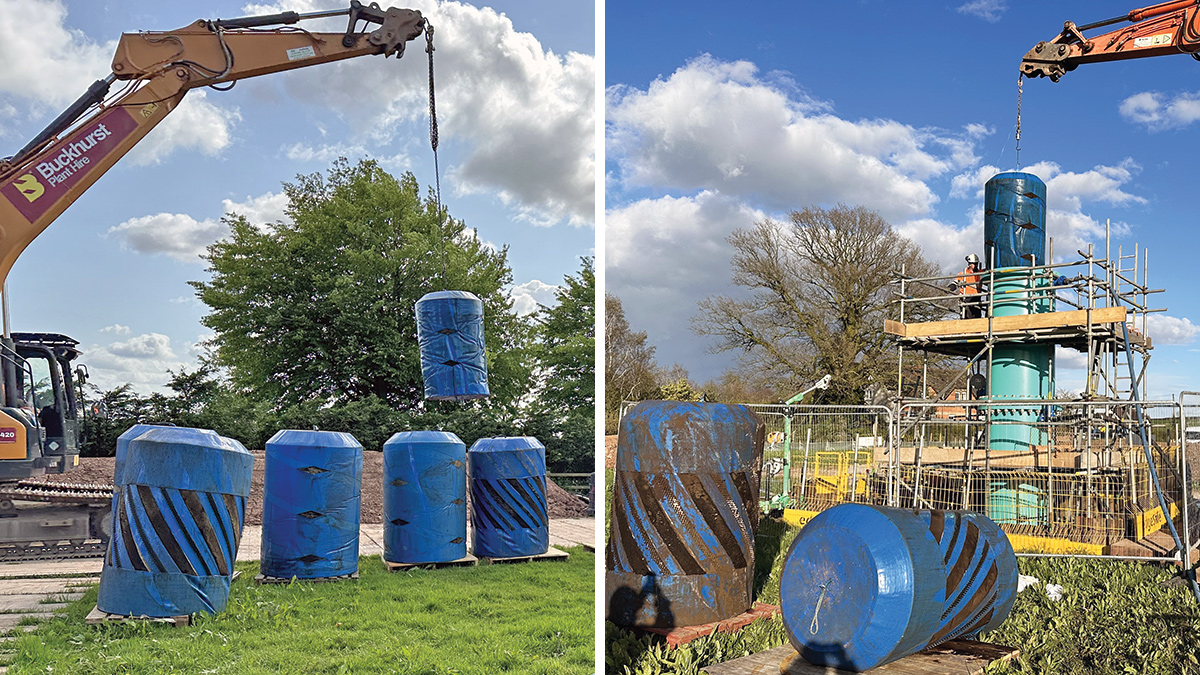
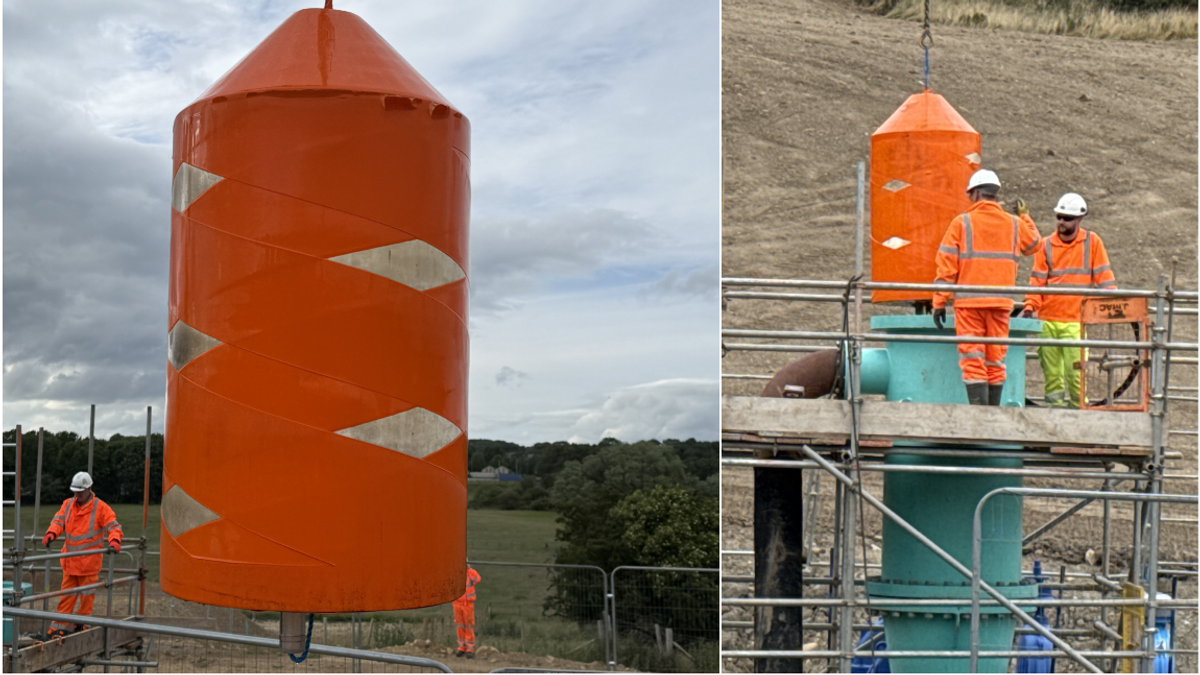
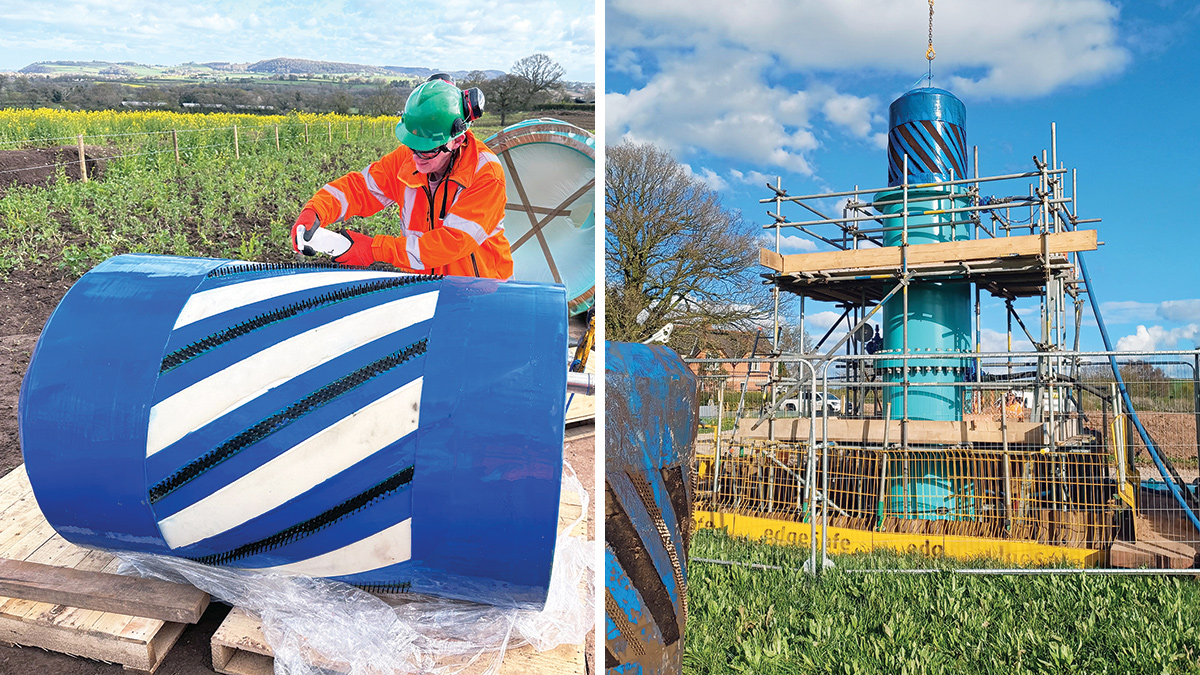
iNPIPE PRODUCTS™ developed a formalised method statement and supplied a tailored package of pigging equipment and monitoring systems. A structured sequence of custom-engineered soft and medium-density foam pigs was used for proving, debris removal and gauging, with tracking transmitters providing positional monitoring throughout each run.
Result:
The progressive cleaning strategy increased flow rates from 4,500 m³/hr to 7,000 m³/hr – an improvement of 55.5% in flow capacity – while also reducing pumping energy requirements and improving overall plant reliability.
Cleaning & Phoenix™ Assessment of the Second Seawater Intake Line
With operating flow rates decreasing to 5,200 m³/hr, the second intake line required marine biofilm and debris removal alongside assessment of the internal condition of the 1,075 m GRP and steel pipeline to ensure long-terms integrity.
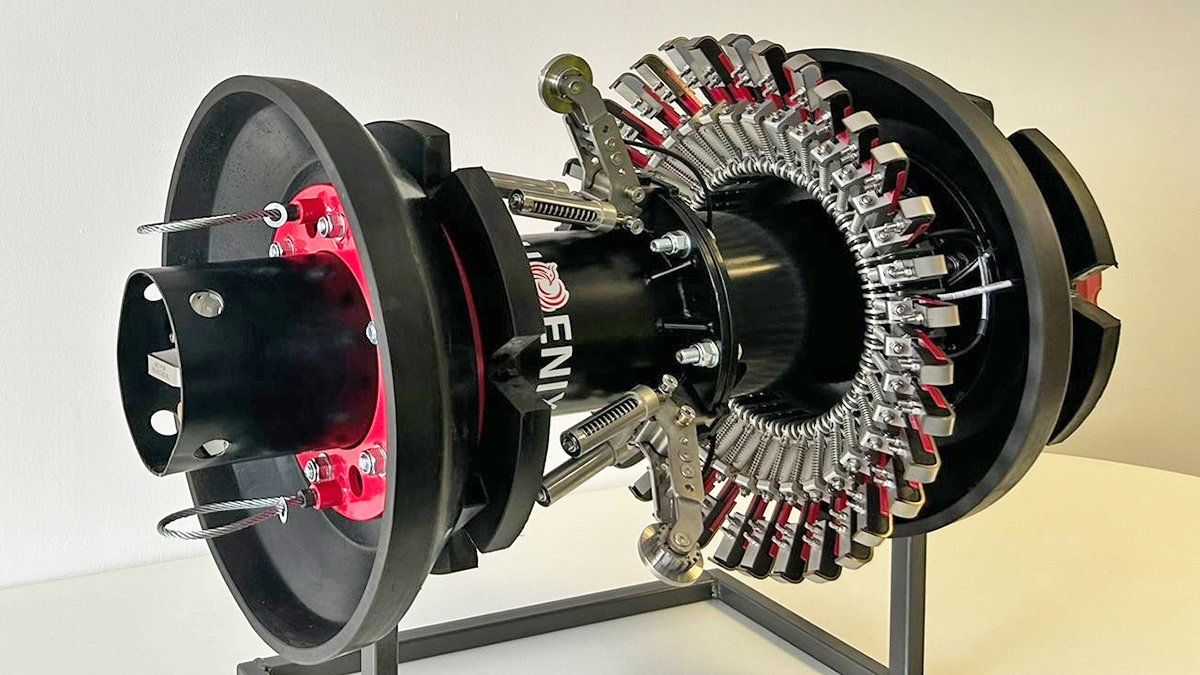
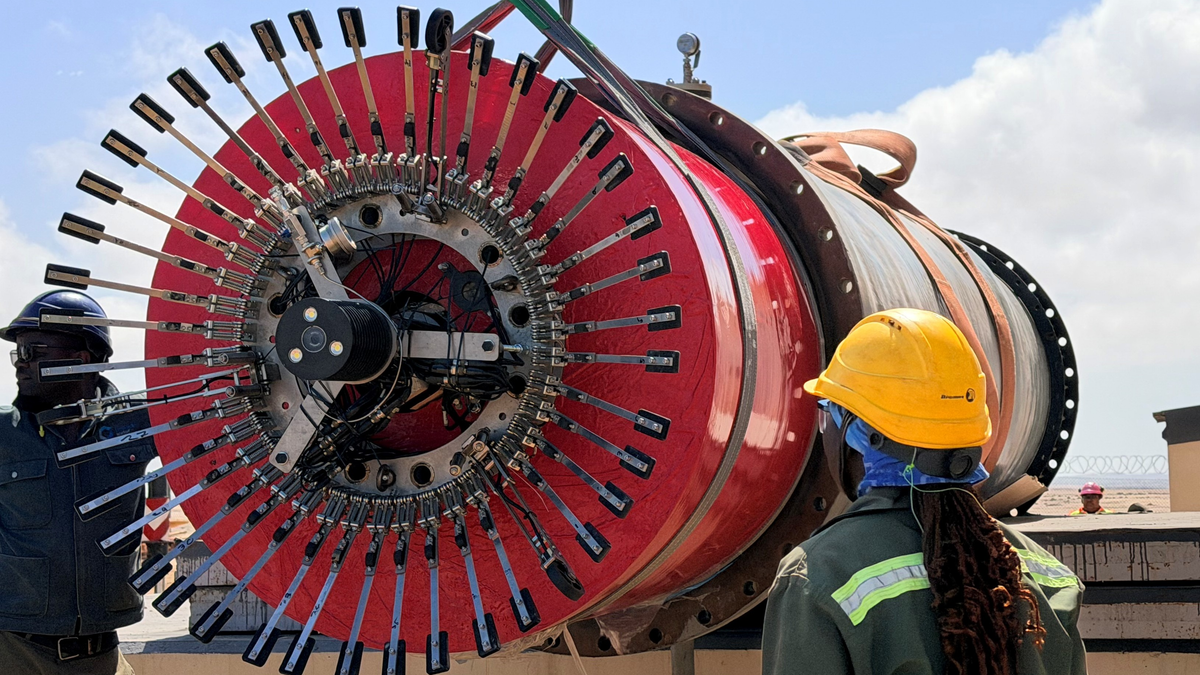
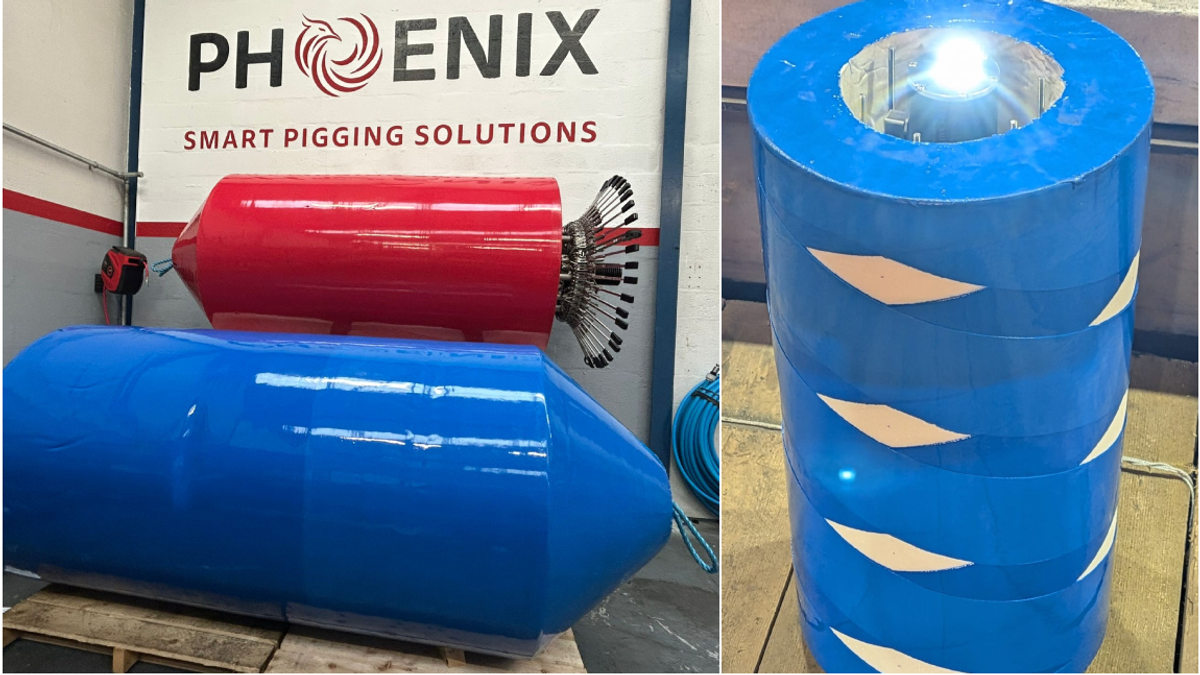
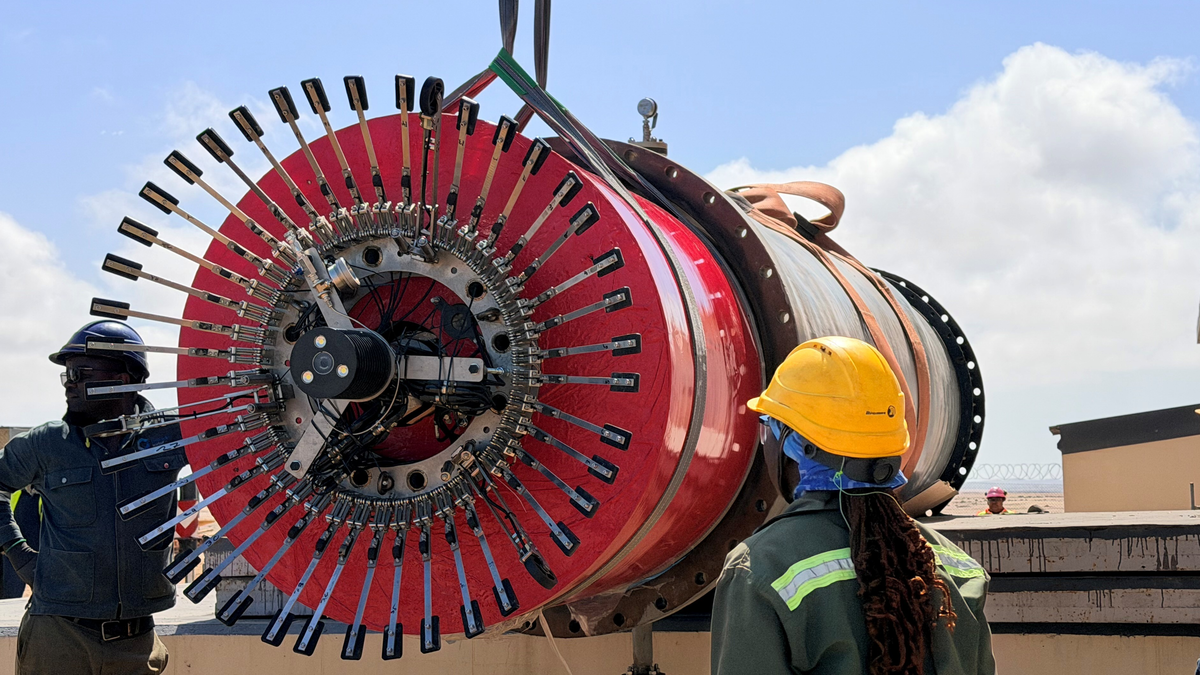
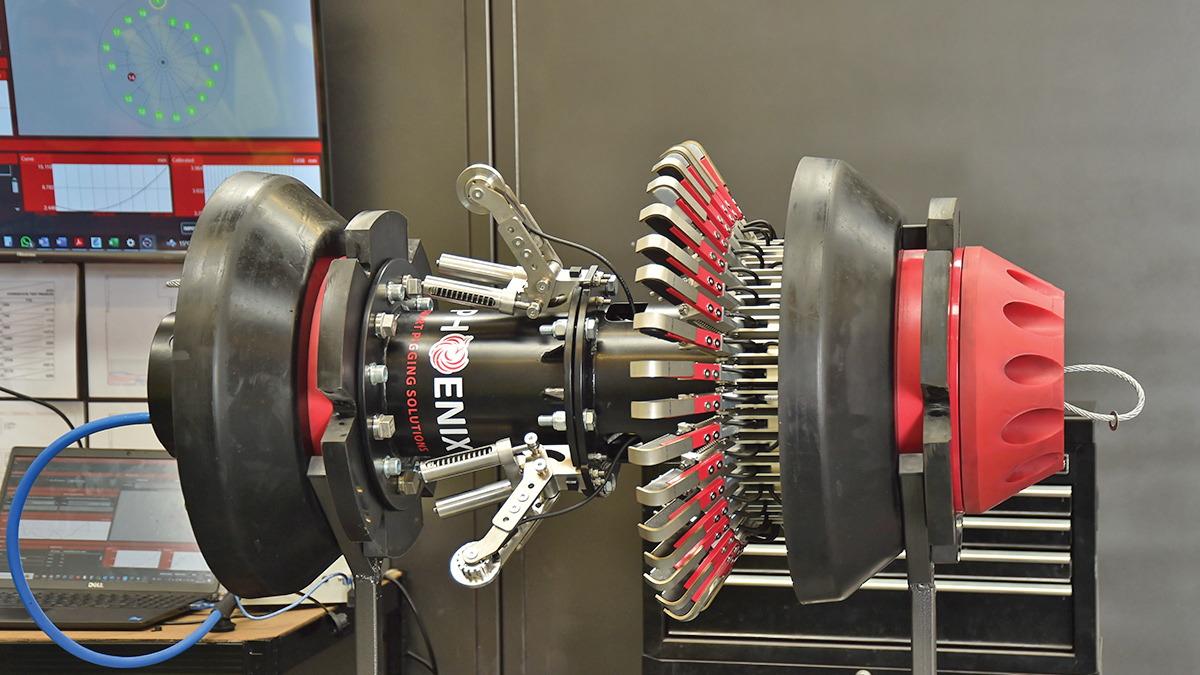
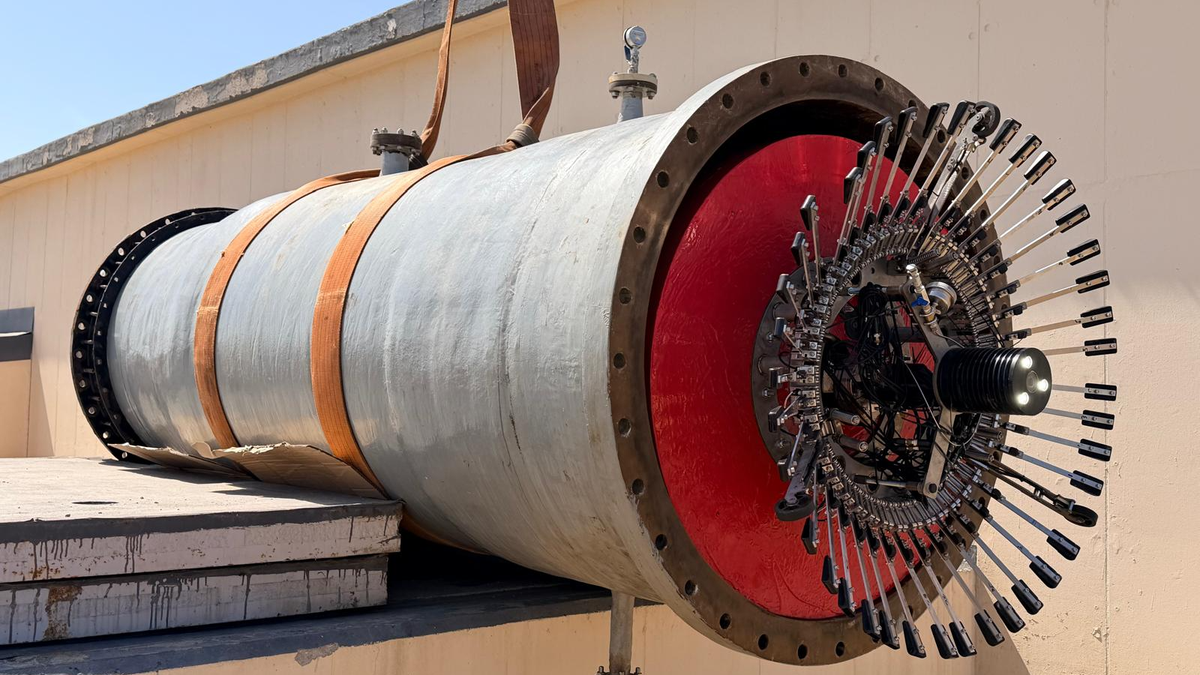
A multi-stage cleaning and assessment strategy was undertaken, beginning with a low-density foam pig to confirm the pipeline’s capability for pigging, followed by mechanical cleaning with a medium-density foam pig fitted with a gauge plate. The Phoenix™ Debris Mapping Tool was then deployed to assess the internal pipeline condition.
The Phoenix™ Debris Mapping Tool utilised 39 high-sensitivity caliper sensors, collecting more than 8.3 million measurements during a 12-minute transit. The assessment revealed a residual debris volume of 5.99 m³, only 0.5% of the total pipeline volume, indicating a commendable level of cleanliness. Residual debris was primarily located at the bottom of the pipe within the first 500 m, particularly between the 100-150 m marks, with deposit depths of up to 30 mm measured. Phoenix™ also identified a 7 mm internal spiral ridge from the pipe manufacturing process, consistently spaced every 2.0 m, providing evidence of the accuracy of the technology.
Result:
Flow rates increased from 5,200 m³/hr to 7,878 m³/hr – a 51.5% increase in flow capacity. Phoenix™ also confirmed that no pipeline cracks, wrinkles or buckles were identified and provided data to support future cleaning tool design and maintenance planning.
Project Outcome
The project demonstrated how progressive mechanical cleaning combined with detailed pipeline assessment can restore operating performance, provide valuable data to support future maintenance and help maintain a reliable water supply for the region.
For More Information, contact us at https://www.inpipeproducts.com/