
Enfield WwTP (2026)
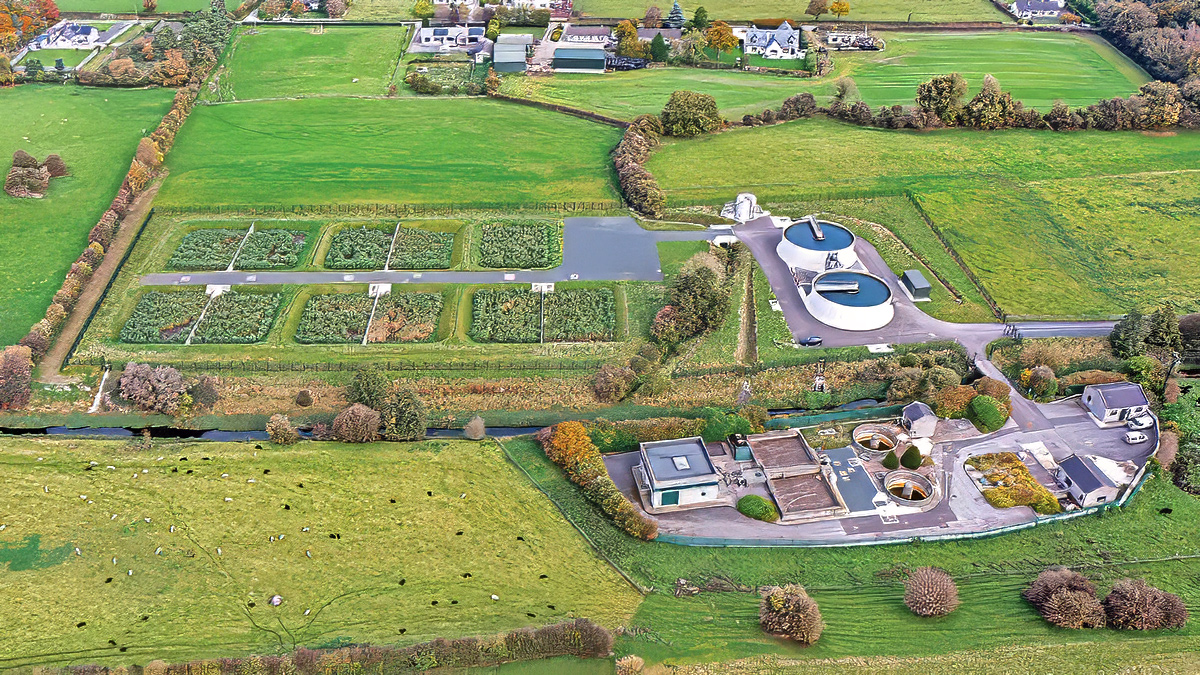
Enfield WwTP - Courtesy of Coffey
Enfield Wastewater Treatment Plant (WwTP) is located approximately 1.6km south-west of Enfield, County Meath, adjacent to the River Blackwater near the County Kildare boundary. The scheme was developed to upgrade and expand the existing wastewater treatment facilities to meet current demand, provide capacity for future population growth, and improve long-term operational resilience. The completed works increased the plant’s treatment capacity from a population equivalent (PE) of 3,500 PE to 6,200 in Phase 1, while civil and hydraulic infrastructure was sized to accommodate the ultimate Phase 2 expansion to 9,600 PE. A defining feature of the project was the adoption of sludge drying reed bed (SDRB) technology in place of a conventional mechanical sludge dewatering system.
Project drivers & optioneering
The need for the project arose from both treatment capacity requirements and the limitations of the existing sludge handling arrangements. As part of the early project development, feasibility work examined how the plant could be expanded while also improving the sustainability of sludge treatment. The original feasibility study identified sludge management as a major opportunity for improvement and recommended further assessment of sludge drying reed beds as an alternative to traditional mechanical thickening and dewatering.
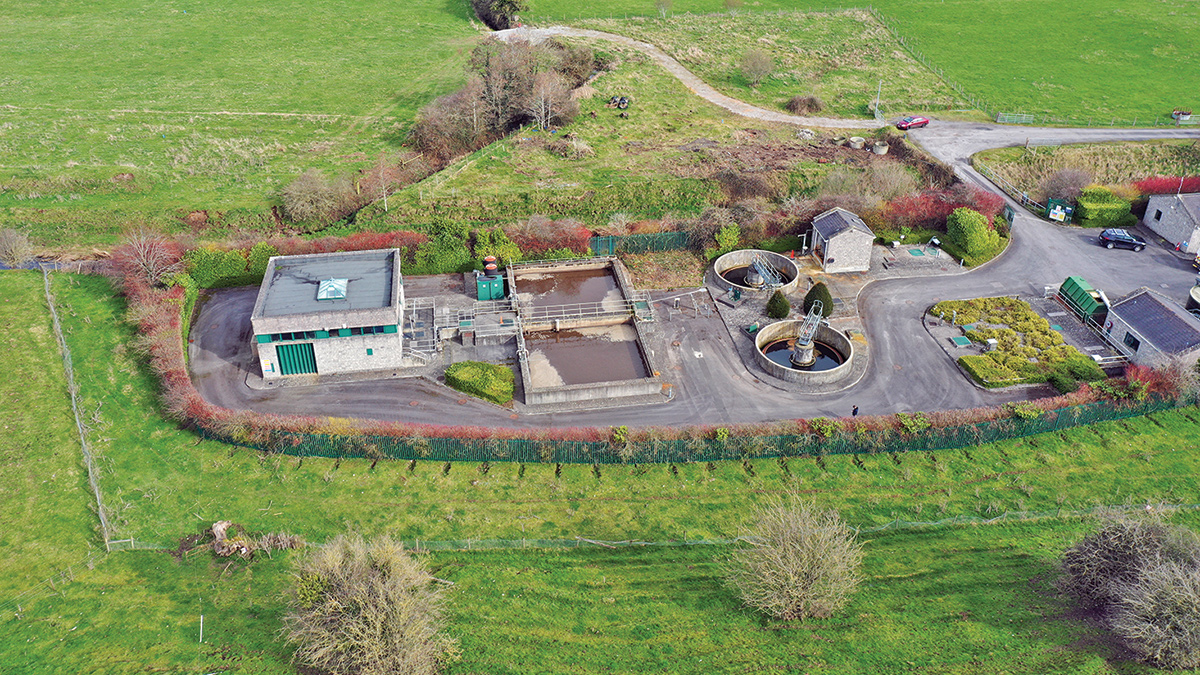
Existing Enfield WwTP prior to construction works – Courtesy of Coffey
A dedicated follow-on feasibility assessment compared the proposed SDRB solution with a conventional mechanical option. On both capital and operational grounds, the nature-based approach was found to offer clear advantages. The SDRB arrangement required a larger footprint, but it significantly reduced mechanical complexity and was forecast to deliver substantially lower operating costs. This aligned strongly with Uisce Éireann’s wider objectives around energy reduction, low-carbon infrastructure and circular economy principles.
The optioneering process also considered visual impact, odour risk, operational reliability and long-term maintainability. Benchmarking against established European installations helped demonstrate that reed beds could be integrated successfully into the landscape and need not present the visual harshness often associated with hard-engineered sludge treatment facilities. The final concept therefore incorporated screening and landscape measures alongside the process design.
Scope of works
The Enfield WwTP Expansion comprised a substantial package of civil, structural, process, mechanical, electrical, instrumentation, control and environmental works. The upgraded facility was designed to treat municipal wastewater from the Enfield catchment and surrounding area, with the new process and hydraulic systems sized to support future loading.
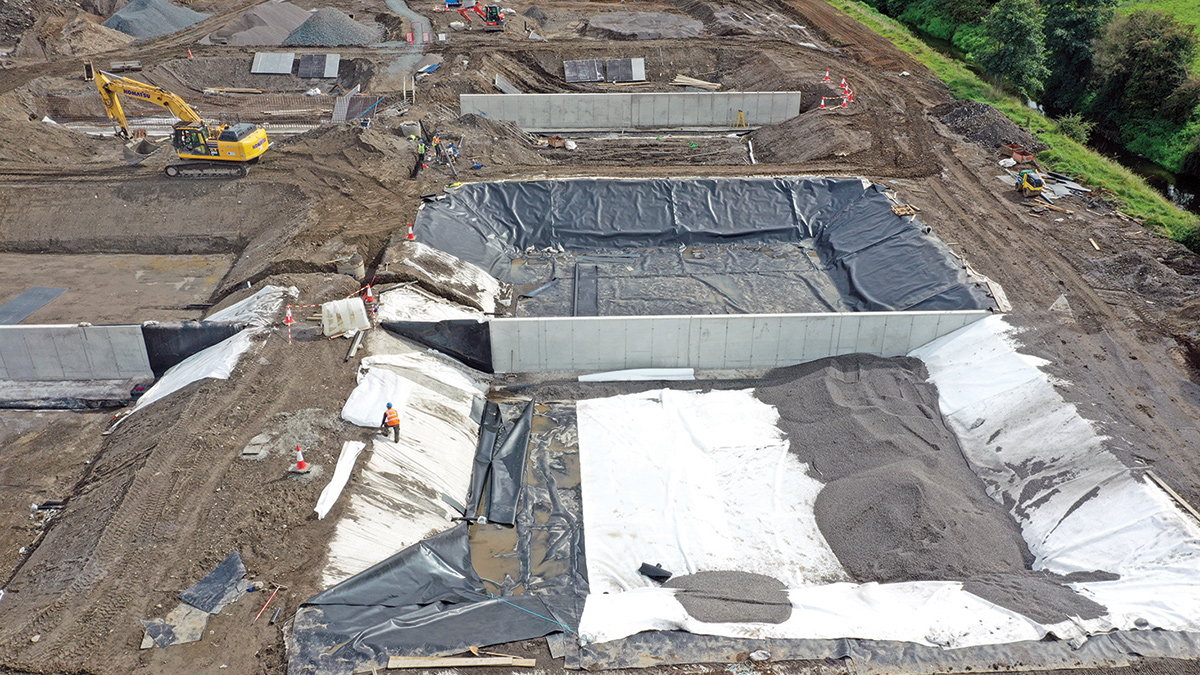
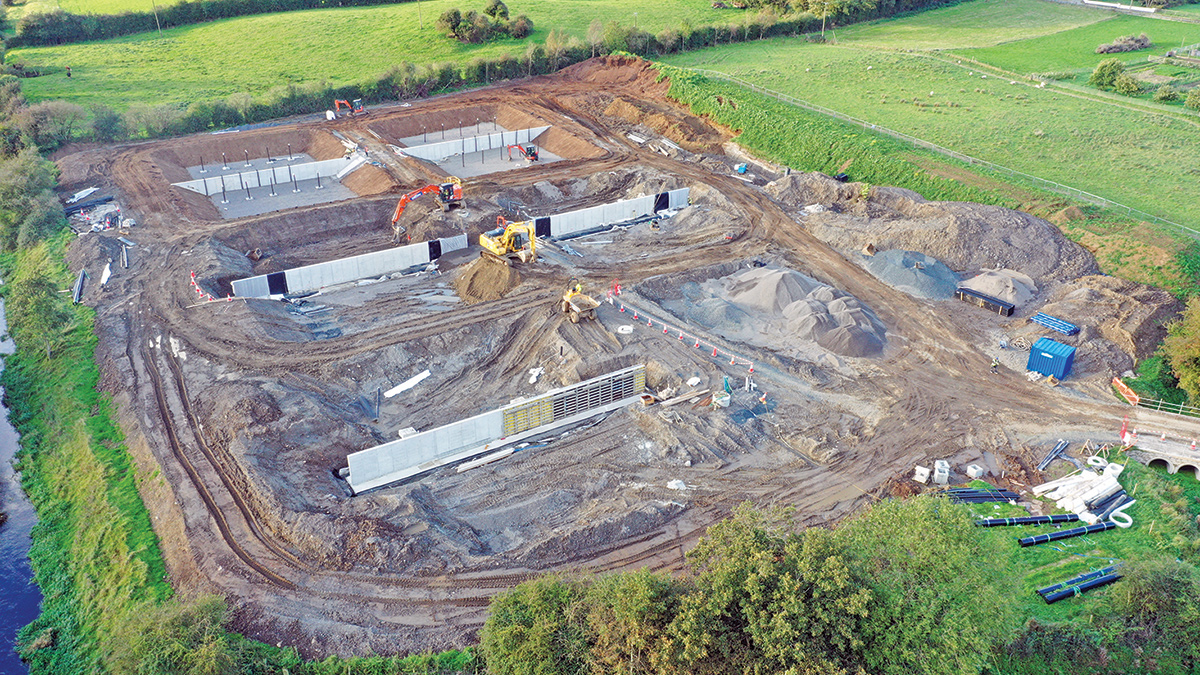
Construction of SDRB cells: Welded HDPE liner covered with geotextile and base layer of filter media – Courtesy of Coffey
The principal elements of the scheme included the construction of two new final settlement tanks, new and upgraded pumping stations, a sludge import facility, a sludge holding tank, new motor control centres and SCADA integration, site-wide power and instrumentation upgrades, drainage and ducting works, flood defence and scour protection measures, trenchless pipeline crossings beneath the River Blackwater, and the delivery of an 11-bed sludge drying reed bed system.
The reed bed installation formed the most distinctive element of the project. Eleven beds, each approximately 15m x 20m, were constructed to provide a combined sludge treatment area of about 3,000m2. These were designed to receive concentrated activated sludge and imported sludges, with the beds operating through a combination of drainage, evapotranspiration and biological mineralisation.
Enfield WwTP: Supply cian – key participants
- Main contractor & designer: Coffey
- SDRB process design: Wild Goose Enviro Ltd
- Civil & structural design: AM Consulting Engineers
- Employer’s representative: Nicholas O’Dwyer
- Wetlands reeds: FH Wetland Systems Ltd
- EICA installation: EMCA
- System integration: ECN Technologies
- Sludge import screen: SAVECO Environmental Ltd
- Submersible pumps: Xylem Water Solutions
- Scrapers, stairs/access platforms: Keltec Engineering
- Access covers: EJ
- Radial formwork: Perin
- Carpenters & steel-fixing: DB Steel
- Permanent reinstatement: Callington Ltd
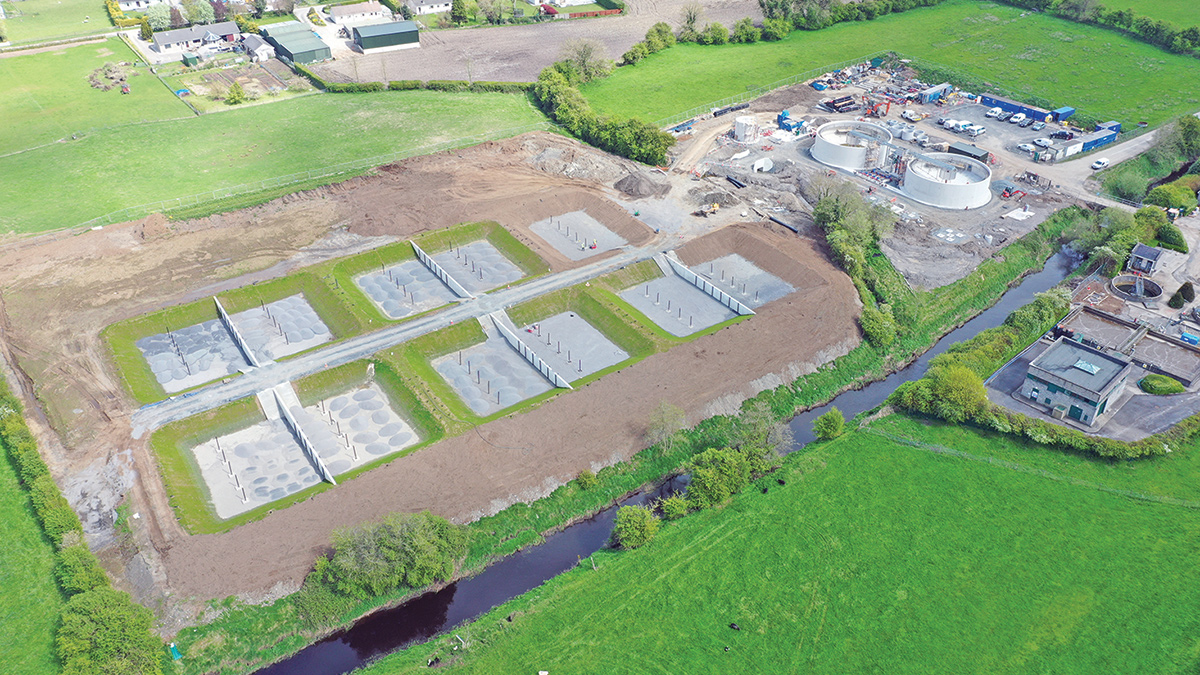
Four completed SDRB cells and seven cells at varying stages of completion – Courtesy of Coffey
Process design & sludge drying reed beds
The process philosophy for the SDRB system was based on using natural biological and physical mechanisms to achieve sludge dewatering and stabilisation. In operation, sludge is fed intermittently onto the surface of the planted beds. Free water drains downward through the sludge layer and into the engineered filtration media below, from where it is collected by an network of drainage pipes. At the same time, the reed plants contribute to moisture removal through evapotranspiration and help maintain aerobic conditions within the bed through oxygen transfer in the rhizosphere. This supports microbial activity, which gradually mineralises the organic content of the sludge.
The beds were constructed with engineered filter layers, drainage stone and pipework arranged in a herringbone configuration to collect filtrate effectively. Reinforced concrete retaining walls and dividing walls defined the bed geometry, while access arrangements were incorporated to facilitate inspection and future sludge removal at the end of the filling cycle.
Each SDRB cell is lined with a 1.5mm thick HDPE welded membrane to ensure no leakage of the filtrate into the surrounding soils. Specialist process design input was provided for the reed beds, including the planting strategy, commissioning methodology and early growth management.
Installation of filter media – Courtesy of Coffey
A key design objective was to eliminate the need for polymer dosing and mechanical sludge dewatering. By replacing conventional energy-intensive plant with a largely passive natural treatment process, the scheme reduced operational energy demand and simplified maintenance requirements. Reed beds produce a stabilised, nutrient-rich biosolids material suitable for beneficial reuse, subject to the relevant management and land-use requirements in force at the time of removal.
The long-term operational model is also significant. The source information indicates an anticipated fill period of around 10 to 12 years, depending on actual sludge loadings, after which individual beds are left fallow to complete mineralisation before material is removed. Because the reed rhizomes remain within the underlying sand layer, the beds can then be brought back into service, without the requirement for replanting. It is expected that 3 of the 10 year filling and emptying cycles can be completed before the SDRBs are required to be replanted.
Main treatment & pumping infrastructure
Although the reed beds were the headline innovation, the wider project involved a comprehensive upgrade of the treatment infrastructure. Two new 18.3m diameter reinforced concrete final settlement tanks were constructed, each equipped with rotating scraper bridges, scum skimming arrangements, launders and safe access systems.
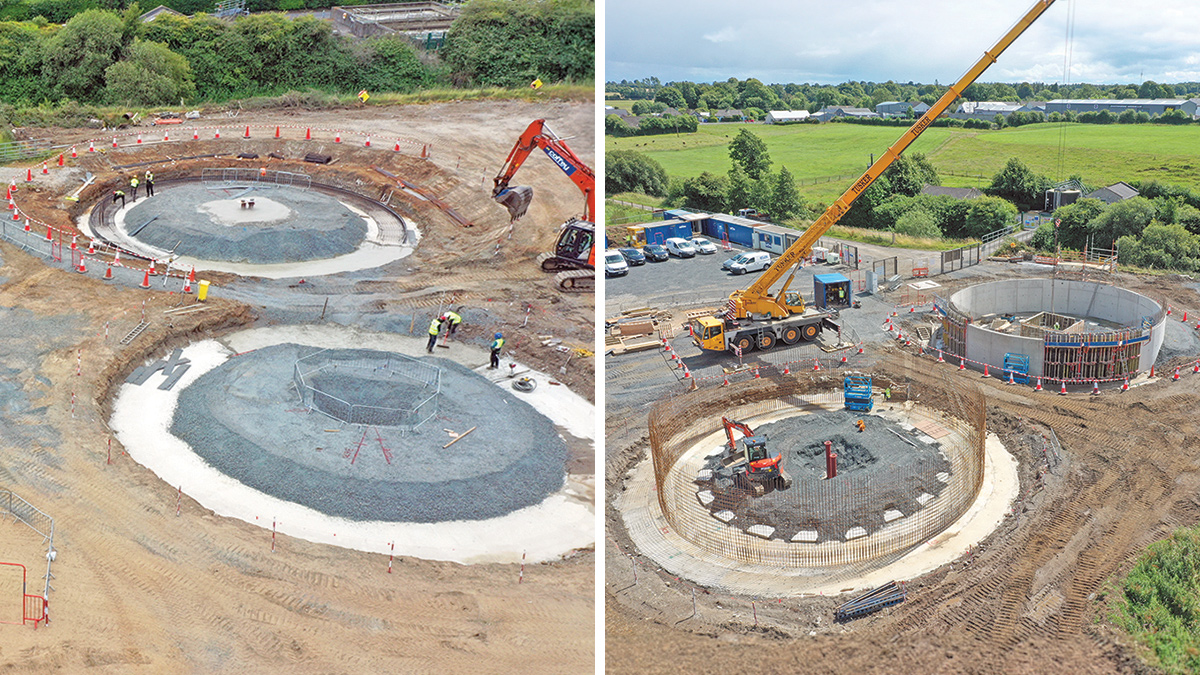
(left) Construction of FST bases and (right) construction of top walls of FSTs 1 & 2 – Courtesy of Coffey
These tanks formed a critical part of the upgraded treatment process and were integrated into the live plant with carefully managed tie-ins. The final settlement tanks are constructed above 1 in 1000 year flood levels and the additional head created, ensures that final effluent can still be discharged through the headwall, even if submerged under flood waters.
A number of pumping stations were also constructed, including a filtrate return pumping station and a sludge import pumping station. The RAS and WAS pumps were designed as an above ground manifold. During detailed design, it was determined that below ground pumping stations, while industry standard, also create a number of unavoidable risks for the operators associated with operations and maintenance.
The sludge handling system also included an import screening arrangement, with screened sludge transferred to a holding tank. A jet aeration system was installed to provide mixing and oxygenation within the tank. These features provide the client the option to use the Enfield WwTP as a regional sludge hub, accepting sludge imports from other plants in the region with similar characteristics, such as screened, non-septic sludge free from heavy metals.
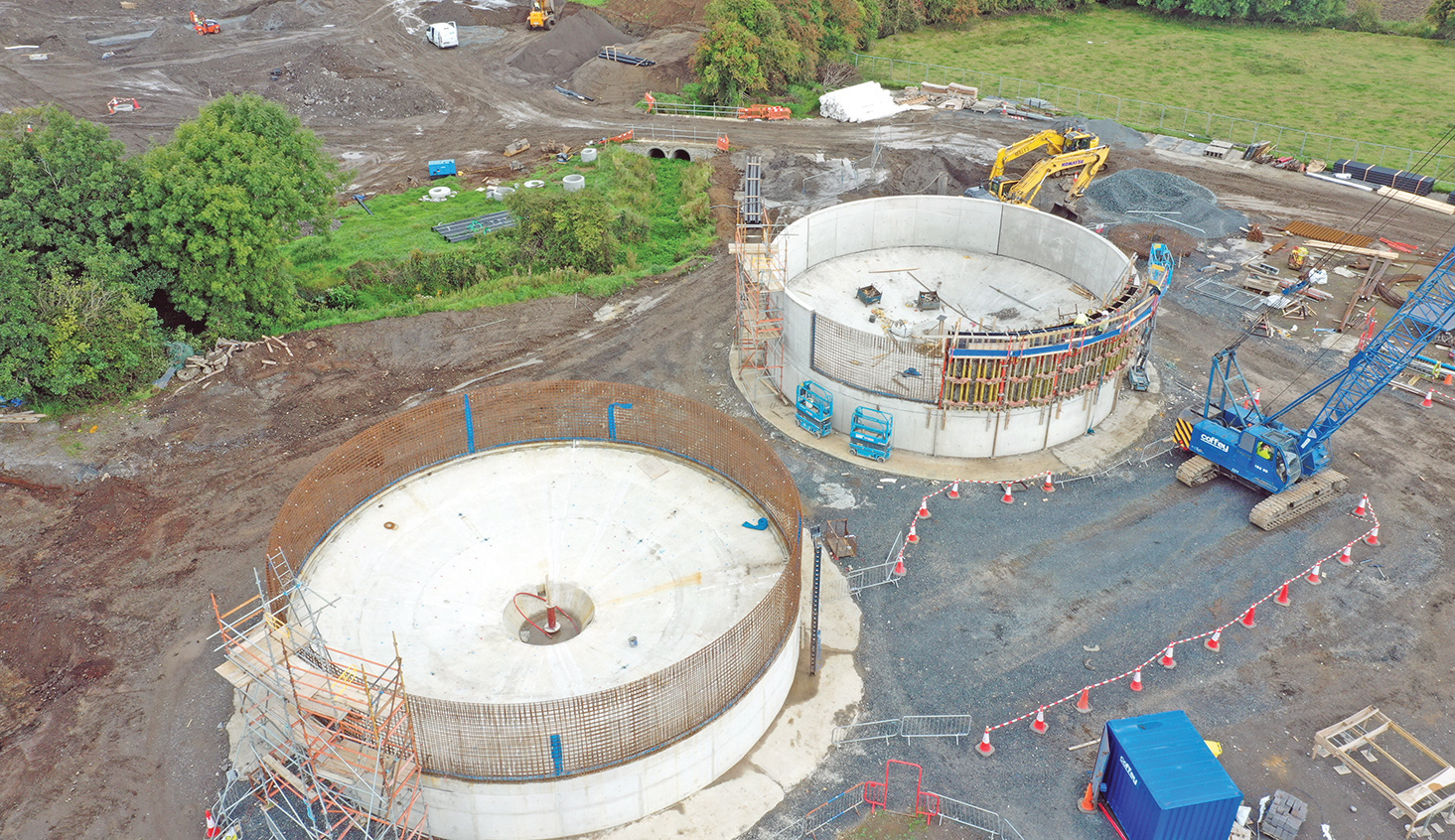
Construction of top walls of FSTs 1 & 2 – Courtesy of Coffey
Electrical, control & instrumentation works
The scheme included a substantial electrical and control upgrade, with new motor control centres and integration into the plant PLC/SCADA system. Instrumentation installed across the site included flow, level, pH, dissolved oxygen, turbidity and rainfall monitoring. New telemetry and communications ducting were also installed as part of the wider site infrastructure works.
Replacing and integrating MCC equipment on a live wastewater treatment site presented a significant delivery risk because any loss of automation could affect aeration, pumping and compliance-critical treatment functions. The works were therefore sequenced carefully, with temporary generators and fallback arrangements maintained during changeover. Existing control logic was retained as a contingency until the new systems had been proven stable.
Construction on a live brownfield site
One of the project’s major achievements was the successful delivery of the works within a fully operational treatment plant. Construction sequencing was critical throughout, particularly for the installation of new structures between existing assets and for the tie-in of pipelines carrying mixed liquor, RAS, WAS and filtrate streams. Temporary over-pumping systems were used to maintain process continuity during diversions and changeovers, while shutdowns were tightly controlled.
The brownfield layout created a number of physically constrained work areas. New pumping stations and chambers had to be constructed in narrow corridors between operational assets, requiring deep excavations with limited room for plant, temporary works and materials handling.
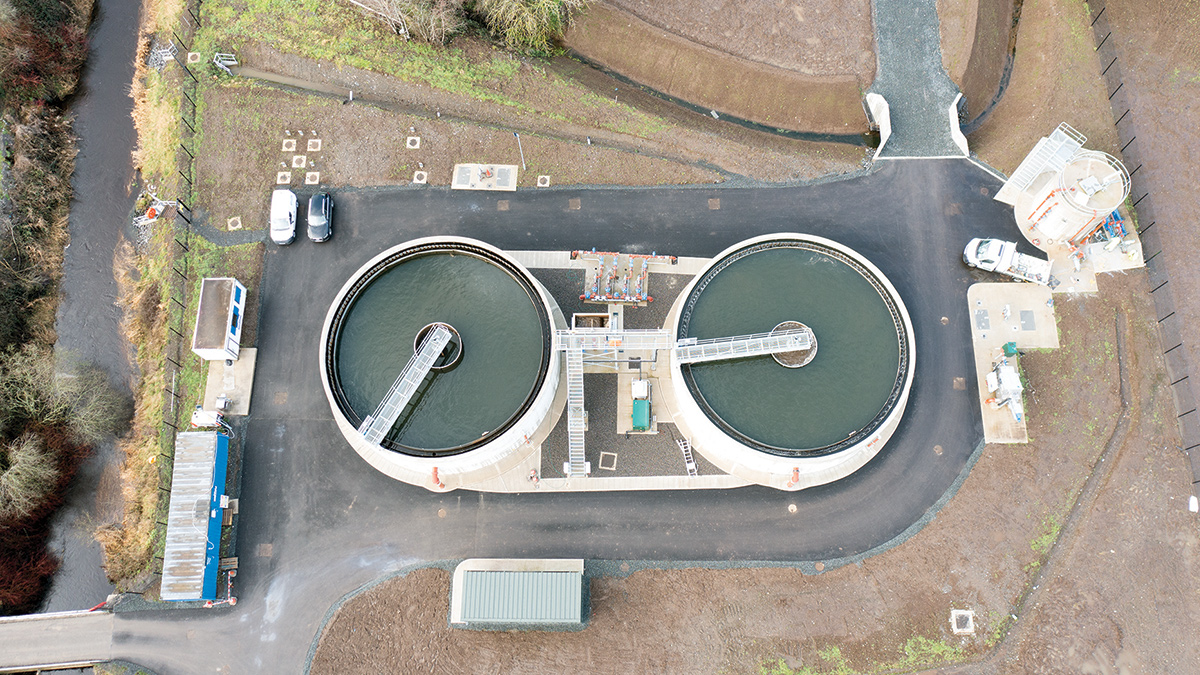
Completed FSTs – Courtesy of Coffey
These excavations were supported using sheet-piled cofferdams with internal bracing, and deliveries were coordinated on a just-in-time basis to avoid congestion and maintain safe access.
The project also required trenchless installation of transfer pipelines beneath the River Blackwater. This avoided in-channel disturbance and reduced environmental risk, while still allowing the new treatment and sludge handling systems to be connected effectively. Elsewhere, culvert diversion works, flood defence construction and scour protection were carried out in a carefully sequenced manner alongside the live plant.
Reed bed establishment & commissioning
Commissioning of the SDRB system demanded an approach that differed markedly from conventional mechanical process plant. Because the system depends on the successful establishment of the reeds and the associated biological environment, programme planning had to account for plant procurement, seasonal growing cycles and the timing of sludge loading.
The reeds had to be procured 15 months before planting and grown to a robust condition before installation. Planting was limited to April–June, so commissioning required sludge loading to begin at the right time to support growth without overloading the system. Ensuring sufficient feeding cycles before winter was critical to establish resilience. This biological constraint directly influenced the overall programme.
On completion of commissioning, the SDRBs underwent a 15 month process proving period to capture the full seasonal cycle of the SDRBs and ensure regrowth of the reeds each spring.
The project team’s experience in coordinating procurement, planting, process commissioning and operational readiness represents an important learning point for future reed bed schemes. Unlike conventional equipment, the lead-in period for biological elements can extend well beyond standard procurement timescales and can materially affect the construction sequence if not recognised early.
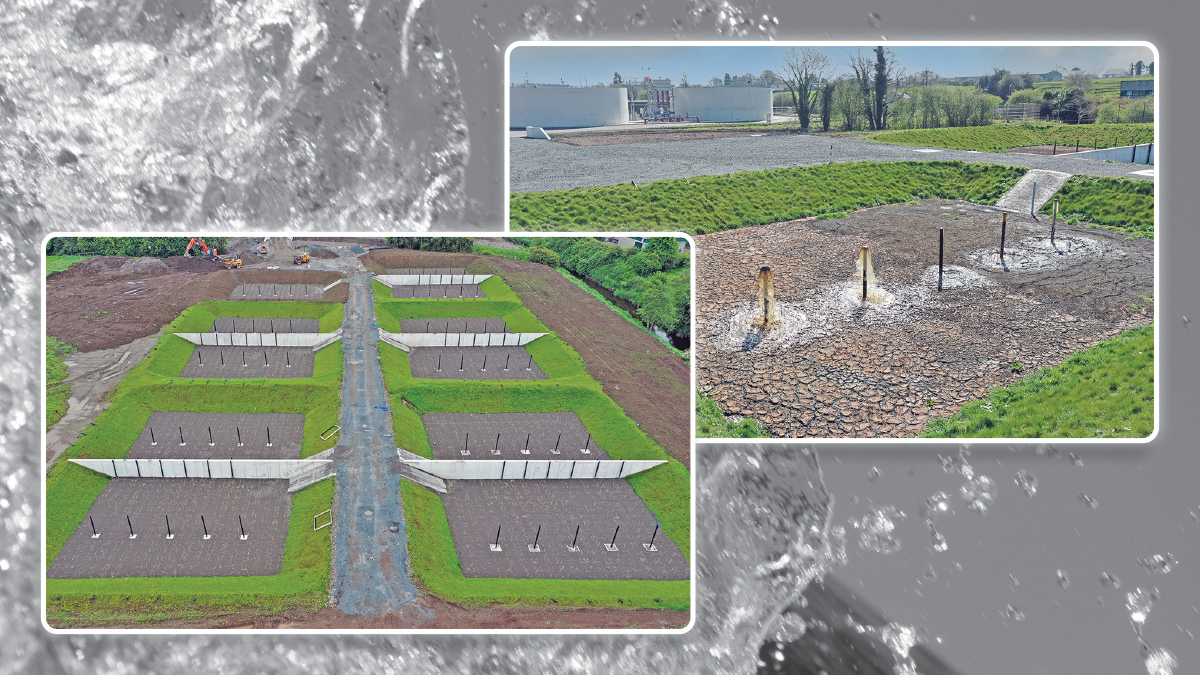
(top right) Feeding of the SDRBs and (bottom left) Completed SDRB’s with over 13,500 reeds planted awaiting commissioning – Courtesy of Coffey
Environmental management & biodiversity
The plant’s location beside the River Blackwater imposed stringent environmental controls on the delivery of the works. In-stream activities were restricted to a defined seasonal window, and the project had to manage the risks of silt release, pollution, bank instability and disturbance to aquatic and riparian habitats.
A detailed environmental management plan was implemented, supported by silt control measures, settlement arrangements, spill prevention systems and close monitoring of river-related activities.
The reed bed solution itself contributed to the project’s environmental objectives by providing a low-energy and low-chemical method of sludge treatment. In addition, biodiversity enhancement measures were incorporated into the wider scheme. These included native planting, screening, habitat connectivity measures and ecological features associated with drainage and culvert works. The landscape treatment helped integrate the reed beds visually into the site and supported the aim of creating a softer edge to what could otherwise have been a visually intrusive extension to the treatment works.
Reuse of excavated materials within embankments and site grading also reduced the need for imported fill and off-site disposal, delivering both cost and carbon benefits. Combined with trenchless crossings and reduced sludge transport requirements, this contributed to the project’s wider sustainability performance.
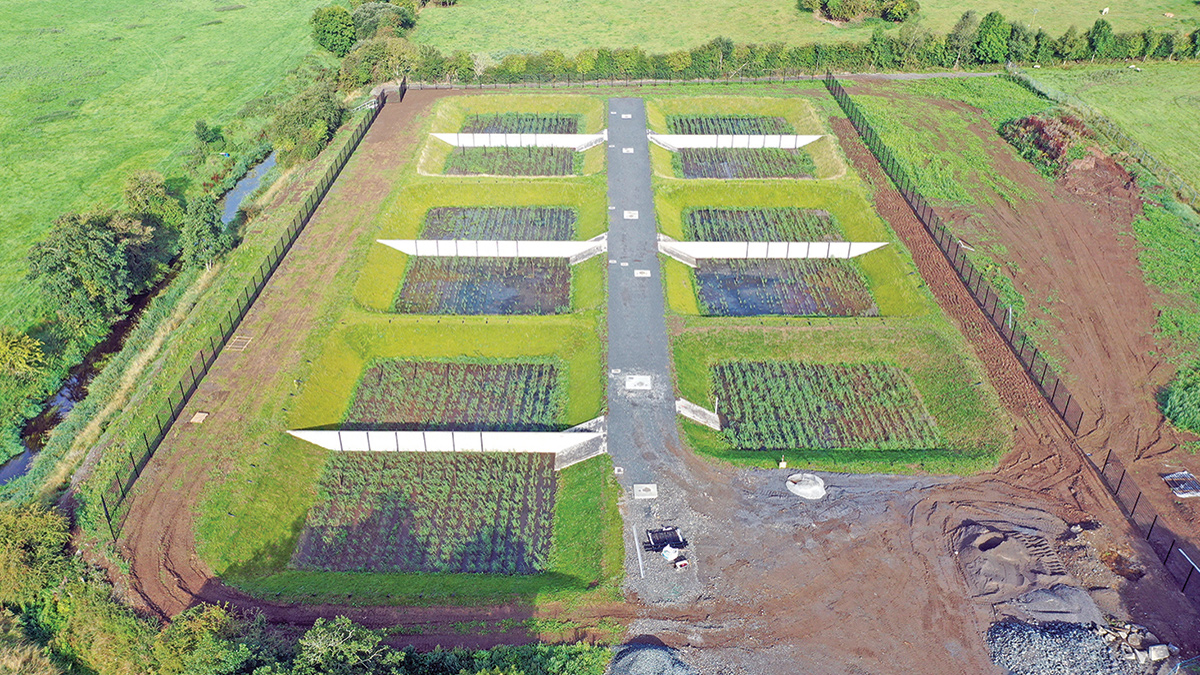
SDRBs during commissioning – Courtesy of Coffey
Measurable outcomes
The source material identifies several measurable benefits of the SDRB solution, most notably the elimination of routine mechanical sludge dewatering and polymer dosing. It also records the removal of around 155 HGV movements per year for sludge disposal, equivalent to 17,763km of avoided travel annually.
In energy terms, the project data indicates an annual electricity saving of 3,744 kWh as a result of eliminating conventional sludge dewatering. Over the filling cycle of the reed beds, the cumulative savings are stated as approximately 48,750 kWh, together with over 231,000km of avoided HGV travel. While these figures should be confirmed against final operational data as the plant continues to bed in, they demonstrate the scale of the whole-life benefit that underpinned the original optioneering decision.
The project also delivered broader process and asset benefits, including improved treatment capacity, modernised control systems, more resilient pumping and sludge transfer infrastructure, and flood and scour protection works adjacent to the river. Taken together, these measures provided not just a capacity increase, but a substantial upgrade in plant robustness and future readiness.
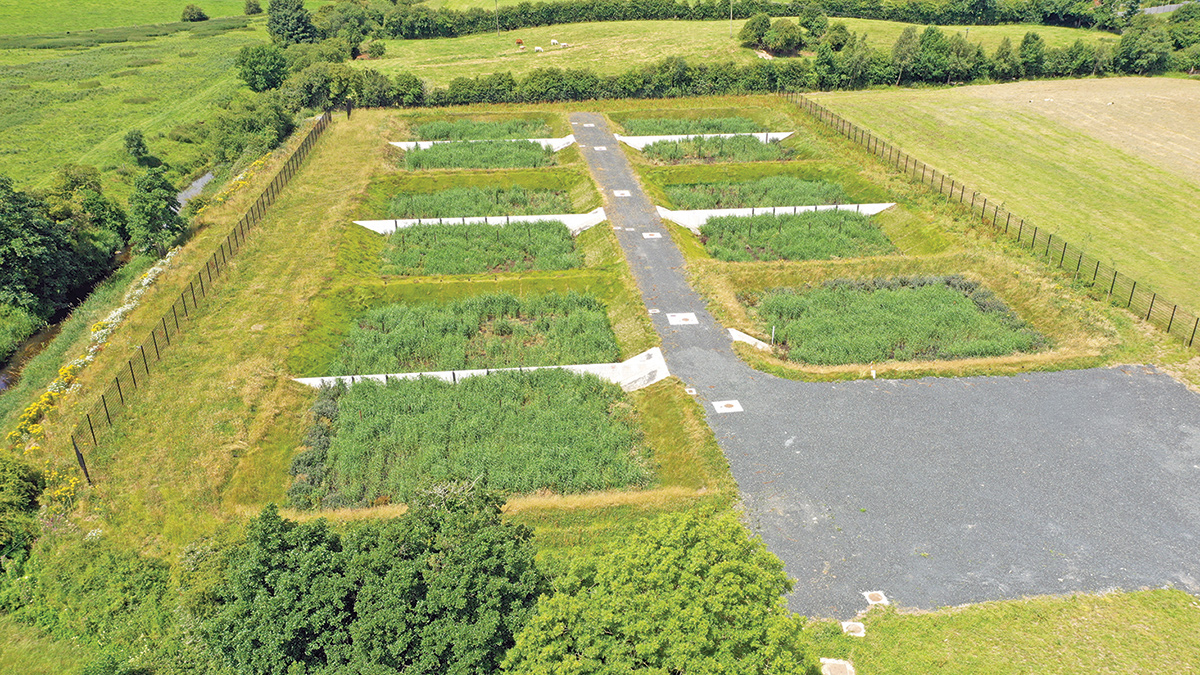
SDRB cells four months into year 2 growth – Courtesy of Coffey
Challenges & lessons learned
A number of lessons emerge from the Enfield project that are relevant to other wastewater treatment schemes considering reed bed technology. The first is that SDRBs should be treated not simply as a civil structure with planting, but as a biological process system with its own commissioning, loading and lifecycle requirements. Early feasibility assessments must include characterisation studies of the influent and assess factors which may affect the SDRBs.
The second is that live-site delivery needs to be integrated fully into both the construction and process strategies. At Enfield, successful delivery depended on maintaining treatment compliance at all times while new structures, pumping systems and control equipment were introduced around the existing plant. Temporary pumping, power resilience, fallback control arrangements and close operator involvement were all critical.
The third is that nature-based solutions can deliver significant operational and environmental value when they are supported by rigorous engineering. The Enfield reed beds are not an informal landscape feature but a carefully engineered process installation incorporating drainage design, containment, hydraulic control, specialist commissioning and long-term operational planning.
Conclusion
The Enfield WwTP Expansion demonstrates how a conventional wastewater treatment upgrade can be strengthened through the targeted adoption of a nature-based process solution. Delivered on a live brownfield site beside a sensitive watercourse, the project required careful sequencing, robust temporary works, close environmental control and an integrated civil, MEICA and process design effort.
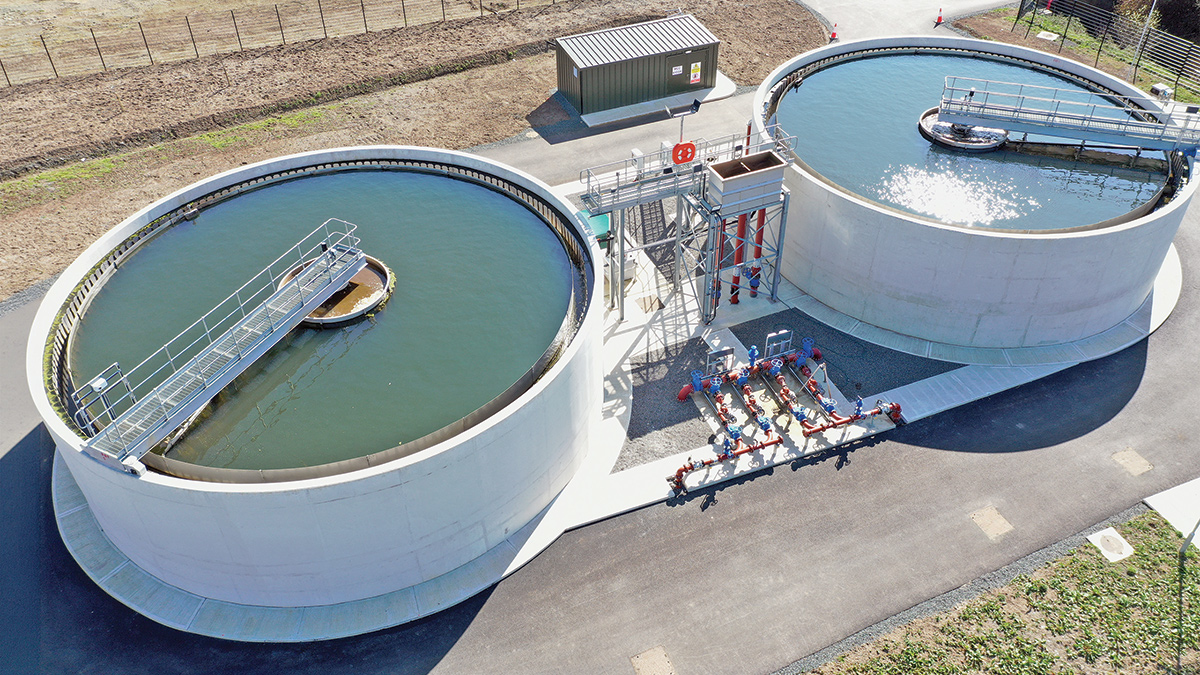
FST 1 & 2 with above ground RAS/WAS manifold in foreground – Courtesy of Coffey
Its most distinctive achievement was the successful implementation of an 11-bed sludge drying reed bed system as a long-term alternative to conventional mechanical sludge dewatering. In doing so, the scheme reduced operational complexity, avoided routine chemical use, lowered energy demand and significantly cut sludge transport requirements, while also creating a more landscape-led and environmentally responsive form of infrastructure.
Alongside the upgraded treatment processes, pumping systems, final settlement tanks and control infrastructure, the reed bed installation has provided Enfield with a more resilient and sustainable wastewater treatment asset.
The project also offers a useful precedent for the wider application of sludge drying reed bed technology at other suitable wastewater treatment sites where land availability, loading patterns and long-term sustainability objectives align.