
WEST Project (2026)
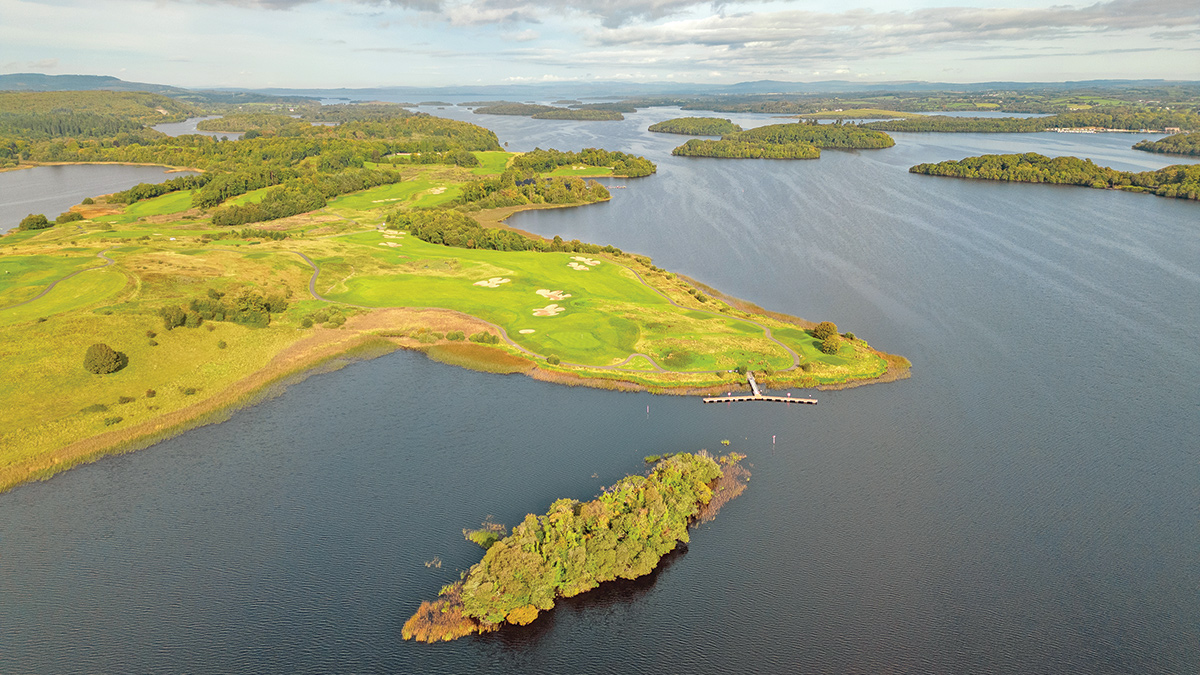
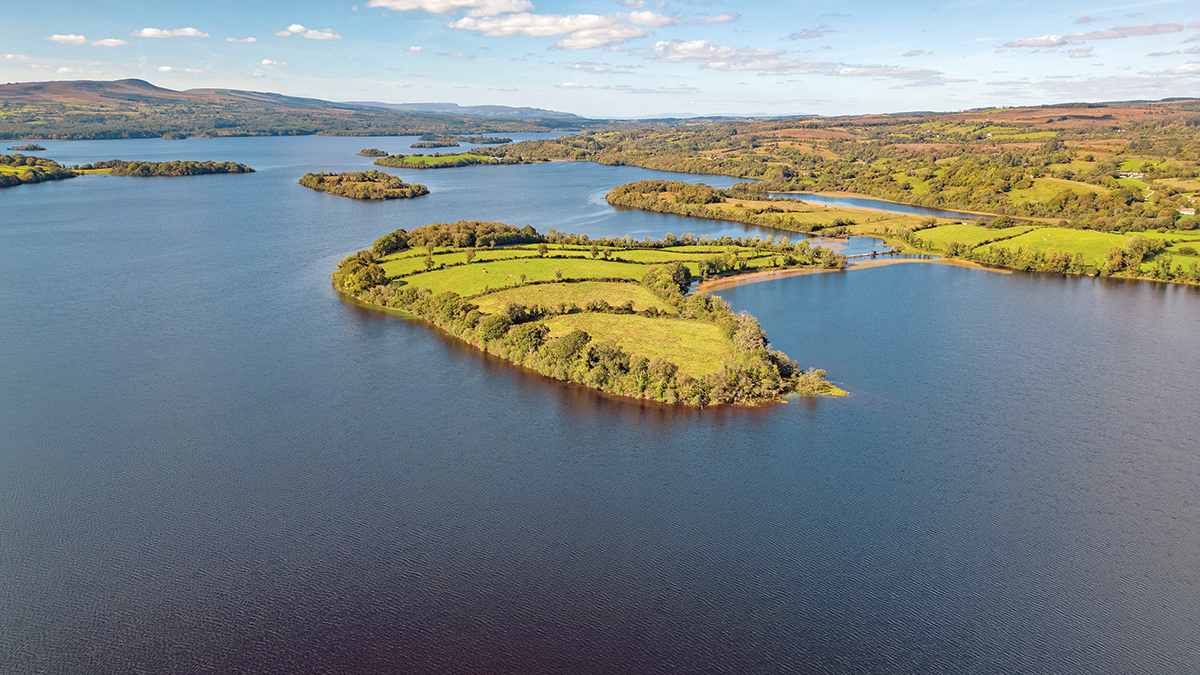
Lough Erne - Courtesy of WEST Project
The Water Enhancements through Sustainable Treatment (WEST) Project represents one of the most ambitious cross-border water quality initiatives currently being undertaken on the island of Ireland. Developed through collaboration between NI Water and Uisce Éireann, and supported by the PEACEPLUS Programme, managed by the Special EU Programmes Body (SEUPB), the €32 million project aims to improve water quality within the North-Western International River Basin District through a combination of sustainable wastewater treatment technologies, extensive environmental monitoring, and advanced catchment modelling.
Background
The project focuses on key water bodies including Lough Erne, Lough Melvin and Donegal Bay, which are affected by a combination of wastewater discharges, agricultural activities, forestry operations, septic tank inputs and urban runoff.
Rather than addressing individual pollution sources in isolation, the WEST Project adopts a catchment-based approach that aims to understand the cumulative impact of all contaminant sources while developing practical and sustainable solutions capable of delivering long-term environmental improvements.
Scheduled for completion in 2029, the project combines capital investment in wastewater infrastructure with the development of strategic tools that will guide future investment decisions across the region. By bringing together wastewater treatment innovation and data-driven environmental management, the WEST Project seeks to create a lasting legacy for water quality improvement throughout the cross-border catchment.
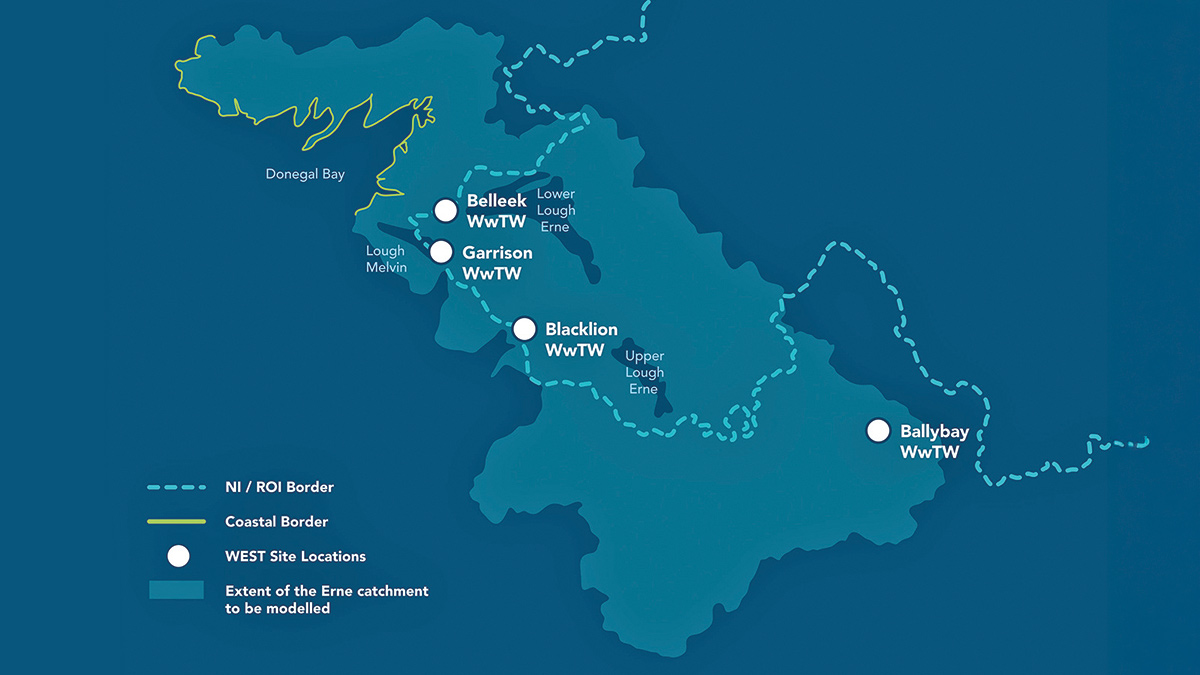
WEST Project Erne catchment – Courtesy of WEST Project
Background & project drivers
Many rural communities located within the Erne, Melvin and Donegal Bay catchments face significant wastewater treatment challenges. Existing treatment assets in several locations are approaching the limits of their design capabilities, while increasingly stringent environmental regulations require improved treatment performance and enhanced protection of sensitive receiving waters.
Several of the project locations have experienced restrictions on future residential and commercial growth due to limited treatment capacity. In addition, nutrient enrichment and intermittent pollution events continue to place pressure on local rivers, lakes and coastal waters, affecting ecological quality, recreational use and wider economic activity.
Traditional wastewater treatment solutions can often involve high construction costs, significant energy consumption and intensive operational requirements. The WEST Project therefore seeks to investigate and demonstrate innovative treatment systems capable of providing equivalent or improved environmental performance while reducing carbon emissions, operating costs and whole-life environmental impact.
The project also recognises that effective investment decisions require a detailed understanding of pollution pathways throughout an entire catchment. Consequently, capital works are being supported by a comprehensive water quality modelling programme that will identify priority investment areas and support future planning.
Sustainable treatment strategy
A central objective of the WEST Project is the development of a Sustainable Treatment Strategy and associated Action Plan aimed at addressing wastewater-related pressures across rural communities.
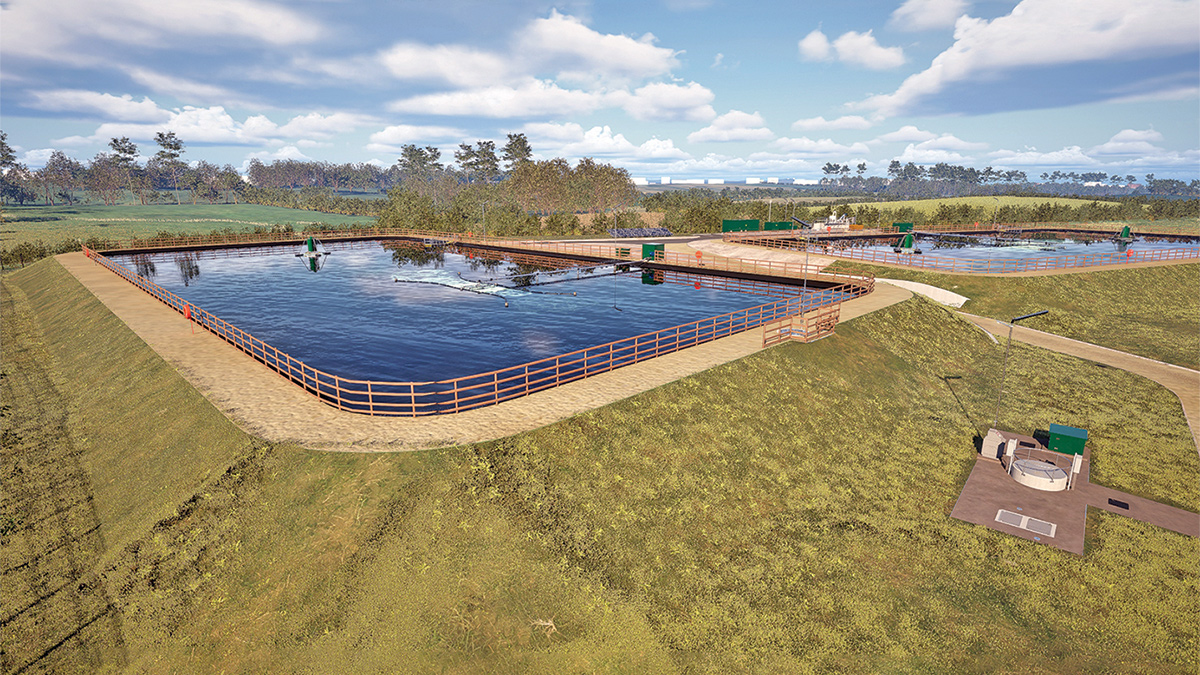
CGI of new sustainable Belleek WwTW – Courtesy of WEST Project
The strategy evaluates innovative wastewater treatment technologies that may provide advantages over more conventional treatment approaches. Key benefits being explored include:
- Lower construction costs.
- Reduced energy consumption.
- Simplified operation and maintenance.
- Minimal operator intervention.
- Reduced sludge handling requirements.
- Greater resilience to flow variations.
- Reduced odour and noise impacts.
- Enhanced biodiversity opportunities.
- Lower whole-life carbon emissions.
By assessing the performance of demonstration projects under real operating conditions, the WEST Project will generate valuable evidence that can inform future wastewater investment programmes throughout the region.
Water quality modelling programme
Running alongside the wastewater treatment upgrades is an extensive environmental monitoring and water quality modelling programme focused on the Erne catchment. The modelling framework is designed to provide a flexible and data-driven understanding of hydraulic and water quality conditions across the catchment. The programme seeks to identify pollution sources, assess ecological health and establish a robust evidence base that can support future investment decisions.
A significant field data collection programme has been established, which includes continuous environmental monitoring, routine river and lake sampling, wet-weather event monitoring, river level monitoring, rainfall monitoring and laboratory analysis of collected samples.
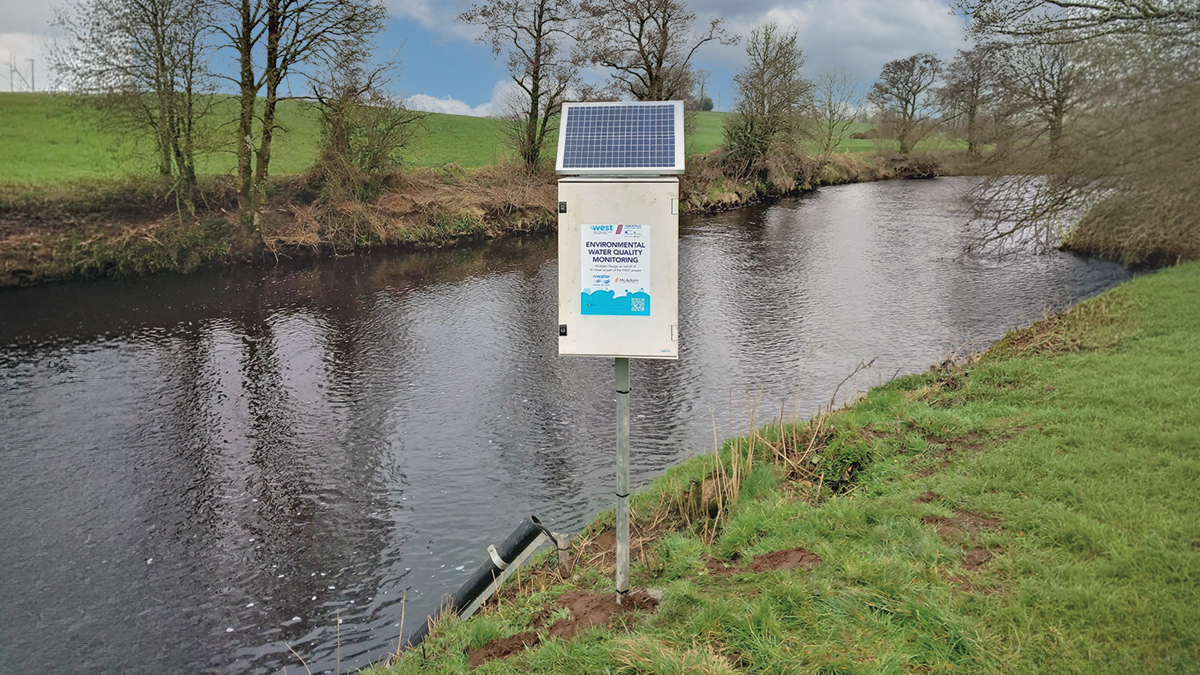
Sonde installation as part of environmental modelling in the Erne catchment – Courtesy of WEST Project
By integrating information from wastewater assets, land use, septic tanks, drainage networks and other environmental pressures, the model provides a comprehensive picture of the factors influencing water quality within the catchment. The outputs will support:
- Compliance with environmental regulations.
- Evidence-based decision-making.
- Prioritisation of investment.
- Identification of cost-effective solutions.
- Development of future water quality strategies.
- Delivery of targeted environmental improvements.
Importantly, the modelling programme will help ensure that future investments are directed towards interventions capable of delivering the greatest environmental benefit.
Delivery partners & technology suppliers
The WEST Project provides an opportunity for NI Water and Uisce Éireann to trial emerging technologies for particular sites. At the time of writing (July 2026), the project partners selected for the delivery of the WEST Project include:
- Project management (for NI Water): McAdam
- Main contractor (Garrison & Belleek): BSG Civil Engineering Ltd
- Designers for BSG: RPS Tetra Tech
- Aero-Fac® technology: Gurney Environmental
- Phragmifiltre® technology: ARM Group
- Vortex powered aeration technology: VorTech Water Solutions Ltd
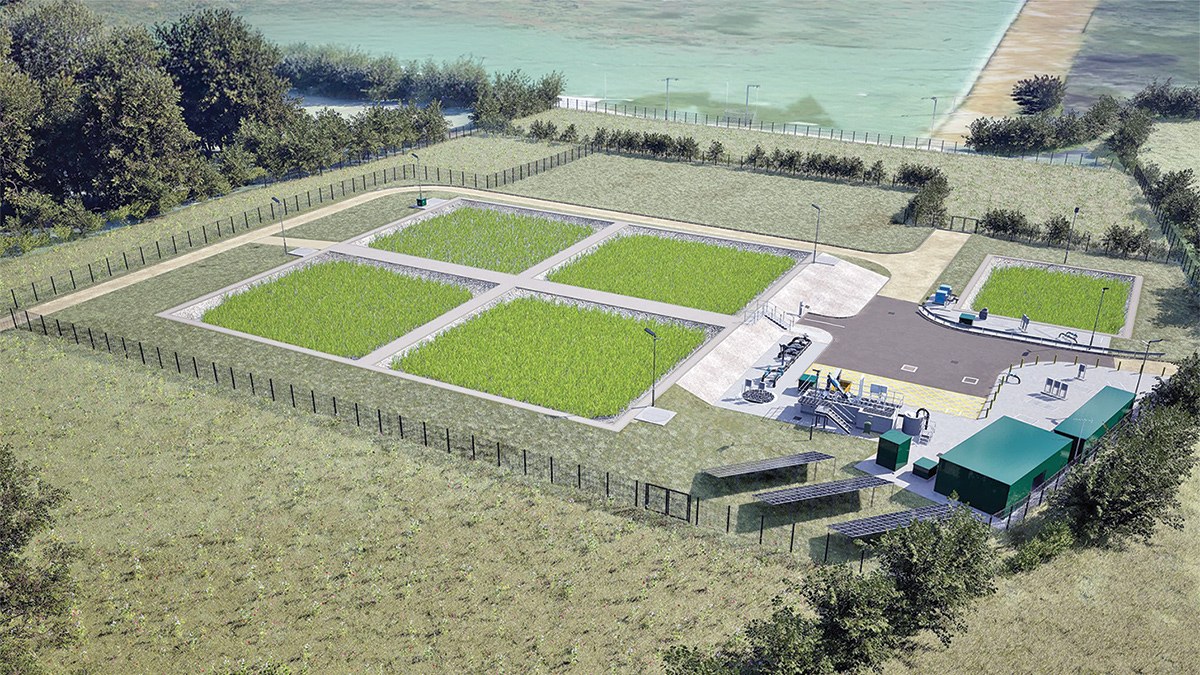
CGI of new sustainable Garrison WwTW – Courtesy of WEST Project
Treatment works sites
Funding has been approved for the following four capital upgrades to be delivered as demonstration projects:
Belleek Wastewater Treatment Works – NI Water
Located in County Fermanagh, Belleek WwTW faces challenges associated with limited treatment capacity and significant infiltration within the sewerage network. During periods of high rainfall, hydraulic loading can exceed treatment capacity, increasing the risk of stormwater discharges to the River Erne.
To address these issues, the project team proposed the innovative Aero-Fac® treatment process from Gurney Environmental. The system differs significantly from conventional wastewater treatment facilities by eliminating the need for pre-screening, primary settlement tanks, clarifiers, chemical dosing and sludge dewatering facilities. The process offers several operational benefits:
- Excellent hydraulic flexibility.
- Minimal maintenance requirements.
- Very low energy demand.
- Reduced sludge production.
- Low operational costs.
- Absence of odour nuisance.
By providing improved treatment performance while reducing operational complexity, the Belleek scheme demonstrates how innovative technologies can simultaneously deliver environmental, operational and economic benefits.
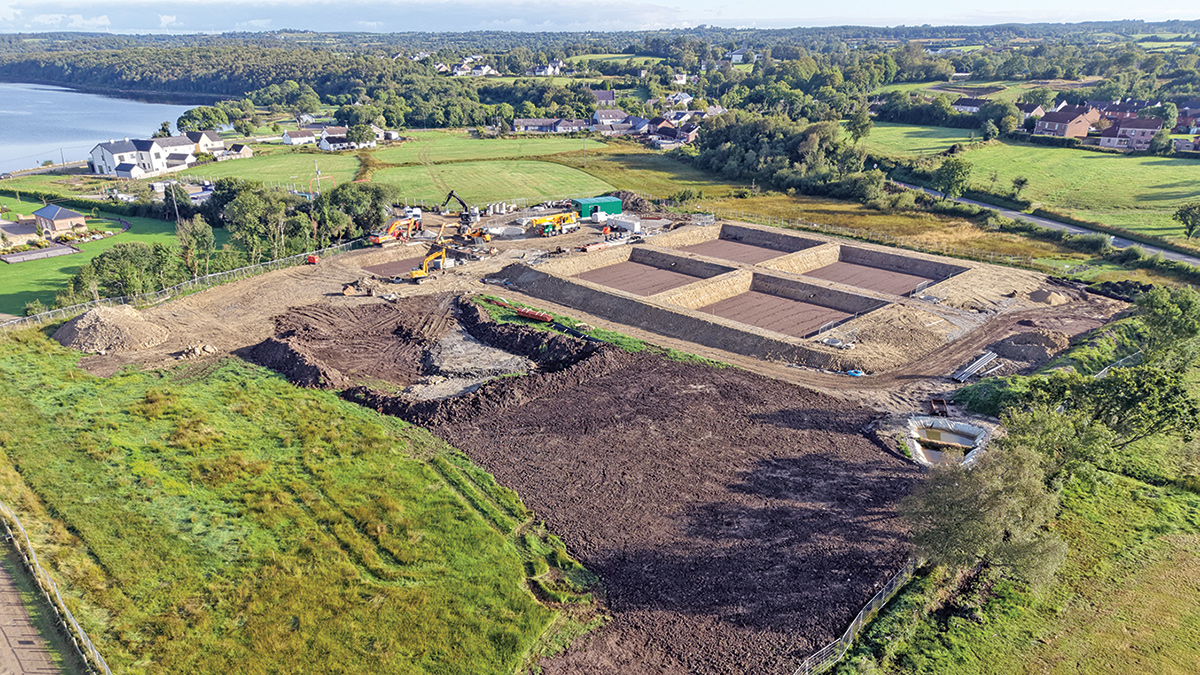
Garrison reed bed construction August 2026 – Courtesy of WEST Project
Garrison WwTW – NI Water
The Garrison upgrade will use a sustainable Phragmifiltre® system from ARM Group for complete sewage treatment. This vertical-flow constructed wetland technology uses multiple treatment stages to produce high-quality effluent while reducing energy consumption and operator input. The system is well suited to rural communities where sustainability, operational simplicity and resilience are key project drivers.
The project is also intended to provide valuable operational data regarding the long-term application of sustainable treatment technologies in Irish and Northern Irish conditions.
Ballybay Wastewater Treatment Plant – Uisce Éireann
At Ballybay, wastewater treatment improvements will increase available treatment capacity and facilitate future residential and economic growth within the community. By providing enhanced treatment performance while maintaining alignment with the broader environmental objectives of the WEST Project, the Ballybay upgrade forms an important component of the programme’s regional investment strategy.
Key elements of the work will include enhancements to the plant’s aeration system, installation of telemetry for improved monitoring and control, and upgrades to the return activated sludge (RAS) and waste activated sludge (WAS) systems. A new vortex-powered aerator (VPA) system will replace the existing aeration equipment.
The technology from VorTech Water Solutions Ltd combines a surface-mounted vortex unit with an integrated submersible pump to provide both oxygen transfer and process mixing. Its patented cyclonic-flow design delivers exceptionally high air entrainment rates, improving biological treatment efficiency while reducing energy consumption.
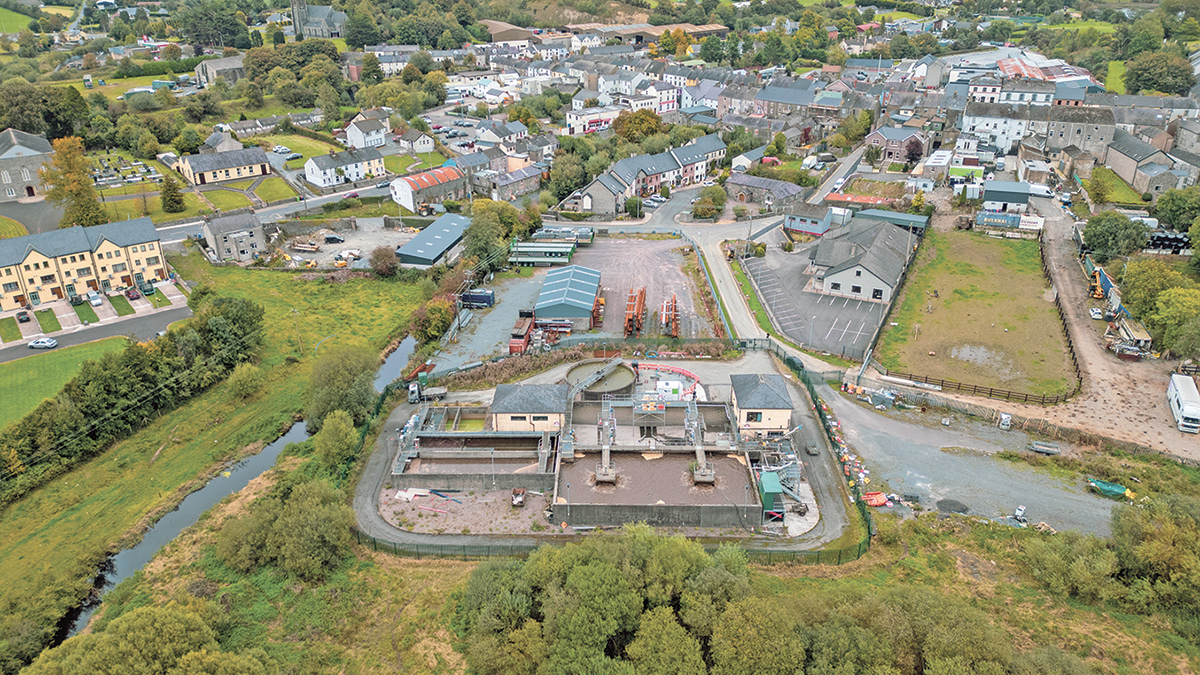
Existing Ballybay WwTP – Courtesy of WEST Project
Blacklion Wastewater Treatment Plant – Uisce Éireann
The Blacklion WwTP in County Cavan is approaching the end of its operational design life and requires upgrading to meet future discharge standards and accommodate projected population growth. The proposed replacement system uses a three-stage treatment process consisting of:
- Stage 1: Reed bed treatment: Four reed beds will provide initial solids capture and dewatering while promoting biological treatment through natural filtration processes.
- Stage 2: Aerated vertical flow reed bed: A single aerated reed bed will provide enhanced nutrient removal, and controlled aeration will improve biological activity and treatment efficiency while maintaining low energy consumption.
- Stage 3: Reactive media phosphorus removal: A batch-fed reactive media system to remove residual phosphorus without the use of chemicals, external water supplies or significant energy inputs.
The overall treatment train combines natural processes with targeted enhancement technologies to achieve high treatment performance while maintaining a low environmental footprint.
The installation will provide both NI Water and Uisce Éireann with valuable operational experience of this innovative technology, helping to inform the design and delivery of future projects across Ireland. By improving final effluent quality and reducing nutrient inputs to receiving waters, the scheme is expected to deliver wider environmental benefits throughout the Erne catchment.
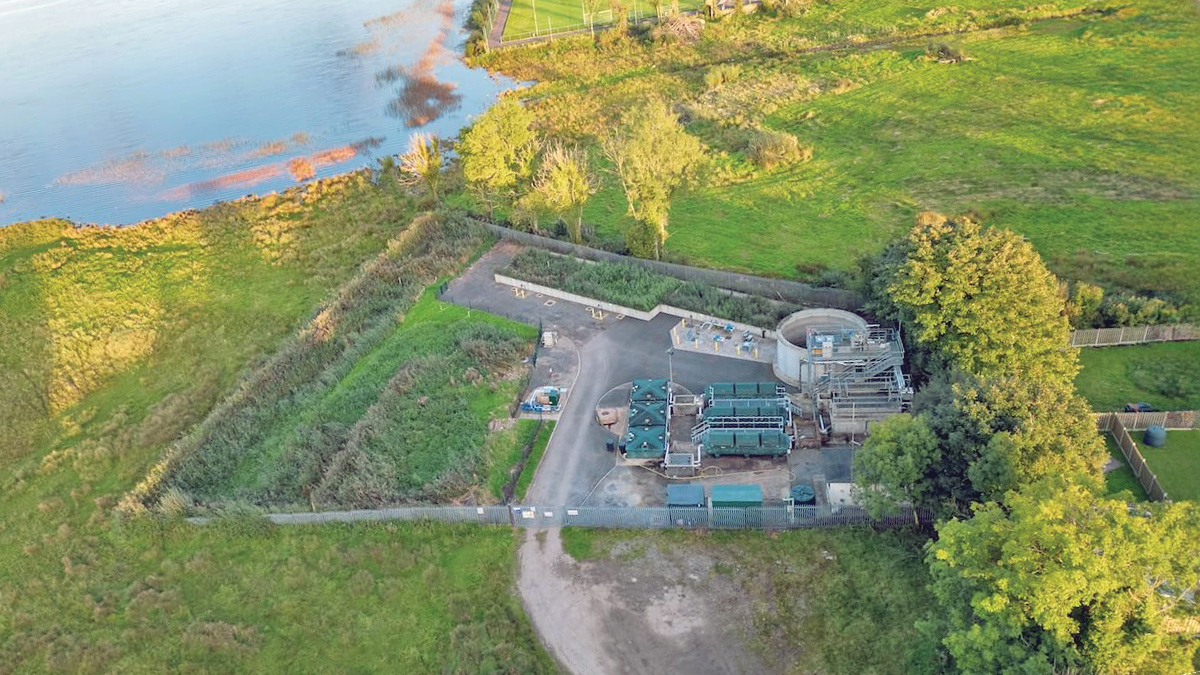
The existing Blacklion WwTP – Courtesy of WEST Project
Environmental & community benefits
The WEST Project extends well beyond wastewater treatment infrastructure. Improved effluent quality will contribute to:
- Enhanced river and lake water quality.
- Reduced nutrient loading.
- Improved ecological health.
- Greater protection of sensitive aquatic habitats.
- Enhanced recreational opportunities.
- Support for angling and water-based tourism.
- Improved bathing and shellfish water protection.
The project will also demonstrate how sustainable treatment technologies can support climate objectives through lower energy consumption and reduced carbon emissions compared with traditional treatment solutions. By creating greater wastewater treatment capacity, the project will additionally support economic development and population growth within rural communities that might otherwise face development restrictions.
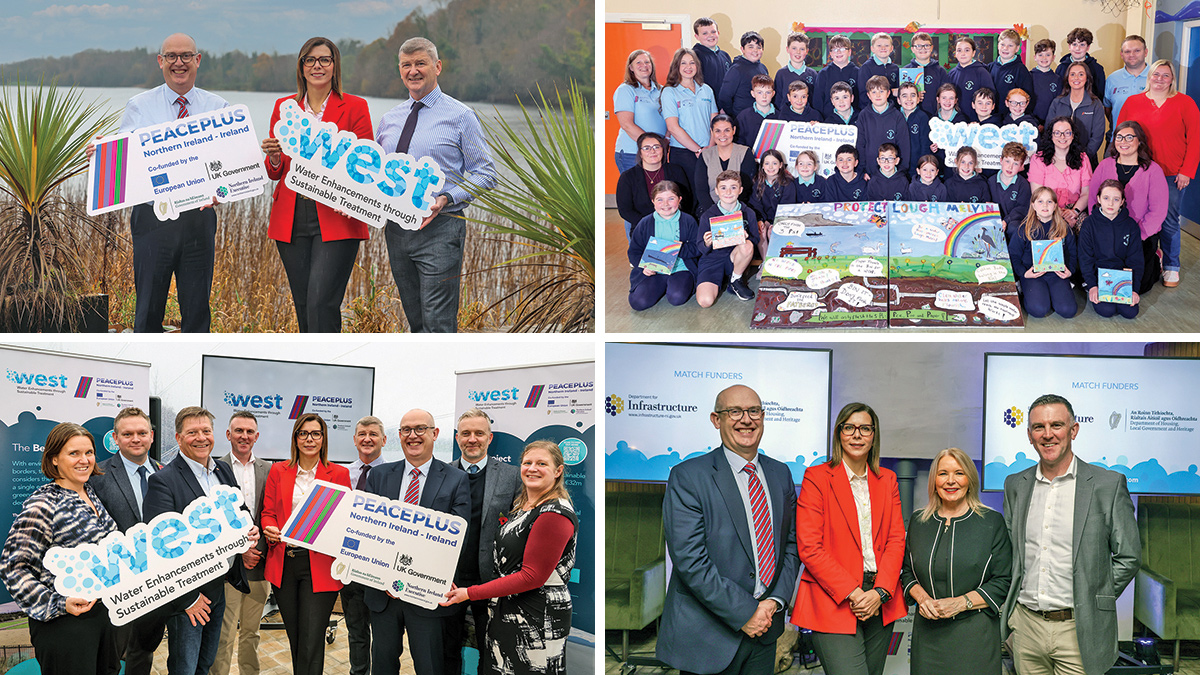
Senior personnel from SEUPB, NI Water and Uisce Éireann at the launch of the €32m WEST Project & pupils from St. Martin’s Primary School, Garrison, with the WEST Project outreach team at an interactive art workshop – Courtesy of WEST Project
Conclusion
The WEST Project represents an innovative and integrated response to some of the most significant water quality challenges facing the North-Western International River Basin District. Through a combination of sustainable wastewater treatment technologies, comprehensive environmental monitoring and advanced catchment modelling, the project seeks to deliver measurable improvements in water quality while establishing a framework for future investment.
The demonstration schemes at Ballybay, Belleek, Blacklion and Garrison will provide valuable evidence on the performance of low-carbon treatment technologies, while the extensive modelling programme will generate the knowledge required to target future interventions effectively. By combining environmental stewardship, engineering innovation and cross-border collaboration, the WEST Project provides a compelling example of how modern wastewater infrastructure can deliver benefits for communities, regulators and the environment alike, creating a lasting legacy that will extend far beyond the life of the programme itself.
For more information, please visit: https://west-project.com/
Lough Erne - Courtesy of WEST Project