
Lower Largo WwTW (2026)
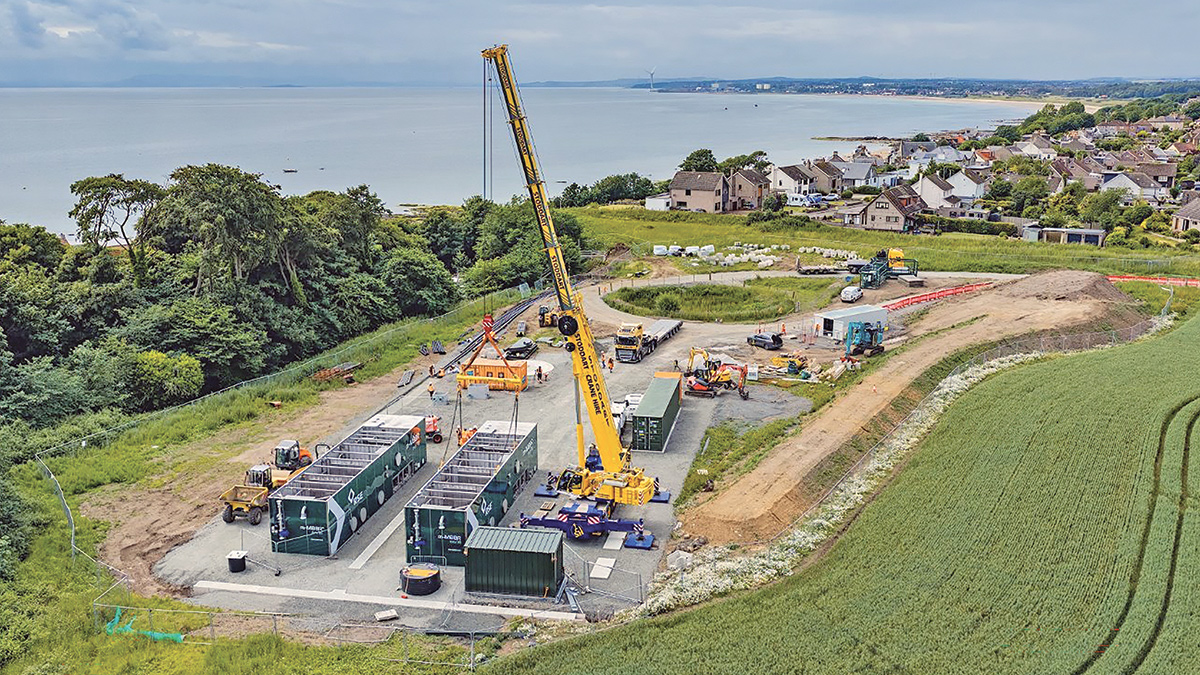
View of the Lower Largo WwTW site - Courtesy of RSE
The existing septic tank in Lower Largo is located on the Fife coastline and serves the local community, discharging treated effluent to the coastal environment adjacent to Lower Largo beach. As environmental standards continue to evolve across the UK water sector, protection of receiving waters has become an increasing priority for wastewater operators. Lower Largo beach is designated as a bathing water location, requiring Scottish Water to implement measures to support compliance with Scottish Environment Protection Agency (SEPA) bathing water standards ahead of the 2026 bathing season.
Project background
The requirement for a temporary operational treatment solution within a fixed regulatory timeframe presented a significant challenge. Enhanced treatment performance was required while operating within the space, utility and programme constraints of an existing coastal site.
Conventional infrastructure upgrades were considered during option development. However, procurement lead times associated with major treatment equipment created significant programme risk. In particular, some tertiary treatment and ultraviolet (UV) disinfection systems were subject to lead times of up to 48 weeks, making delivery within the required timeframe difficult.
Scottish Water therefore required a flexible temporary solution capable of rapidly improving treatment performance while maintaining future options for permanent site investment.
Following assessment of available alternatives, RSE’s modular m-MBBR® temporary treatment solution was selected as the preferred approach.
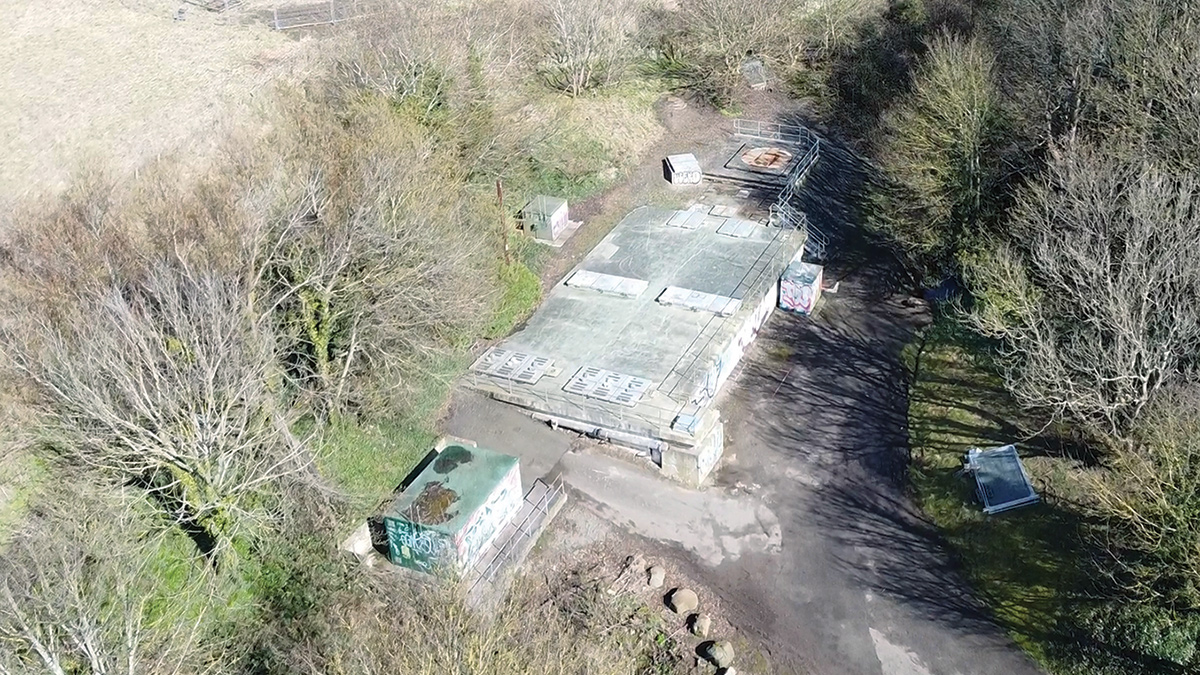
Existing Lower Largo septic tank prior to the project upgrade – Courtesy of RSE
Project drivers
The principal driver for the scheme was the requirement to improve final effluent quality and support compliance with bathing water quality objectives. A number of additional factors influenced the project strategy.
The programme required design, procurement, manufacture, installation and commissioning activities to be completed within an accelerated timeframe ahead of the 2026 bathing water season.
Existing site infrastructure provided limited spare capacity in terms of power supply and available footprint, requiring careful integration of new treatment assets within the operational works.
Investigations undertaken during project development also identified seawater ingress into sections of the upstream sewer network. The resulting variations in wastewater characteristics required consideration during treatment process development and operational planning.
In addition, construction activities had to be undertaken adjacent to a designated bathing water location while minimising disruption to local residents, businesses and visitors.
Solution selection
A range of treatment options was assessed to determine the most effective means of delivering the required water quality improvements within the available timeframe.
Permanent treatment upgrades were technically feasible but carried considerable programme risk due to equipment procurement periods and the extent of site construction required. The project therefore focussed on identifying a deployable treatment solution capable of achieving the required outcome while accelerating delivery.
RSE’s modular m-MBBR® solution was selected because it could be manufactured off site, delivered as modular treatment assets and rapidly integrated into the existing treatment process.
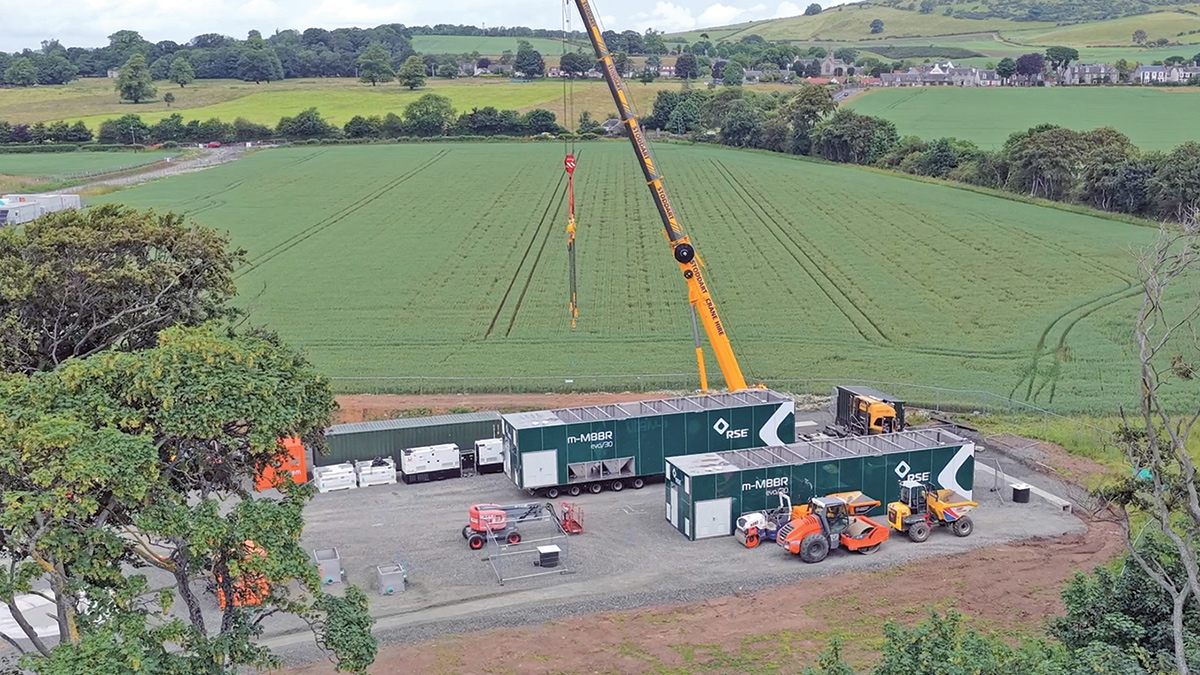
EVO 30 m-MBBR® units being delivered – Courtesy of RSE
The modular approach reduced programme risk, minimised site construction requirements and enabled multiple project activities to progress simultaneously. The hire-based deployment strategy also provided Scottish Water with flexibility while future long-term asset planning for the site continues.
Lower Largo WwTW: Supply chain – key participants
- Main designer & contractor: RSE
- Civil works: Lindsays
- Sewer works on beach: Ipsum
- Modular m-MBBR® technology: RSE
- UV units: Xylem Water Solutions
- Microscreens: Marlowe Environmental Services
- Sludge tank: Franklin Hodge
- Generators: SLD Pumps & Power
- Fencing: James Strang
Treatment process configuration
The temporary treatment facility was designed to provide additional biological treatment, tertiary solids removal and disinfection prior to discharge. The installation comprises:
- Two EVO 30 m-MBBR® units.
- Two UV disinfection plants.
- Microscreen treatment systems.
- New pumping infrastructure.
- Electrical modular building (LMB).
- Temporary generator installation and associated power infrastructure.
Wastewater is transferred from the existing treatment process via a dedicated pumping arrangement and routed through the temporary treatment facility before being returned to the existing outfall infrastructure.
The process configuration comprises:

Process configuration – Courtesy of RSE
This arrangement provides multiple treatment barriers within a compact footprint and enables additional treatment performance to be introduced without extensive modification to existing site infrastructure.
The modular configuration was particularly advantageous within the constrained site environment, allowing treatment assets to be rapidly deployed while maintaining operational continuity.
m-MBBR® biological treatment technology
The core treatment process is provided by two EVO 30 m-MBBR® units incorporating Moving Bed Biofilm Reactor (MBBR) technology.
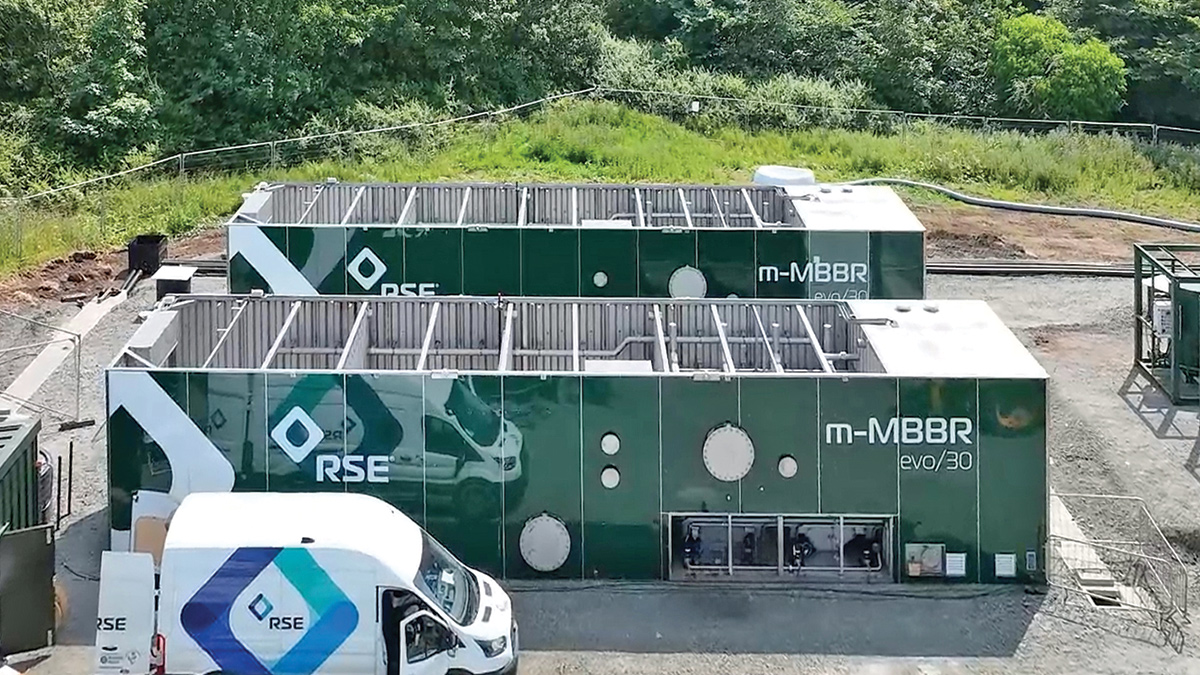
Installation of the RSE EVO 30 m-MBBR® units (June 2026) – Courtesy of RSE
MBBR technology utilises free-moving carrier media suspended within an aerated reactor tank. The carrier media provides a protected surface area for the growth of naturally occurring microorganisms that form a biological biofilm.
As wastewater passes through the reactor, these microorganisms metabolise biodegradable organic material, reducing pollutant concentrations within the treated flow. Continuous aeration provides oxygen required for biological activity while maintaining movement of the carrier media throughout the reactor volume.
The use of suspended carrier media enables large quantities of active biomass to be retained within a relatively compact reactor footprint. This allows treatment performance to be increased without the substantial tankage requirements associated with some traditional biological treatment processes.
For Lower Largo, the m-MBBR® solution from RSE provided a practical means of introducing additional biological treatment capacity within a limited footprint and compressed delivery programme. The modular arrangement also facilitated off-site manufacture and rapid deployment.
Microscreen filtration
Downstream of the biological treatment stage, treated flows pass through microscreen filtration units from Marlowe Environmental Services. The microscreens provide a tertiary treatment stage by removing residual suspended solids remaining after biological treatment. This polishing step improves effluent quality and assists in protecting the performance of downstream UV disinfection equipment.
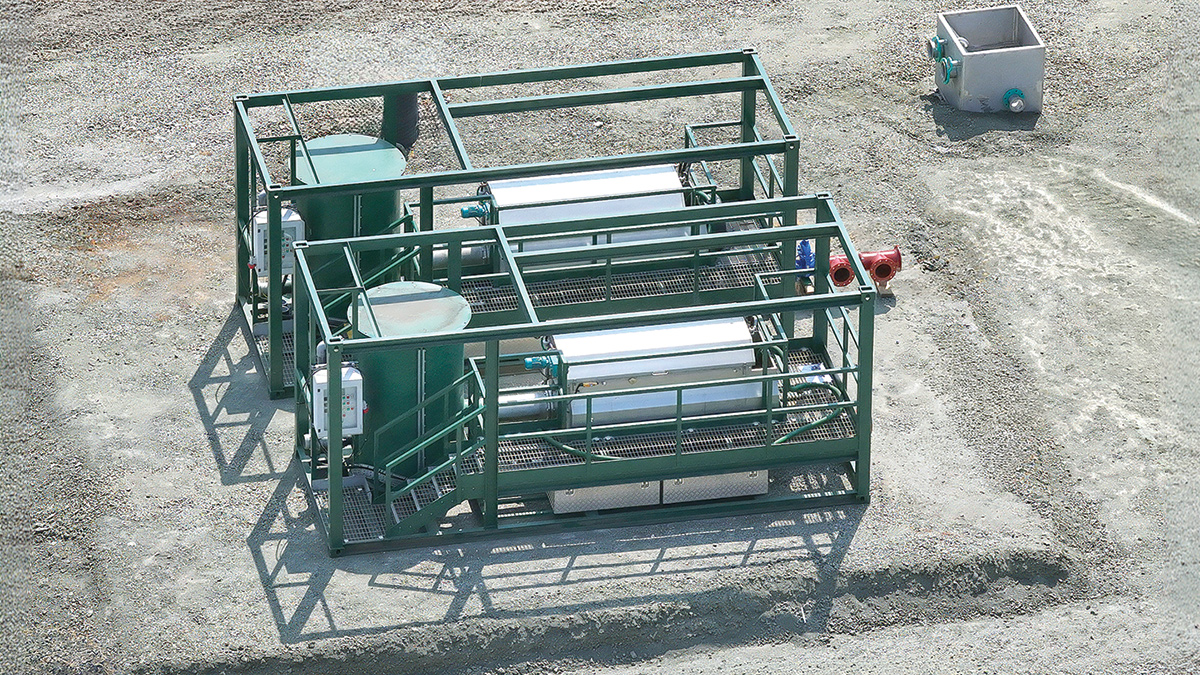
The two hired Marlowe Environmental microscreens – Courtesy of RSE
By reducing particulate loading, the microscreens improve UV transmittance and help maximise the effectiveness of the disinfection stage.
The integration of microscreen technology within the temporary treatment train provides an additional level of process robustness and contributes to the overall treatment objectives of the scheme.
UV disinfection process
Following tertiary treatment and prior to discharge via the existing outfall, final effluent passes through two UV disinfection plants from Xylem Water Solutions. Ultraviolet disinfection uses high-intensity UV light to damage the genetic material of microorganisms, preventing reproduction and reducing bacterial concentrations within the treated effluent.
Unlike chemical disinfection processes, UV treatment does not require chemical dosing or generate chemical residuals within the receiving environment. This makes the process particularly suitable for applications involving environmentally sensitive receiving waters and bathing water locations.
The UV stage provides a final treatment barrier prior to discharge and forms an important component of the overall treatment strategy.
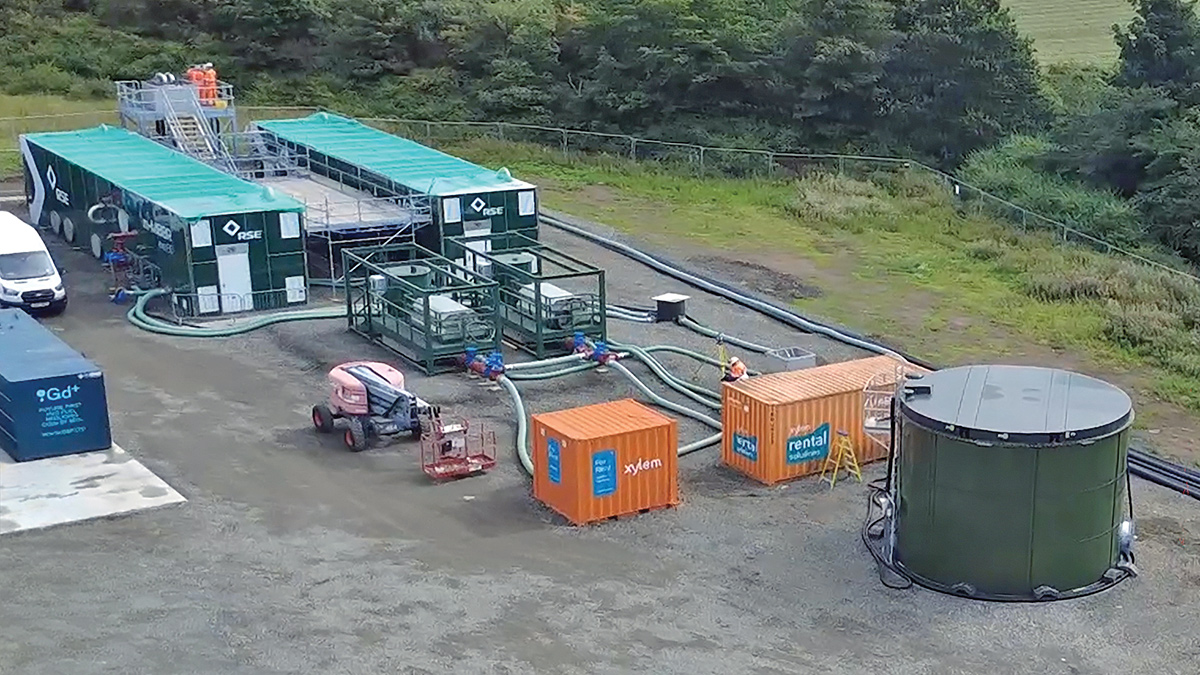
The hired UV plant from Xylem Water Solutions – Courtesy of RSE
Construction delivery
The installation was completed within an accelerated 6-month programme encompassing civil, mechanical, electrical, process and commissioning works.
The scope included installation of the temporary treatment plant, pumping infrastructure, process pipework, electrical systems, control systems, modular building installation and temporary power generation facilities.
Successful delivery required close coordination between design, manufacturing and site installation teams. The modular nature of the m-MBBR® solution enabled treatment assets to be fabricated and prepared off site while civil works progressed in parallel.
This approach significantly reduced on-site installation durations compared with conventional construction methods and helped minimise programme risk associated with the regulatory delivery deadline.
The use of modular equipment also reduced interface complexity during installation and simplified integration with the existing treatment works.
Technical challenges
One of the key technical challenges encountered during the project was seawater ingress into sections of the existing sewer network.
Investigations and surveys were undertaken to understand the extent of infiltration and assess the impact on wastewater characteristics entering the treatment process. The findings informed both operational planning and wider asset considerations beyond the immediate project scope.
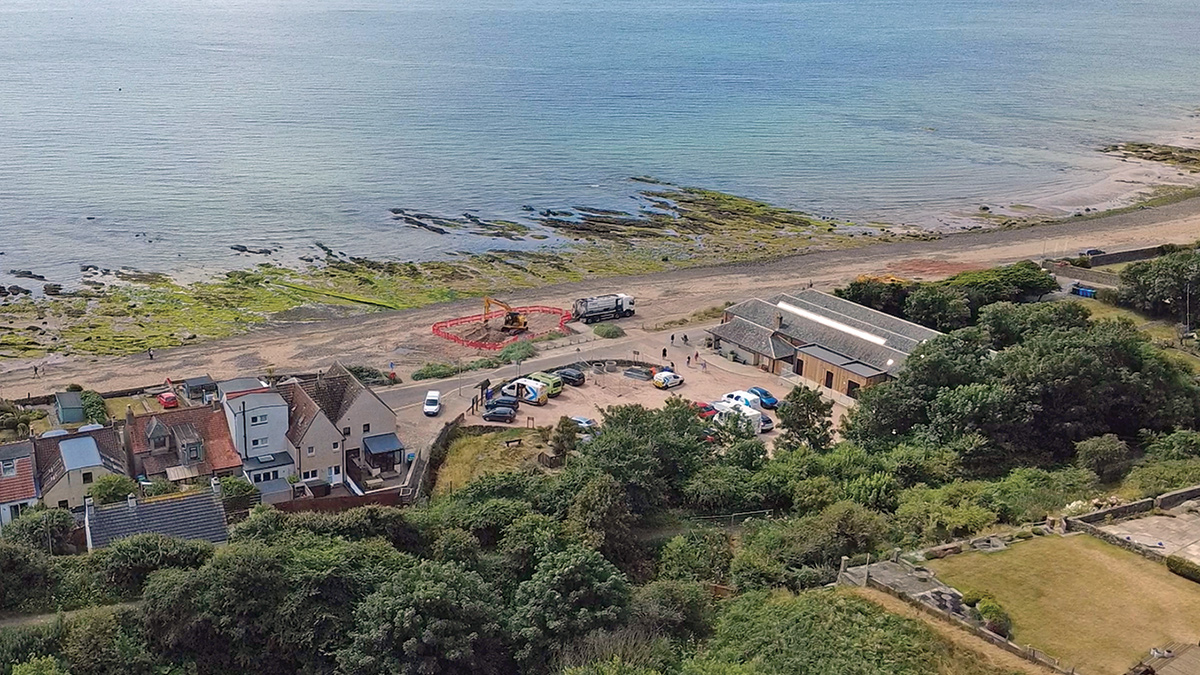
Lower Largo Beach where 600m of damaged sewer was repaired to reduce saline ingress entering the new treatment process – Courtesy of RSE
Power availability represented a further constraint. Existing electrical infrastructure required supplementary temporary power generation to support operation of the treatment plant. The installation of a dedicated generator and electrical modular building ensured reliable power provision for the temporary facility.
The coastal location also required careful planning of equipment deliveries and construction activities, particularly given the proximity of the site to public amenities and residential areas.
Early performance results
Early commissioning data indicates that the treatment process is establishing rapidly and delivering encouraging performance improvements:
- Conductivity reduced from approximately 26,000 µS/cm to 8,116 µS/cm following sewer repair works.
- COD reduced by over 90%, from 354 mg/l to 31 mg/l.
- Turbidity reduced by over 98%, from 116 FNU to 1.8 FNU.
- Ammonia reduced by approximately 50%, from 31.1 mg/l to 15.8 mg/l.
- Strong biological establishment achieved after only three weeks of operation.
- Progression towards full commissioning of the microscreen and UV treatment stages.
Programme, sustainability & asset management benefits
The use of modular treatment technology delivered a number of advantages compared with a conventional permanent construction approach.
Off-site manufacture reduced site construction activity, shortened installation periods and improved programme certainty. The approach also reduced reliance on long-lead permanent treatment assets that would have introduced additional delivery risk.
From an asset management perspective, the hire-based deployment model provided Scottish Water with flexibility while future investment decisions continue to be evaluated.
The modular treatment assets can also be redeployed to future projects, extending asset utilisation and reducing the potential for redundant infrastructure. This supports a more sustainable approach to temporary treatment provision and aligns with wider industry objectives around efficient resource use and reduced construction impacts.
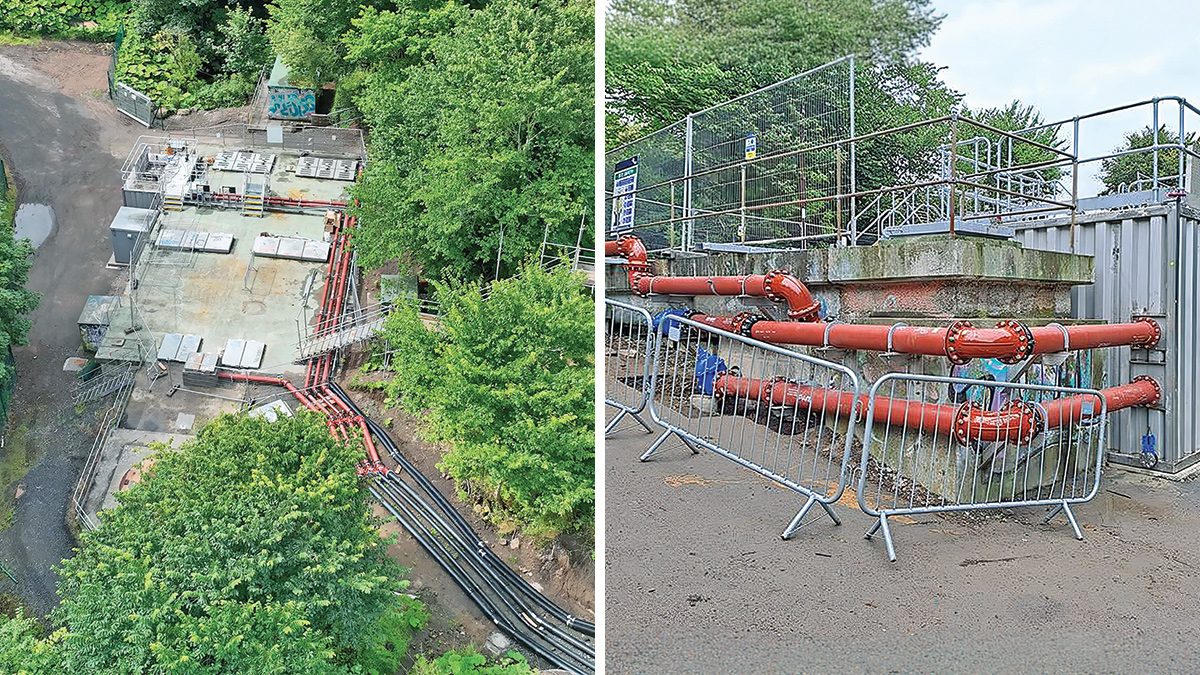
(left) Aerial view of the septic sludge tank , with pump mains & return sludge pipework feeding the new MBBRs and (right) tie in pipework to the existing septic tank – Courtesy of RSE
Project status & future outlook
At the time of writing (September 2026), civil, mechanical, electrical and process installation activities have been completed, with media installation and final commissioning activities ongoing.
Commissioning and operational testing are progressing in parallel, with the MBBRs brought into operation in August. The microscreens and UV units will follow once successful MBBR outlet samples have been achieved, with treatment performance and functionality assessed throughout the process.
The Lower Largo WwTW Project demonstrates how modular treatment technologies can be deployed rapidly where environmental improvements are required within demanding regulatory timescales. By combining m-MBBR® biological treatment, microscreen filtration and UV disinfection within an integrated modular treatment train, the scheme provides Scottish Water with a flexible solution designed to support bathing water quality objectives while informing future long-term infrastructure decisions.
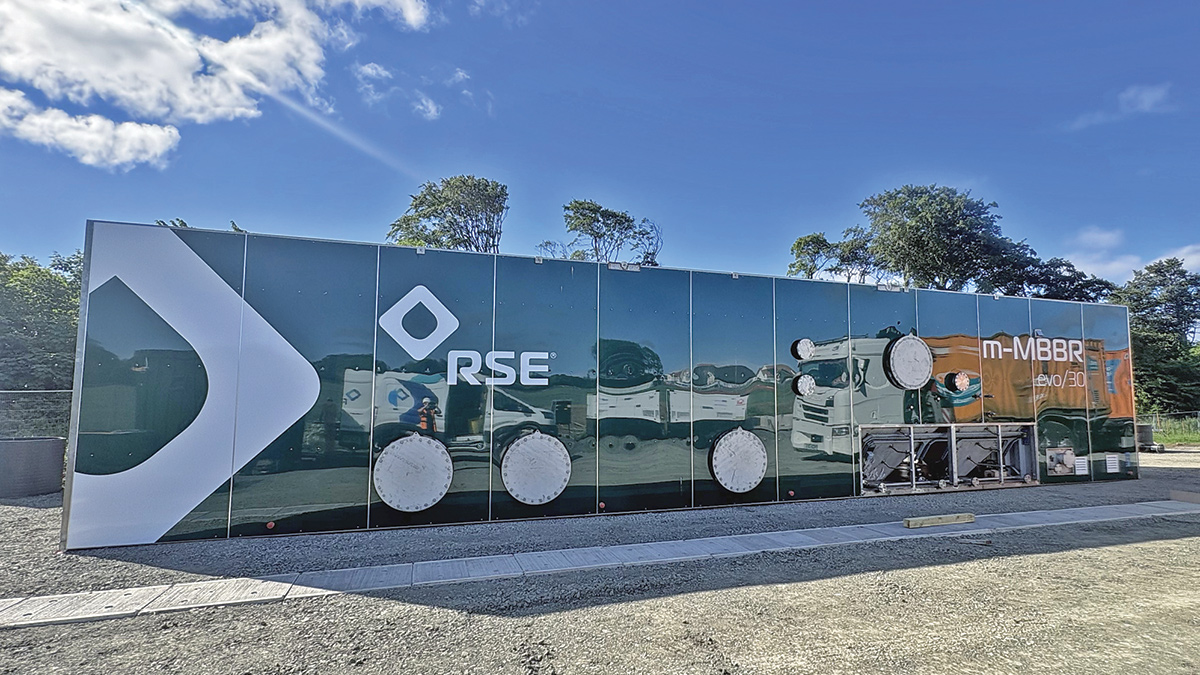
RSE EVO 30 m-MBBR® units - Courtesy of RSE