
Frankton, Itchen Bank & Ludlow STWs (2025)
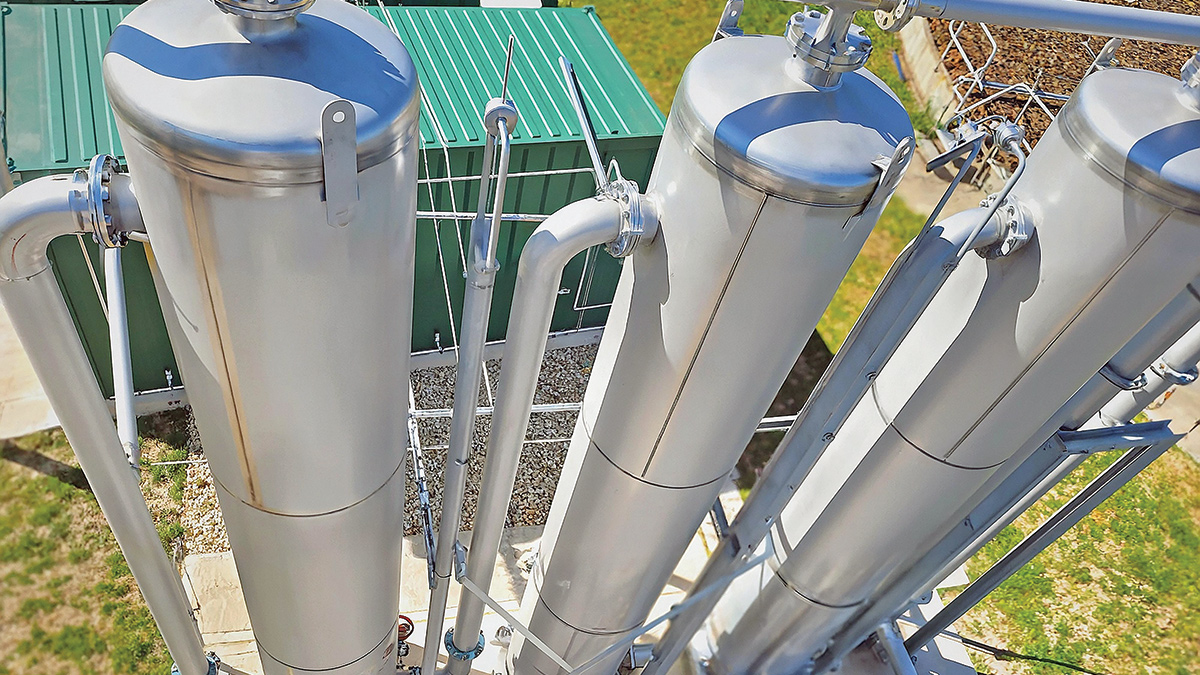
Frankton STW ozone treatment plant from Curio Group - Courtesy of Severn Trent
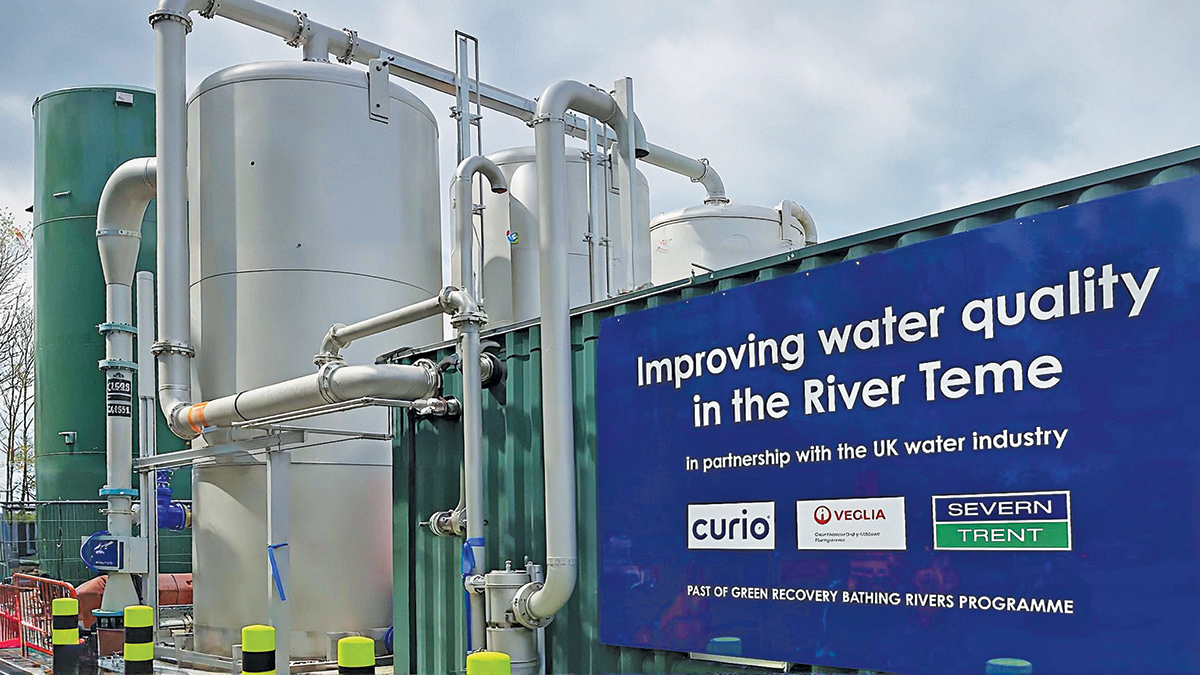
As part of the UK government’s Green Recovery programme, Severn Trent initiated a series of transformative projects aimed at enhancing river water quality and ecological health. Among these, the deployment of ozone treatment technology at Frankton, Itchen Bank, and Ludlow Sewage Treatment Works marked a pioneering step in UK wastewater management. Delivered under the Bathing Rivers initiative, the ozone scheme targeted the reduction of faecal indicator bacteria and micro-pollutants in final effluent, with the goal of improving river water quality in the River Leam and River Teme catchments by March 2025. The scheme introduced ozone disinfection as an additional treatment stage at the end of the sewage treatment process. Ozone is already widely used in drinking water treatment across Europe but this is the first time it has been trialed in wastewater treatment in the UK.
Technical overview of ozone treatment
The ozone treatment systems installed at Frankton, Itchen Bank, and Ludlow STWs were designed to deliver high-efficiency disinfection while maintaining operational safety and adaptability. Each site features three ozone contact tanks arranged in series, forming a single downward-flow water path.
Ozone (O3) gas is introduced via ceramic dome diffusers at the base of the first two tanks, creating a cloud of fine bubbles that maximises the surface area for gas-liquid interaction. This counter-current flow (water moving downward while ozone bubbles rise) enhances mass transfer efficiency and ensures thorough mixing.
Installation at Ludlow STW – Courtesy of Severn Trent
The third contact tank provides an extended reaction time, allowing any residual ozone to complete its disinfection process before effluent discharge. To prevent environmental harm, excess ozone is captured in sealed airspaces and directed to destructors via vacuum pipework. These destructors use catalytic conversion to break down ozone safely, with the resulting air vented at high level outside the containerised plant.
Each site’s ozone dosing is governed by a dual-mode control system. In fixed dosing mode, operators can set a constant ozone dose proportional to flow, typically within the 1–7 mg/l range. During commissioning, a 2 mg/l dose was identified as optimal for achieving target water quality. Adaptive control allows the plant to respond dynamically to changes in effluent quality, maintaining treatment efficacy while minimising ozone consumption.
Safety was a core design principle. Each contact tank was equipped with anti-siphon loops, non-return valves, and water-in-pipe detectors to prevent back flow and ensure safe operation. The ozone plants were housed in pre-assembled containers with integrated gas monitoring systems, enabling rapid deployment and minimising on-site construction. These modular units also facilitated maintenance and future scalability. Ozone gas monitors are a required item of personal protective equipment for operatives of the ozone plants.
Site information
Frankton STW, located in Warwickshire, is a biofilter works with chemical dosing for phosphate removal. The ozone plant was integrated with a tertiary solids removal (TSR) system to meet suspended solids requirements. The ozone systems at all three sites include two generators and three contact tanks, with a target dose range of 1–7 mg/l.
The integration of ozone treatment at the sites required careful coordination with existing infrastructure and process flows. The TSR unit plays a critical role in preparing the final effluent for ozone contact by reducing suspended solids to below 25 mg/l, the threshold necessary for effective ozone transfer and reaction. The ozone plant is housed in modular, containerised units, allowing for rapid installation and minimal disruption to site operations. These units include built-in safety systems such as gas detectors, sealed airspaces, and automated destructors to manage residual ozone.
The Itchen Bank and Ludlow ozone plants operate in the same way as Frankton’s except they are fed by liquid oxygen, as opposed to compressed air at Frankton.
The system includes safeguards such as anti-siphon loops, non-return valves, and residual ozone monitors. The destructors featured pre-heaters and catalytic converters to safely break down residual ozone before venting. The system is fully automated, with built-in fault detection and bypass capabilities to maintain operational continuity. The plant’s design emphasised safety, efficiency, and adaptability, contributing to improved effluent quality and reduced environmental impact.
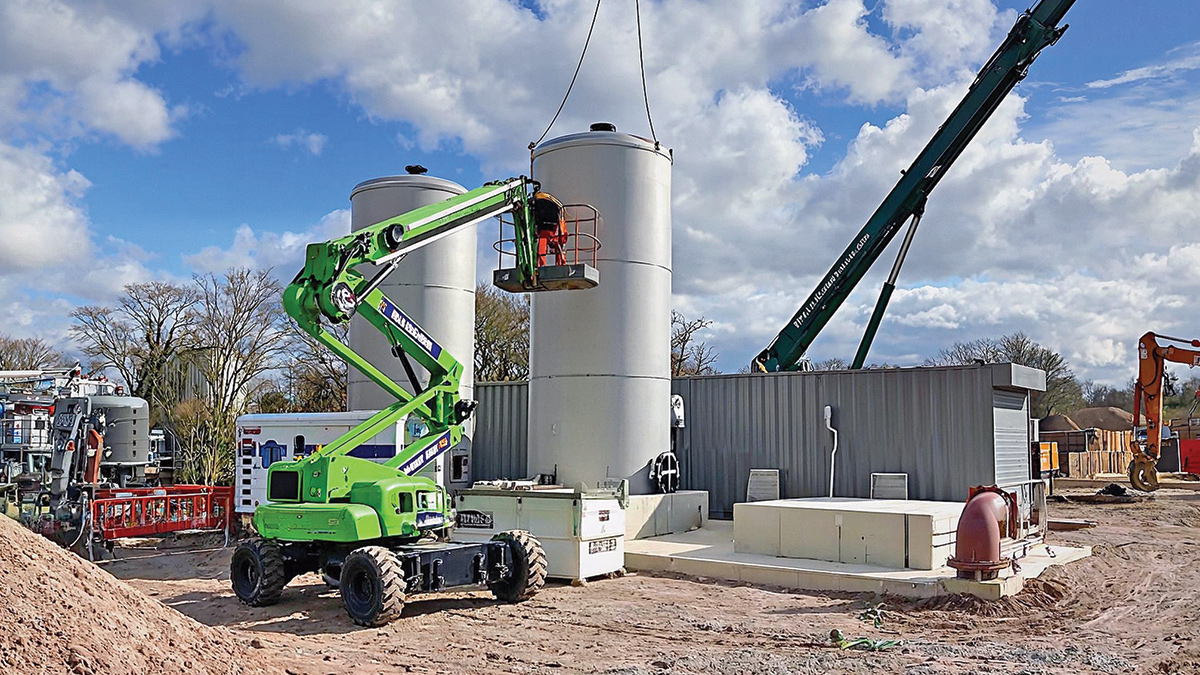
Tank installation at Itchen Bank – Courtesy of Severn Trent
Ozone Treatment Plants: Supply chain – key participants
- Civil engineering & groundworks: Kier
- Ozone plant supplier: Curio Group
- Liquid oxygen supplier: Air Products
Monitoring & compliance
Each site will follow a rigorous monitoring protocol over a two-year trial period. Spot sampling for E.Coli and Enterococci will be conducted fortnightly, with continuous monitoring of ozone dose, concentration, and residual levels. Action limits were defined for by-products such as bromate, with automatic shutdown protocols in place. Data will be submitted quarterly to the Environment Agency, with a final report due after 24 months.
Environmental outcomes
The ozone treatment trials delivered measurable improvements in final effluent quality across all three sites, with expectation to significantly reducing concentrations of faecal indicator bacteria such as E. coli and Enterococci, as well as trace pharmaceuticals including carbamazepine and metformin. These reductions directly contribute to enhanced river health in the Leam and Teme catchments, supporting aquatic biodiversity and improving conditions for river recreational use.
By removing contaminants that are typically resistant to conventional treatment methods, ozone disinfection helps to mitigate risks to both human health and sensitive fluvial ecosystems. The improved effluent quality also reduces the impact of final effluent discharges, aligning with the goals of the Bathing Rivers programme and supporting compliance with emerging water quality standards.
The modular design of the ozone plants, pre-assembled in shipping containers, enabled rapid deployment and minimised disruption to existing site operations. This approach not only reduced construction time and carbon footprint but also provided a scalable model for future installations. The closed-loop ozone systems, equipped with real-time monitoring and automated destructors, ensures safe operation.
Together, these outcomes demonstrate how advanced oxidation technology can be harnessed to deliver tangible environmental benefits, setting a precedent for innovation in wastewater treatment across the UK.
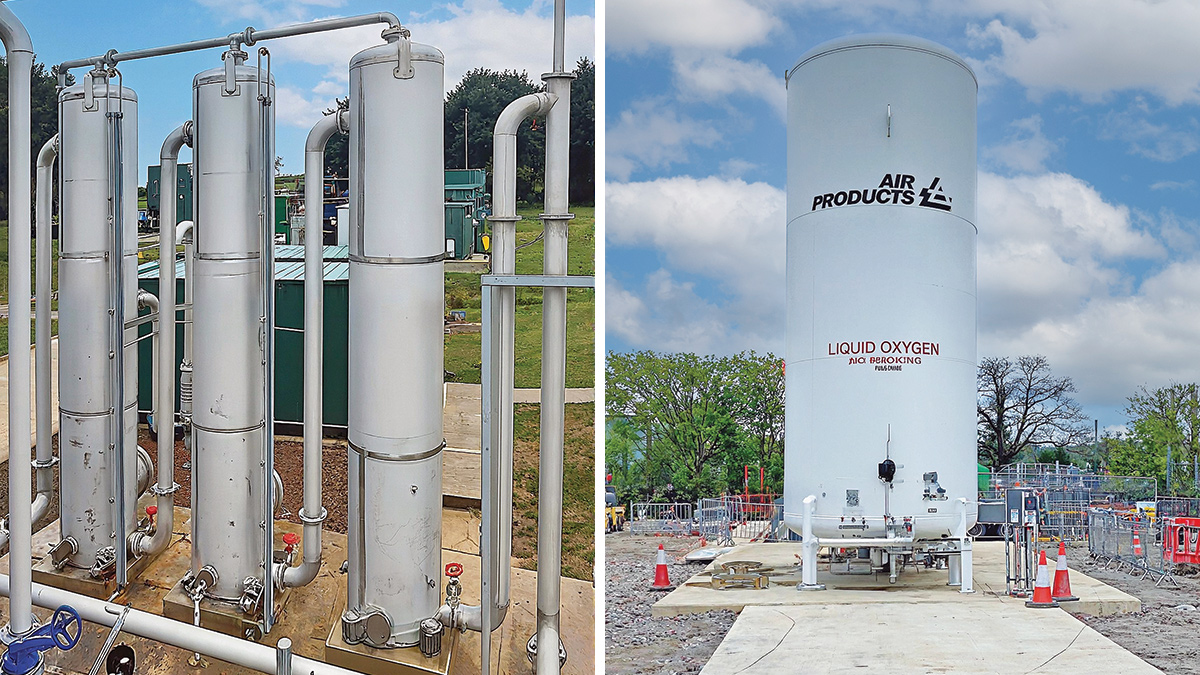
(left) Frankton STW ozone treatment plant from Curio Group and (right) liquid oxygen storage tank from Air Products at Itchen Bank STW – Courtesy of Severn Trent
Innovation & impact
These projects were not only the first of their kind in UK wastewater treatment marking a milestone in environmental engineering. The projects showcased how advanced oxidation processes can be safely and effectively integrated into existing infrastructureand the use of modular, containerised ozone plants allowed for rapid deployment with minimal disruption.
Conclusion
The ozone treatment projects at Frankton, Itchen Bank, and Ludlow STWs exemplify technical excellence, environmental stewardship, and innovative thinking. By improving final effluent quality and river health, Severn Trent Water has set a new benchmark for sustainable wastewater management. This submission highlights the transformative potential of ozone technology and its role in achieving cleaner, safer water for all.
From an ecological perspective, the reduction of faecal indicator bacteria and pharmaceuticals in final effluent is having a measurable impact on river health. The improved water quality supports biodiversity, enhances recreational value, and contributes to long-term resilience in the River Leam and River Teme catchments.
The rigorous monitoring and compliance framework, ensures that environmental protection remains central throughout the trial.
Ultimately, the success of these ozone treatment schemes reflects Severn Trent’s commitment to innovation, collaboration, and sustainability. By pushing the boundaries of conventional wastewater treatment, the programme has delivered lasting benefits for communities, ecosystems, and the wider water industry.
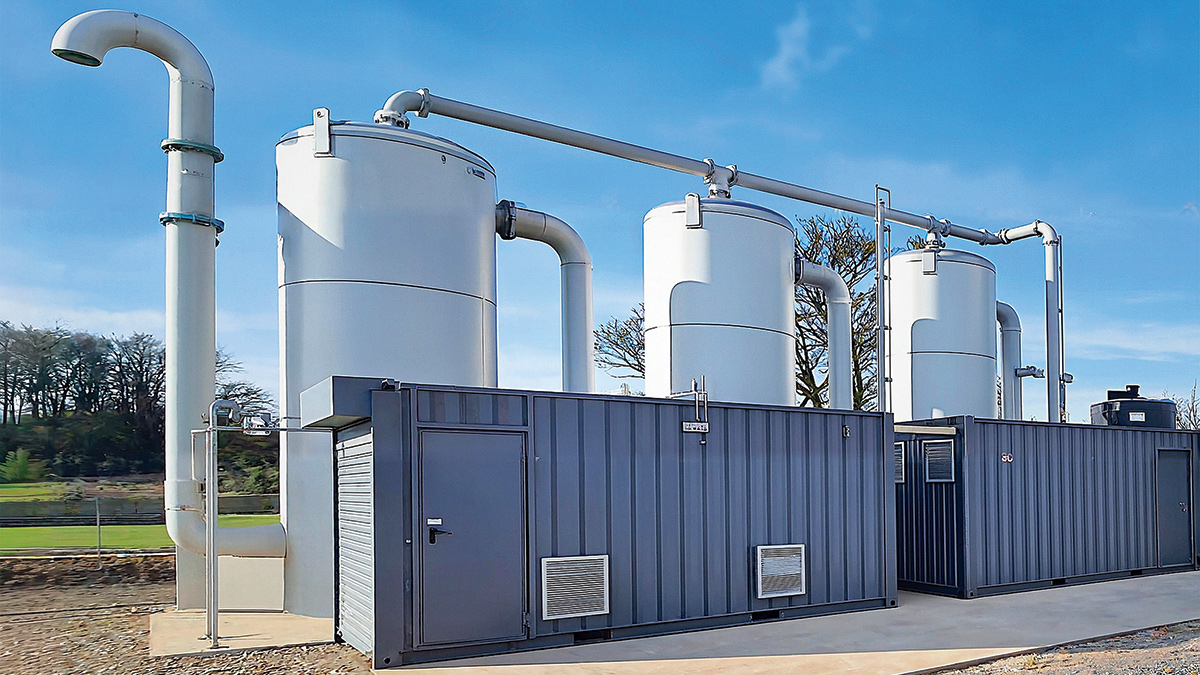
Tanks installed at Itchen Bank - Courtesy of Severn Trent

 Download PDF