
Anglian Water AMP8 Storm Tank Programme (2026)
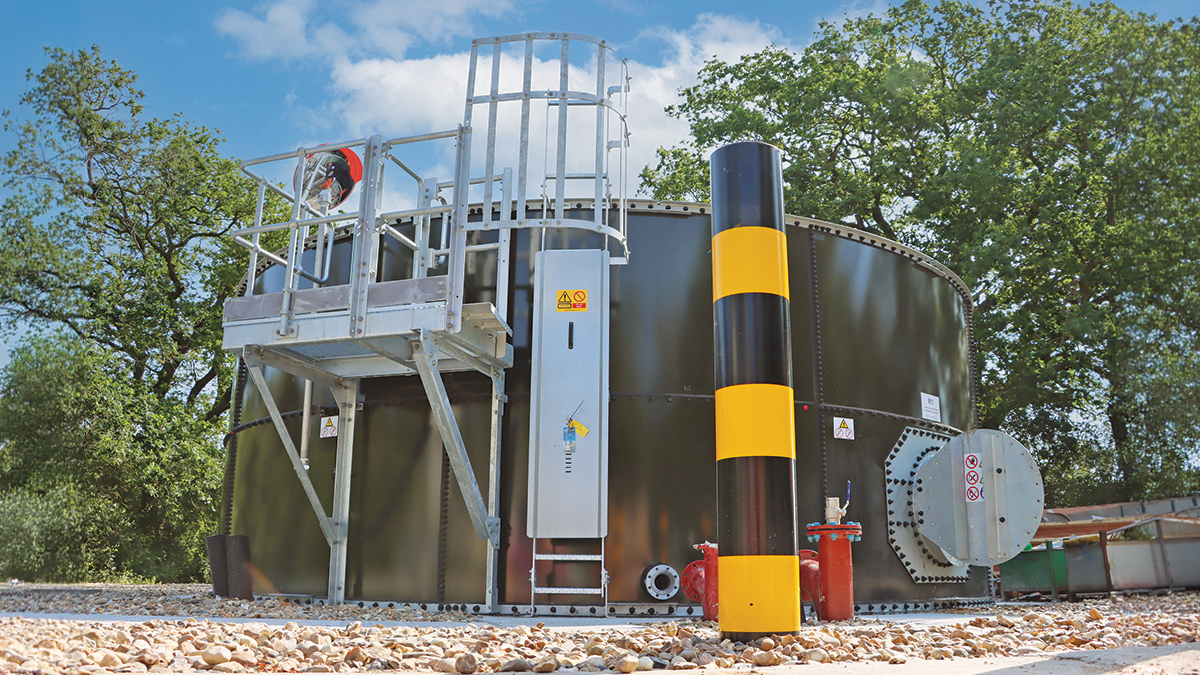
New storm tank at Purleigh Water Recycling Centre in Essex - Courtesy of @one Alliance
As water companies across the UK respond to increasing regulatory expectations, climate change and growing environmental pressures, investment in stormwater management infrastructure has become a critical component of long-term resilience planning. For Anglian Water’s @one Alliance, this challenge is being addressed through their extensive stormwater storage programme across AMP8. This follows on from the successful completion of an extensive AMP7 programme, with construction well underway on the £47m investment that will deliver 35 new storm tanks across the East of England.
Background
The programme forms part of Anglian Water’s wider £11 billion AMP8 investment plan and builds directly on the achievements of AMP7, where more than £96 million was invested in the construction and upgrade of 112 storm tanks across the region.
Together, these programmes represent a significant step forward in improving stormwater resilience, reducing environmental risk and supporting the long-term performance of wastewater treatment assets across one of the UK’s most environmentally sensitive operating regions.
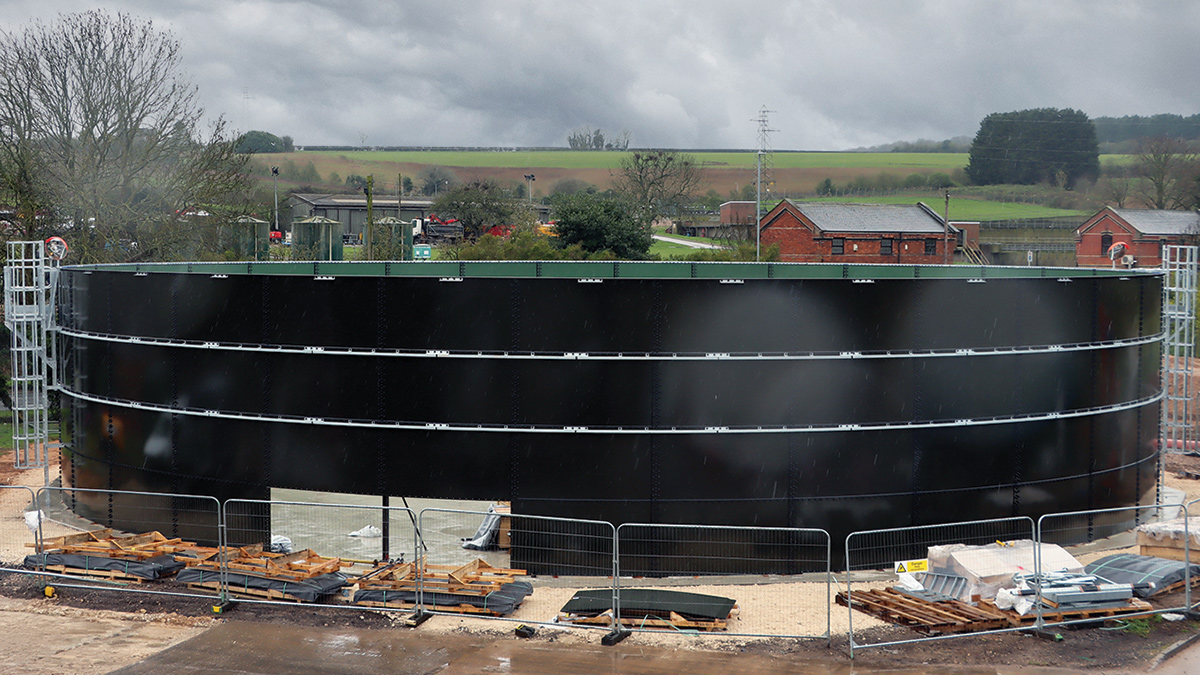
Storm tank construction at Canwick Water Recycling Centre in Lincolnshire – Courtesy of @one Alliance
Regional challenges
The East of England presents a unique set of challenges for wastewater network operators. Despite being recognised as the driest region in the UK, the area remains highly vulnerable to flooding and extreme weather events. Low-lying landscapes, flat catchments and increasingly unpredictable rainfall patterns can create significant pressure on wastewater infrastructure during short-duration, high-intensity storms.
Many communities continue to be served by combined sewer networks, where surface water and wastewater are conveyed through the same system. During periods of exceptional rainfall, flows entering the network can increase dramatically, placing pressure on pumping stations, transfer systems and water recycling centres (WRCs).
Without adequate stormwater storage capacity, treatment processes can become overwhelmed, increasing the risk of storm overflows operating and potentially impacting receiving watercourses.
And for Anglian Water, protecting rivers, streams, coastal waters and ecologically sensitive environments remains a key operational priority. These water bodies support biodiversity, agriculture, recreation and local communities, making their protection fundamental to both environmental stewardship and regulatory compliance.
At the same time, water recycling centres must remain capable of safely treating flows during increasingly variable weather conditions. Maintaining resilience within these assets is therefore essential to ensuring reliable service for customers while protecting the environment.
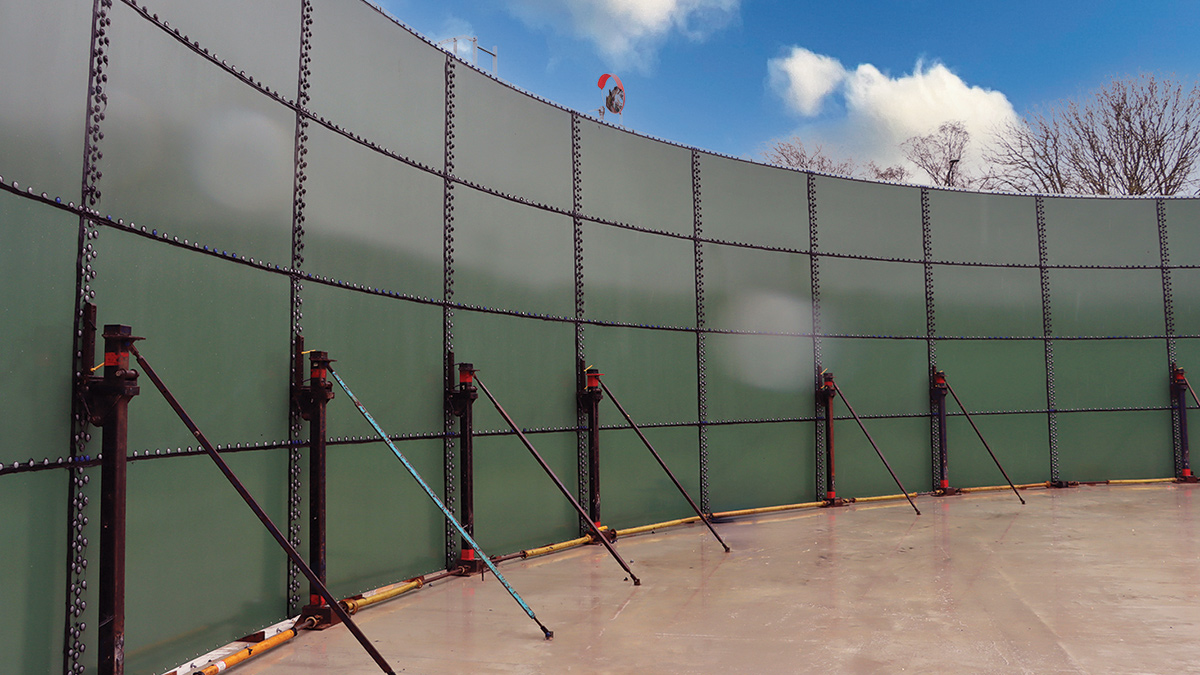
Inside the Canwick WRC storm tank – Courtesy of @one Alliance
The role of storm tanks
Storm tanks play a vital role in managing peak flows during severe weather events. They provide temporary storage during periods of heavy rainfall and help to balance hydraulic loading across treatment processes, reducing the risk of flows exceeding the available treatment capacity.
And when storm conditions subside, the stored water can be returned gradually to the treatment process, allowing it to receive full treatment before being discharged back into the environment. This approach reduces the operational risk, improves treatment performance during peak events and contributes to the reduction of pollution incidents and environmental impacts.
AMP8: Establishing a proven delivery model
The AMP8 programme has been heavily influenced by the success of the AMP7 Storm Tank Programme. Between 2020 and 2025, Anglian Water’s a @one Alliance delivered 112 storm tank projects across the region, representing a capital investment of more than £96 million.
The scale of delivery required a consistent and repeatable approach while maintaining flexibility to respond to the unique constraints presented by individual sites.
Although the overall objective remained the same across the programme, no two locations were identical. Each site brought its own set of engineering, operational and environmental challenges, including restricted footprints, complex hydraulics, existing asset interfaces, operational continuity requirements and varying ground conditions.
To address this, the alliance developed a standardised delivery model that could be adapted to suit local circumstances while maintaining consistency in design, construction and operational performance. The approach enabled efficiencies to be realised across multiple projects, reducing design time, improving constructability and accelerating delivery without compromising quality or safety.
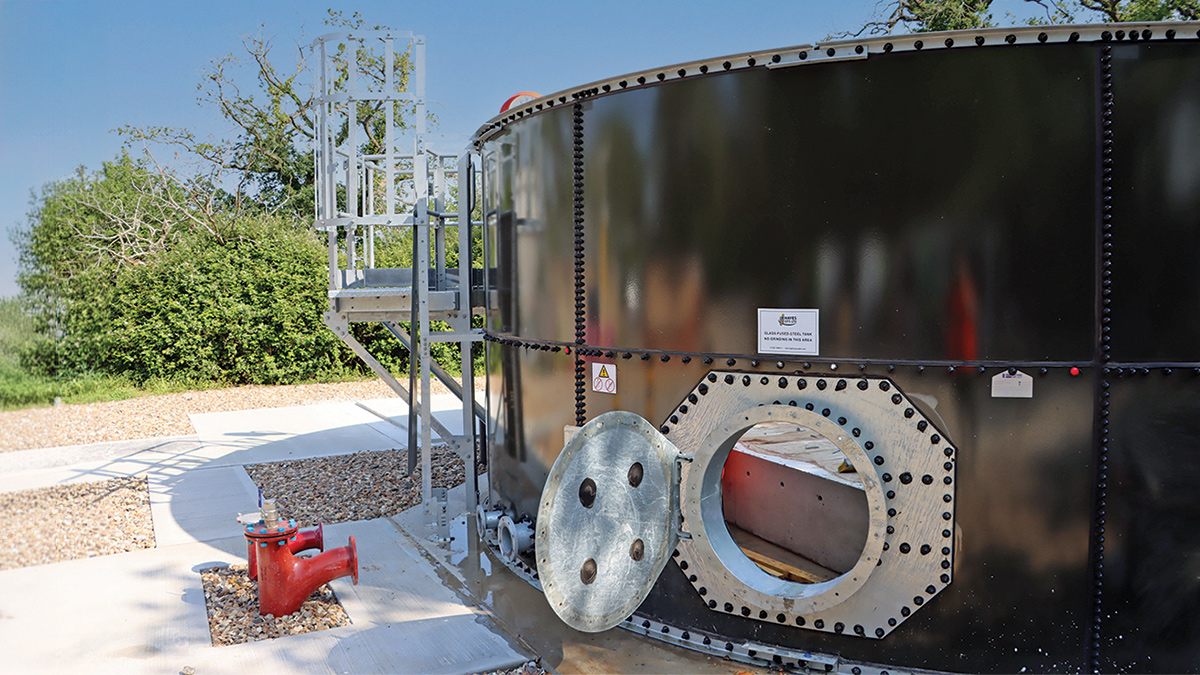
The new storm tank at Purleigh WRC in Essex – Courtesy of @one Alliance
Innovation & sustainable design
Innovation was a key feature throughout AMP7 and continues to shape delivery during AMP8. One of the most successful solutions was the widespread adoption of above-ground glass-coated steel (GCS) storm tanks. These structures offered several advantages over traditional construction methods, including reduced construction time, improved health and safety performance and lower embodied carbon.
Detailed hydraulic modelling was undertaken during design development to ensure each tank was appropriately sized and optimised for operational performance. The programme also demonstrated how existing assets could be re-purposed to maximise value and minimise environmental impact.
At Cotton Valley Water Recycling Centre in Milton Keynes, two redundant primary settlement tanks were successfully converted into permanent stormwater storage assets. By reusing existing infrastructure rather than constructing entirely new facilities, the project delivered significant savings in both capital expenditure and embodied carbon while achieving the required storage capacity.
Now building on these successes, the AMP8 Storm Tank Programme is now progressing across multiple sites throughout the Anglian Water region. The £47 million programme will deliver 35 new storm tanks designed to increase storage capacity, improve operational resilience and support compliance with increasingly stringent environmental regulations.
Once completed, the new assets will provide additional capacity to manage stormwater surges generated by extreme rainfall events, helping to reduce flood risk and minimise the likelihood of untreated wastewater entering rivers and coastal waters. Importantly, the lessons learned during AMP7 have been embedded within AMP8 delivery strategies, enabling the alliance to continue improving efficiency, safety and sustainability outcomes.
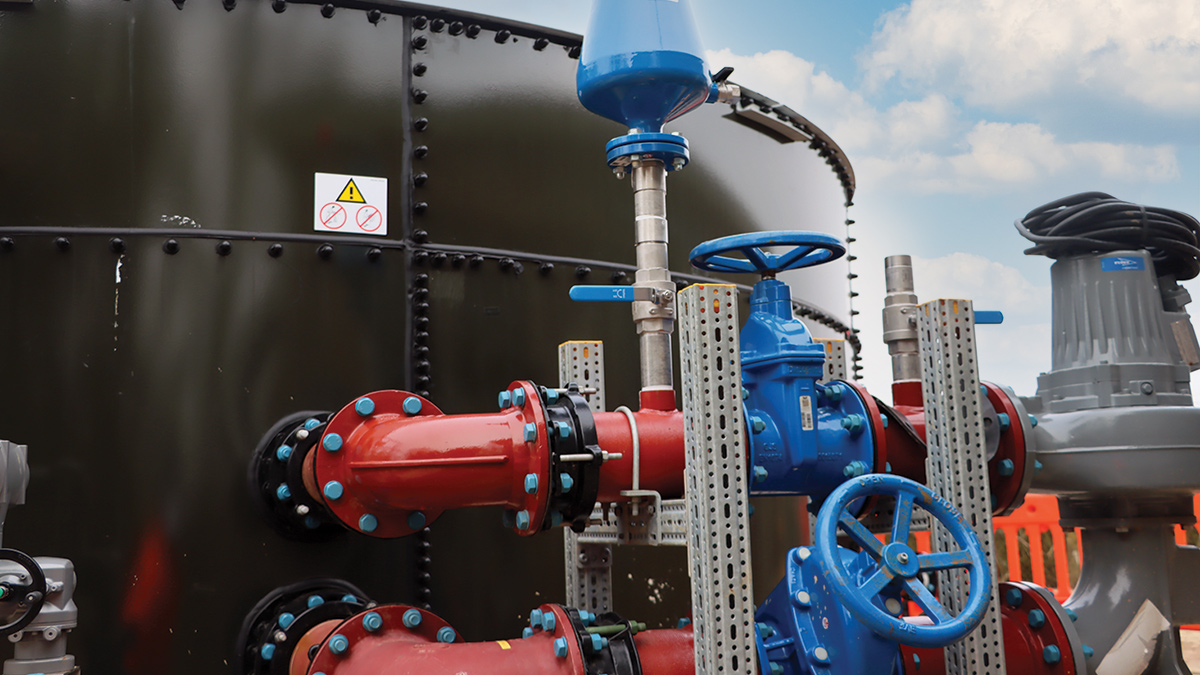
New storm tank at Weston WRC – Courtesy of @one Alliance
Prioritising health, safety & environmental performance
Safety has remained a primary consideration throughout programme development and delivery. Above-ground tank solutions continue to be favoured where appropriate, largely due to the health and safety benefits they provide during construction. Tanks can be assembled progressively from ground level, significantly reducing the need for working at height and lowering overall construction risk.
Extensive planning and design-stage optioneering have also been undertaken to identify opportunities for material reuse, waste reduction and carbon savings. Where practical, existing assets are being retained, re-purposed or incorporated into new designs. Material selection is also being assessed against whole-life carbon and operational performance criteria, ensuring that decisions made during construction continue to deliver value throughout the asset lifecycle.
This focus on sustainability aligns with Anglian Water’s broader commitment to achieving net zero operational carbon while delivering infrastructure that remains resilient for future generations.
Collaborative delivery through the @one Alliance
A defining factor behind the success of both the AMP7 and AMP8 programmes has been the collaborative delivery model employed by the @one Alliance.
Unlike traditional client-contractor arrangements, the alliance model encourages early collaboration, shared objectives and collective decision-making. Designers, constructors, operational specialists and project teams work together from the earliest stages of project development, enabling challenges to be identified and resolved before they impact programme delivery.
This integrated approach has consistently driven improvements in efficiency, innovation and safety performance while delivering better outcomes for customers and the environment. And by creating a culture focused on shared success rather than individual organisational objectives, the Alliance has established a delivery model that continues to attract recognition across the infrastructure sector.
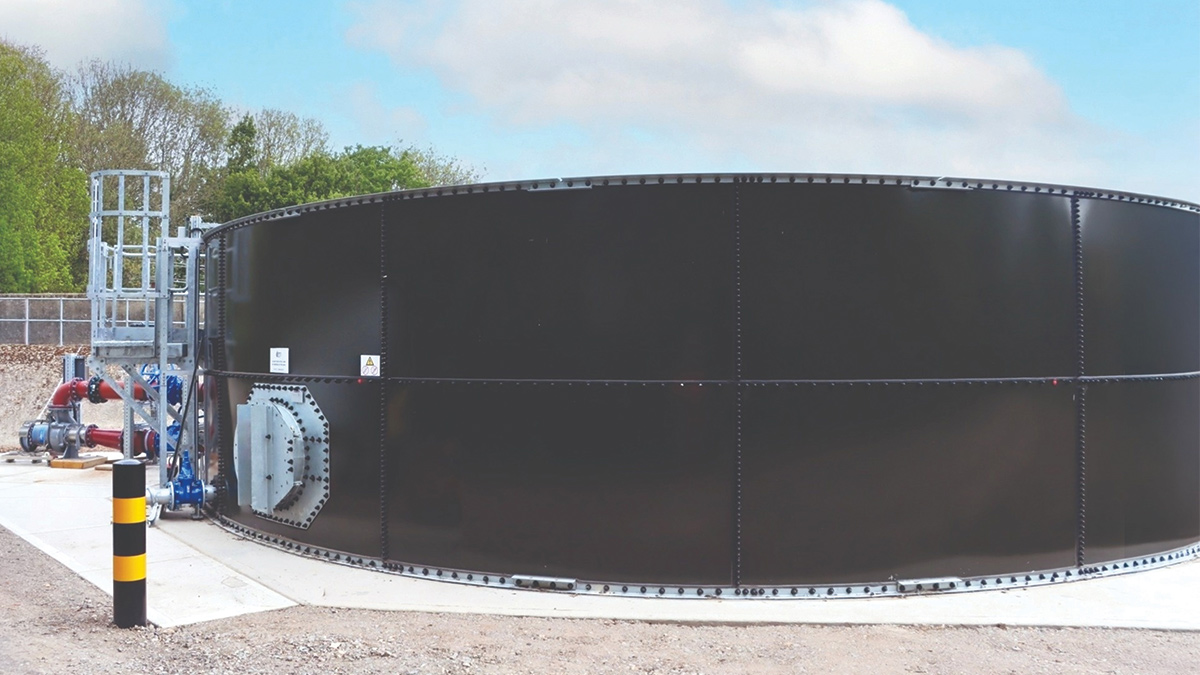
Completed storm tank at Alford WRC in Lincolnshire – Courtesy of @one Alliance
Looking ahead
Stormwater management is expected to remain a major focus area for water companies throughout the coming decades. Climate change projections indicate that intense rainfall events will become increasingly common, placing greater pressure on existing wastewater systems. At the same time, environmental expectations from regulators, stakeholders and communities continue to rise.
Against this backdrop, proactive investment in resilient stormwater infrastructure is becoming essential. Through the successful delivery of AMP7 and the ongoing implementation of the AMP8 Storm Tank Programme, Anglian Water and the @one Alliance are demonstrating how targeted investment, collaborative delivery and innovative engineering can work together to address these challenges.
The programme is not simply increasing storage capacity. It is helping to strengthen operational resilience, protect sensitive environments, reduce pollution risk and improve the performance of critical wastewater infrastructure across the East of England.
As construction progresses over the coming years, the benefits of these investments will be felt across rivers, coastlines, communities and ecosystems throughout the region, providing a lasting legacy of environmental protection and resilience for generations to come.