

Ballycotton WwTP & Network Upgrade (2026)
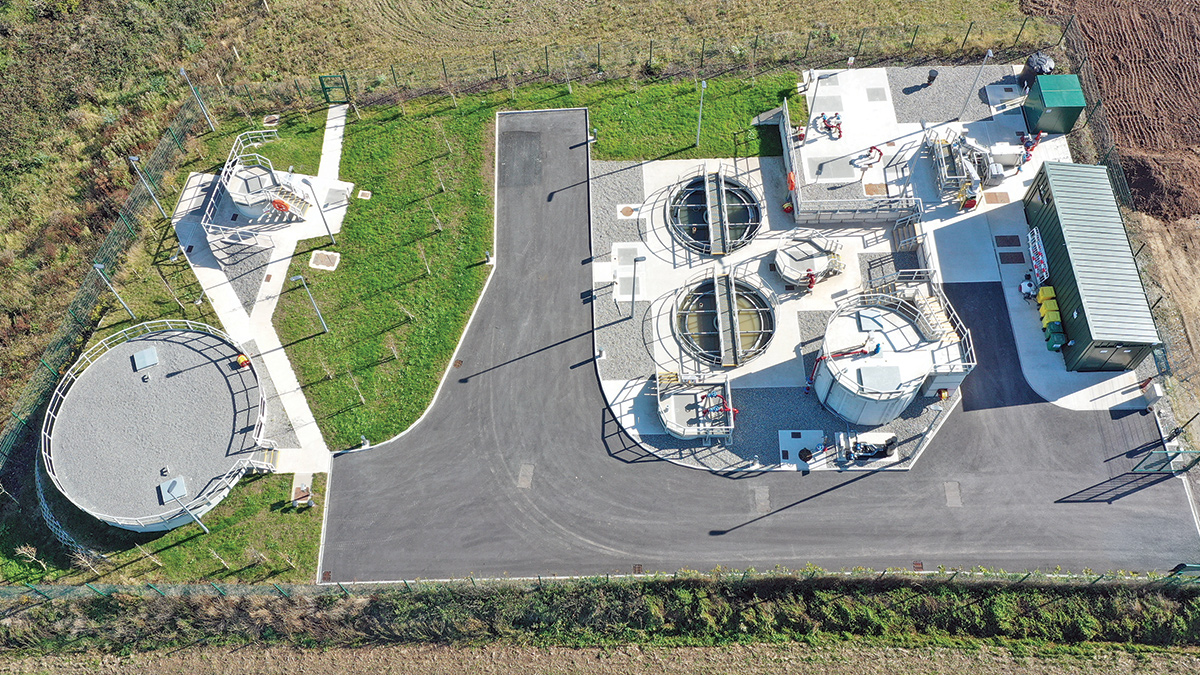
The completed Ballycotton WwTP - Courtesy of Glanua
Ballycotton, a fishing village on the East Cork coast, was among the last agglomerations in Ireland to discharge untreated wastewater directly into Ballycotton Bay via two existing outfalls. The bay is designated a Special Protection Area (SPA) for its ecological importance to wintering and migratory bird populations. To address long-standing environmental non-compliance, Uisce Éireann delivered the Ballycotton Wastewater Treatment Plant (WwTP) & Network Upgrade, a €16.3m investment providing wastewater collection, pumping and treatment infrastructure for a design population equivalent (PE) of 1,750.
Project summary
The scheme comprised a new primary treatment WwTP, two pumping stations, rising mains, gravity sewers, storm storage facilities, and modifications to the existing marine outfall. Delivered under Uisce Éireann’s Early Contractor Involvement (ECI) framework, the project was designed and constructed by Glanua, with Mott MacDonald providing technical assurance and AM Consulting Engineers supporting temporary works and marine engineering.
Although modest in hydraulic capacity, the project presented engineering complexity more commonly associated with much larger schemes. The works were undertaken in a highly constrained coastal environment characterised by tidal influences, sensitive habitats, restricted access corridors, and continuous public use. In particular, construction of a major pumping station on Ballycotton Pier had to be completed while maintaining uninterrupted vehicular access for the fishing fleet, harbour operations, and emergency services.
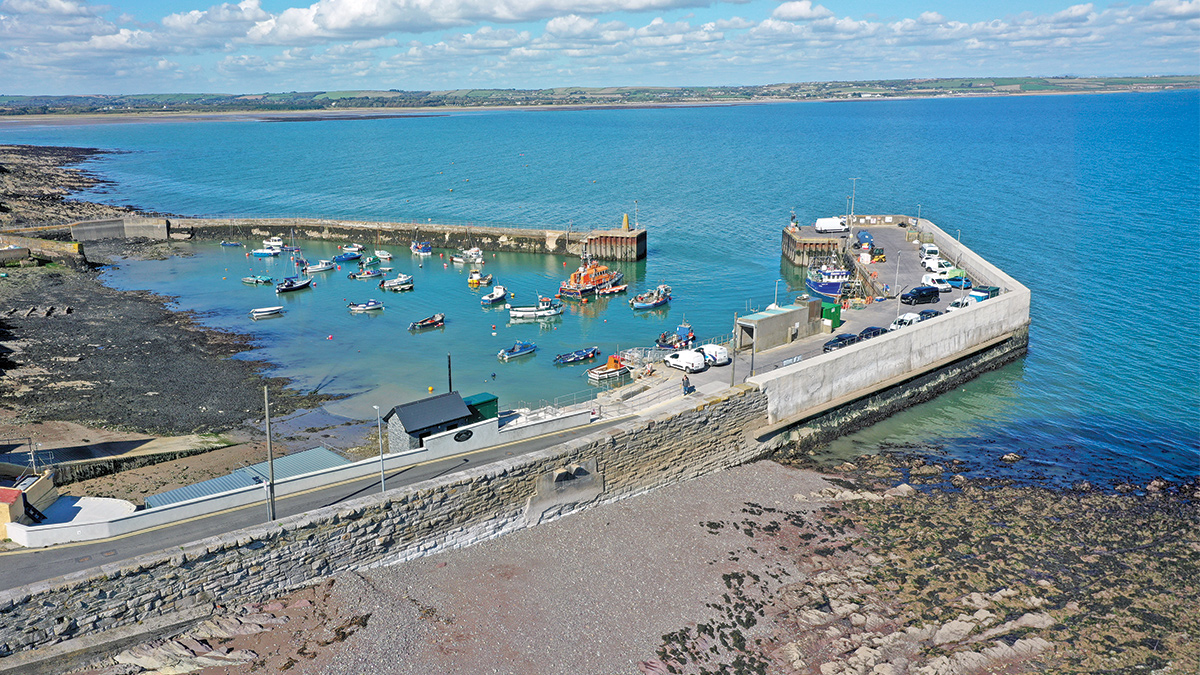
Ballycotton Pier after reinstatement – Courtesy of Glanua
The resulting solution combines network rationalisation, robust hydraulic control, and efficient treatment processes to provide a resilient wastewater system capable of operating under challenging coastal conditions.
Design basis
The scheme was designed to the hydraulic and organic loading criteria specified in Uisce Éireann’s project brief. Civil infrastructure was sized for the ultimate design PE of 1,750 (Phase 2), while MEICA installations were designed for the initial Phase 1 load of 1,082 PE. Provision was made for future expansion, including a third primary settlement tank and a potential secondary treatment process.
| Parameter | Phase 1 | Phase 2 |
| Population equivalent (PE) | 1,082 | 1,750 |
| Dry weather flow (DWF) | 243 m³/d | 394 m³/d |
| Full flow to treatment (FFT) | 7.2 l/s | 11.65 l/s |
| Formula A (peak flow) | 19.9 l/s | 32.1 l/s |
| BOD load | 64.9 kg/d | 105.0 kg/d |
| Suspended solids load | 75.7 kg/d | 122.5 kg/d |
The primary treatment stage is designed to achieve at least 20% BOD and 50% suspended solids removal. Sludge is thickened to a minimum of 3% dry solids, and odour is limited to 3 ouE/m³ at the site boundary.
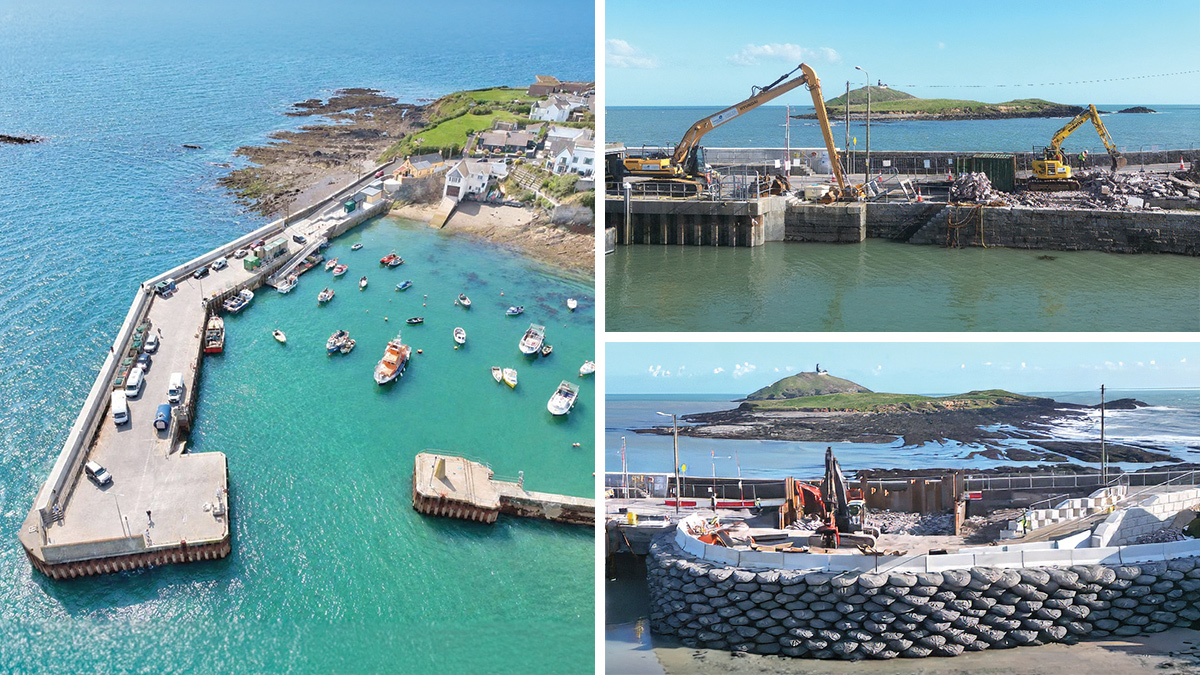
(left) Ballycotton Pier and (top-right) Demolition of the existing structure prior to deep excavation for the new Pier PS, and (bottom-right) Construction of the working platform adjacent to the pier – Courtesy of Glanua
Ballycotton WwT Scheme: Supply Chain – key participants
- Client: Uisce Éireann
- Main contractor & designer (ECI): Glanua
- Technical assurance (for Uisce Éireann): Mott MacDonald
- Specialist temporary works & marine engineering: AM Consulting Engineers (AMCE)
- Precast concrete tanks: Shay Murtagh Precast
- Precast concrete tanks & chambers: Carlow Tanks
- Modular public toilet building: BuildWright
- Temporary pier works system (Kyowa filter unit rock bags): Ridgeway
- PLCs, automation & telemetry: UMAC Controls
- Flygt pumps (Pier PS): Xylem Water Solutions
- Vaughan pumps (Cow Lane PS): P&M Pumps
- Wavescreen CSO screening: CSO Group Ltd
- Inlet screen: Definitive Ecology
Network upgrade & pumping stations
The collection network was comprehensively reconfigured to intercept all existing untreated discharges and redirect flows to the new treatment works. The upgraded system centres on two strategically located pumping stations, linked by new rising mains and gravity sewers.
Cow Lane Pumping Station
The Cow Lane Pumping Station serves as the terminal pumping station for the entire agglomeration. It intercepts the second historic untreated outfall and receives all network flows, including those transferred from the Pier Pumping Station via the Main Street connection.
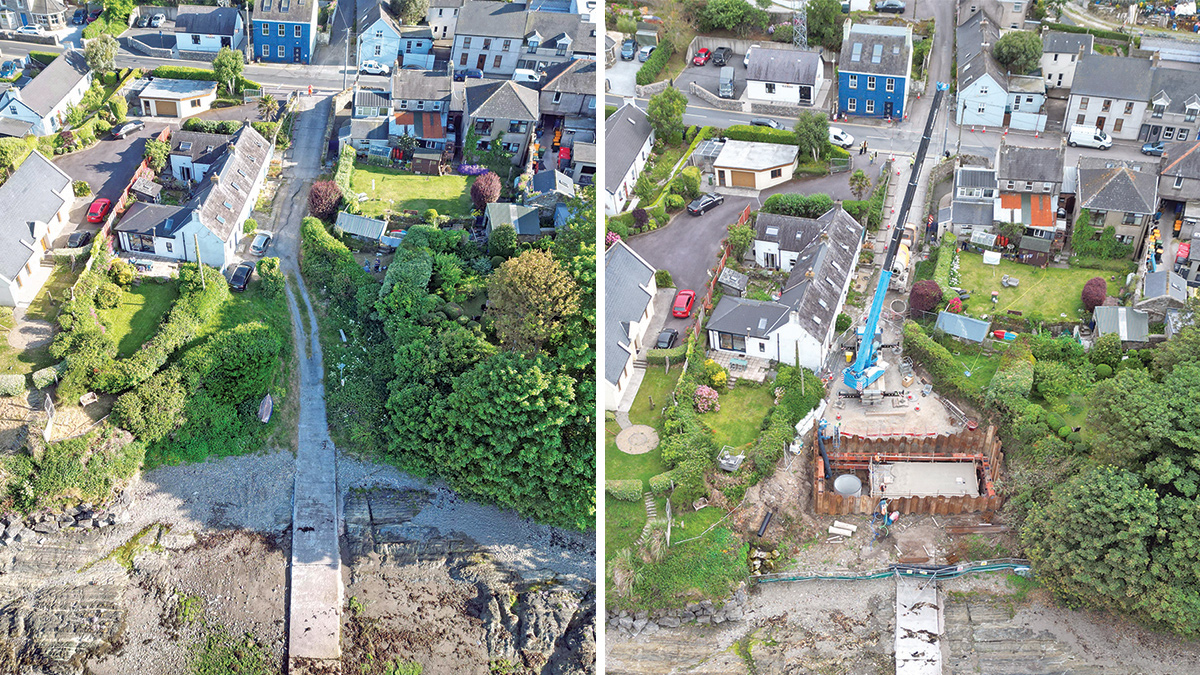
(left) Cow Lane pre-construction, and (right) Cow Lane Pumping Station under construction – Courtesy of Glanua
Located within a restricted corridor between the foreshore, the public highway and neighbouring properties, the station was designed as a compact precast installation centred on a 2.1m diameter wet well approximately 5.5m deep.
From Cow Lane, wastewater is pumped to the treatment works on elevated ground above the village. The system operates against a static lift of approximately 50m, which is unusually high for a pumping station serving a community of this scale.
Duty/standby Vaughan chopper pumps from P&M Pumps were selected to handle the rag content typical of a combined sewer network. Each 30kW pump delivers approximately 20 l/s at around 58m head and operates under variable-speed control. Surge protection is again provided by a dedicated surge vessel and air valve arrangement.
Separate online storm storage is provided via a roofed precast tank hydraulically linked to the wet well. Flows entering the tank are controlled through modulating and actuated valves linked to water level measurements. Once storage capacity is exhausted, excess flows are retained upstream within the network and discharged through a screened combined storm overflow chamber.
The CSO chamber incorporates overflow screening, flow measurement and monitoring equipment to ensure compliance with operational requirements and to allow controlled discharge during exceptional events.
Construction of the facility required careful sequencing owing to the site’s restricted working area, tidal influence and continuous public use. A new stone-faced gravity retaining wall was incorporated to stabilise the western boundary and integrate the facility with the surrounding environment.
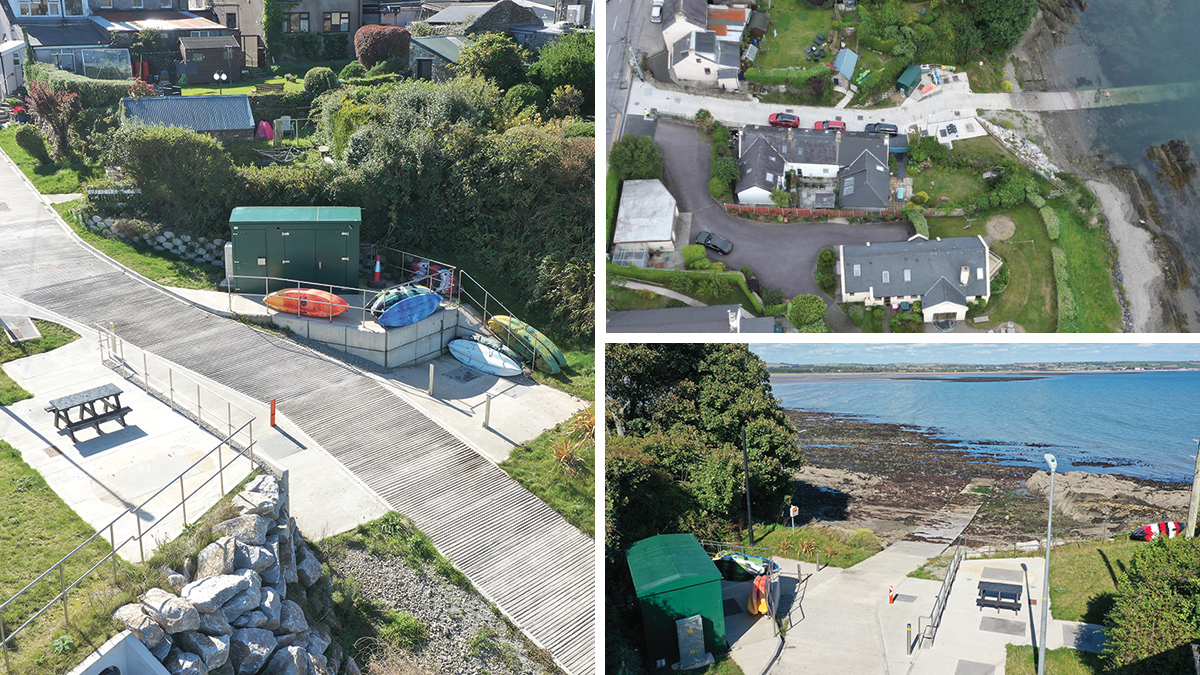
The completed Cow Lane Pumping Station – Courtesy of Glanua
Pier Pumping Station
The Pier Pumping Station was built on the footprint of the former public toilet block at Ballycotton Pier. It intercepts flows from the eastern catchment that previously discharged directly into Ballycotton Bay.
Construction works required demolishing the existing structure and undertaking deep excavation in weathered sandstone near the marine environment. Groundwater ingress associated with tidal conditions was encountered during excavation, necessitating careful control measures throughout construction.
The pumping station incorporates a combined wet well and storm storage chamber within a single precast concrete structure. The tank geometry features a self-cleansing sloped floor that enables stored flows to drain back towards the pumping sump after storm events, reducing sediment accumulation and maintenance requirements.
Two 10 kW Flygt submersible pumps from Xylem Water Solutions operate on a duty/standby basis under variable-speed control. During Phase 1 operation, the pumps deliver approximately 10.1 l/s at around 30m head, increasing to approximately 16.1 l/s under design horizon conditions. Variable-speed drives maintain stable wet-well levels, reducing pump cycling and smoothing hydraulic loading on downstream assets. A programmed drawdown cycle periodically lowers the sump level to minimise solids deposition.
Hydraulic transient analysis identified the potential for negative pressures within the rising main during emergency pump stop scenarios. Protection against surge effects is therefore provided by a 300-litre surge vessel and air valve arrangement installed on the rising main system.
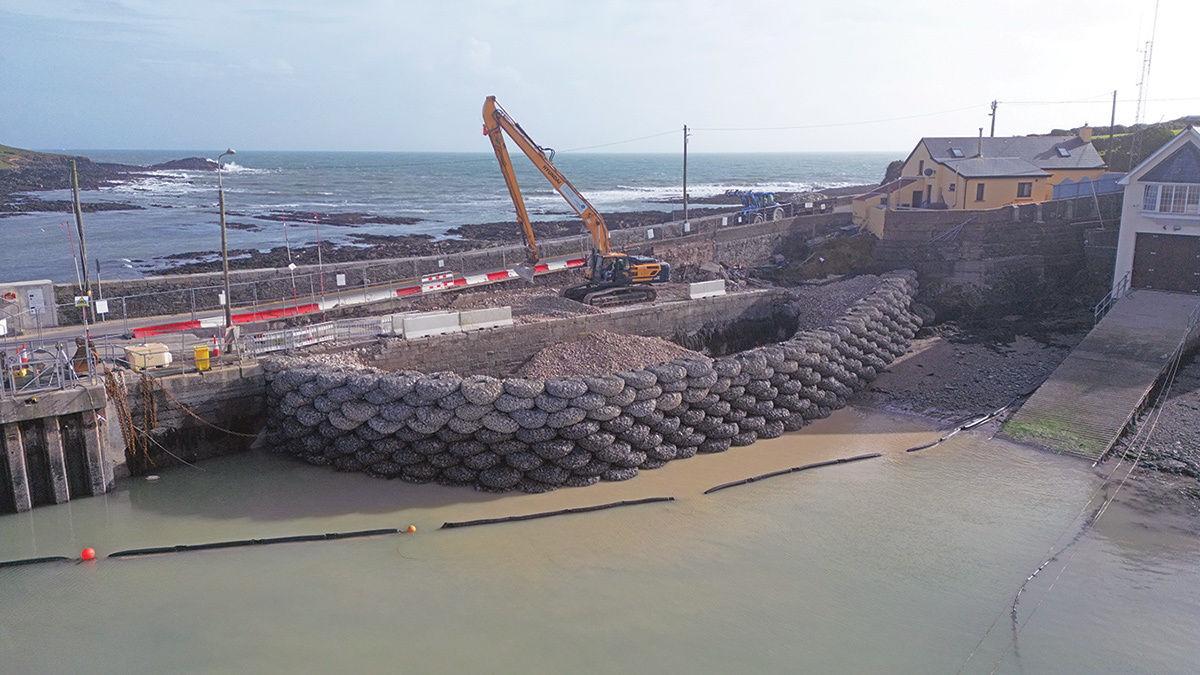
Construction of the temporary pier extension to facilitate construction of the Pier PS – Courtesy of Glanua
Storm resilience is provided by integrated storage within the pumping station structure. In the event of extreme rainfall or simultaneous pump failure, excess flows pass through a static overflow screen before discharge via existing storm infrastructure. Screen washing is provided by a dedicated break tank and booster pump system.
The location of the pumping station posed one of the project’s greatest engineering challenges. Ballycotton Pier is a narrow single-lane structure serving commercial fishing activities, harbour operations, tourism and emergency access. Maintaining uninterrupted access throughout construction became a fundamental design and delivery requirement, significantly influencing temporary works strategy and construction methodologies.
Rising mains & gravity sewers
The upgraded network incorporates approximately 660m of DN160 rising main linking the Pier Pumping Station to Main Street, and approximately 560m of DN200 rising main conveying flows from Cow Lane to the WwTP.
Additional gravity sewer connections were constructed to intercept existing discharges and redirect flows to the new pumping infrastructure. The pipeline design considered long-term internal roughness development and biofilm growth to ensure realistic operating conditions throughout the asset life.
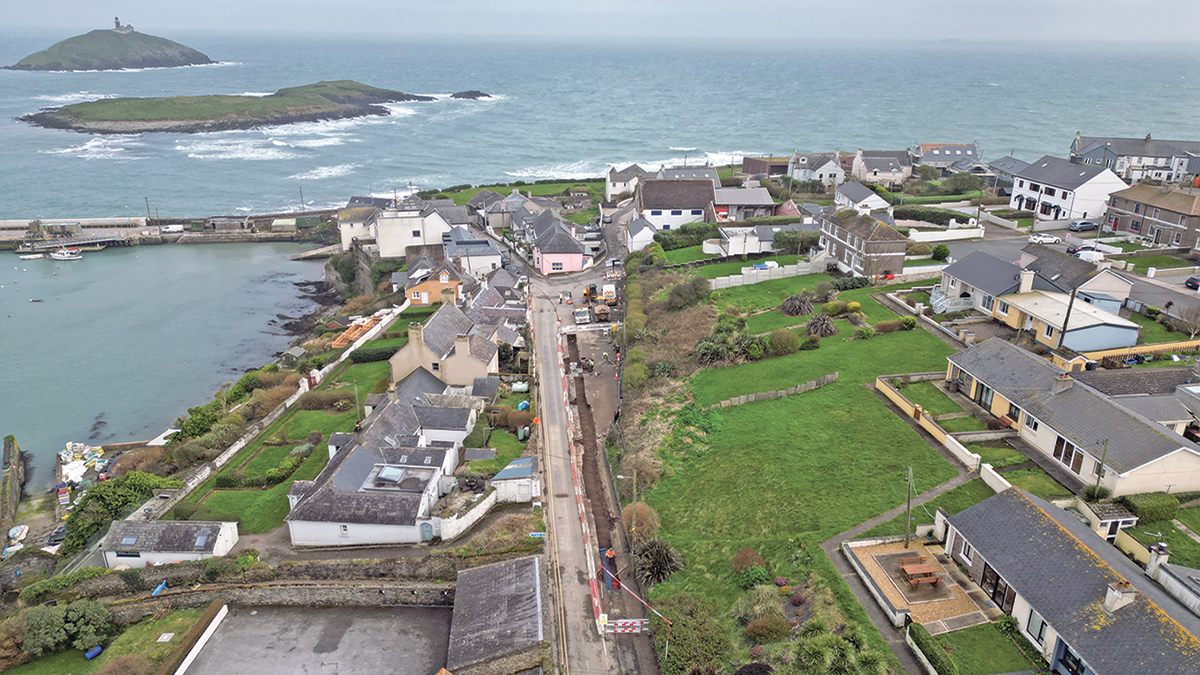
New rising main from Pier PS to Main Street – Courtesy of Glanua
Hydraulic transient modelling was undertaken using the method of characteristics to assess surge pressures and identify appropriate protection measures.
Retention times in both rising mains were assessed against Uisce Éireann septicity criteria. Predicted retention periods remain comfortably below the six-hour threshold for sulphide generation, eliminating the need for chemical dosing systems and avoiding ongoing operational costs and tanker deliveries through the village.
Wastewater treatment plant
The treatment works occupies a greenfield site above Ballycotton and has been laid out to maximise the benefits of the site’s natural topography. Process units are arranged to promote gravity transfer wherever possible, reducing pumping requirements and operational energy demand.
The treatment process comprises preliminary treatment, storm management, primary settlement, sludge thickening, odour control and controlled final effluent discharge. The layout includes provisions for future expansion, including a third primary settlement tank and a potential secondary biological treatment stage.
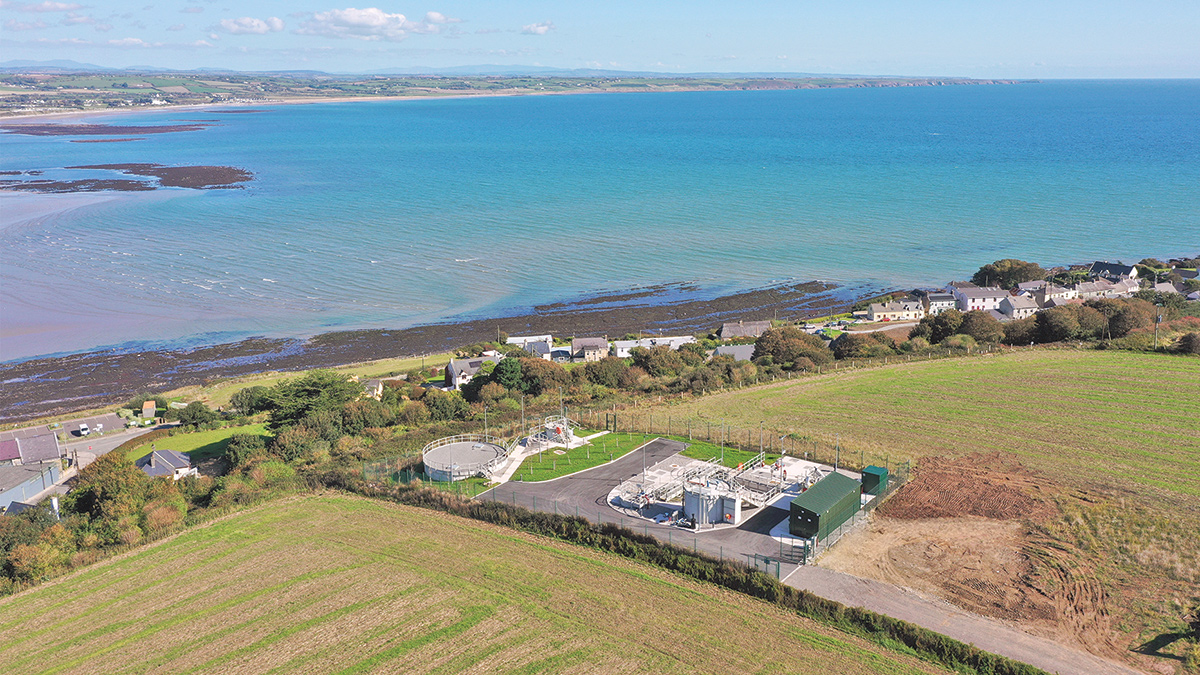
The new Ballycotton WwTP – Courtesy of Glanua
Preliminary treatment
Flows pumped from Cow Lane Pumping Station arrive at the inlet works, where screening forms the first stage of treatment.
A fine in-tank auger screen removes solids greater than 6mm and incorporates integrated screening washing and compaction. A manually raked bypass screen provides resilience during maintenance. The installation was sized for 150% of the ultimate Formula A flow, with allowance for significant screen blinding, ensuring reliable operation under adverse conditions.
Automated differential-level control initiates screen cleaning cycles as upstream levels rise. The system incorporates reverse-rotation capability to clear blockages automatically before operator intervention is necessary. An influent flow meter and automatic sampler provide the monitoring data required for compliance and operational management.
Storm flow management
Storm flow management is a critical component of the overall treatment strategy, given the hydraulic constraints imposed by the coastal environment and the marine outfall.
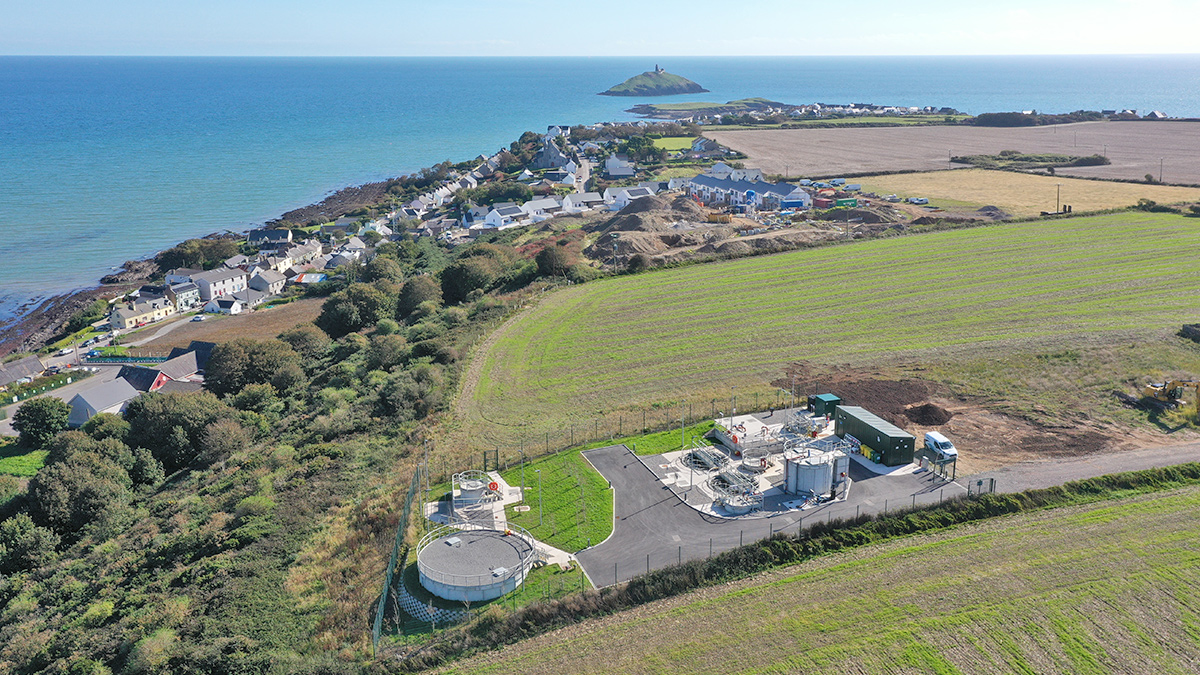
The new Ballycotton WwTP – Courtesy of Glanua
After screening, wastewater enters a flow control chamber, where a modulating valve limits forward flow to the plant’s Full Flow to Treatment (FFT) rate. Electromagnetic flow measurement was selected for its reliability and reduced civil requirements compared with conventional flume arrangements. Flows exceeding FFT spill into a dedicated 127.5m3 storm tank. The facility provides approximately 2.8 hours of storage under Phase 1 loading conditions while maintaining compliance with Uisce Éireann storm management requirements.
When event conditions subside, storm return pumps gradually return stored wastewater to the treatment process at controlled rates. Dedicated flow measurement ensures that return pumping does not compromise treatment performance.
Automatic spray cleaning systems provide washdown of internal tank surfaces after emptying, reducing the risk of solids accumulation, odour generation and septic conditions.
Primary settlement
Primary treatment is provided by two 5m diameter glass-reinforced plastic primary settlement tanks supplied via a flow-splitting chamber. The splitter chamber includes provisions for a future third tank, allowing expansion as population demands increase.
Each tank includes a central diffusion drum, a peripheral launder system, adjustable V-notch overflow weirs, scum baffle arrangements, and access structures. At peak hydraulic loading, the settlement tanks provide approximately 2.7 hours of retention time while maintaining low surface loading rates.
The process was designed to achieve a minimum of 20% BOD removal and 50% reduction in suspended solids prior to discharge.
Automated desludging and scum removal systems minimise operational intervention and enhance process consistency.
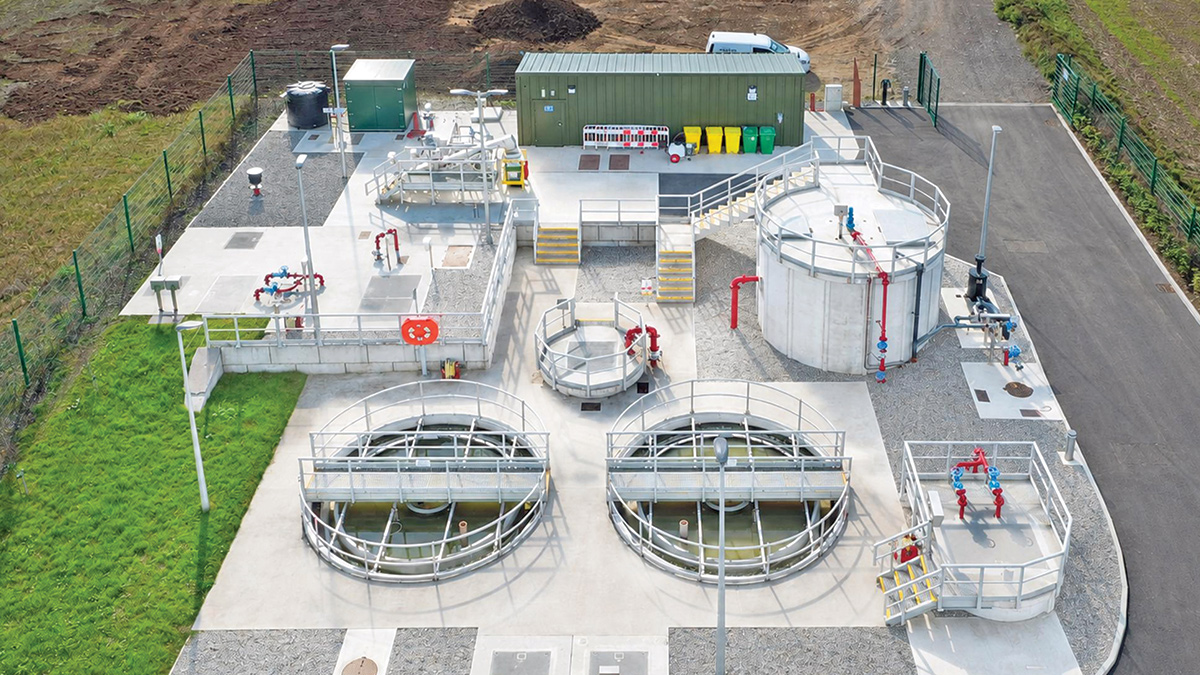
The new Ballycotton WwTP – Courtesy of Glanua
Sludge treatment & thickening
The settlement process extracts primary sludge, which is transferred to a sludge pumping station before onward treatment. Two duty/standby pumps, operating under variable-speed control, transfer sludge to a picket fence thickener (PFT). The selection of PFT technology marked a significant departure from the original project brief and was based on operational experience at other Irish wastewater treatment facilities.
The thickener comprises a post-tensioned precast tank with a rotating picket mechanism and a sloping floor. The process increases sludge concentration from approximately 1% to at least 3% dry solids. This reduces sludge volume by approximately 70%, significantly decreasing tanker movements through the village and lowering associated operational costs, traffic impacts and carbon emissions.
The installation also provides approximately 30 days of sludge storage, exceeding project requirements and increasing operational flexibility.
Odour control
Odour management was a critical consideration given the site’s proximity to the local community.
The sludge pumping station and thickening facility are enclosed and linked to an activated carbon odour treatment system. Duty and standby extraction fans ensure consistent airflow through the odour control equipment.
The system was designed to achieve a minimum hydrogen sulphide removal efficiency of 98%, thereby ensuring compliance with the specified site boundary odour criterion.
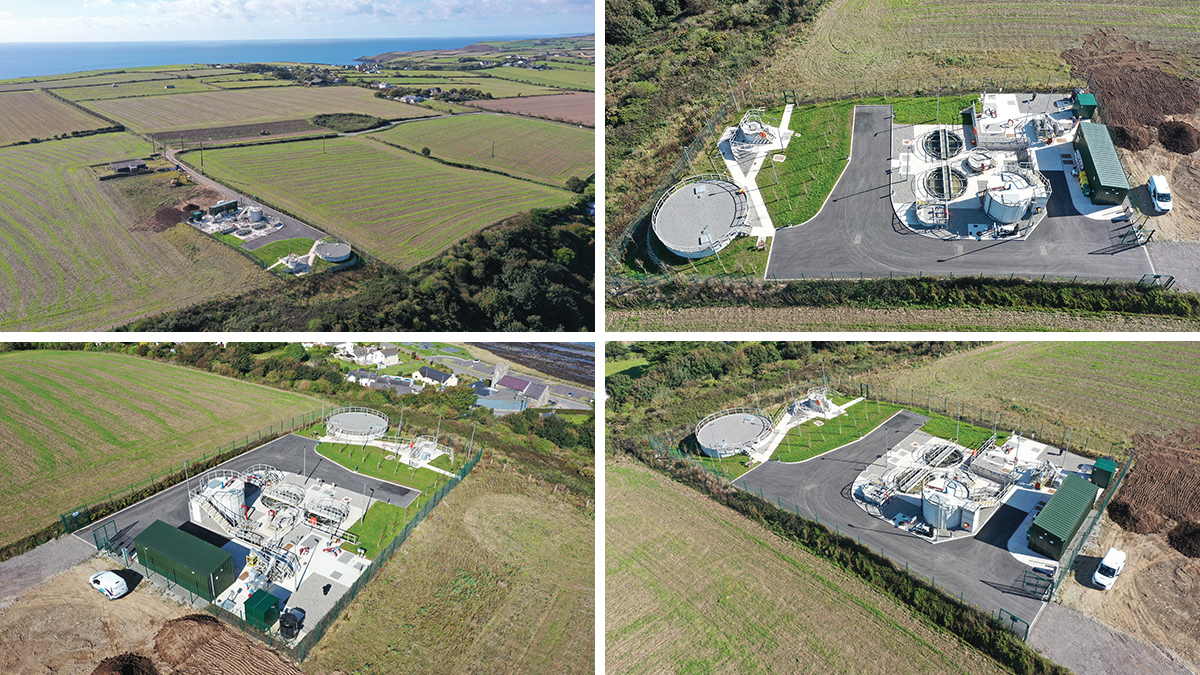
The new Ballycotton WwTP – Courtesy of Glanua
Final effluent balancing & marine outfall
One of the most technically challenging aspects of the project was integrating with the existing marine outfall infrastructure. Rather than constructing an entirely new marine discharge, the project retained and upgraded the existing outfall. This approach reduced environmental disturbance within the SPA, shortened the programme duration and avoided significant marine construction.
However, the existing outfall has finite hydraulic capacity and is affected by tidal conditions. During periods of elevated sea level, discharge capacity is reduced, and hydraulic interactions between network overflows and treated effluent discharges become increasingly important.
To address this challenge, the treatment works incorporates a 200m3 final effluent balancing tank together with a sophisticated control strategy. Treated effluent is held in the balancing tank and discharged through a modulating valve controlled by flow measurements and system operating conditions. Tank levels, outfall conditions and Cow Lane CSO levels are continuously monitored to ensure that available discharge capacity is used effectively.
When tidal conditions restrict marine discharge, treated effluent is temporarily retained in the balancing tank before being released when capacity is available.
This integrated approach enables the network, pumping stations and treatment works to operate as a single, coordinated hydraulic system while maximising utilisation of existing infrastructure.
The marine outfall was extended below low-water level and fitted with a diffuser arrangement to improve discharge dispersion. Final effluent flow measurement and sampling equipment provide monitoring capability to support licence compliance.
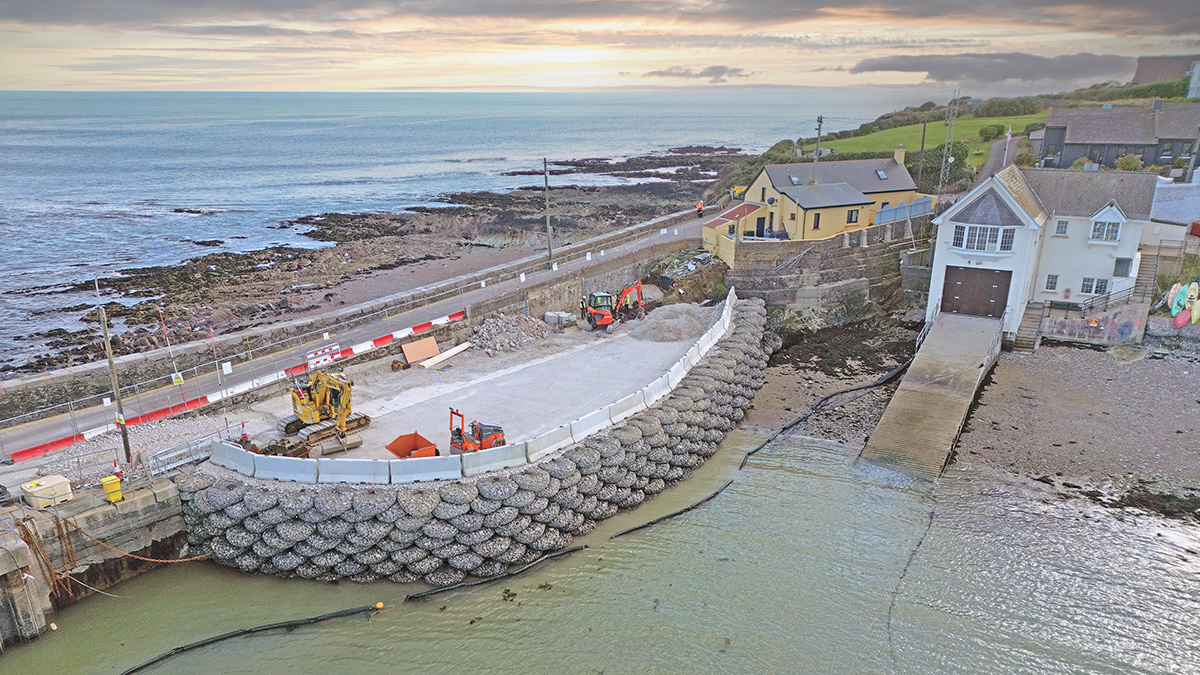
Construction of the temporary pier extension using Kyowa Filter Unit rock bags – Courtesy of Glanua
Construction challenges & delivery
The project was delivered under Uisce Éireann’s ECI Target Cost Contract model, enabling key risks to be identified and addressed before construction began.
The arrangement encouraged collaborative development of solutions relating to tidal conditions, environmental obligations, marine interfaces, temporary works and stakeholder requirements.
Temporary pier extension
The most challenging aspect of the programme was the construction of the Pier Pumping Station while maintaining unrestricted access to Ballycotton Pier. AM Consulting Engineers (AMCE) investigated several temporary works solutions, including sheet piling, gabion structures, and heavy precast systems. Ultimately, AMCE developed a temporary pier extension using Kyowa Filter Unit rock bags from Ridgeway. The system created a stable working platform adjacent to the pier while allowing fishing operations, harbour access and emergency services to continue uninterrupted.
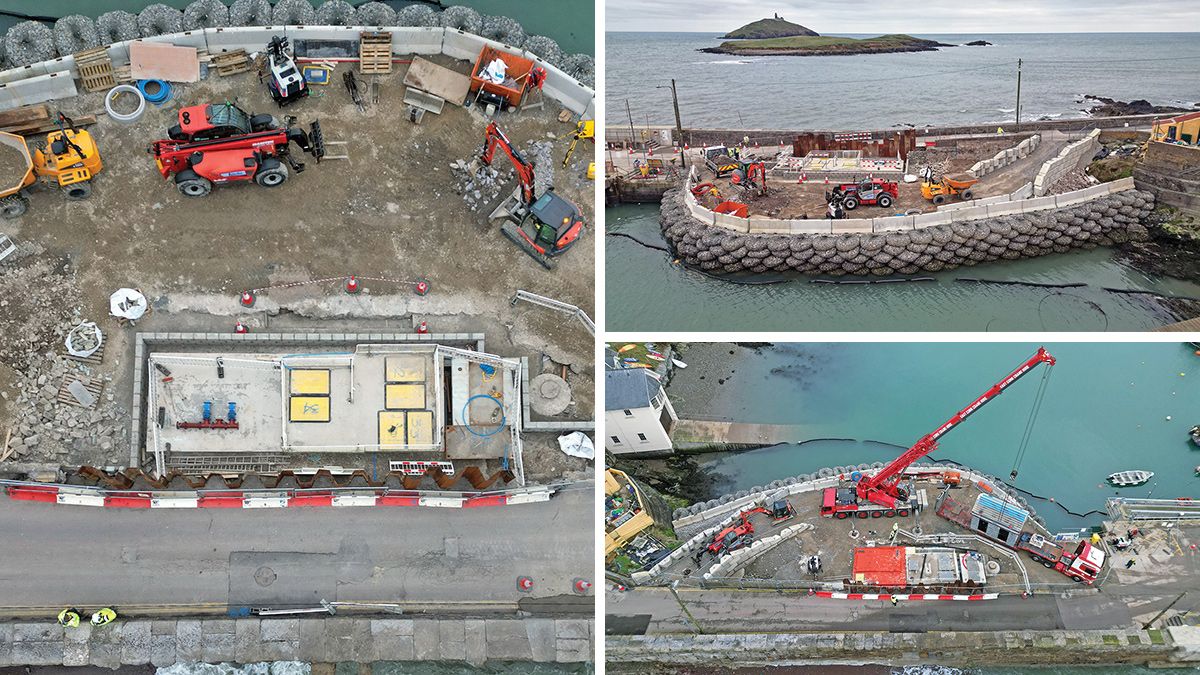
Temporary pier extension in place allowing for the construction of the Pier PS and the installation of the modular toilet block – Courtesy of Glanua
The solution offered several advantages, including rapid installation, minimal seabed disturbance and complete removability upon completion of the works. Throughout the construction period, no pier closures were necessary, and harbour operations continued without disruption.
Modular & off-site construction
Given the site’s restricted nature and coastal exposure, the project made extensive use of precast and off-site manufactured components. The replacement public toilet building was delivered as a fully modular structure and installed in approximately 36 hours. This approach removed several months of conventional construction from the pier programme and reduced both safety risks and stakeholder disruption.
Precast wet wells, tanks, chambers and process units were used throughout the project, reducing site labour, shortening programme durations and improving quality control.
Digital engineering tools, BIM models and drone surveys supported design coordination, logistics planning and stakeholder engagement. The digital environment resolved complex interfaces before construction, improving constructability and reducing rework.
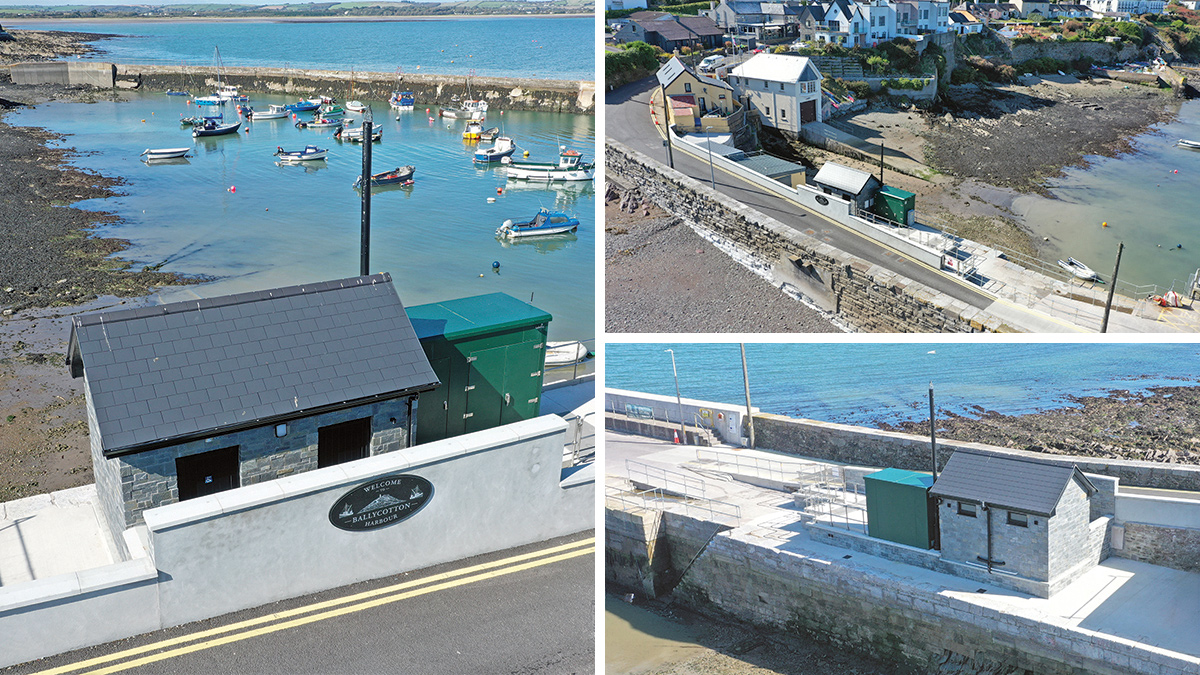
Pier Pumping Station and new toilet block – Courtesy of Glanua
Innovation, sustainability & project outcomes
The Ballycotton scheme demonstrates how careful integration of process, hydraulic and civil engineering can overcome the challenges faced by small coastal communities.
Key innovations included reusing the existing marine outfall, integrating storm storage and balancing facilities across the network and at the treatment plant, adopting a picket fence thickener to reduce sludge exports, and using modular and precast construction extensively. Variable-speed pumping throughout the network provides operational flexibility while reducing energy consumption and mechanical wear. The decision to avoid chemical dosing, informed by a detailed septicity assessment, reduced both operating costs and carbon emissions.
Most importantly, the project has eliminated two long-standing untreated wastewater discharges into Ballycotton Bay. It provides a modern, compliant wastewater system that can support future development while protecting the environmentally sensitive marine environment.
Despite significant tidal constraints, limited working space and the need to maintain uninterrupted access to an operational fishing harbour, the scheme was delivered within budget and programme.
The completed infrastructure provides a resilient long-term solution for Ballycotton and demonstrates how collaborative design, innovative construction methods and integrated hydraulic control can effectively address the challenges of wastewater infrastructure in constrained coastal settings.