
Eela Water WTW (2026)
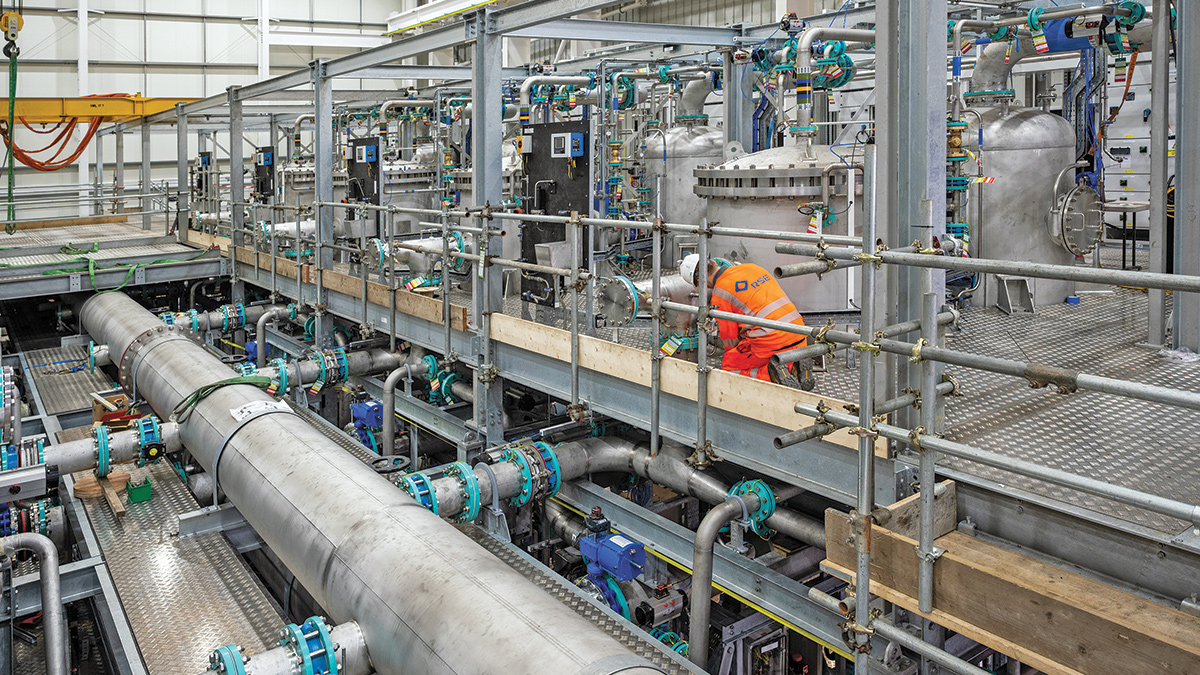
Modular and productised off-site build approach in workshop conditions - Courtesy of RSE
Eela Water WTW (Water Treatment Works) was originally constructed in 1978 near Ollaberry in Shetland and supplies up to 4.3 MLD of drinking water to approximately 5,400 people, as well as to the Sullom Voe Oil Terminal. The site has a long-standing history of microbiological and discolouration compliance challenges, largely driven by seasonal peaks in raw water manganese, impacting water quality at customers’ taps. In response, Scottish Water commissioned a major upgrade to address 29 residual risks identified within the Drinking Water Safety Plan (DWSP) that exceeded action thresholds, including significantly enhancing water quality and strengthening long-term resilience for both the local community and industrial users, ensuring a reliable and future-proof water supply.
Transforming water treatment through modular innovation
The project is being delivered using an off-site modular build strategy, and RSE (Ross-shire Engineering) led the full delivery of civil, MEICA, process engineering, and commissioning of the works to replace the existing plant with a new 5.7 MLD ceramic membrane treatment facility. The new works deploy PWNT’s C37 CeraMac® ceramic membrane system, which RSE has developed into a state-of-the-art modular solution that enhances water quality and operational resilience.
The Eela Water WTW project was a significant step for RSE in the remote modular deployment of Transportable Treatment Units (TTU®s), which house the water treatment technologies.
To minimise disruption and accelerate delivery, RSE applied its innovative Design for Manufacture and Assembly (DfMA) strategy, constructing 42 modular TTU®s at its advanced manufacturing facility in Muir of Ord, before transporting them to Shetland. Each modular unit made a 24-hour sea journey via the Port of Cromarty Firth in Invergordon to the Sullum Voe Oil Terminal, before final road delivery and offload to the site.
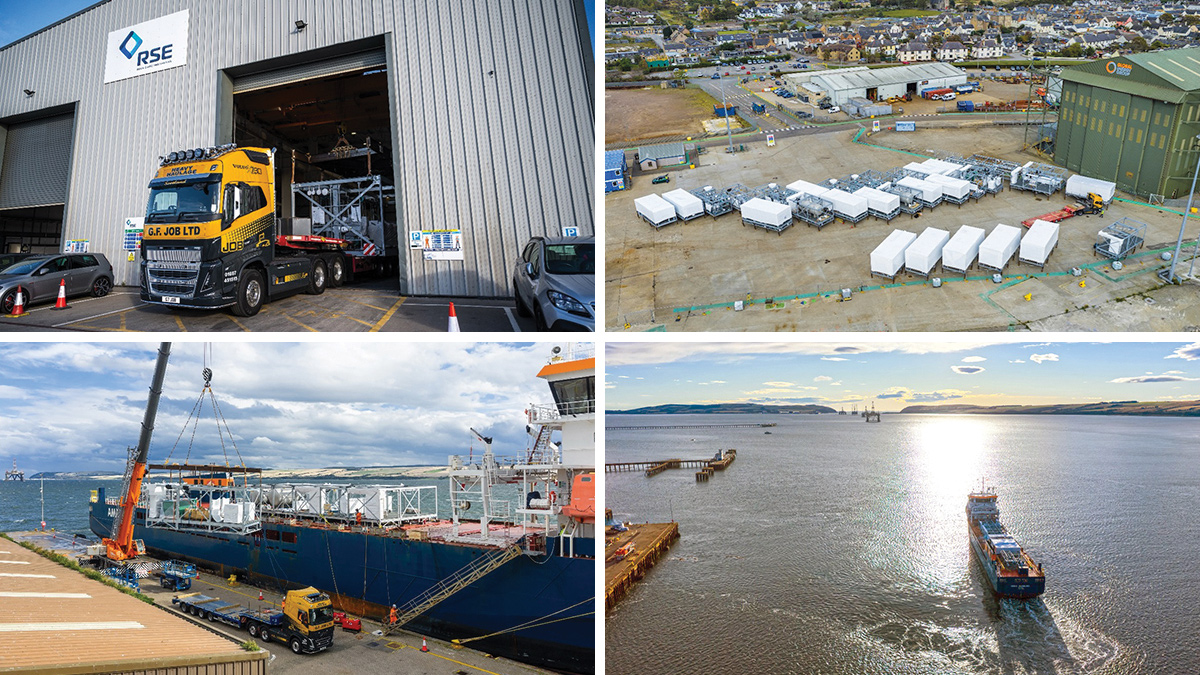
(top left) Modular treatment units leaving RSE factory, (top right) modules arrive at the Port of Cromarty Firth, (bottom left), modules craned onto the ship, and (bottom right) modules en route to Shetland by marine logistics partner Malin Group – Courtesy of RSE
RSE’s delivery team worked in close partnership with Scottish Water, heavy-lift and out-of-gauge cargo specialists, and logistics partner Malin Group, to oversee meticulous logistical planning, seamless coordination and maximum safety. This collaboration was fundamental to ensuring the efficient and safe delivery of the 42 modules from the fabrication facility to the rural site location.
The project represents one of the most remote and logistically complex modular water treatment deployments in the UK, delivered at an unprecedented pace. The modular approach allows for parallel construction, reduced programme risk, and significantly reduced embodied carbon.
Technology & sustainability at the core
The upgraded facility at Eela Water WTW included the installation of C37 CeraMac® ceramic membranes from PWNT, delivered through RSE’s modular product range. RSE’s modular suite, including the m-CTU®, m-BWU®, m-CIP®, m-NAC®, and m-NAL® standard products, delivers consistency, scalability, and reduced environmental impact. These repeatable plug-and-play designs reduce design time, critical spares, and on-site disruption, while improving safety and quality assurance to afford savings in programme costs and carbon, ensuring significant benefits over bespoke site builds.
Through innovative design and applying the DfMA approach, RSE has achieved a reduction in embodied carbon across its modular ceramic treatment product range. This has been made possible by transitioning from welded to bolted structures and using green carbon and stainless steel.
Much of the testing and commissioning is carried out in controlled factory conditions, helping deliver higher-quality installations in shorter time-frames. Factory-based commissioning also allows early detection of defects to minimise re-work, and ensure higher quality control before deployment. Health and safety outcomes have also improved, thanks to the project teams’ growing familiarity with the product and the continuous refinement of designs to eliminate potential hazards. This combination of modular engineering and sustainable design is playing a key role in modernising water treatment infrastructure.
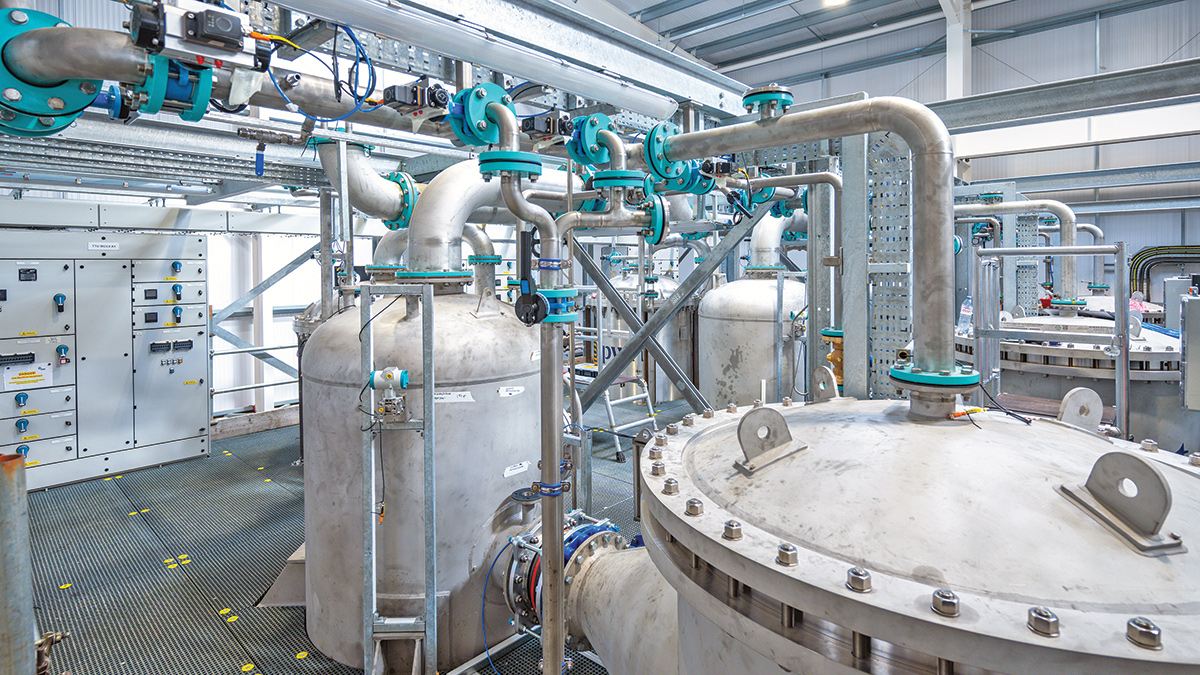
Modular and productised off-site build approach in workshop conditions – Courtesy of RSE
Advanced digital engineering
Digital tools and BIM processes continue to play a central role in how RSE manages complex multi-disciplinary projects. To support the programme works at Eela Water WTW, the RSE Business Information Modelling (BIM) team developed a 4D digital rehearsal using Autodesk products. The team applied the Autodesk Construction Cloud Federated Model to produce detailed 4D animations of the construction and installation sequence for the plant upgrade, enabling stakeholders to visualise the complete project delivery.
This visual planning tool supports transparent collaboration between project teams, stakeholders, and clients, ensuring every phase of delivery is fully coordinated and as efficient as possible. This approach improves coordination across project teams, helping to identify potential issues early and providing a shared reference point for data-driven planning and decision-making.
Embedding digital excellence at the heart of RSE’s project delivery enables collaboration, improves efficiency and reduces errors throughout the project’s design, construction and operational lifecycle phases.
CeraMac® C37 system
PWNT’s CeraMac® C37 system forms a key component of the treatment process, providing robust ceramic membrane microfiltration to ensure consistently high treated water quality.
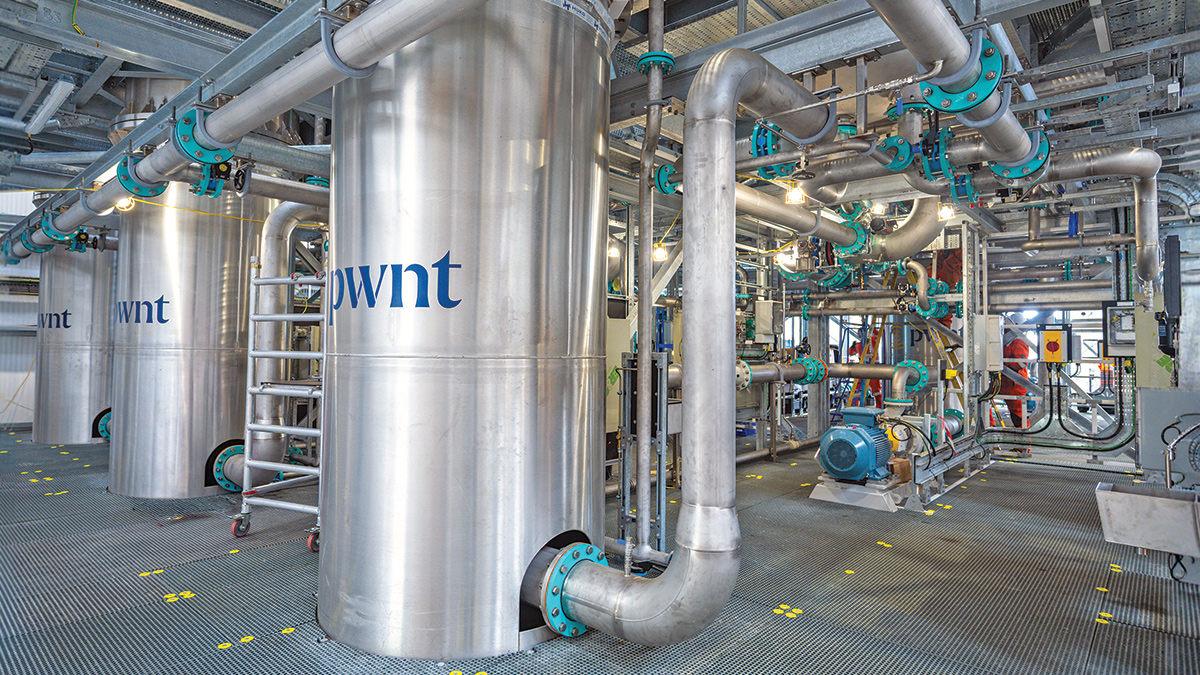
PWNT’s CeraMac® C37 being installed into the TTU® modules in RSE’s factory – Courtesy of RSE
The system utilises a dead-end filtration approach, where raw water is passed under pressure through porous ceramic membranes, removing suspended solids, bacteria and protozoa to deliver a reliable physical barrier to contaminants. The C37 configuration integrates multiple membrane elements within a single pressure vessel, offering a compact footprint well suited to constrained sites.
A significant advantage of the CeraMac® system is the durability of the ceramic membranes, enabling high-intensity backwashing and the use of aggressive cleaning regimes without performance degradation. This supports long asset life, stable permeability and consistent performance under variable raw water quality. The process is further enhanced through inline coagulation, promoting formation of micro-flocs upstream of the membranes to reduce fouling rates and optimise filtration efficiency.
Within the scheme, the CeraMac® C37 system provides a resilient, low-maintenance solution that reduces operational risk while maintaining compliance with stringent drinking water standards, supporting Scottish Water’s objectives for reliability, water quality and whole-life cost efficiency.
End-to-end treatment process
Raw water for Eela Water WTW is supplied primarily by gravity from the Roer Water Reservoir, with supplementary abstraction pumped from the Eela Water Reservoir. Both sources are blended in an external mixing tank to provide a consistent influent before entering a multi-stage treatment process comprising pre-filtration, automated chemical dosing, coagulation and flocculation, ceramic membrane filtration, limestone contactor treatment, and on-site electrochlorination for final disinfection.
To ensure continuous compliance and operational resilience, the WTW incorporates more than 70 strategically located sampling points integrated into the SCADA system, providing real-time monitoring across all critical control points.
Automated control logic continuously evaluates water quality, and any deviation from predefined limits triggers the immediate diversion of affected water to a dedicated waste handling system for controlled recycling or safe disposal. This intelligent monitoring and automated response strategy safeguards water quality, minimises operational risk, and ensures only compliant treated water enters the distribution network.
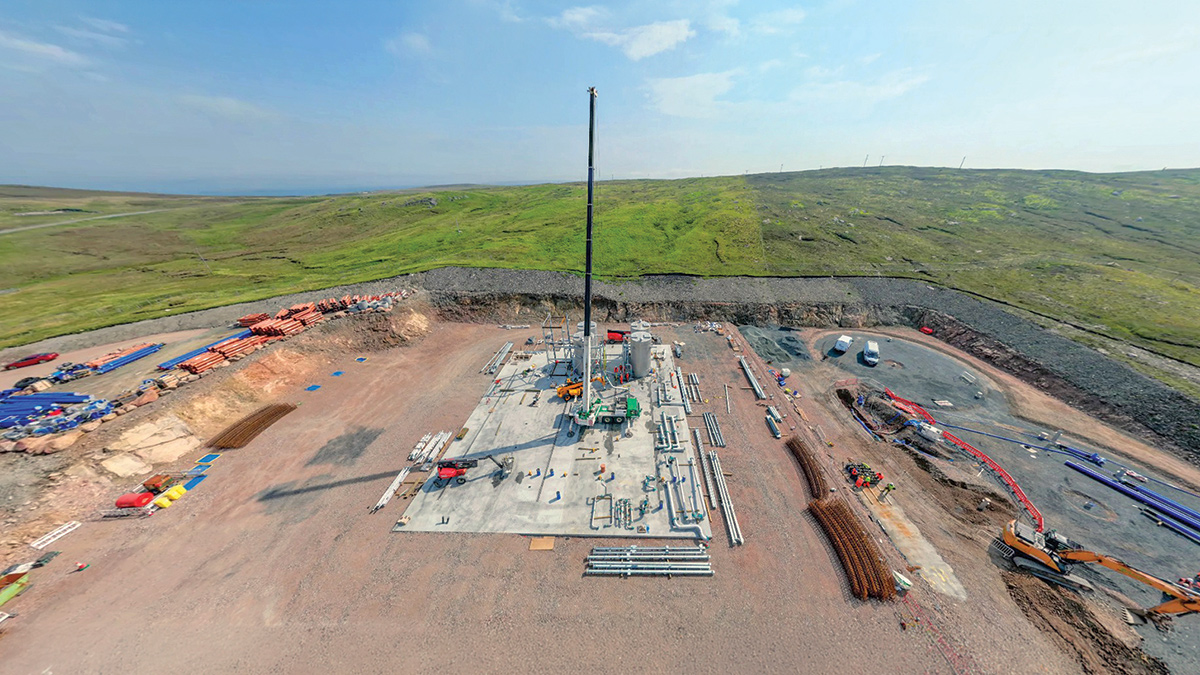
Civil construction works prior to the first modular unit arrival for installation and assembly (August 2025) – Courtesy of RSE/Zenith Surveying
Eela Water WTW: Supply chain – key participants
- Client: Scottish Water
- Designer & contractor: RSE (Ross-shire Engineering)
- Ceramic membranes: PWNT
- Logistics & specialist transportation: GF Job UK Limited
- Shipping: Malin Abram
- Groundworks: Tulloch Developments
- Formwork & precast concrete: DB Stuart Ltd
- Process pumps: Sulzer Pumps Wastewater Ltd
- Compressors: Kerr Compressors
- Chemical dosing lines: FT Water Treatment
- Chemical dosing pumps: Prominent Fluid Controls (UK) Ltd
- Chemical dosing pipework: Georg Fischer
- Pipework materials: Cleveland Steel & Tubes Ltd
- Pipework materials: DH Stainless
- MCCs, ICA & SI: RSE Control Systems – GPS
- Chemical tank bund gratings: Relinea
- Static mixers: Statiflo International
- Overhead cranes: Street Crane Company Ltd
- Valves & pneumatic actuators: Socla UK
- Pneumatic control banks: Burkert Fluid Control Systems
- Dissolved oxygen & turbidity instruments: SWAN Analytical UK Ltd
- Aluminium & Ammonium instruments: ABB
- Pressure instruments: Trafag UK
- Quality instruments (pH/ORP): Endress+Hauser Group
- Quality instruments (turbidity): Hach UK
- Quality instruments: Process Instruments (UK) Ltd
- Process flow meters & pressure instruments: IFM
- Process flow meters & level transducers: Siemens
- Large diameter flanges: JR Whitehead 2000 Ltd
- Instrument pipework: Geberit Mapress
- Instrument pipework: Hy-lok UK
- HV switches: Schneider Electric Ltd
- HVAC: Air Technology Systems
- Safety showers/eyebaths: Aqua Safety Showers International Ltd
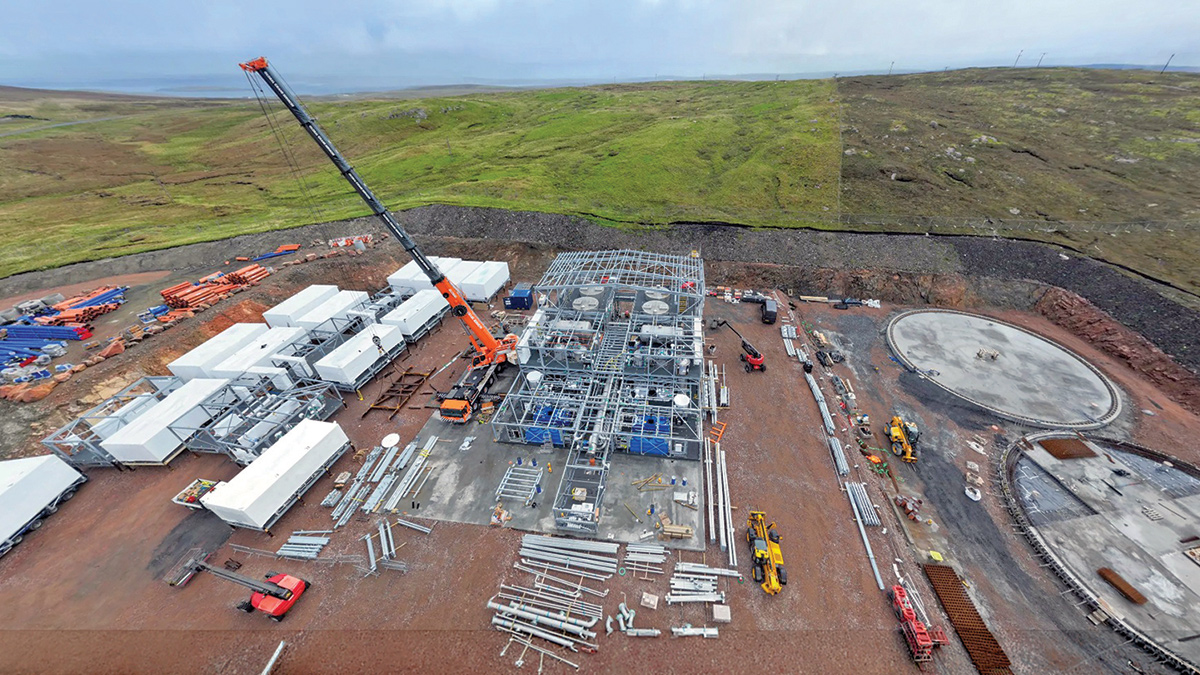
Transportable treatment units arrive for installation (September 2025) – Courtesy of RSE/Zenith Surveying
Programme delivery
The first modular units were transported and delivered to site in early September 2025, representing a significant milestone in the construction programme. Every stage, from initial design through to the final module being lifted into place, is delivered safely and to a high standard. Commissioning activities began on schedule in January 2026 to test and validate the installed systems.
The final major milestone is water into supply, scheduled for March 2027. This will mark completion of the project and its transition to full operational service. As the project progresses into this phase, focus remains on maintaining the highest standards of quality, safety, and continued collaboration with Scottish Water.
Summary
The Eela Water WTW project demonstrates a modern, sustainable approach to water treatment infrastructure through the adoption of off-site modular construction and low-carbon design principles.
The project has achieved a 17% reduction in embodied carbon of the modular treatment units through the use of low carbon steel, produced using electric arc furnaces and recycled material. The bolted design provides a further reduction compared with traditionally welded modules, due to its energy efficient process and promotes reuse at the end of life.
The modular design also incorporates automated fault detection systems that immediately divert non-compliant process streams to waste handling for recycling or safe disposal, minimising waste generation and supporting efficient environmental management.
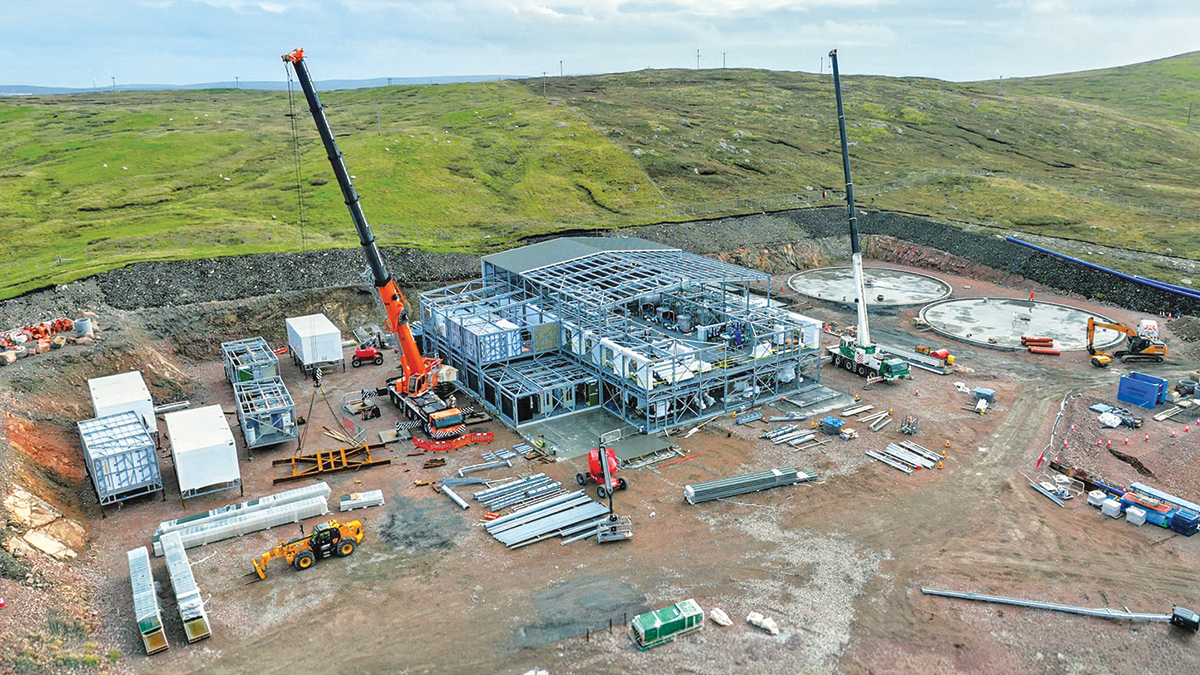
Progressing site works at Eela Water WTW (October 2025) – Courtesy of RSE/Zenith Surveying
Off-site manufacturing significantly reduced project lead times compared with traditional bespoke water treatment works. By moving construction activities into advanced manufacturing facilities, the project minimises on-site complexity, improves quality, and provides greater programme certainty.
Supported by focused research and development and close collaboration with clients seeking innovative, cost-effective, and sustainable water treatment solutions, the Eela Water WTW project utilises technologies that provide a scalable, high-performance solution to address the evolving needs of the water sector while delivering measurable environmental and operational benefits.
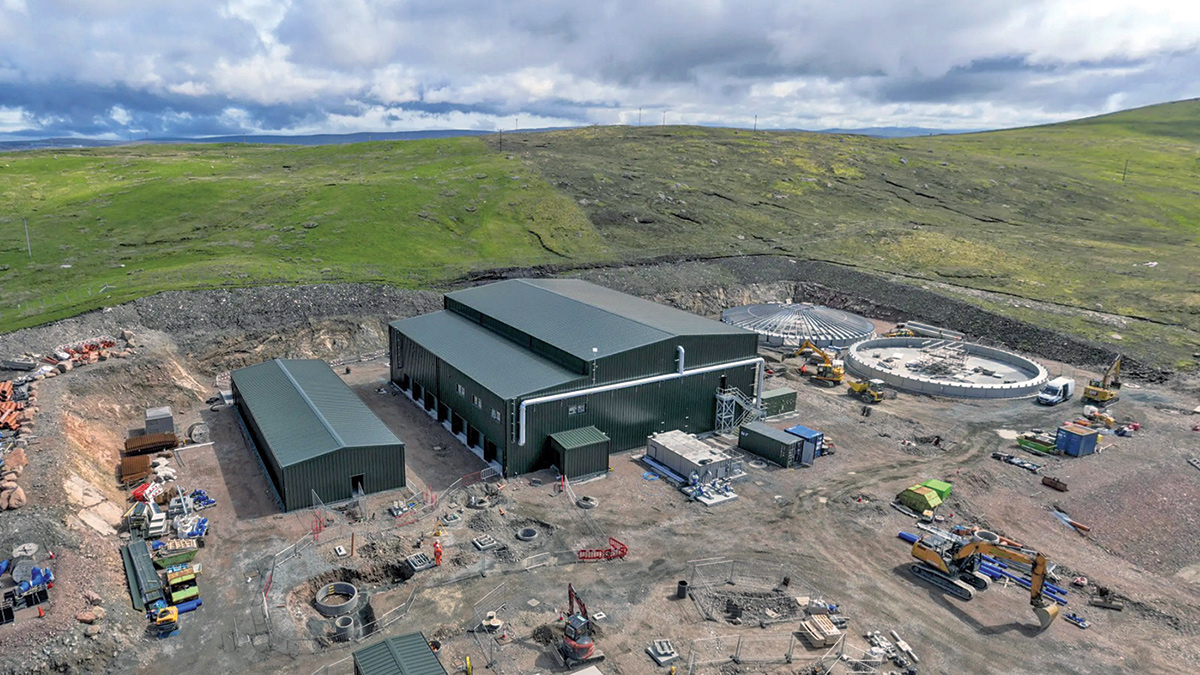
Commissioning activities commenced in January 2026 (June 2026) - Courtesy of RSE/Zenith Surveying