
Sandall WwTW (2026)
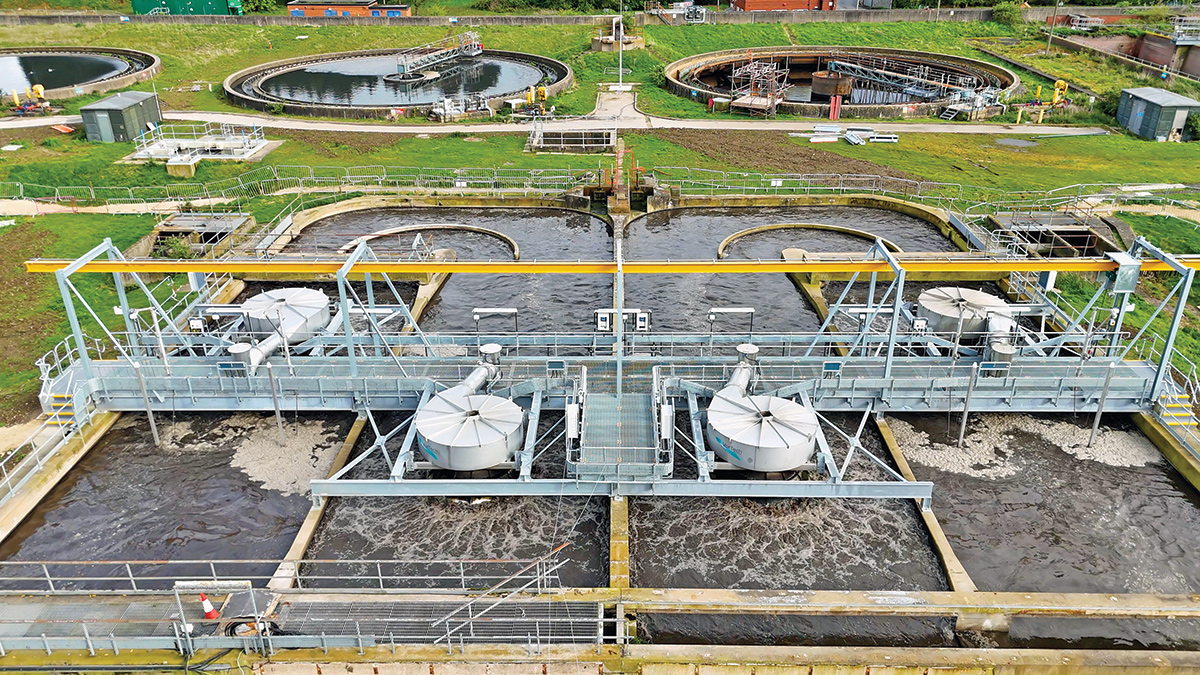
Sandall WwTW: New Vortex Powered Aeration™ system installed in oxidation ditches - Courtesy of Vortech Water Solutions Ltd
Yorkshire Water’s Sandall WwTW serves a growing urban population in Doncaster. The site treats predominantly domestic wastewater with contribution from commercial and industrial sources such as landfill leachate. Secondary treatment at the works is split between a plug flow system and oxidation ditches. The oxidation ditch process consists of four parallel streams, each with a working volume of approximately 2,450m3, providing a total biological reactor volume of close to 10,000m3. The structures themselves are over 60 years old but remain structurally sound and in good condition, and therefore represent valuable existing assets to enable capacity increase within the overall treatment process.
Project need & background
As part of Yorkshire Water’s wider AMP7 investment programme and commitments under the Water Industry National Environment Program (WINEP), improvements were required to ensure continued compliance against an expected increase in catchment demands and to lower total lifecycle costs.
This included a dedicated upgrade of the existing oxidation ditches at Sandall WwTW with more efficient aeration and mixing equipment whilst increasing the plant’s capacity.
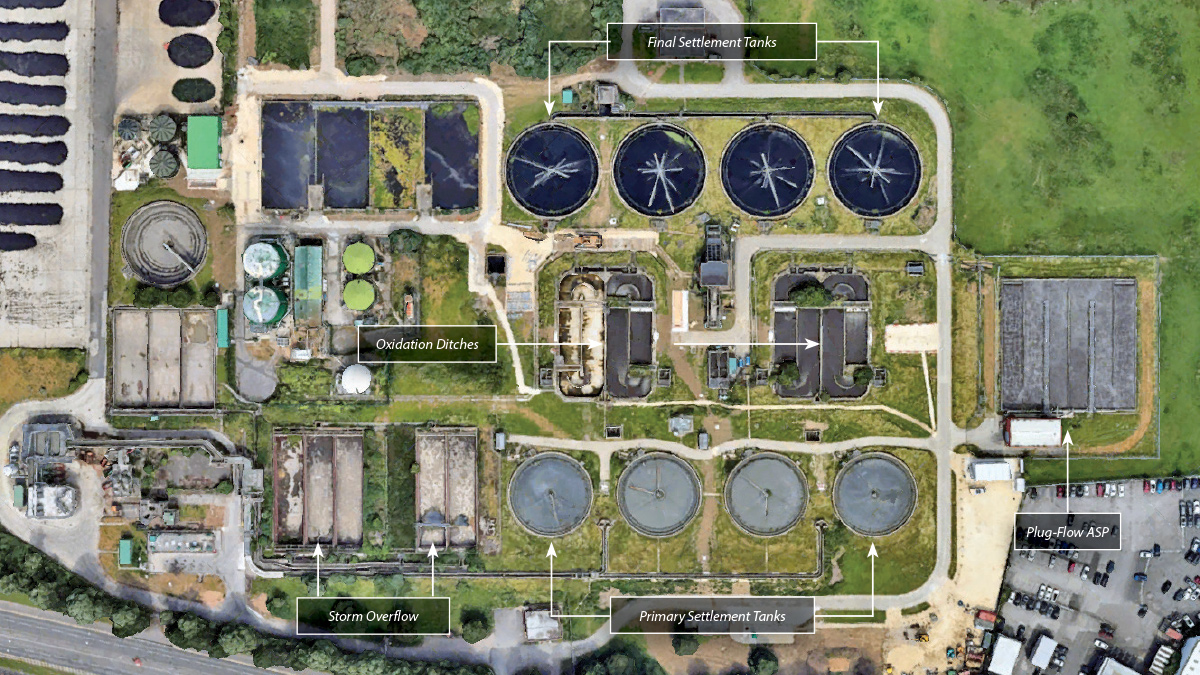
Google Earth image of Sandall WwTW pre-aeration system upgrade
Historically, each of the four oxidation ditch streams was equipped with three horizontal brush aerators (duty/duty/standby) each providing both aeration and hydraulic circulation within the oxidation ditch. After decades of service the equipment had deteriorated significantly, with gearbox failures, corrosion and structural fatigue affecting reliability.
To maintain treatment performance, a number of temporary rental aerators had been installed within the ditches, including high‑speed surface aerators and aspirating turbines. These machines were not designed for oxidation ditch applications and did not provide adequate circulation velocity throughout the oxidation ditch.
The result was increased energy consumption, higher maintenance demands, and growing operational complexity. Yorkshire Water therefore sought a long-term solution capable of increasing capacity and improving process performance without requiring major structural modifications to the existing tanks.
In addition, the relatively shallow liquid depth in the oxidation ditch (approx. 3m) further constrained the applicability of conventional aeration technologies; particularly fine bubble diffused aeration systems, which are inherently less efficient at shallow depths, limiting their effectiveness in the configuration at Sandall.
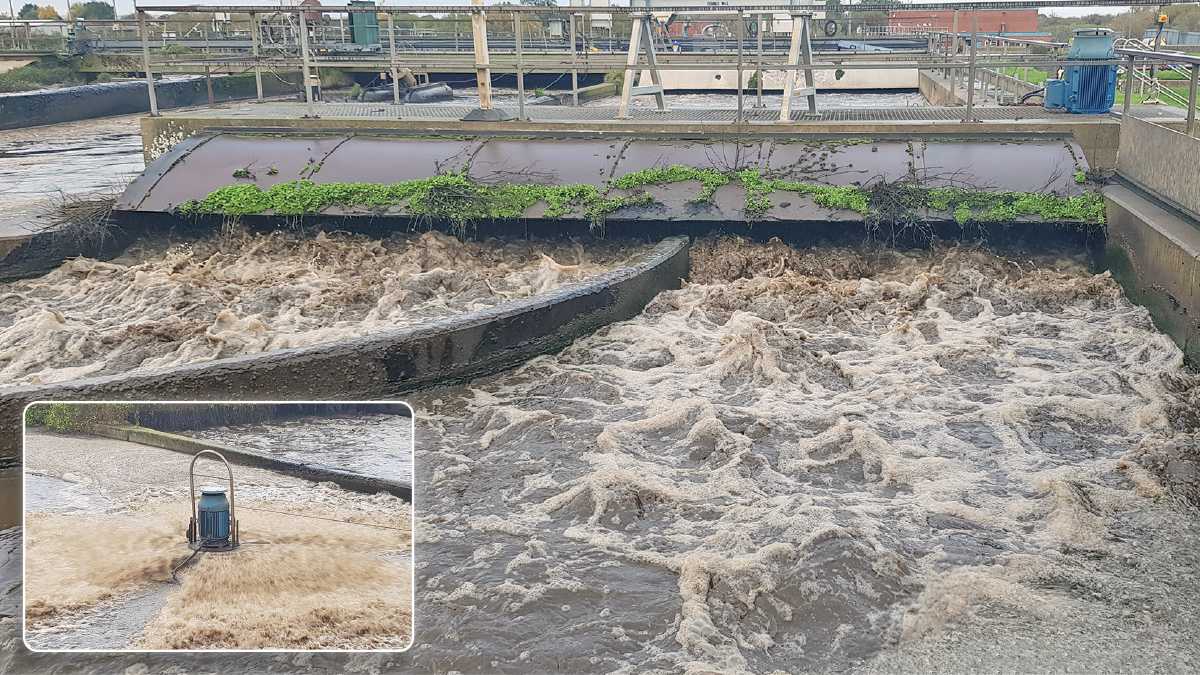
The existing horizontal brush aeration system and (inset) rented surface aerator in the oxidation ditch – Courtesy of Vortech Water Solutions
As a result, an alternative approach was required to meet the project objectives, with the key drivers including:
- Improving biological treatment stability and nitrification performance.
- Providing flexibility to accommodate future catchment growth to 2035 whilst minimising specific energy consumption and associated carbon emissions.
- Lowering the on-site maintenance burden and improving operator safety.
- Extending the life of the existing oxidation ditch structures and lowering the total cost of ownership of the asset.
Solution overview
Following technical evaluation, Vortex Powered Aeration™ (VPA™) technology from Vortech Water Solutions Ltd was selected for the oxidation ditch aeration upgrade.
Across the options assessed, the Vortex Powered Aeration™ system demonstrated lower whole-life operational requirements, driven by reduced energy demand and simplified maintenance compared with a replacement horizontal brush aeration system. The selected configuration also reduced the installed power requirement, avoiding the need for significant upgrades to the site electrical infrastructure, with the total installed power reduced from approximately 444kW to 350kW.
Vortex Powered Aeration™ technology – how it works? – Courtesy of Vortech Water SolutionsLtd
The VPA™ system operates by drawing activated sludge from the treatment tank and injecting it into a specially engineered surface-mounted vortex chamber. This motion creates a cyclonic flow that entrains atmospheric air without the need for blowers or compressors. Within the system, the air is broken into fine bubbles and reintroduced into the tank as a high-energy jet, delivering efficient oxygen transfer.
The final configuration consisted of eight VPA-S5040 units (two per oxidation ditch streams), together with eight low-speed submersible Flygt mixers from Xylem Water Solutions to boost flow to maintain sufficient circulation.
Each aerator is driven by a 40kW pump and offers a wide turndown capability to approximately 20% of rated power, enabling oxygen transfer to be closely matched to process demand via variable frequency drive (VFD) control. This represents a significant advancement over the previous oxidation ditch control approach, which relied on adjusting water levels via a movable weir to influence oxygen transfer and power input.
In this arrangement, aeration and mixing are intentionally decoupled. While the VPA™ units provide oxygen transfer, the flow boosters maintain hydraulic circulation and mixing within the oxidation ditch. This differs from traditional brush aerator systems, where a single machine must provide both oxygen transfer and circulation in the oxidation ditch. Separating these functions allows operators to independently control dissolved oxygen levels and circulation velocity, improving process stability and energy efficiency.
Multiphase computational fluid dynamics (CFD) modelling including water, air and mixed liquor suspended solids (MLSS) modelling was undertaken during design to confirm the proposed equipment layout.
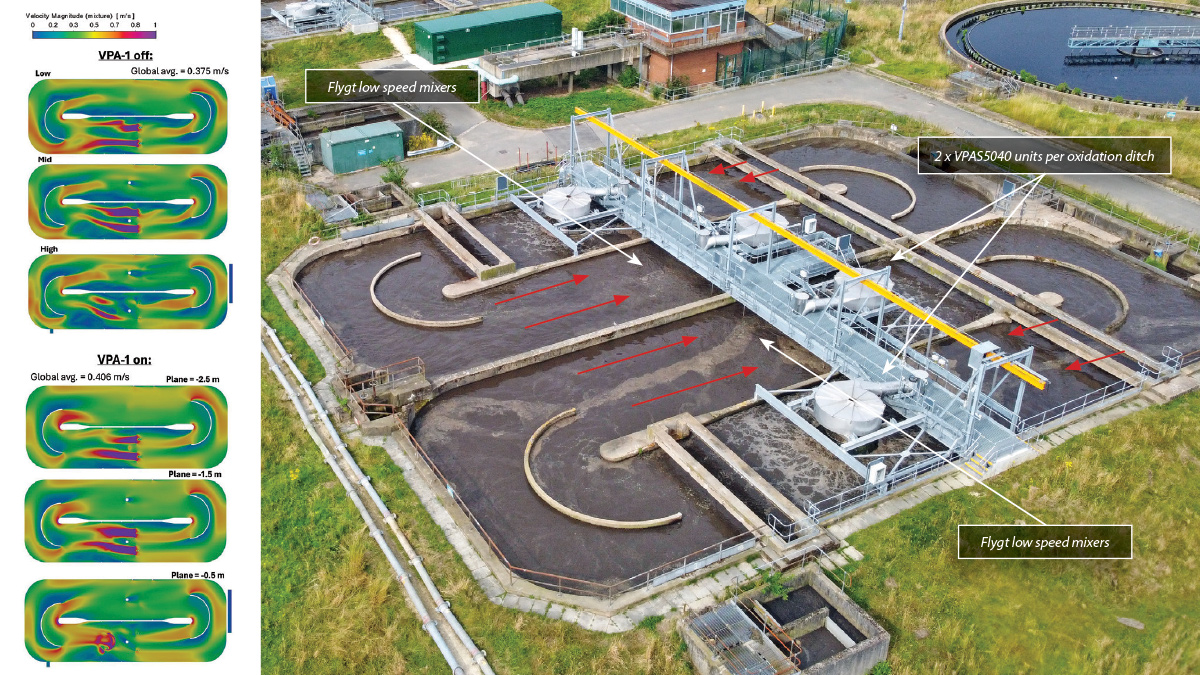
(left) CFD outputs showing velocity fields achieving the 300 mm/s bulk velocity target and (right) annotated view of the installation – Courtesy of Vortech Water Solutions
The modelling demonstrated that adequate bulk velocities in excess of 300mm/s could be maintained around the oxidation ditch while also ensuring effective solids suspension, from a settled state. With flow booster speed controlled via variable frequency drives (VFDs), rotational speeds were optimised during commissioning to maintain target bulk velocities while minimising overall energy consumption.
Scope, delivery & installation
A key enabler of the project’s successful delivery was the adoption of a Design for Manufacture and Assembly (DfMA) approach by Vortech Water Solutions Ltd and Ward & Burke.
DfMA streamlines design and fabrication by reducing component complexity and simplifying installation, thereby optimising overall delivery efficiency. Vortech’s VPA™ systems are inherently developed using DfMA principles, with modular, standardised components designed for efficient off-site manufacture, transport, and rapid on-site assembly.
For this project, this philosophy was extended beyond the core equipment to include access platforms, lifting systems, and ancillary infrastructure.
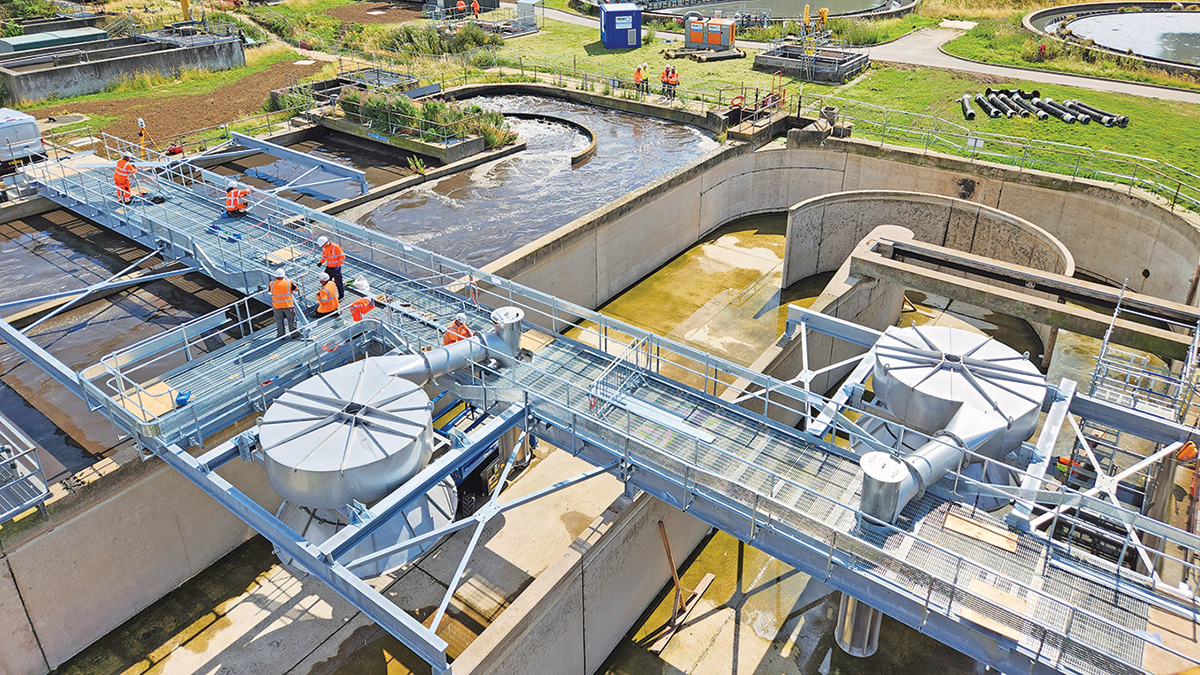
Modular units lowered into place – Courtesy of Vortech Water Solutions
This integrated, standardised approach enabled a highly repeatable installation across each oxidation ditch, significantly reducing on-site complexity, installation time, and personnel exposure, while improving overall safety. Central to this was the use of modular steel access platforms, identical in design for each ditch, supporting the VPA™ units and providing safe, consistent access for operation and maintenance. Each platform incorporated a single overhead gantry system, allowing pumps and flow boosters to be serviced along one axis, simplifying maintenance and enabling rapid equipment change-out using dedicated spare units.
Critically, the DfMA approach enabled a phased and carefully sequenced retrofit strategy, allowing the plant to remain fully operational throughout the upgrade. Individual oxidation ditches were taken offline sequentially for cleaning and installation works, while the remaining ditches maintained treatment.
Upon completion and commissioning of each upgraded ditch, full treatment capacity was restored, allowing the next ditch to be taken out of service. This rolling upgrade approach ensured continuous compliance and avoided disruption to plant operations.
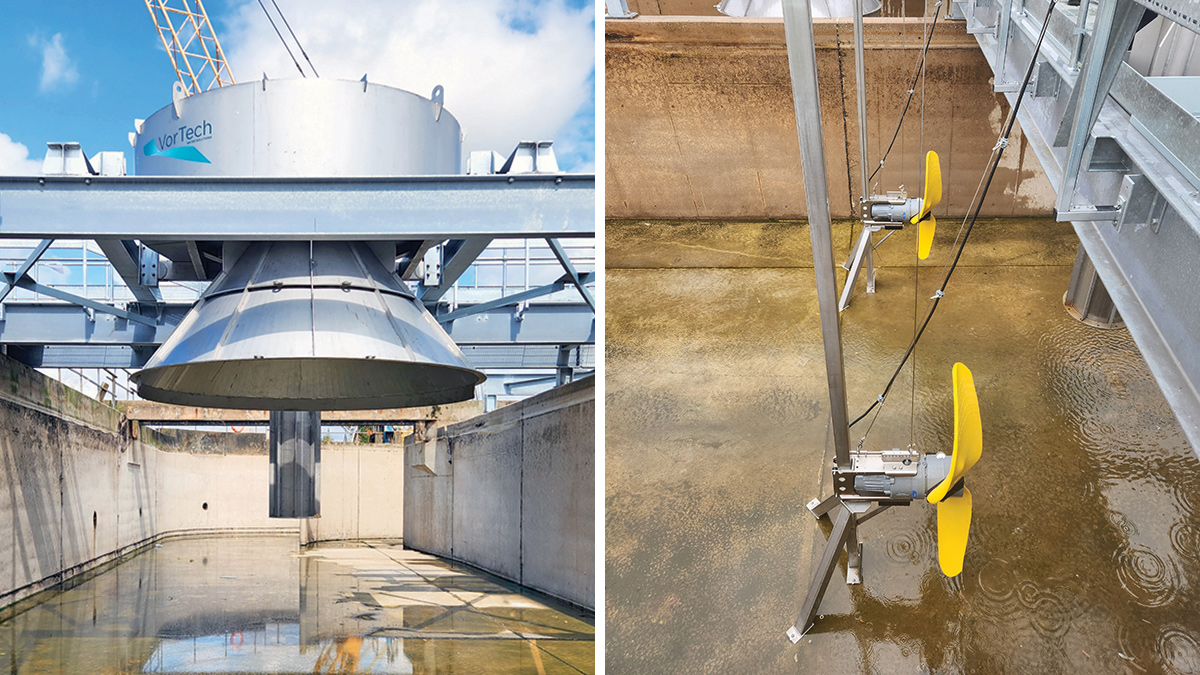
(left) Oxidation ditch installation and (right) Flygt low speed mixer/flow booster installation – Courtesy of Vortech Water Solutions
The efficiency of this approach was reflected in installation performance, with each VPA™ unit installed within approximately one to one-and-a-half days, enabling rapid progression of works across the site. Supporting systems were also aligned with the DfMA philosophy. A dedicated motor control centre (MCC) container was installed to house electrical equipment, and dissolved oxygen instrumentation was integrated into the control system, with probes located in accessible positions downstream of each VPA™ unit to enable automated control and simplified maintenance.
Overall, the application of DfMA transformed the upgrade from a high-risk, disruptive retrofit into a controlled, efficient, and repeatable process, delivering enhanced safety, reduced installation time, and uninterrupted treatment performance.
Sandall WwTW Aeration Upgrade: Supply chain – key participants
- Process consulting engineer: Stantec UK
- Principal designer & project delivery: Ward & Burke
- Aeration & biological equipment (Vortex Powered Aeration™ system): Vortech Water Solutions Ltd
- Mixers/flow booster: Xylem Water Solutions
- Access metalwork: GT Fabrications
- DO sensors: Badger Meter – ATi
- MLSS sensos: Hach
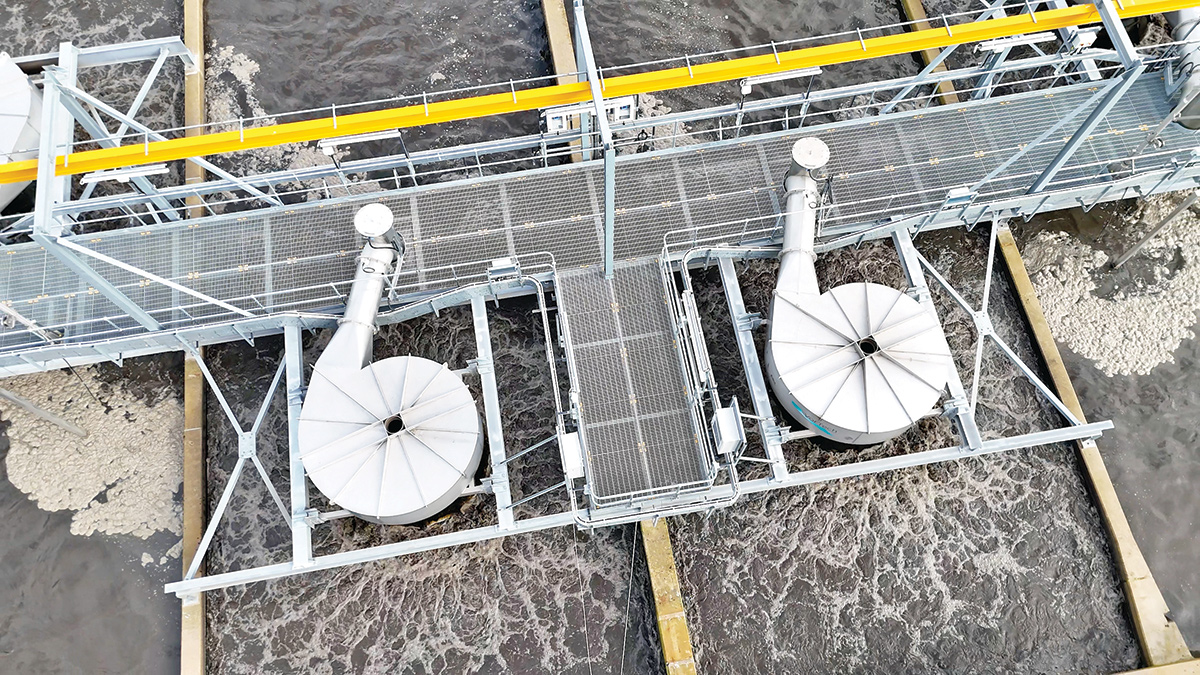
Two of the eight VPA-S5040 units installed at Sandall WwTW – Courtesy of Vortech Water Solutions Ltd
Process, energy & control performance
Following commissioning, the upgraded oxidation ditch system has demonstrated stable Biochemical Oxygen Demand (BOD5) removal and nitrification performance under a wide range of operating conditions. Independent control of mixing and aeration allows dissolved oxygen levels to be dynamically adjusted according to biological demand, supporting stable treatment even during periods of highly variable influent loading.
Operational monitoring has demonstrated that the system can treat average BOD5 loads of approximately 2,600 kg/day, with peak loads reaching around 5,300 kg/day – equivalent to an average population equivalent (PE) of ~44,000 and peak loadings approaching 90,000 PE. These conditions exceed the original design peak of 54,000 PE, indicating that the system is robust and capable of reliably managing loads beyond its design capacity.
Influent ammonia concentrations have also shown considerable variability, with NH4-N concentrations exceeding 100 mg/l recorded at the inlet during certain operating periods.
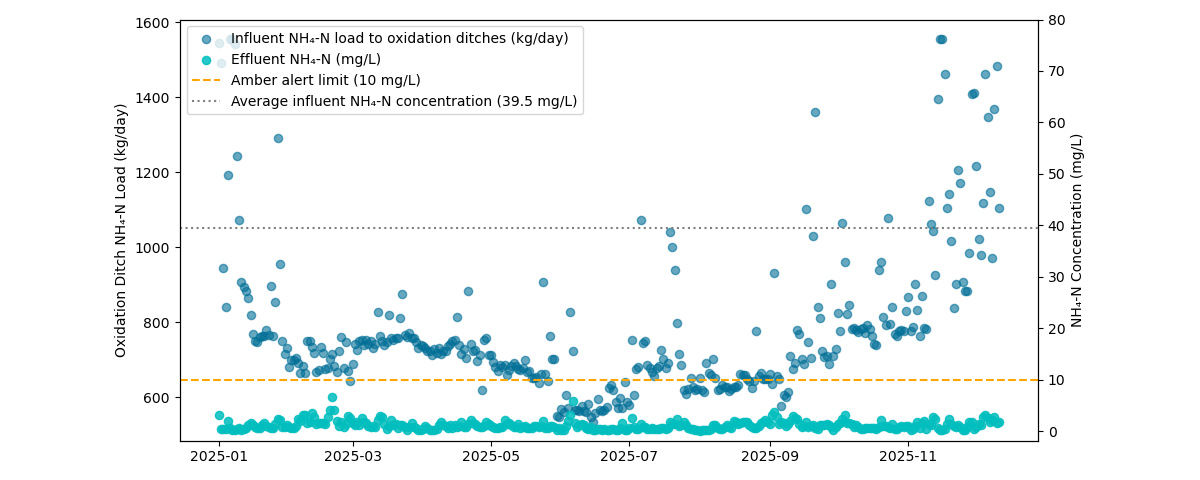
Treatment performance demonstrated by comparison of applied NH4 load and effluent NH4 concentrations over a one-year period
Despite these elevated and fluctuating loads, the oxidation ditch process has maintained stable treatment performance. During high-resolution sampling, ammonium removal efficiencies across the four oxidation ditches ranged between 98.2% and 99.8%, even when influent ammonium and COD concentrations reached approximately 80 mg/l and 545 mg/l respectively. Average effluent COD was approximately 28 mg/l, with independent laboratory analysis showing BOD₅ concentrations typically in the range of 0–5 mg/l, confirming effective BOD removal and reliable nitrification performance.
During commissioning, the technical process and commissioning teams undertook a comprehensive review and optimisation of key process control parameters, including mixed liquor suspended solids (MLSS) concentration monitoring and management, return activated sludge (RAS) distribution, and dissolved oxygen control strategies. Operational data indicates that dissolved oxygen was maintained within a tight control band through dynamic adjustment of aeration power, even under rapidly varying influent flow and organic loading conditions.
This highlights the system’s ability to deliver responsive aeration control while maintaining stable biological performance.
A full operational dataset for 2025 further confirms sustained compliant operation across a wide range of influent conditions, including periods of elevated trade effluent loading, combined sewer inflow variability and wider site commissioning activities. The results demonstrate that the upgraded oxidation ditch system provides a robust and resilient biological treatment process, capable of accommodating variable hydraulic and contaminant loads while maintaining consistent treatment performance.
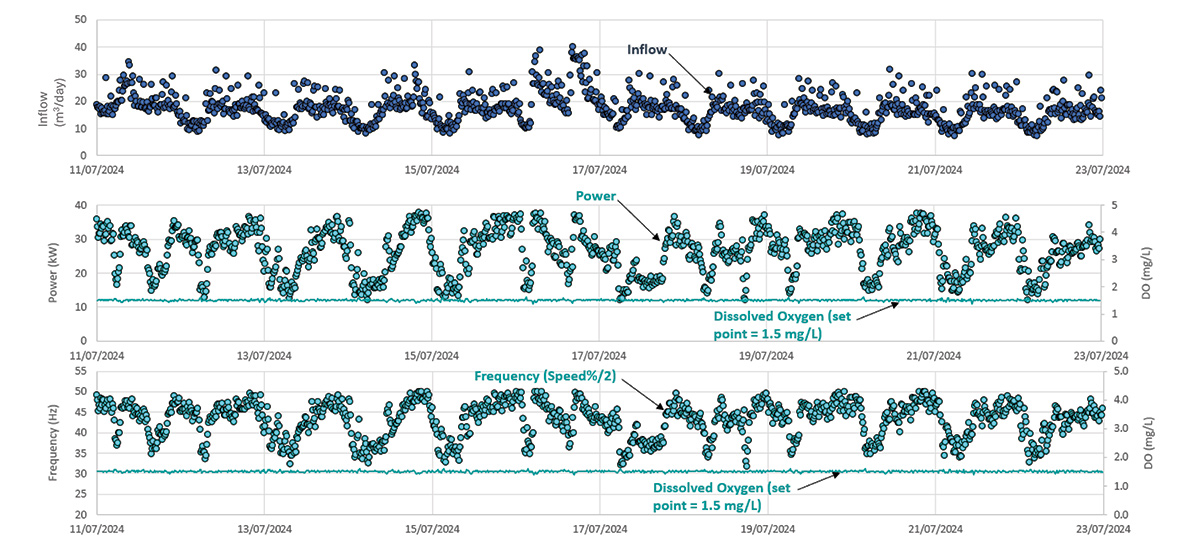
Dissolved oxygen control showing aerator speed varying with influent loading while maintaining the DO setpoint of 1.5 mg/l
Maintenance improvements
The upgrade has significantly reduced maintenance requirements compared with the previous surface aeration system. The legacy horizontal brush aerators required complex lifting operations and routine maintenance of gearboxes, bearings and lubrication systems, which became increasingly problematic as the equipment aged.
In contrast, the VPA™ system operates using pump-driven circulation with all rotating components accessible from the tank-top platform. Since commissioning, the pumps have operated continuously for over two years without unplanned downtime or any maintenance intervention.
Inspection of circulation pressure after approximately two years of operation showed no measurable change in pump performance, indicating no evidence of wear, fouling or clogging. The simplified configuration has therefore provided a reliable and straightforward system for operators to manage, while substantially reducing the maintenance burden at the facility.
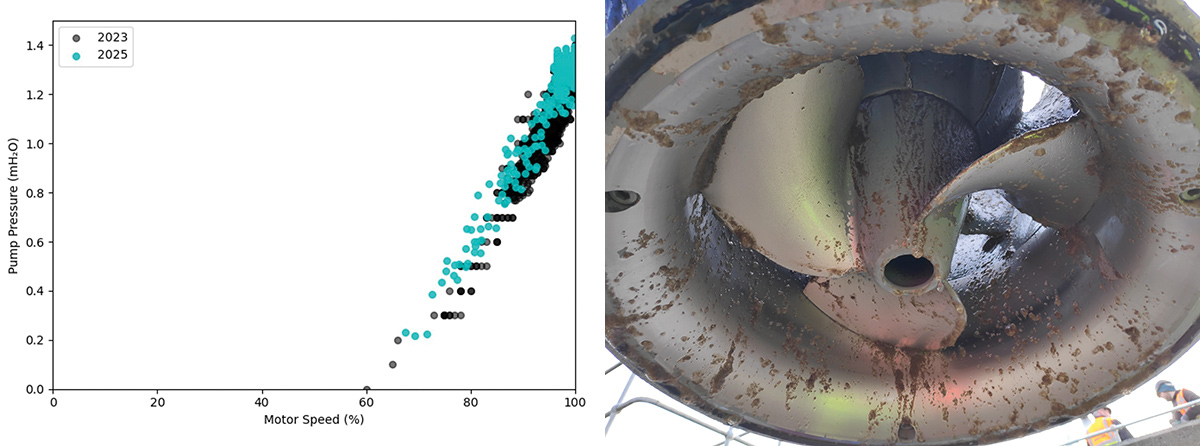
(left) Pressure versus motor speed at commissioning and after 2 years showing no measurable change in pump output performance and (right) view of the pump propellers showing no clogging after 18 months of operation – Courtesy of Vortech Water Solutions Ltd
Lessons learned & engineering considerations
The Sandall WwTW aeration upgrade project demonstrated several key lessons relevant to utilities considering upgrades to ageing biological treatment infrastructure.
1. The project challenges the common perception that ageing infrastructure is inherently inefficient. In many instances, legacy oxidation ditch assets remain structurally sound and represent significant embedded value. Rather than replacement, the opportunity lies in upgrading these systems with next-generation technologies. The VPA™ system exemplifies this approach, enabling existing assets to be transformed to modern performance standards. This project demonstrates that, with the right technology intervention, ageing infrastructure can be restored to (and in some cases exceed) current best-in-class efficiency and performance benchmarks.
2. The project highlights the operational benefits of de-coupling aeration and mixing functions. Traditional brush aerators combine oxygen transfer and hydraulic circulation within a single unit, often controlled through water level variation, a legacy approach that limits responsiveness and efficiency. In contrast, the VPA™ system enables aeration to be controlled via variable frequency drives, allowing precise, real-time adjustment of oxygen input independent of mixing. This provides significantly improved process control, reduced energy consumption, and enhanced stability under variable loading conditions.
3. The use of pumping as the primary mechanism for aeration introduces a step-change in operability and maintenance. The VPA™ system is driven by submersible pumps, equipment that operators are highly familiar with, and which can be accessed and maintained safely at surface level. Compared to conventional systems, this represents a substantial improvement; blower-based systems typically require specialist maintenance, while brush aerators often necessitate heavy lifting equipment and frequent intervention, as evidenced in this project. Pump-based aeration offers a more robust, maintainable, and operationally accessible solution, which has been positively received by site operators.
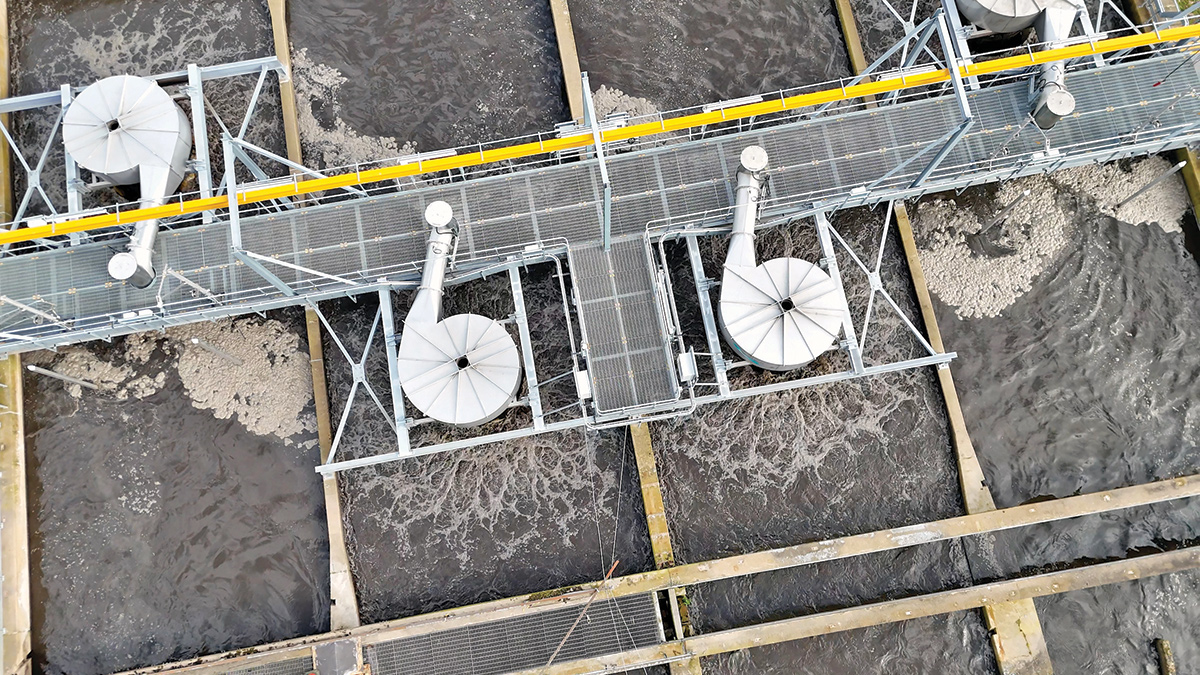
VPA-S5040 units installed at Sandall WwTW – Courtesy of Vortech Water Solutions Ltd
4. The application of computational fluid dynamics modelling during design provided confidence that the retrofit configuration would maintain adequate mixing and solids suspension throughout the oxidation ditch. This reduced technical risk and enabled optimisation of equipment layout within the constraints of the existing asset.
5. The project reinforces the importance of considering whole-life performance rather than simply installed aeration capacity. Operational flexibility, controllability, and maintenance requirements are critical drivers of lifecycle cost and system resilience. The retrofit demonstrated that upgrading legacy infrastructure with advanced, controllable aeration systems can deliver improved process stability, reduced energy demand, and a substantially lower maintenance burden.
These findings are particularly relevant as utilities face increasing regulatory pressure, energy constraints, and the need to maximise the value of existing assets. The Sandall WwTW Aeration Upgrade Project illustrates a clear pathway for transitioning legacy infrastructure into next-generation treatment systems through targeted, technology-led upgrades.
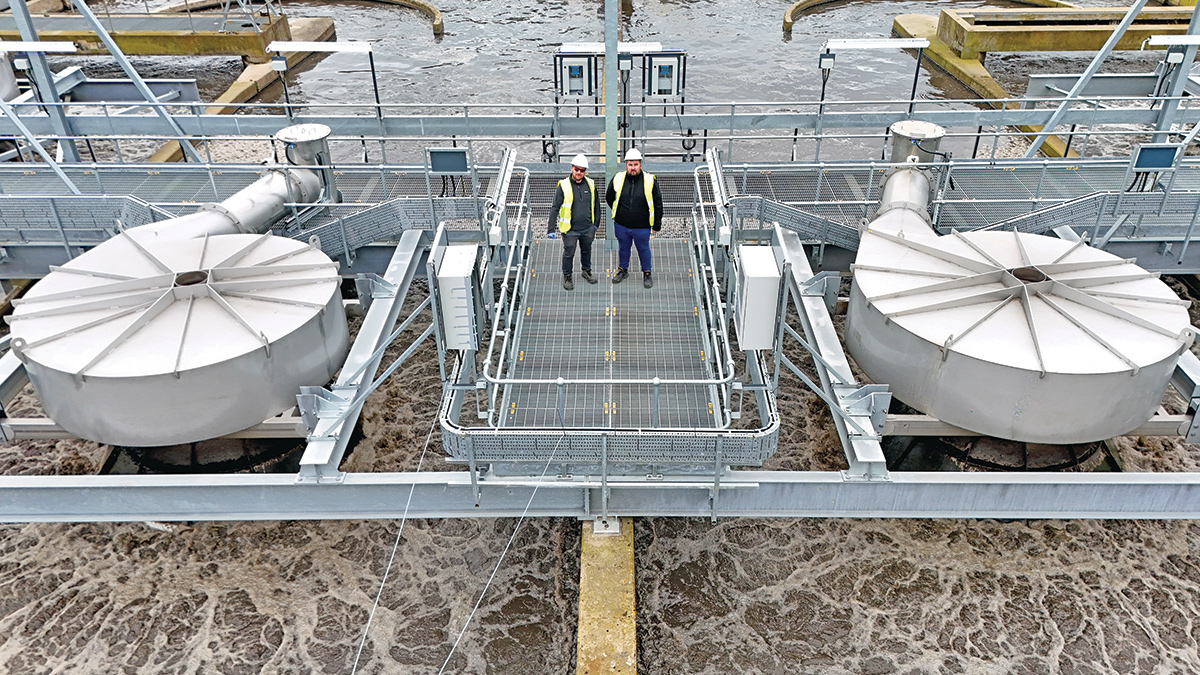
Two of the eight VPA-S5040 units installed at Sandall WwTW - Courtesy of Vortech Water Solutions Ltd