

Kilrea WwTW (2026)
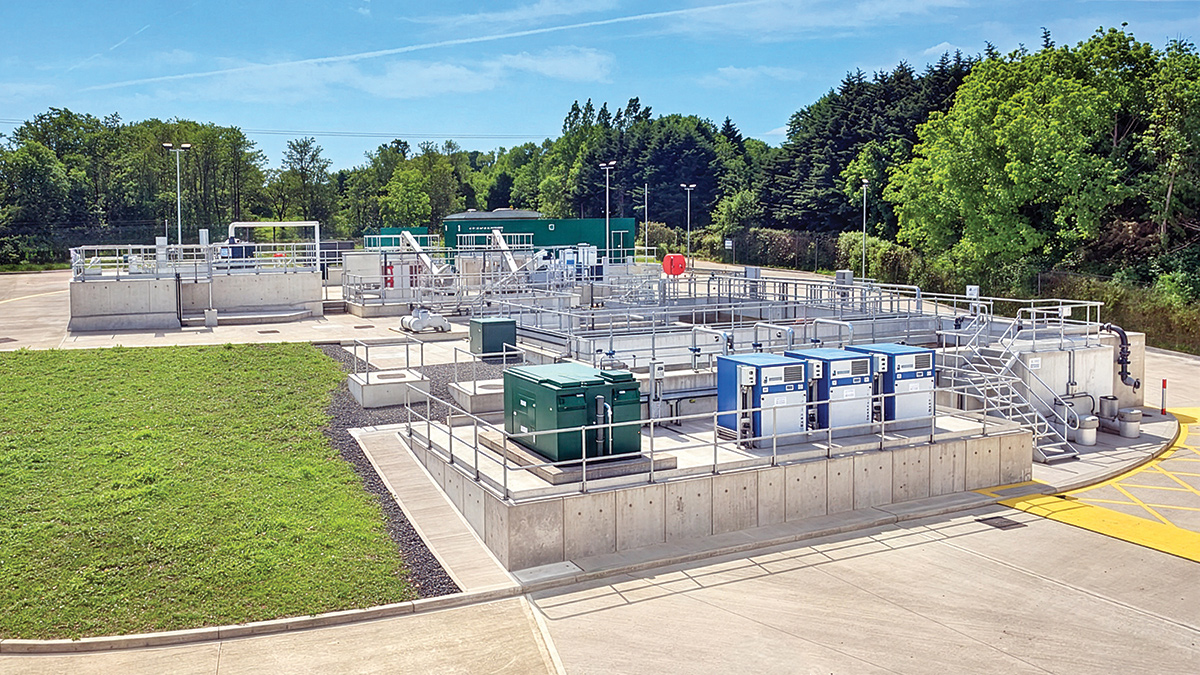
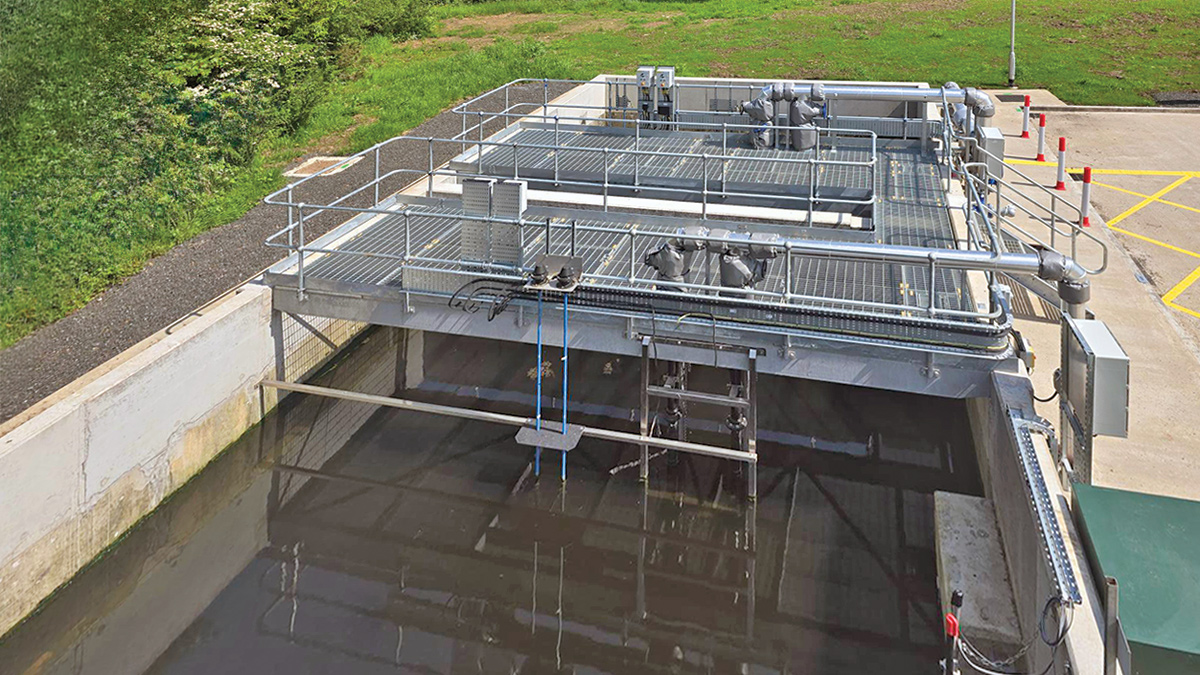
The completed Kilrea WwTW - Courtesy of Farrans Glanua JV
Built in the 1970s to serve a population of approximately 3,000, Kilrea Wastewater Treatment Works (WwTW) is located in Kilrea, County Derry-Londonderry, Northern Ireland. NI Water selected the works for reinvestment under its PC21 programme in response to capacity pressures, ageing infrastructure and the need to strengthen environmental performance. The principal driver was to improve compliance with Northern Ireland Environment Agency (NIEA) standards and provide resilience against tighter future discharge consents. The investment was also intended to enhance wastewater services, protect the River Bann, support planned residential and commercial growth, improve operational efficiency, reduce energy demand and address health and safety risks associated with ageing assets.
Early contractor involvement
Through early contractor involvement (ECI), Farrans Glanua JV and NI Water reviewed catchment load data and assessed treatment options against influent characteristics, operational requirements, maintainability, and whole-life efficiency.
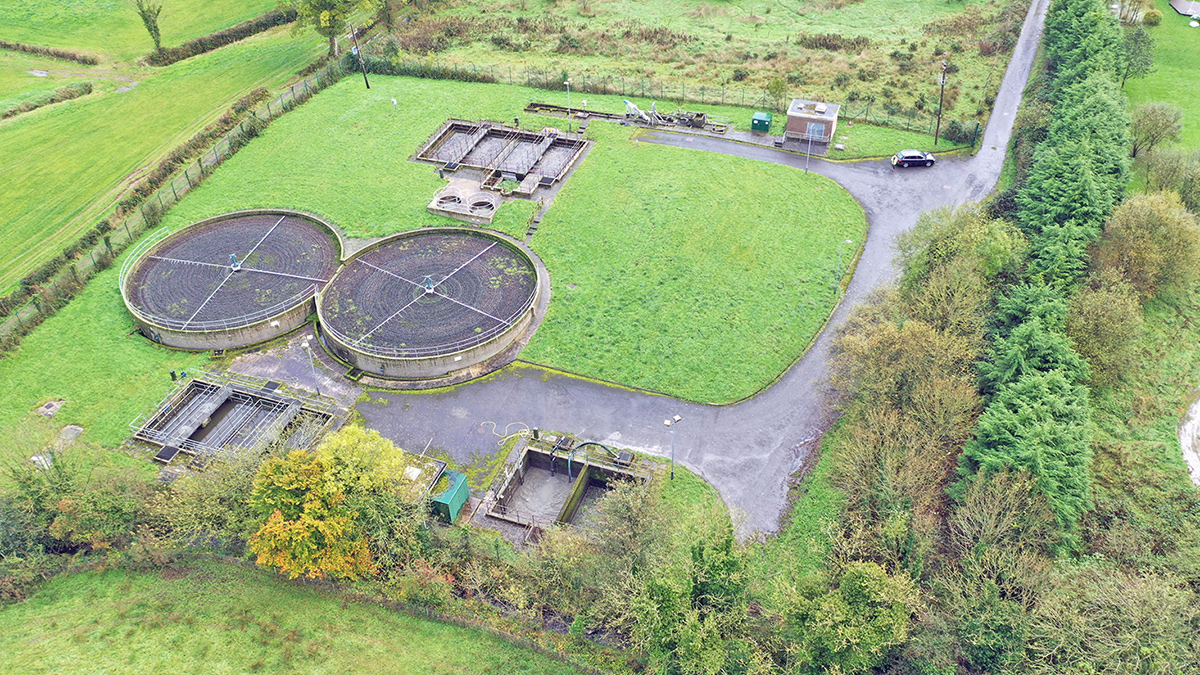
Kilrea WwTW before construction – Courtesy of Farrans Glanua JV
This optioneering process led to the selection of a robust activated sludge process (ASP), designed for a population equivalent of 4,400 and an NIEA discharge standard of 30:50 for biochemical oxygen demand and suspended solids (BOD:SS).
The completed scheme increases treatment capacity by almost 50%, introduces stormwater storage for the first time and integrates new process assets with repurposed elements of the original works. The existing treatment process remained operational throughout construction, enabling delivery without loss of service to the community.
Treatment process and principal assets
Inlet works and storm management
Incoming wastewater passes through a new Formula A flume and packaged inlet works. The flume provides a controlled means of measuring and managing incoming flow, while the packaged inlet arrangement forms the front end of the upgraded process. Together, these assets provide a defined hydraulic entry point and support reliable operation as flows vary across the catchment.
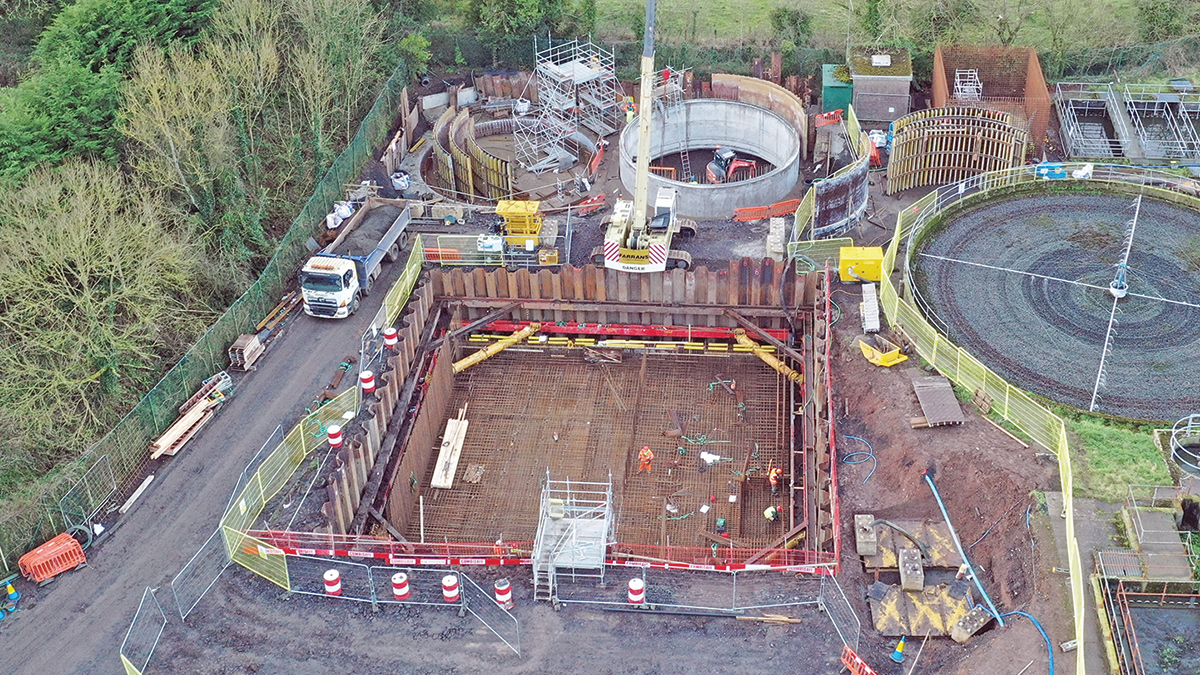
Cofferdam for the activated sludge tank and start of construction of the final settlement tanks – Courtesy of Farrans Glanua JV
For the first time at Kilrea, the works provides dedicated stormwater attenuation. A total of 363m3 of capacity is distributed across the combined sewer overflow, blind and online storm tanks.
During elevated flows, this storage retains wastewater that previously would have passed towards the River Bann without storm attenuation, allowing it to be managed within the treatment system when capacity becomes available.
Activated sludge treatment
Following preliminary treatment and flow management, wastewater enters two new aeration lanes. In the ASP, controlled aeration supports the biological treatment required to reduce the organic load. Delta Hybrid high-efficiency air blowers from Aerzen Machines Ltd were selected to supply process air efficiently and to support stable operation under varying loads, including shock industrial loading, identified as a resilience requirement during design development.
Final settlement, sludge management & discharge
Mixed liquor from the aeration lanes flows to two new final settlement tanks, where treated wastewater is separated from biological solids. Dry-installed return activated sludge (RAS) and surplus activated sludge (SAS) pumping stations provide accessible, maintainable transfer of settled solids. RAS is returned to sustain the biological process, while SAS is removed to a new sludge consolidation tank for onward management.
Sludge tank – Courtesy of Farrans Glanua JV
The new sludge consolidation tank is supported on 20 (No.) 350mm diameter continuous flight auger (CFA) piles, installed by Quinn Piling.
The original final settlement tanks were retained and adapted for final effluent storage and pumping, extending the useful life of existing structures and reducing the need for new construction. From this final stage, treated effluent is managed for compliant discharge. The upgraded site is controlled through a new motor control centre (MCC) kiosk, giving operators a modern central point from which to monitor and manage the process.
To comply with future flood event design levels, the walls of the existing final settlement tanks were raised. The existing wall crests were scabbled and reinforcement bars drilled and epoxy-fixed into the parent concrete, allowing the wall extensions to be constructed while the tanks remained in operation. Following the switch of flows, temporary pipework was installed to bypass the tanks and allow refurbishment works to proceed. The tanks were fully cleaned out, and a birdcage scaffold was erected within each to provide a working platform for removing redundant infrastructure and completing the remaining wall extensions.
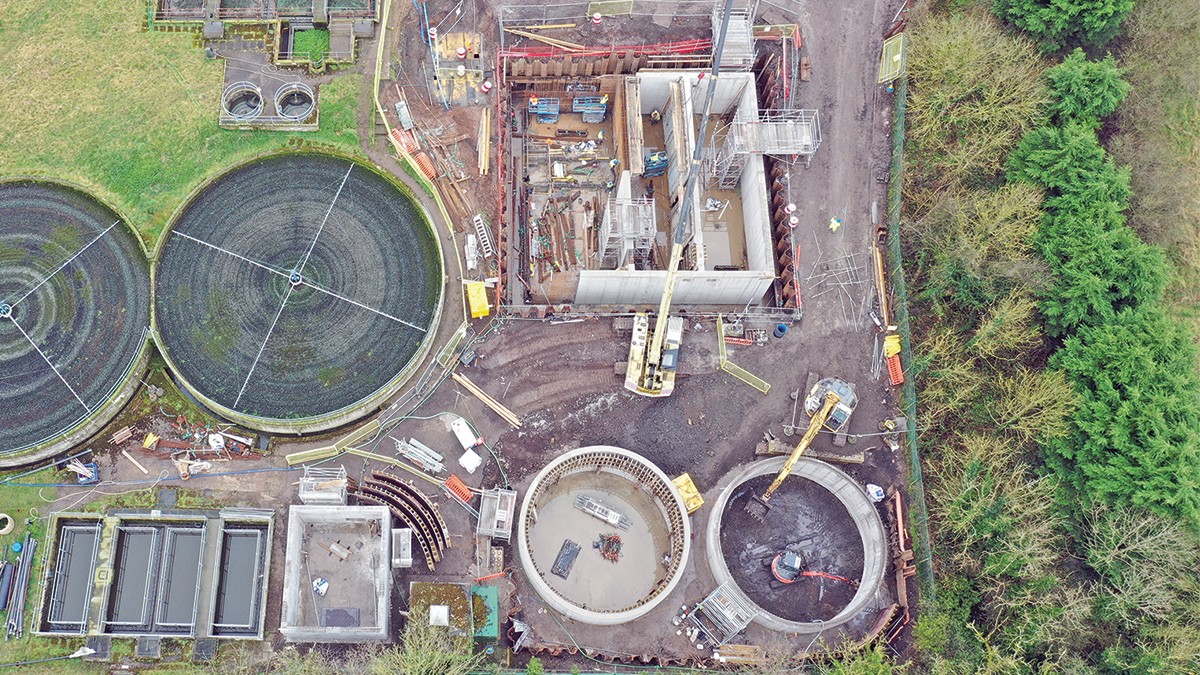
ASP & FST construction progress – Courtesy of Farrans Glanua JV
Designing & building on a live site
Limited space and the requirement to keep the existing works in service made buildability a defining consideration. The team developed an in situ circular concrete solution for the two final settlement tanks, adopting a sunk shaft approach that reduced excavation, temporary works and interfaces with live assets. This methodology suited the constrained footprint and reduced exposure to excavation and confined space risks.
Construction was phased around the live treatment process. Existing treatment remained available while new assets were built and connected, and weekly sludge tanker movements continued throughout the programme. Careful planning of isolations, interfaces and commissioning activities allowed the team to deliver the upgrade without interrupting wastewater services.
In the initial phase, four structures were under construction concurrently, with the 40t crawler crane servicing each. Sequencing these activities within a restricted footprint while maintaining the operational treatment works was the project’s principal logistical challenge.
Regular workshops, progress meetings and collaborative reviews kept NI Water closely involved in design and construction decisions. Robust controls were applied to excavation, confined spaces and work beside operational treatment assets.
Close supply chain coordination supported programme certainty, while local knowledge helped the team maintain responsive communication and minimise disruption to residents and road users.
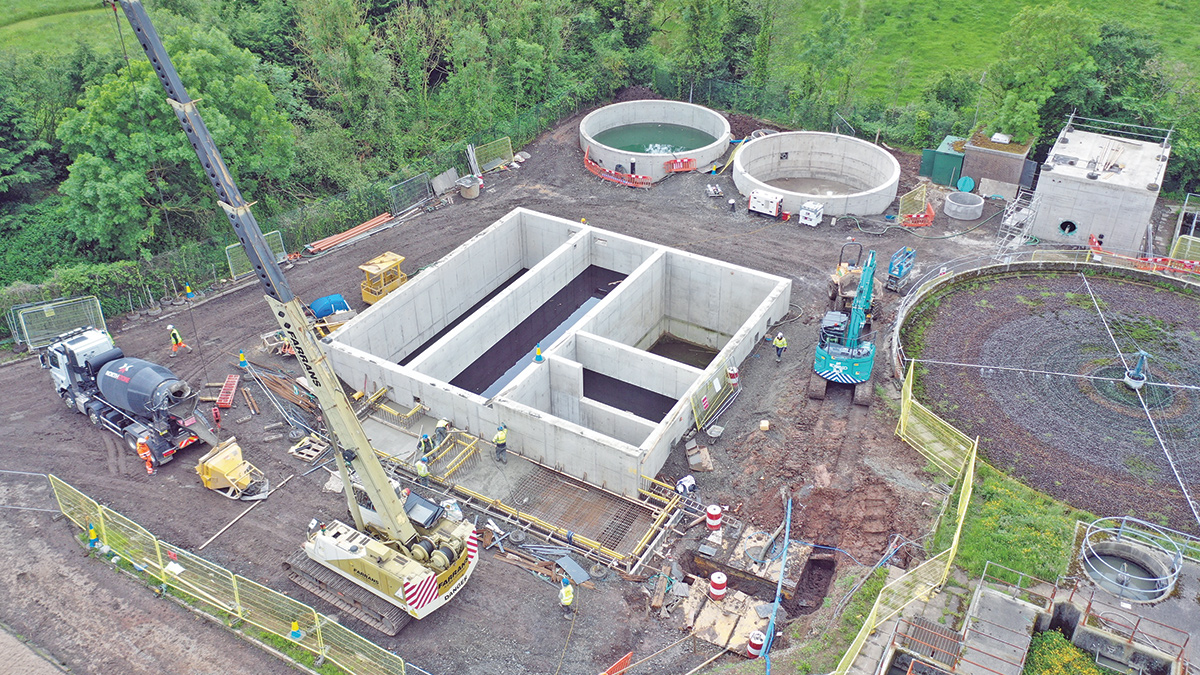
Construction of the activated sludge plant and final settlement tanks nearing completion – Courtesy of Farrans Glanua JV
Commissioning had to be integrated with this live site sequence rather than treated as a separate final activity. New process units, pumping arrangements and controls were brought into service in a controlled order so that treatment continuity could be protected while operators moved from the legacy arrangement to the completed ASP. This approach reduced operational risk and allowed plant performance to be observed and refined under real incoming flow conditions.
Maintainability was considered alongside process performance. Dry-installed RAS and SAS pumps provide easier access than submerged arrangements, while the MCC kiosk brings the principal controls together in a dedicated operational space.
Retaining useful existing structures also reduced the number of completely new assets that NI Water will need to inspect and maintain. Collectively, these decisions support safe access, practical intervention and reliable long-term operation.
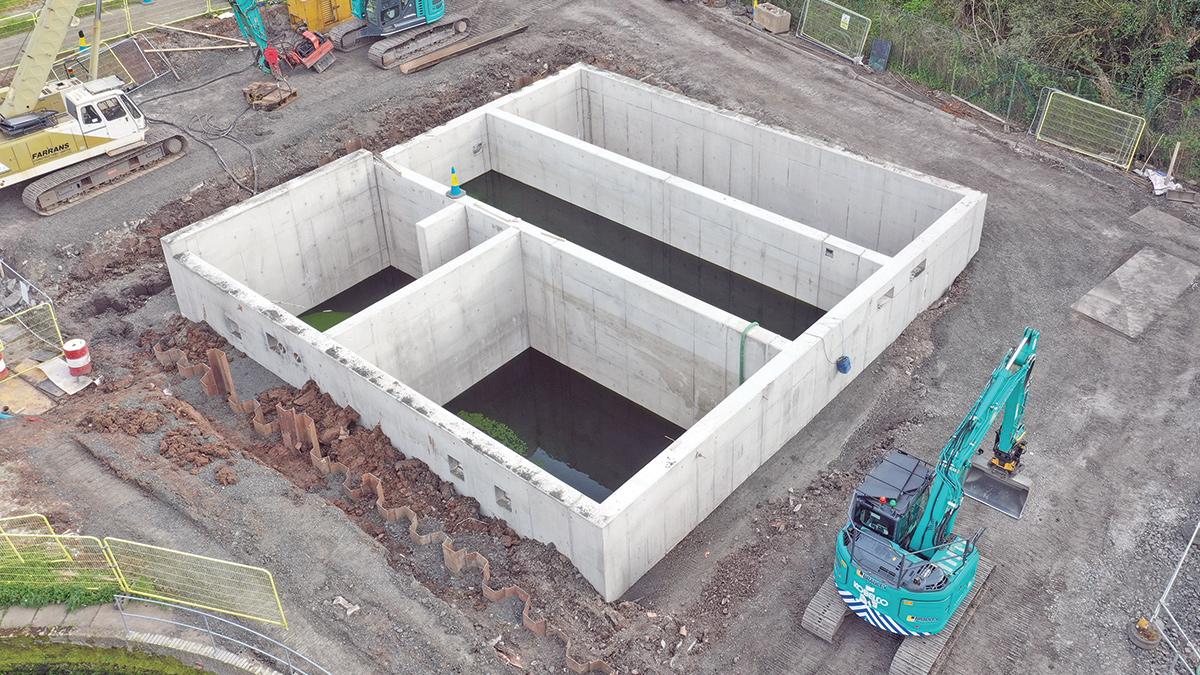
Kilrea WwTW activated sludge plant – Courtesy of Farrans Glanua JV
Kilrea WwTW: Supply chain: key participants
- Framework design & build contractor: Farrans Glanua JV
- Civils: Farrans
- MEICA: Glanua Group
- Client representative: RPS, A Tetra Tech Company
- Civil & structural designer: Jacobs
- FRC contractor: Hillfoot Contracts
- Civil engineering/groundworks: P Bradley & Co. Ltd
- Piling contractor: Quinn Piling Limited
- Scaffolding: Advanced NI Scaffolding Ltd
- Concrete supply: Northstone
- Precast concrete & quarry products: FP McCann
- Half bridge scrapers & access metalwork/walkways etc: SMP Fabrications Ltd
- RAS/SAS gantry: Heyn Engineering
- Aeration grid/pumps: Xylem Water Solutions
- Delta hybrid blowers: Aerzen Machines Ltd
- Overflow screen inlet package: Jacopa Ltd
- Inlet package LCP, PLC & MCC: Profitec Solutions
- Letterbox screens: Eliquo Hydrok Ltd
- Booster set: Dutypoint Ltd
- Valves, actuators & penstocks: AxFlow NI Ltd
- Process pipework/fittings & valves: APP Fusion Group
- Odour control units: Anua Clean Air UK
- MCC kiosk: Quinshield Ltd
- Flow meters: Siemens
- Instrumentation: Hach UK
- Generator set: Shanahan Power
- Hose reels: Carben Controls
Final settlement tank construction
The two new final settlement tanks were located partly within the footprint of the redundant sludge holding tanks. Enabling works comprised breaking out and removing the existing concrete structure, after which the area was backfilled to formation level with compacted 6N stone.
Each final settlement tank is 11.37m in diameter with an overall height of 6.95m from top of wall to toe. A guide collar was constructed for each tank to control alignment during shaft sinking.
To shorten the programme, circular shutters were prefabricated off-site. Each tank was cast in two lifts, limiting the structure to a single construction joint. Following the pour of the first lift, approximately 3.85m high, and the stripping of the shutters, a 3t excavator was lowered into the tank to remove the mud mat and excavate the spoil from within the shaft. Guided by the collar and under continuous survey control, spoil was removed sequentially, and the tank sank progressively until it reached foundation level. A 40t crawler crane and tipping skip were used to remove surplus material from the shaft.
Owing to the proximity of a stream, groundwater control measures were maintained. A sump was located outside the tank perimeter, with the abstracted water pumped and treated via SuDS ponds.
At foundation level, three pockets were excavated beneath the cutting shoe to create a landing pad. Construction of the two tanks was staggered: while Tank 2 was being sunk, wall construction proceeded on Tank 1, maintaining continuity of work for both the civil and concrete resources and improving programme efficiency. Following completion of the second and final wall lift, a 500mm concrete plug was placed in the base of each tank before constructing the tank floor.
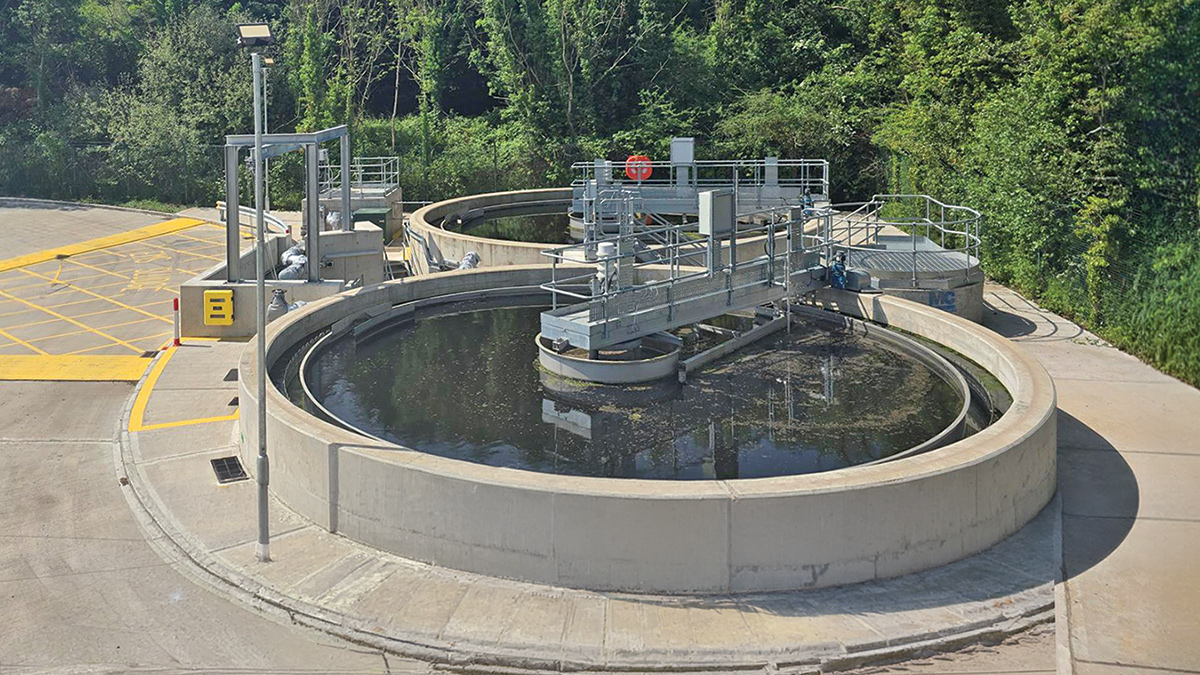
The new final settlement tanks – Courtesy of Farrans Glanua JV
Innovation, carbon reduction & long-term value
The project combined new technology with the selective reuse of existing infrastructure. Repurposing the original final settlement tanks for final effluent storage and pumping avoided unnecessary demolition and replacement, reduced material demand and shortened construction activities. The sunk shaft methodology for the new settlement tanks also reduced excavation and temporary works compared with a more conventional approach.
Redundant blast furnace slag from the former filter beds was retained for reuse rather than sent to landfill, reducing waste, vehicle movements and associated carbon emissions. Local sourcing of key materials further reduced transport impacts and supported the regional supply chain. The high-efficiency blowers and modernised treatment process also improve operational efficiency and reduce energy demand over the asset life.
In collaboration with the designer and supply chain, A393 mesh reinforcement was omitted from the site roads in favour of fibre-reinforced concrete. This reduced both programme duration and material use while providing whole-life benefits.
Value was created through the cumulative effect of design choices made around a live site. Reuse of structures and materials reduced disposal and replacement requirements; local procurement shortened supply routes; high-efficiency aeration equipment addressed a major energy demand within the biological process; and increased storm capacity strengthened the works’ response to peak conditions. These measures aligned capital delivery with operational and environmental priorities rather than considering initial construction in isolation.
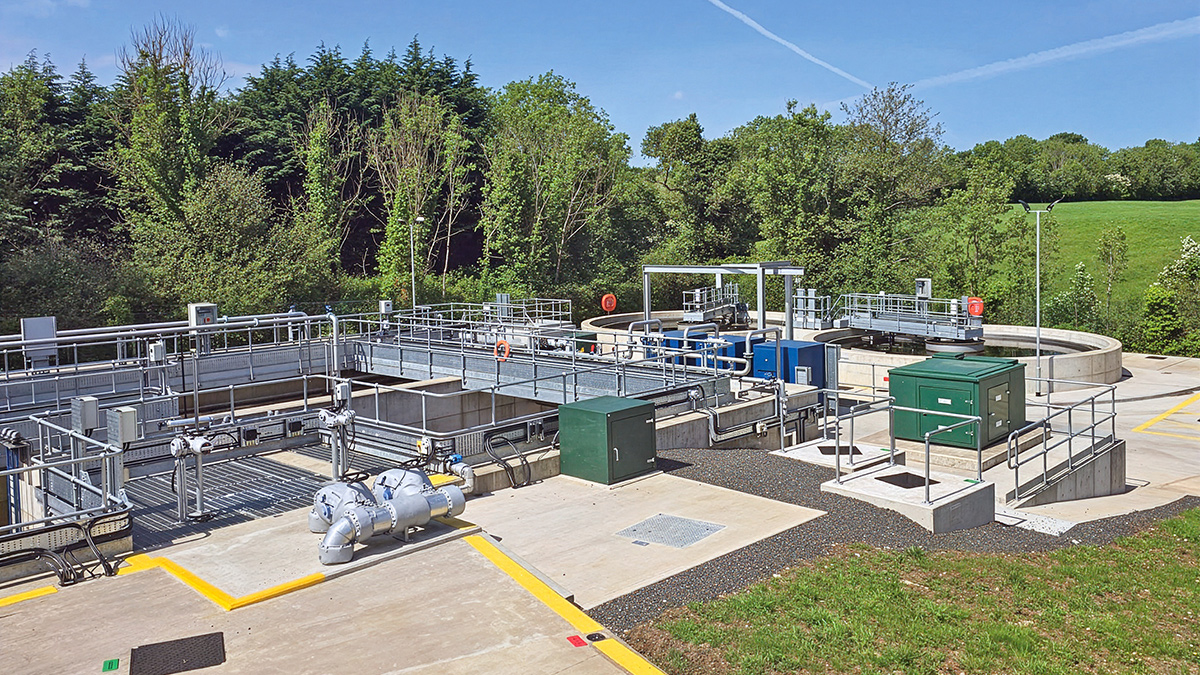
View across the completed Kilrea WwTW – Courtesy of Farrans Glanua JV
Commissioning and project outcomes
The completed works demonstrate the benefit of aligning process selection, civil design and construction methodology from the outset. The new treatment train provides the headroom needed for a design population equivalent of 4,400, while storm storage, modern pumping and centralised controls improve the site’s ability to respond to changing hydraulic and organic loads. The outcome is a more capable facility delivered within the footprint and constraints of the existing operational site.
Summary
This major investment demonstrates NI Water’s commitment to future-proofing wastewater infrastructure across Northern Ireland, delivering environmental benefits while supporting local development, improving river water quality, enhancing operational efficiency and reducing energy consumption through a modernised treatment process.
The project has also generated significant social value, with framework contractor Farrans Glanua JV engaging local subcontractors to provide key materials and services throughout construction. In addition, three students, graduates and higher level apprentices gained valuable hands-on experience during the scheme, helping to develop the next generation of engineering professionals.
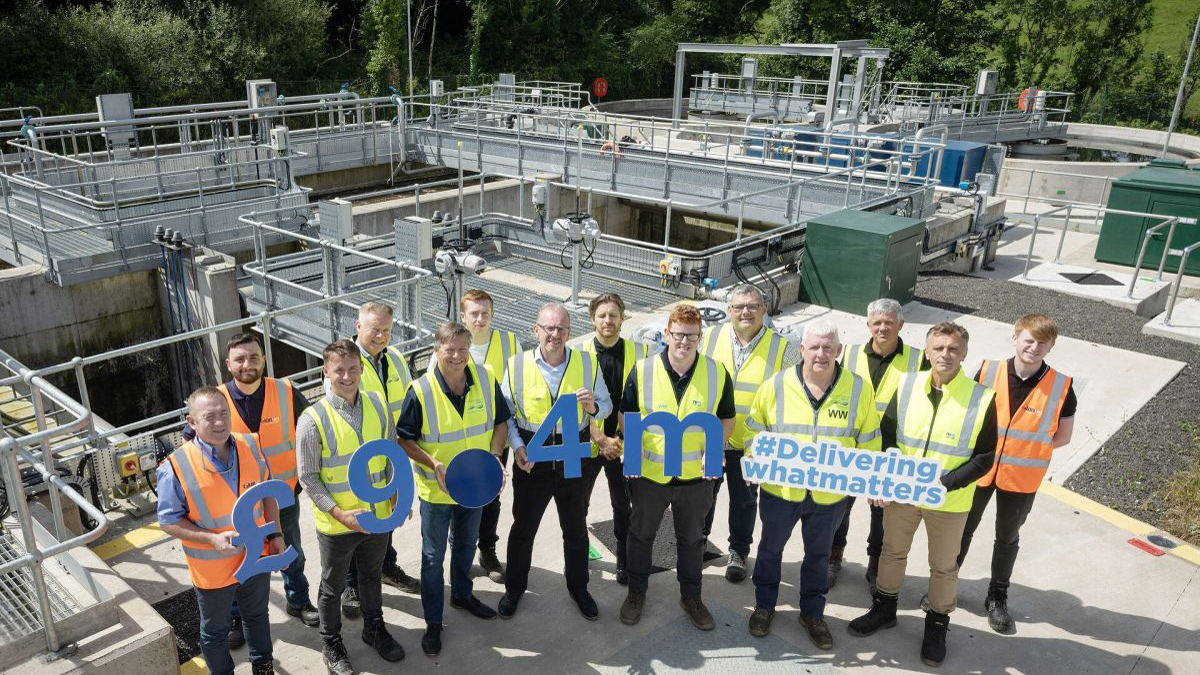
The completed Kilrea WwTW - Courtesy of NI Water