

Lichfield STW (2026)
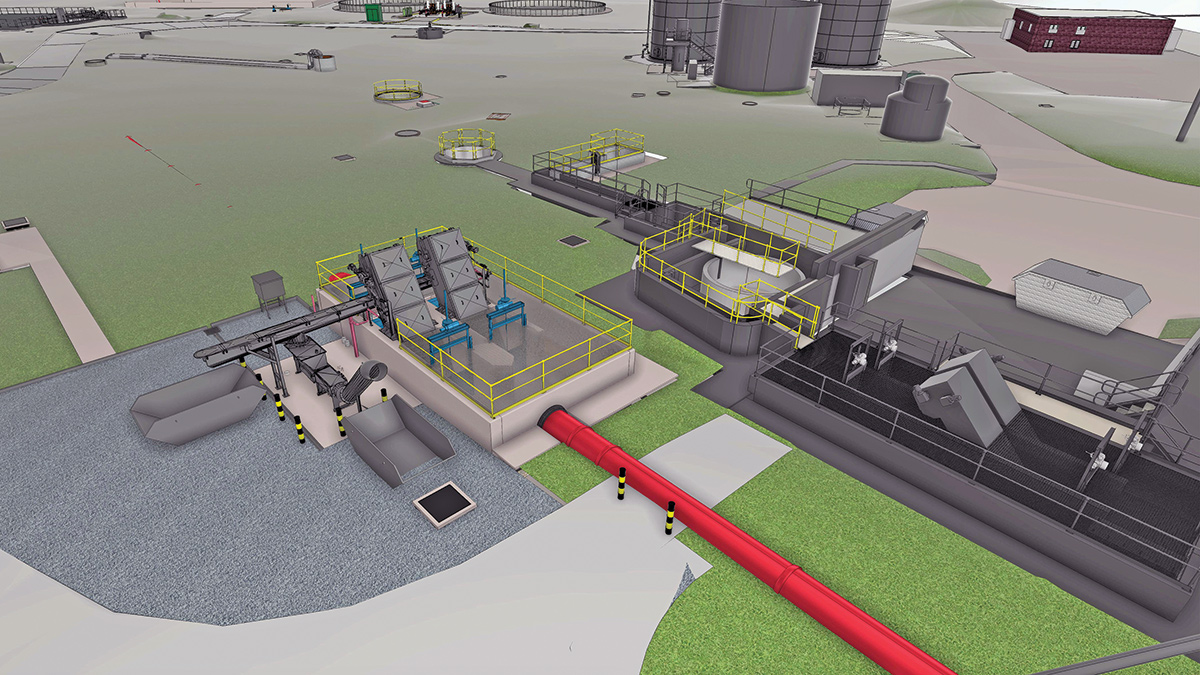
Existing inlet works and new storm screens - Courtesy of Mott MacDonald Bentley
Located in south-east Staffordshire, Lichfield Sewage Treatment Works is a medium sized works operated by Severn Trent. The site treats wastewater from a population equivalent of approximately 40,200 and ensures that the effluent is suitable for discharge into the Full Brook. The investment into the sewage treatment works is driven by both the tightening of environmental permits, and projected population growth within the catchment. By 2038, Severn Trent’s forecasts that the population equivalent will rise to around 56,000 – an increase of roughly 30%.
Existing works
The Existing Lichfield STW employs a biological treatment process. Flows entering the site pass through the inlet works before proceeding to three rectangular primary settlement tanks (PSTs). Here, sludge settles out before being pumped to four sludge tanks where it is thickened via decanting before being transported off-site.
Effluent from the PSTs is then distributed evenly between twelve biofilters, before passing through seven hummus settlement tanks (HSTs). The partially treated effluent then passes through a moving-bed biofilm reactor (MBBR), deep bed sand filter (DBSF) and four Mecana cloth filters before the treated effluent is discharged to the Full Brook.
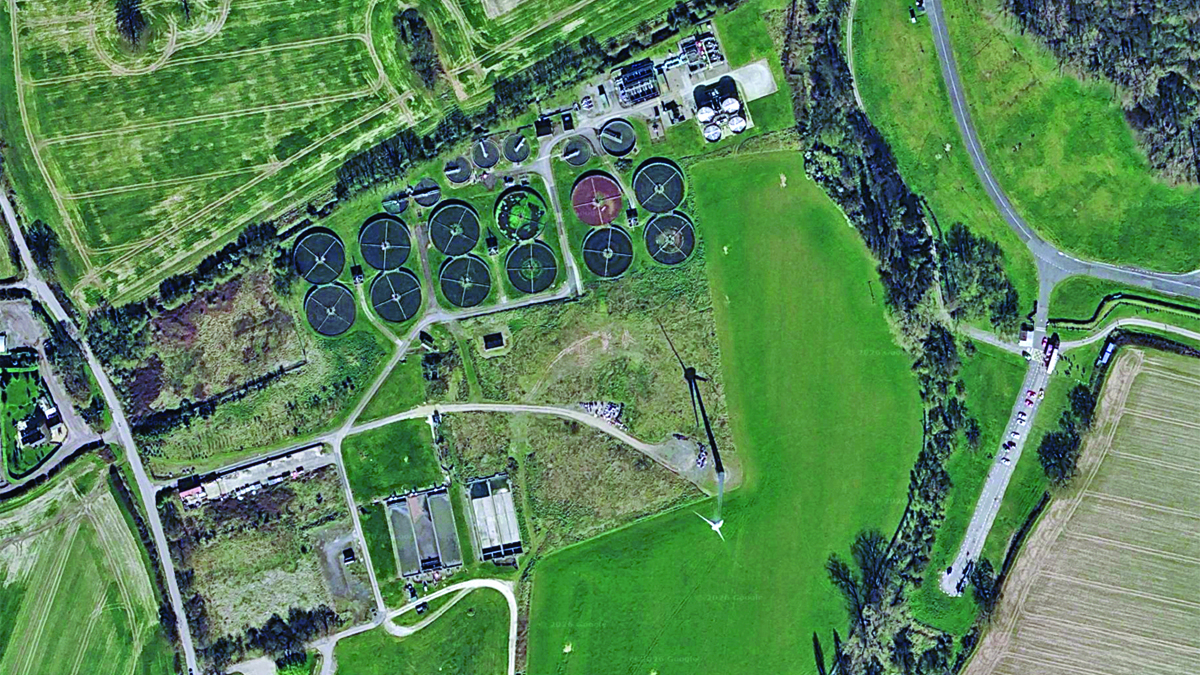
Google Earth image of the existing Lichfield STW
New consent permits
The following effluent quality permits of the River Trent will be enforced by end of December 2026:
- Permitted Full Flow to Treatment (FFT) of the site will be increased from 263 l/s to 373 l/s.
- Permits for biological oxygen demand, ammonia, phosphorus and iron will be relaxed to 20 mg/l / 3.0 mg/l / 0.5 mg/l / 4.0 mg/l respectively.
- Additionally, the suspended solids permit will be limited to 30 mg/l.
These permits aim to protect the sensitive habitats of the River Trent as well as ensuring the future operational capacity of the treatment works.
Due to the significantly increased catchment and the tightening effluent quality permits of the local brook, Severn Trent proposed constructing a final effluent pumping station to discharge effluent 5km north at the River Trent. Comparatively, continuing to discharge to Full Brook was not economically viable and a higher risk to meeting the required permit.
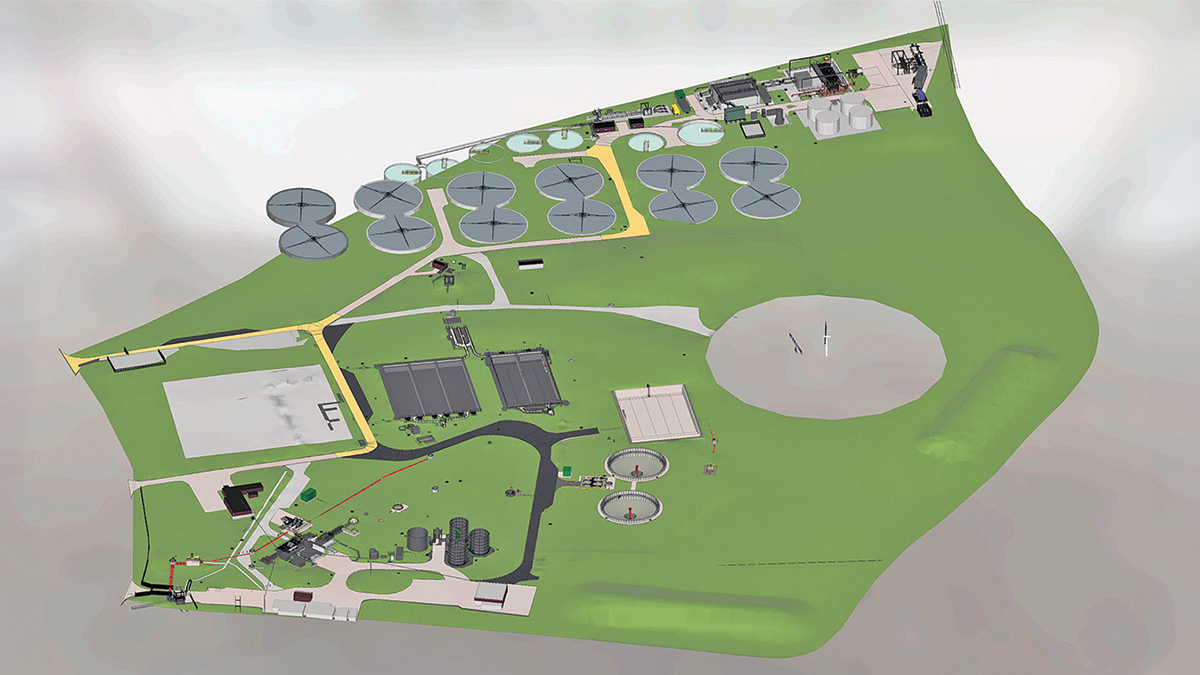
Revit model showing the site layout – Courtesy of MMB
Early Contractor Involvement 1
During 2024, Severn Trent appointed Mott MacDonald Bentley (MMB) under an Early Contractor Involvement (ECI) agreement to review the provided outline design for the upgrade to treatment at Lichfield Sewage Treatment Works.
The proposed scope included new combined storm overflow, new storm screens, replacing the primary settlement tanks (PSTs) with three new Dortmund-style PSTs, new gravity belt thickener sludge handling, new side stream activated sludge process (ASP) and two final settlement tanks (FSTs), new final effluent pumping station and pipeline (let as a standalone Infra Project), and converting the existing PSTs into storm storage tanks.
MMB conducted a detailed review of the outline design which concluded that the original scope held excessive programme and cost challenges, which would result in failure to meet the permits regulatory date. Upon issue of the initial target price from MMB, Severn Trent posed an affordability challenge with the initial price needing to be reduced by approximately 40%.
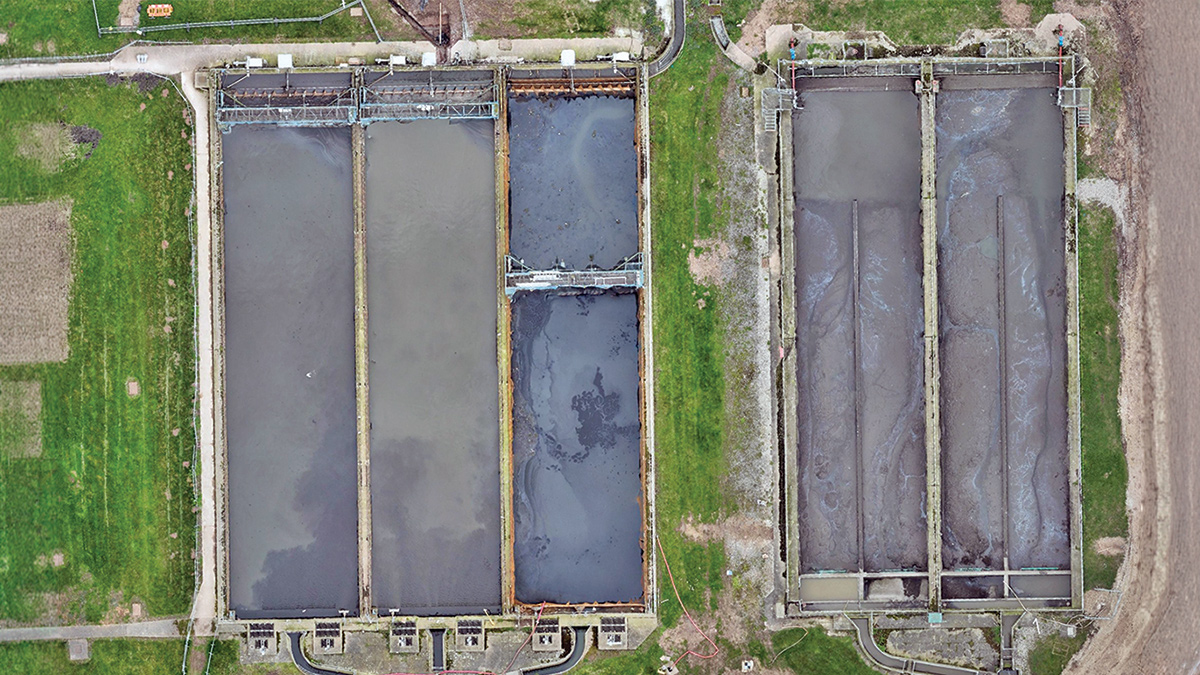
(left) The three existing PSTs and (right) the two existing storm tanks – Courtesy of Severn Trent
Lichfield STW: Supply chain – key participants
- Client: Severn Trent
- Principal designer: Mott Macdonald Bentley
- Principal contractor: JN Bentley
- Specialist consultant: Mott Macdonald
- Final effluent pumping station & pipeline (infra scheme): GEDA Construction
- Ground investigation: Geotechnical Engineering Ltd
- Helical screw piles: UKHelix Co Ltd
- FRC works: Bell Formwork & Civil Engineering Services Ltd
- Electrical installation: Main Electrical
- Precast panels: Naylor Concrete Products Ltd
- Scraper bridges: EPS Water
- RAM pumps: EMS Industries Ltd
- Storm return pumps: Sulzer Pumps Wastewater Ltd
- Scum pumps: NOV Mono Pumps
- Mecana cloth filter TSR: Eliquo Hydrok Ltd
- Flushing gates: Jacopa Ltd
- Storm screens: Spirac Ltd
- MCCs: BGEN Ltd
- Kiosks: NPS Engineering Group
- Valves: AFFCO Flow Control (UK) Ltd
- Pipes: Saint Gobain PAM UK
- Pipes: Aquaspira Ltd
- Lifting equipment: T Allen Engineering Services Ltd
- Access steelwork: Utiliqo Ltd
- Backup generator: Central Power Services
- Sampling: Servitech International Ltd
- Landscaping: Holts Tree Care
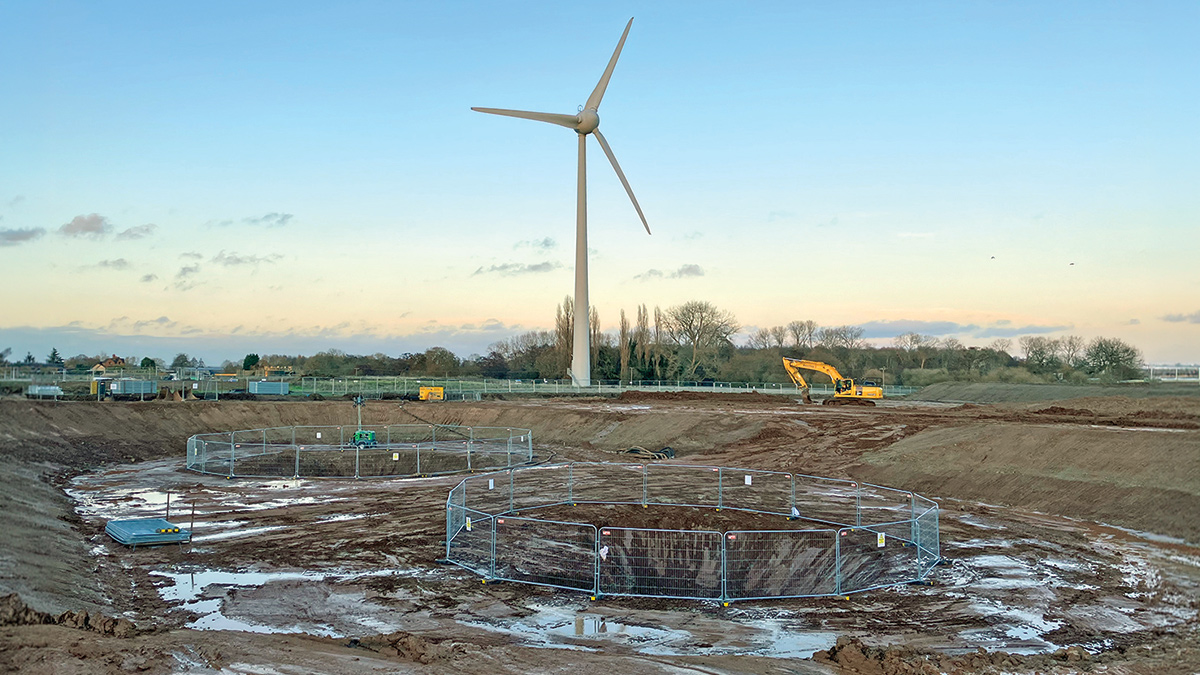
PST earthworks completed early to bring programme forward – Courtesy of MMB
Optioneering
With the affordability challenge outlined in the ECI Phase, Severn Trent initiated a renewed Optioneering and Outline Design Phase in 2025 with MMB to ensure the December 2026 permit regulation date is met within Severn Trent’s budget.
Using the Outline Design as a starting point, Mott MacDonald Bentley reviewed the existing sites capacity to understand the limitations it had, and where MMB could propose further optimisation to the existing assets and reduce the original scope down collaboratively with Severn Trent. By challenging the ways of thinking, the client’s standards and pushing the boundaries of efficient delivery.
The original storm storage solution of re-purposing the existing PSTs to additional storm storage was challenged by MMB, with an opportunity for a significantly reduced programme to be unlocked by building a new storm tank, due to not requiring the commissioning of the new PSTs to enable the removal of the existing PSTs from service. This meant that the new storm tank could be built simultaneously as the new PSTs.
This also removed significant design, and health and safety risks, which required puncturing and underpinning the existing base of the tanks which are nearly 100 years old; and due to the original programme, working during on this tank in the winter months.
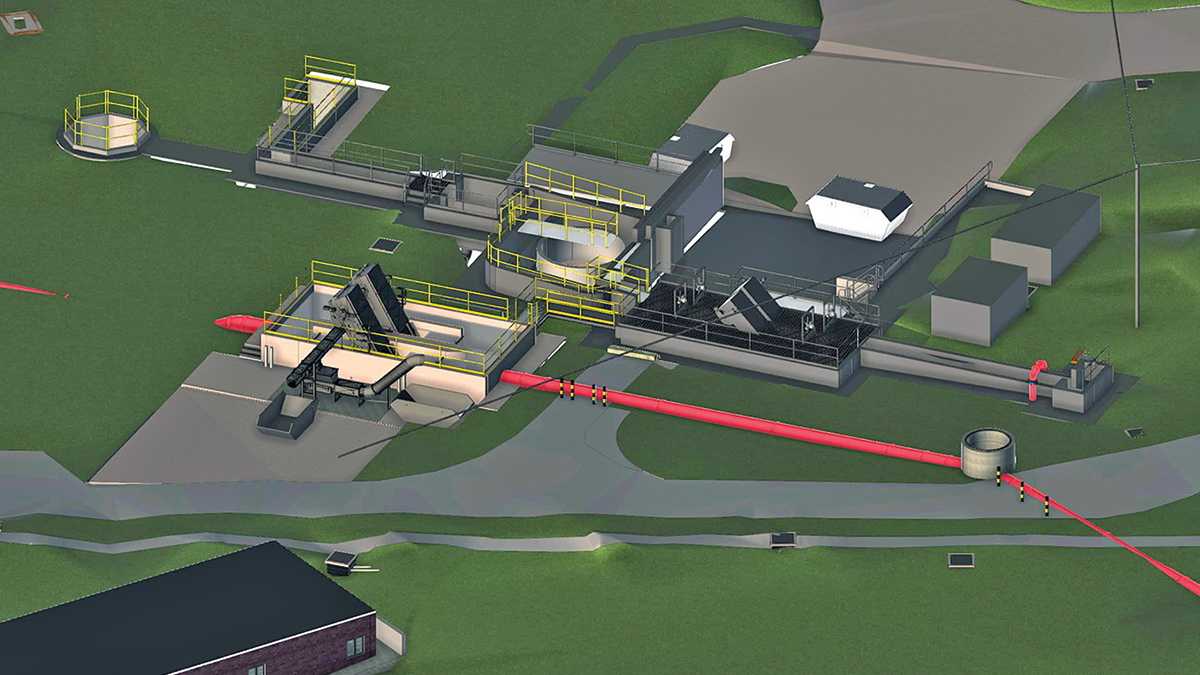
Revit model of existing inlet works and new storm screens – Courtesy of MMB
To save capital costs, MMB proposed constructing two larger PSTs instead of three, and relocated their position to optimise hydraulics and minimise pipework requirements. Each PST was designed to take the FFT until 2038, ensuring continued operation in the event a tank needs to be taken out of service for maintenance.
MMB discovered an opportunity to remove the filter feed pumping station from the scope by optimising the hydraulics. To prove this, MMB highlighted investigation work to be conducted in ECI 2, which would confirm the feasibility. To maintain design progress, MMB and Severn Trent agreed to assume that this opportunity could be realised, and to proceed with the design at risk.
With agreement from Severn Trent to take on increased tanker loads from site, the proposed sludge gravity belt thickening system was removed on a risk-based approach. With the existing sludge decanting system deemed serviceable for the immediate term.
With inputs from Process Engineering, MMB was able to question Severn Trent on the requirement for the ASP and FSTs by challenging the limits on hydraulics through existing secondary treatment, and process optimisation in the tertiary area.
This resulted in a side stream Mecana cloth filter and a mass blend at the final effluent collection chamber before sampling. New bypasses were also required to ensure the existing assets do not exceed their process or hydraulic limits.
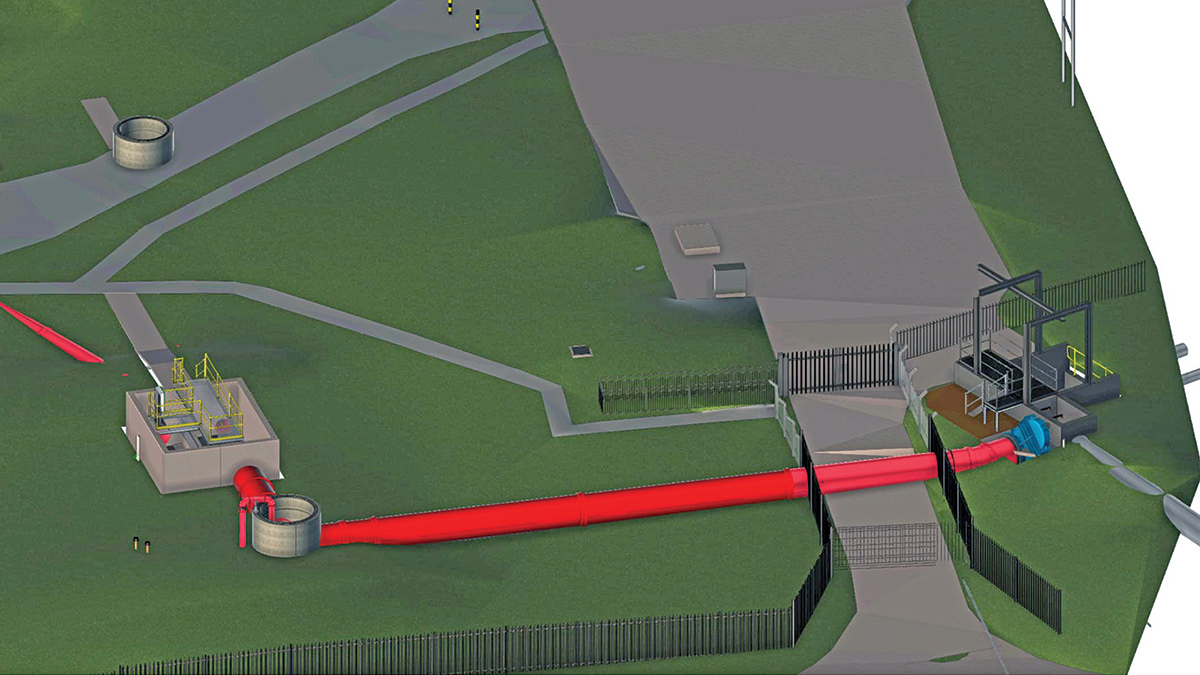
Revit model showing new CSO chamber – Courtesy of MMB
Early Contractor Involvement 2
In 2025, MMB was engaged again under an ECI Contract to complete a new outline design incorporating the affordability challenge changes outlined above. In addition to the cost challenge, MMB optimised the programme to facilitate designing and building the scheme within 18 months to meet the regulatory compliance date in December 2026.
The new MMB outline design consisted of the following:
- New combined storm overflow.
- New storm screens.
- A new storm tank.
- Two new Dortmund-style PSTs.
- A new side-stream Mecana cloth filter and tertiary asset bypasses.
- A new final effluent pumping station and pipeline; let to GEDA Construction as part of the Infra Scheme.
To minimise future delays and enable effective planning, MMB conducted extensive site investigation works during this period to confirm existing site drawings due to the nature of the tight hydraulics through the site and route proving to mitigate potential clashes with our critical gravity underground pipes. Ecology surveys were completed early to highlight all risks which required monitoring and mitigating to protect our challenging programme prior to any of the main construction works commencing.
Due to location of assets in the outline design changing, as well as the proposal of new structures, geotechnical information was missing in key locations. To address this, MMB specified additional boreholes during ECI 2 while continuing the structural design using the best available data, with the designs verified once the new information was obtained.
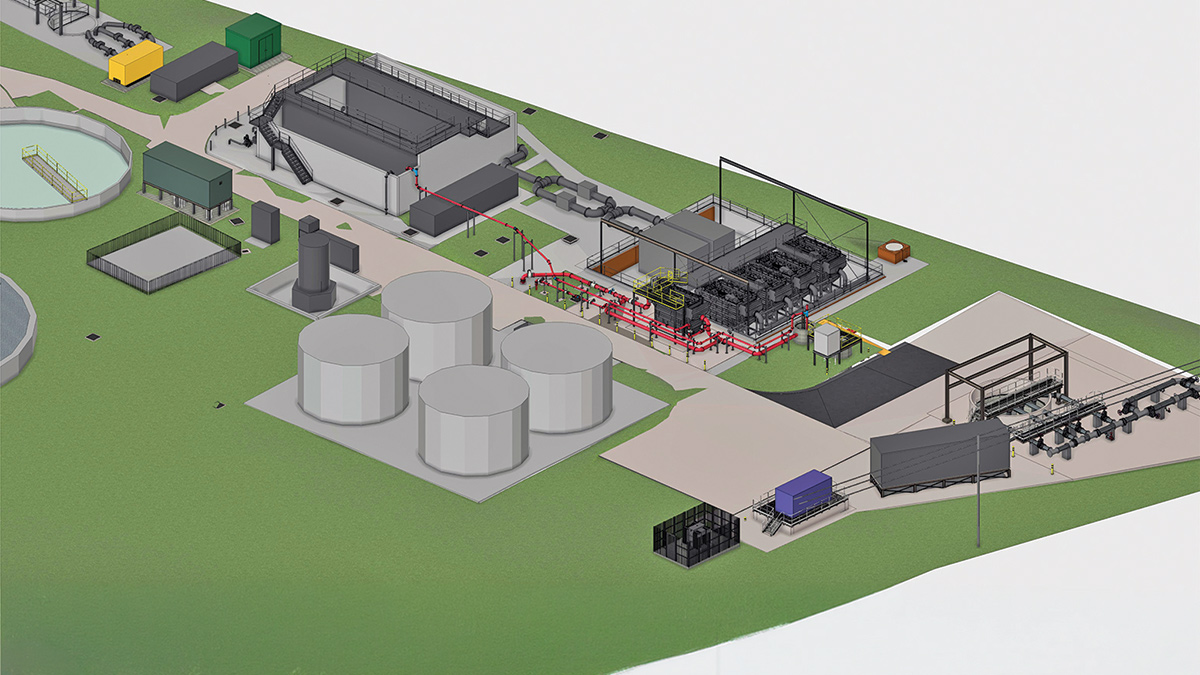
Revit model showing side-stream Mecana filter and AMP8 Infra scheme pump station – Courtesy of MMB and GEDA
Trial holes and surveys were completed to assess restricted hydraulics and ascertain whether the scope was possible. These surveys also proved useful in chasing opportunities on scope reductions with agreement from Severn Trent to reinforce the affordability challenge on this project.
To maintain project momentum, the design team started detailed design early to help enable the early excavation works at the end of 2025, which were critical to achieving programme.
This was only possible due to the close collaboration with Severn Trent and the earned trust shared between both parties.
The detailed design was developed for efficiency in delivery, with a focus on Mott MacDonald Bentley’s right first-time attitude, and use of its in-house Production Hub, to integrate standard designs that are proven to gain early wins within the design development, and programme opportunities in the design and construction programme.
The site team exploited opportunities in the programme, identifying areas which could be completed ahead of time, which may have held slight cost inefficiencies, but had significant programme gains. This included full landscape clearing of the site and the intended working areas.
With the site setup completed, significant earthworks for the PST area began to ensure construction could begin as soon as the design information was issued. This resulted in immediately pulling the construction programme ahead of schedule by approximately a month.
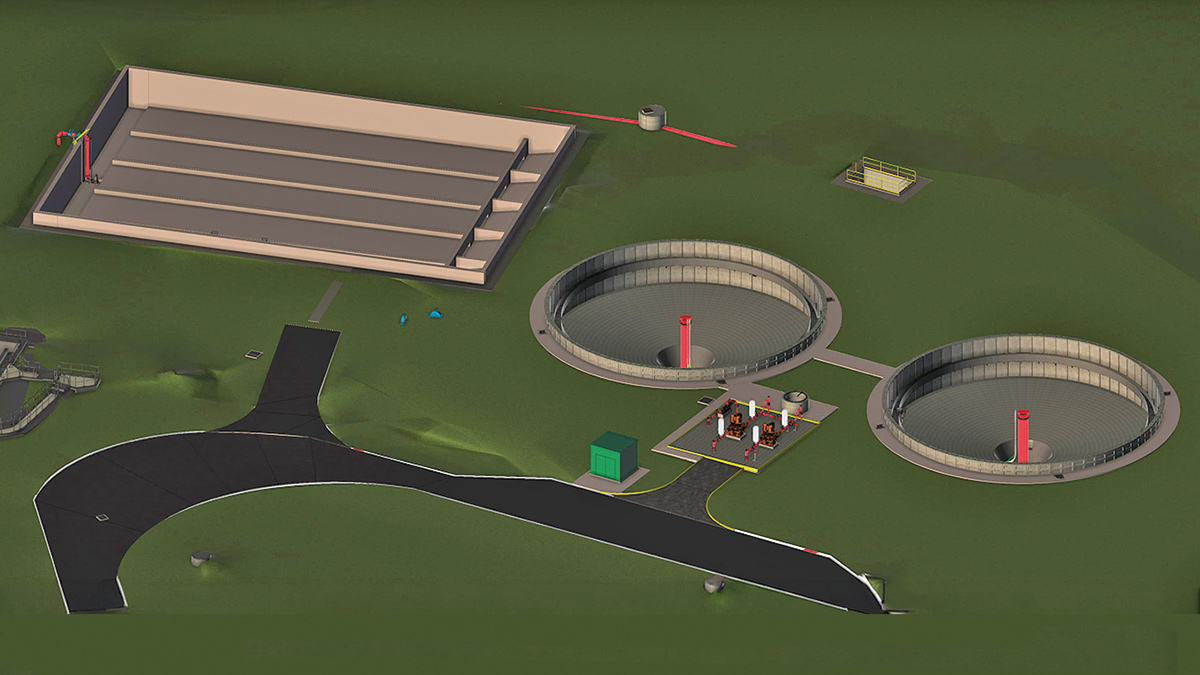
Revit model showing the PSTs and storm tank – Courtesy of MMB
Collaborative working
MMB collaborated not only with Severn Trent, but also with the ongoing AMP7 Caustic Dosing Rig Scheme, and the AMP8 Infra Scheme. This collaborative approach was undertaken across both design and on‑site construction; supporting Severn Trent in meeting regulatory permit requirements.
During outline design, MMB led discussions with Severn Trent to collectively develop the scope to set up an efficient programme that is affordable and meets the process performance to ultimately determine the minimum viable product. Crucially the revised solution is now positioned to hit the regulatory permit date.
Whilst having a presence on site. MMB has ensured a constant liaison with the two other contractor parties each week in both design and on-site activities. Discussions are held on weekly basis as a minimum to manage construction interfaces between the contractors and Severn Trent as well as maintaining the Construction (Design and Management) boundaries between each party.
Deliveries and construction traffic have been planned weekly ensuring safety of site personal and minimising disruptions caused to the other parties. This proved to be essential for keeping with the one-way road system established on site.
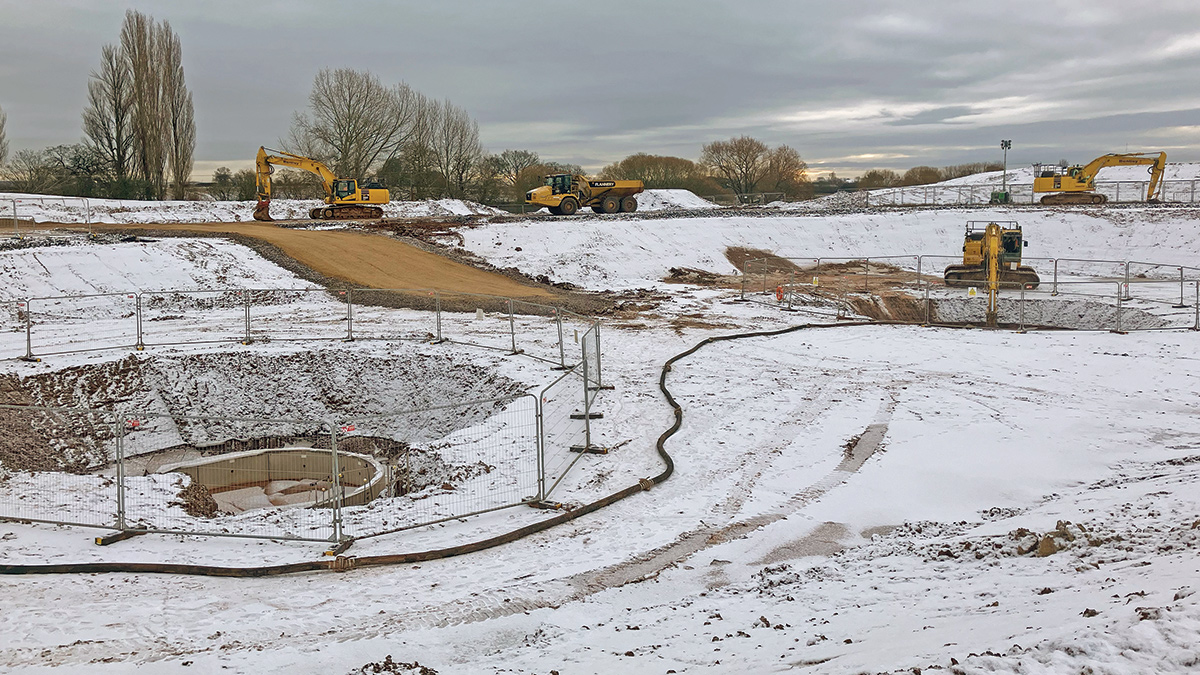
PST excavation works (December 2025) – Courtesy of Mott MacDonald Bentley
Conclusion
The upgrade of Lichfield Sewage Treatment Works addresses both significant forecast population growth and the need to meet tightened environmental regulations. Through Early Contractor Involvement, Mott MacDonald Bentley worked closely with Severn Trent to review and challenge the original outline design, identifying substantial cost and programme risks that threatened the December 2026 regulatory compliance date.
A focused optioneering process allowed the team to evaluate existing asset’s capacities, challenge standard design assumptions, and develop a streamlined minimum viable product solution that aligned with the relaxed River Trent discharge permits whilst remaining affordable. Early site investigations, proactive risk management, and detailed design undertaken at pace were key to improving delivery certainty.
Overall, the project demonstrates how early contractor involvement and a strong collaborative working environment can unlock value, manage risk, and deliver a solution on time, within challenging regulatory and budgetary constraints.
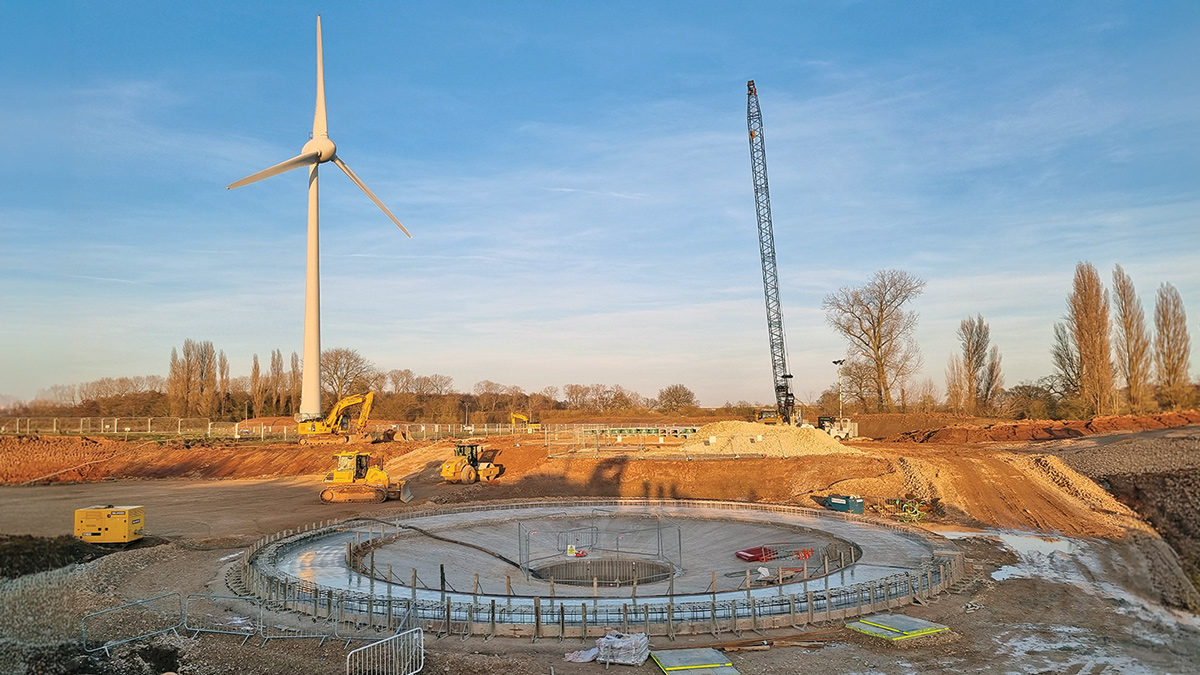
Primary settlement tank blinding (February 2026) - Courtesy of MMB