
Sulzer Pumps Wastewater Ltd
Sulzer accelerates floodwater storage initiative for major water utility
Sulzer accelerates floodwater storage initiative for major water utility
For utilities, CSOs are one of the toughest challenges. They are designed to protect homes and streets from flooding by releasing excess water into rivers and seas. However, with climate change bringing heavier rainfall and aging networks under strain, spills are happening more often than anyone would like. In this case, the ambitious spill reduction target it set required a solution that could deliver measurable results rapidly and at scale.
Rethinking the strategy
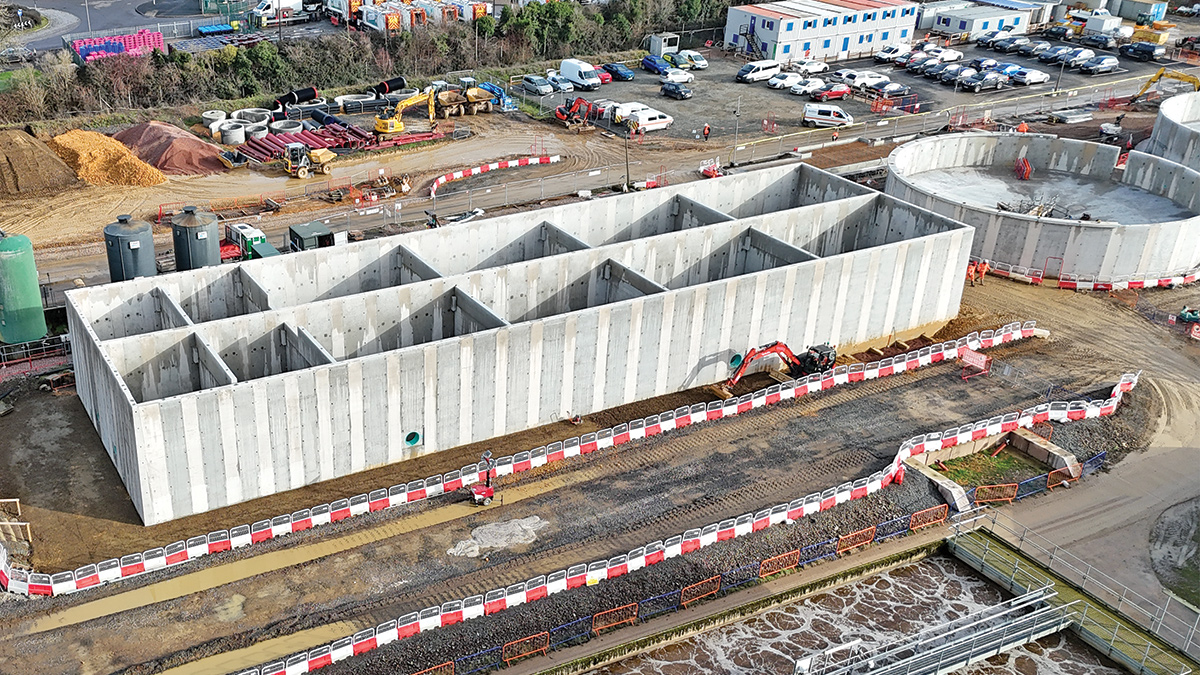
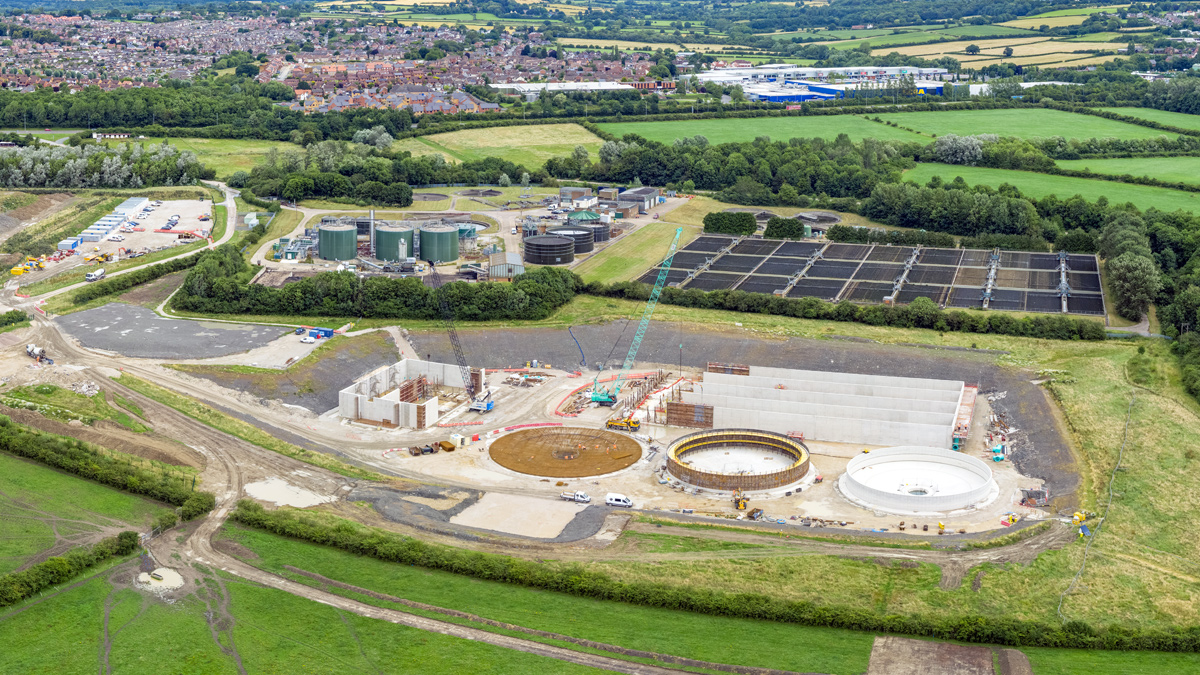
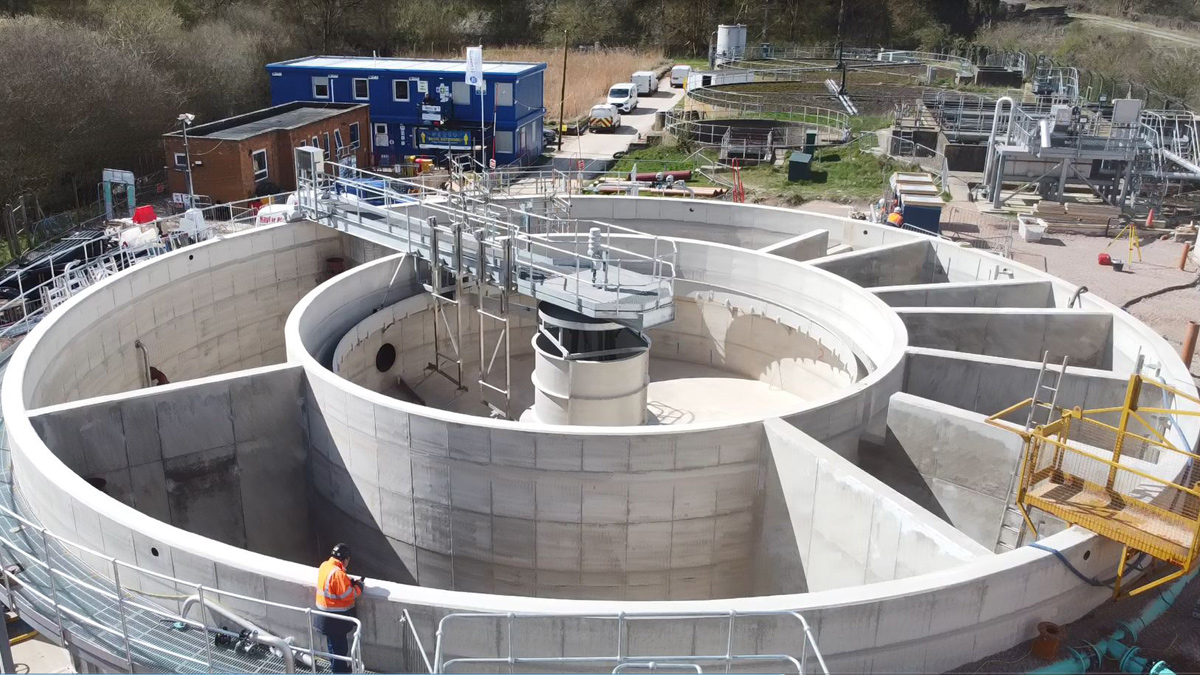
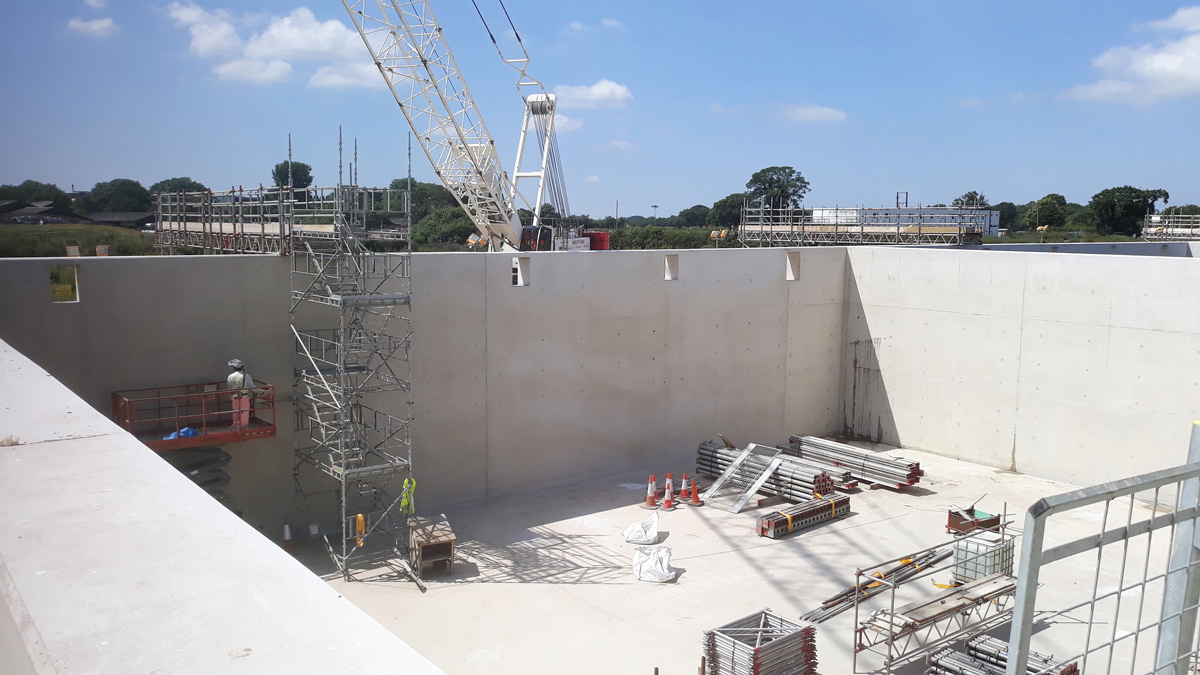
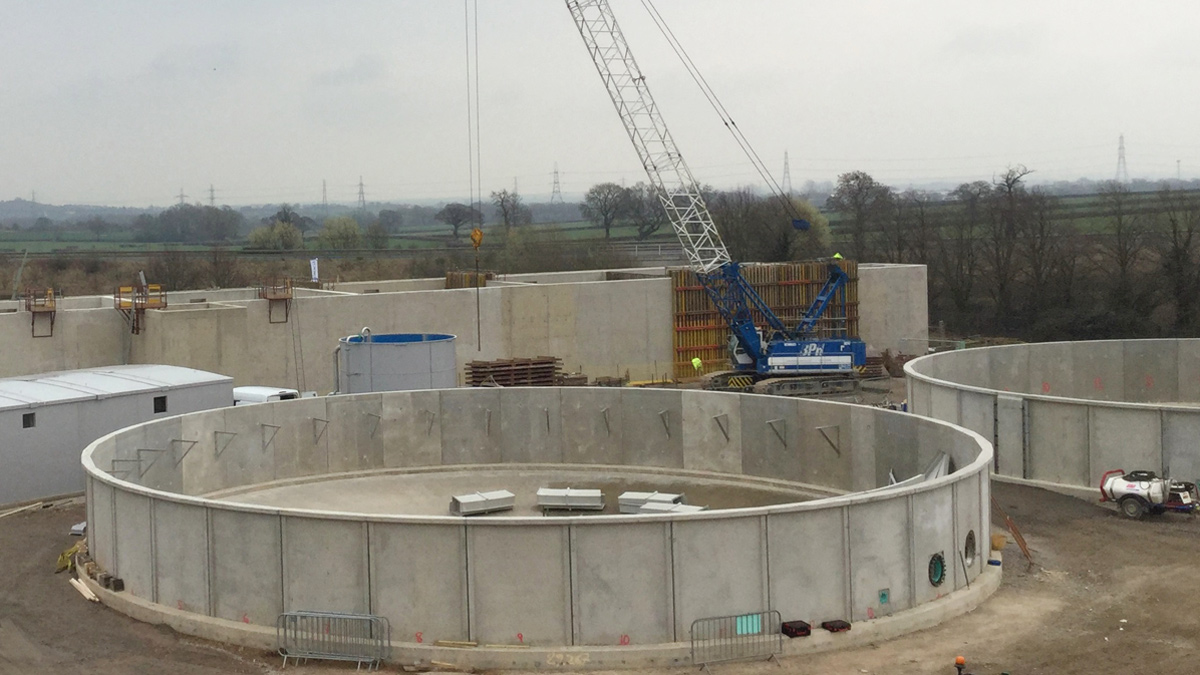
The traditional answer is to build more storage capacity, which usually involves vast concrete tanks paired with new pumping facilities. However, these projects can take several years to plan and deliver. To meet its environmental commitments, the utility needed a model that would accelerate delivery through coordinated decision-making and streamlined planning.
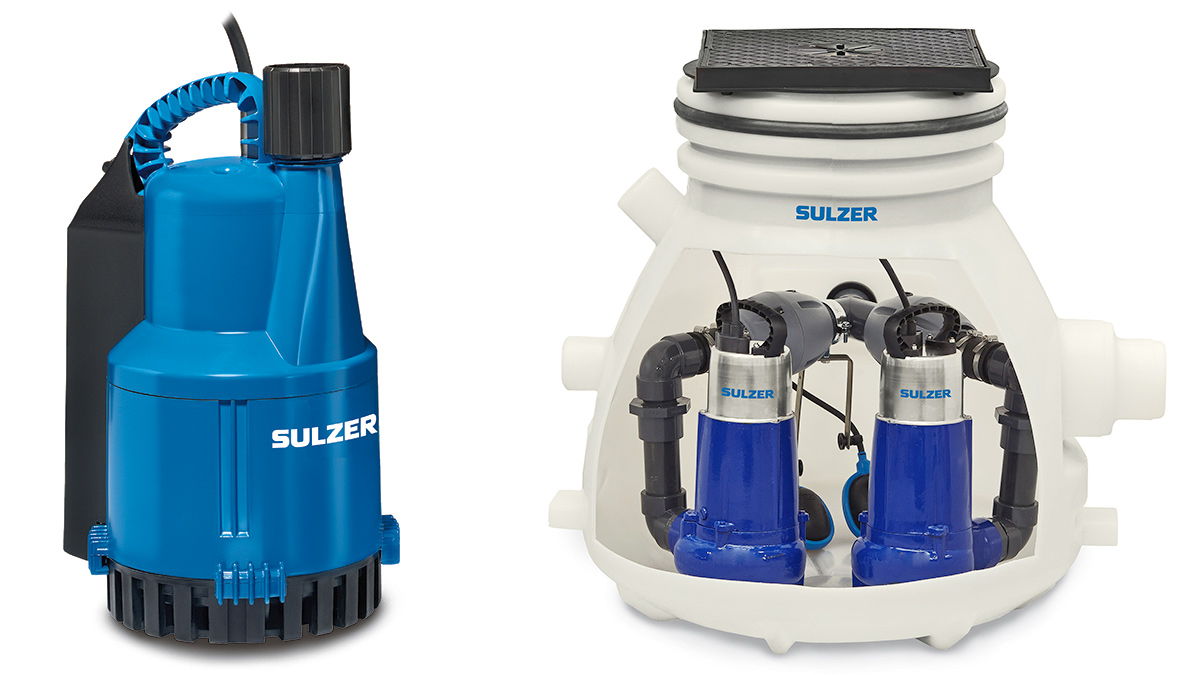
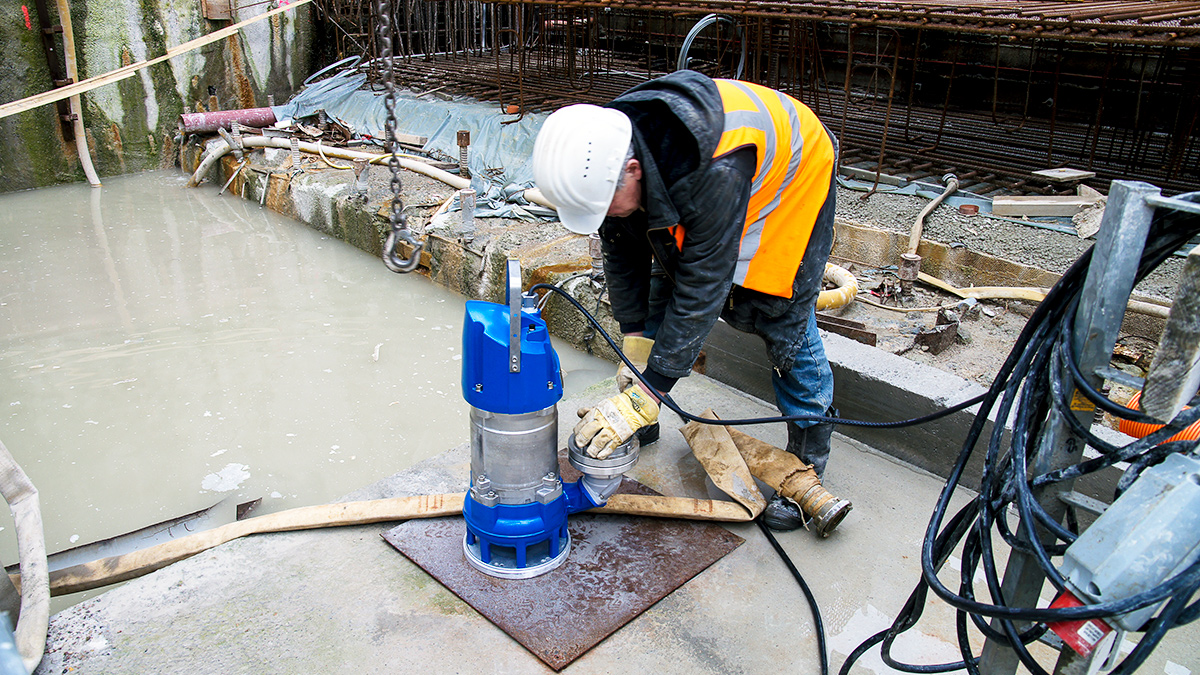
Sulzer was initially brought on board to supply the pumps that would be used to transfer flood water to and from the additional storage facilities. As the project developed, it became clear that Sulzer could play a broader role, not simply as a supplier, but as a delivery partner, systems integrator and rapid deployment specialist.
Working with Tier 1 contractors, Sulzer was assigned responsibility for delivering turnkey solutions across a significant proportion of the program. By simplifying the supply chain to remove bottlenecks and adopting a standardized approach across multiple sites, the team redefined what rapid deployment could look like in the water sector.
Simplifying project delivery
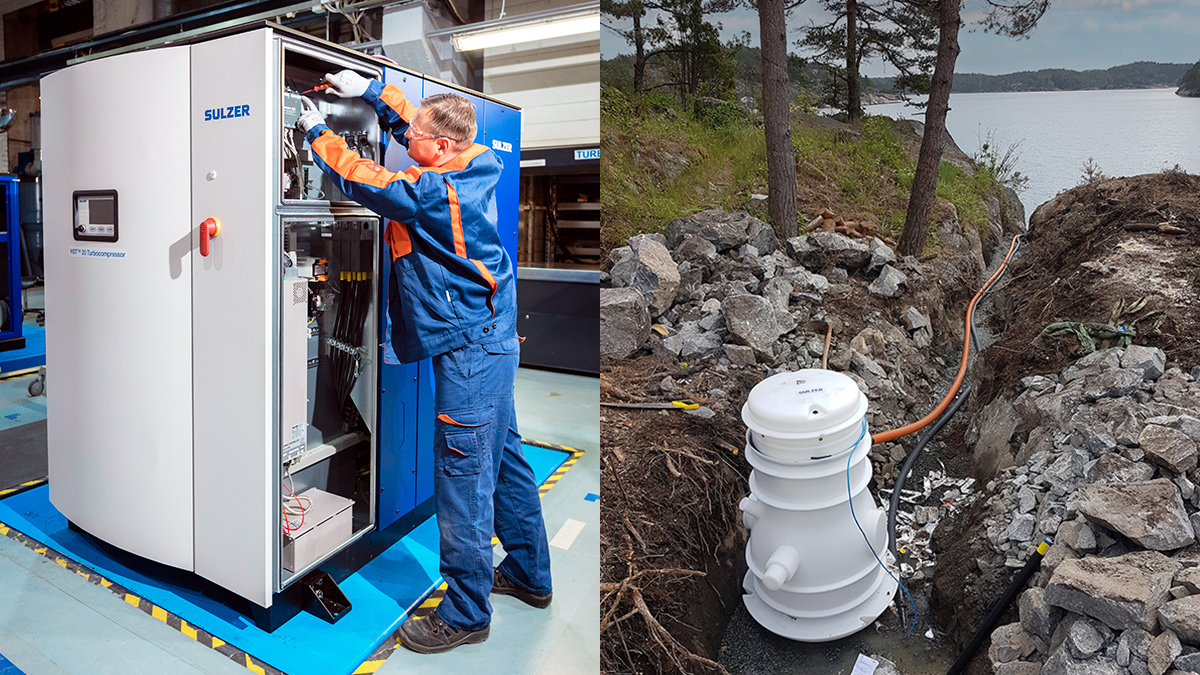
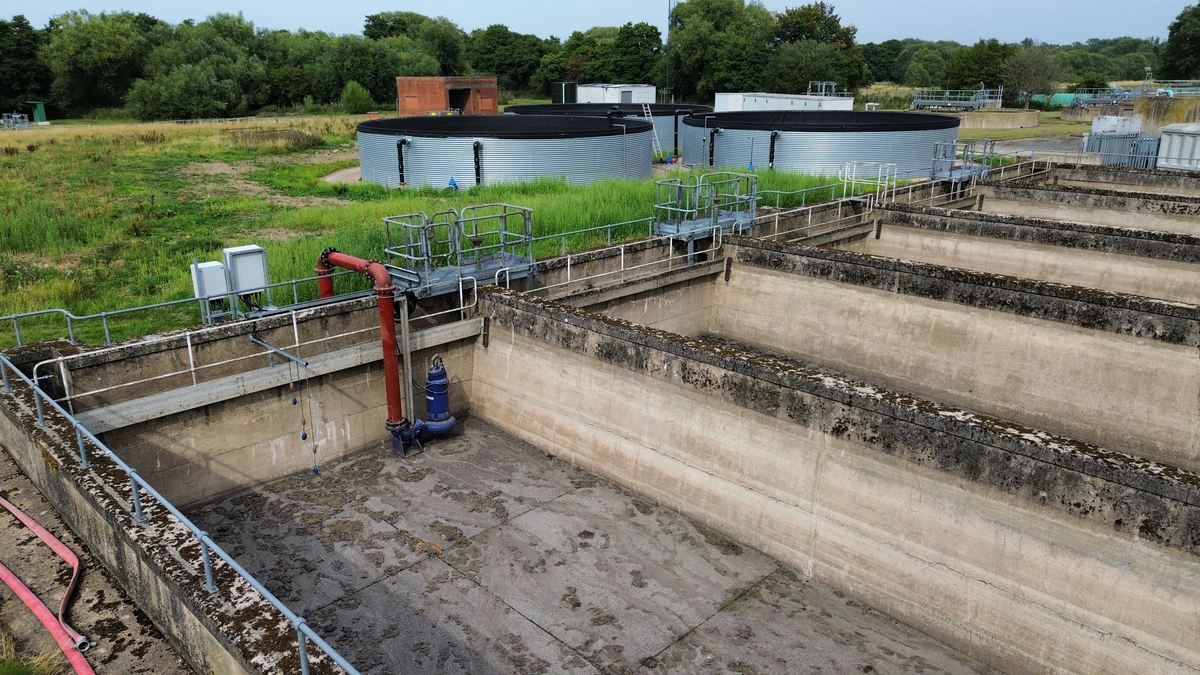
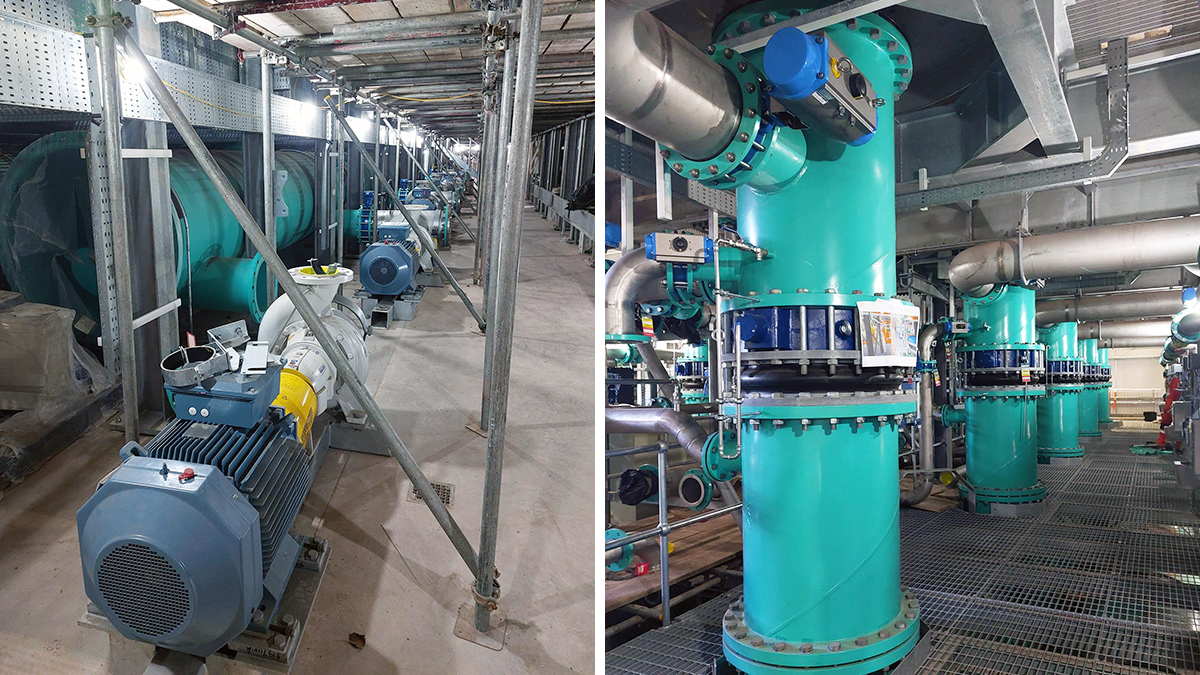
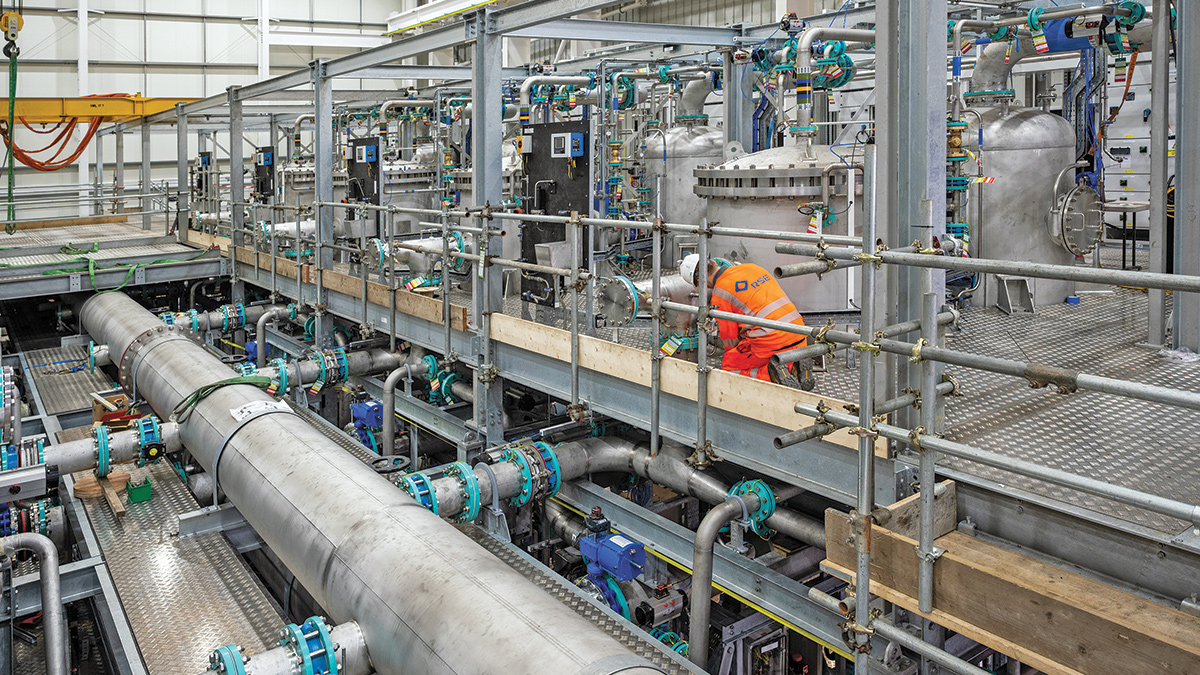
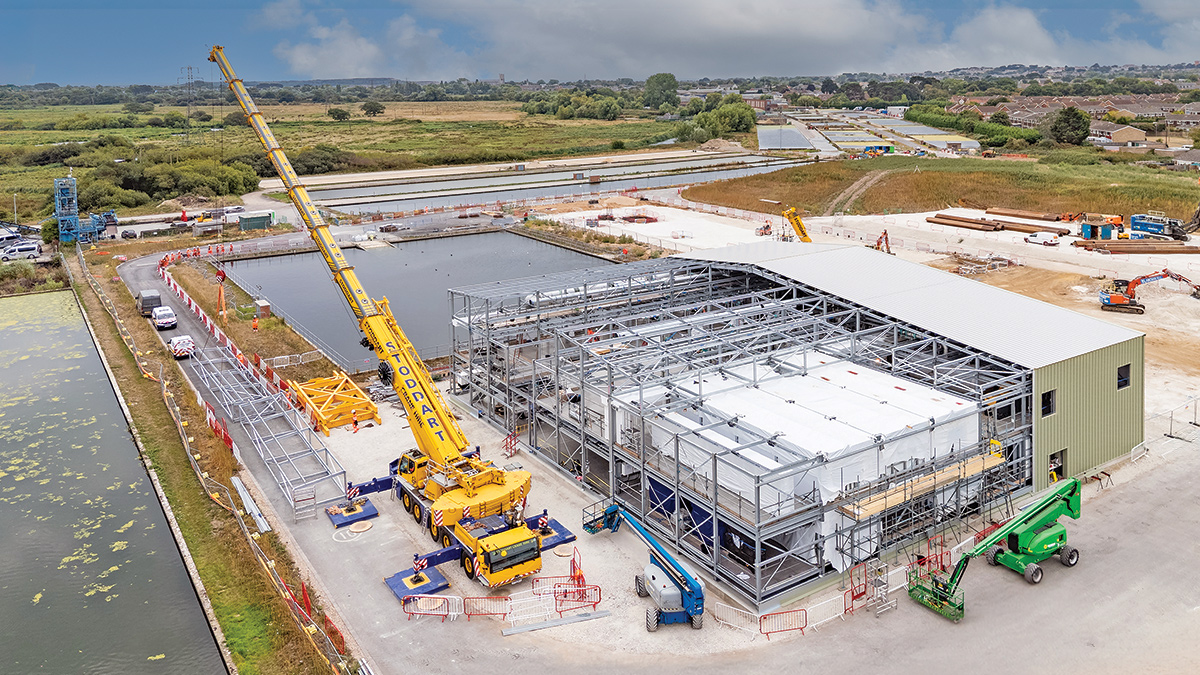
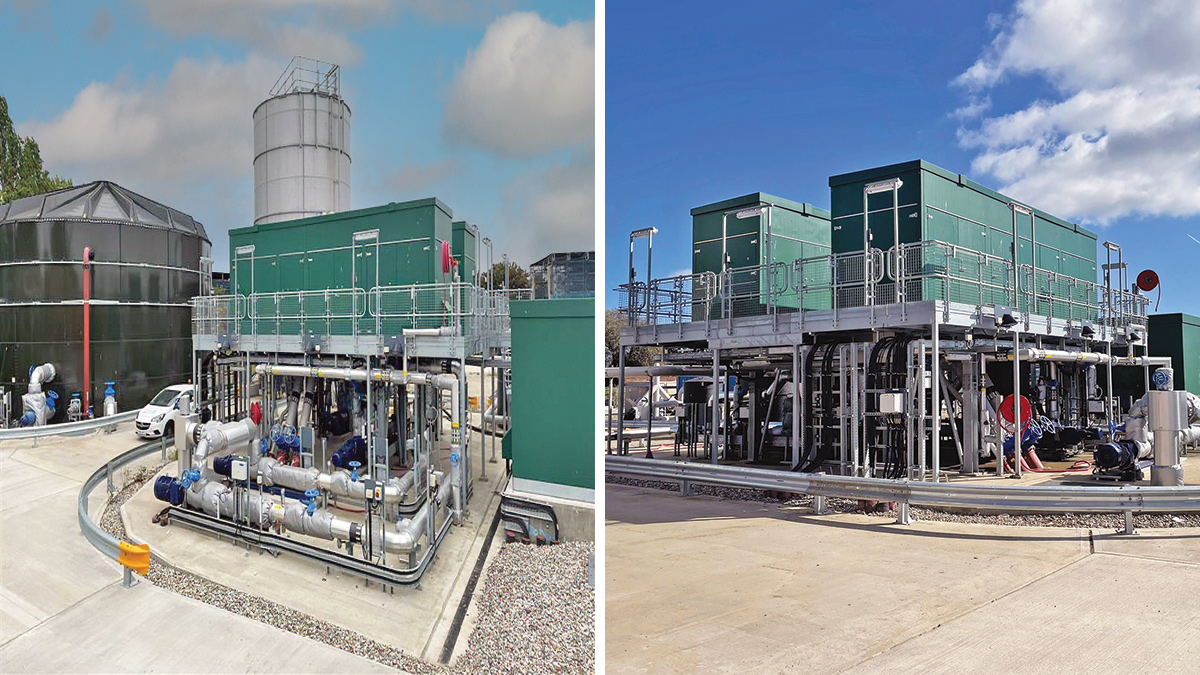
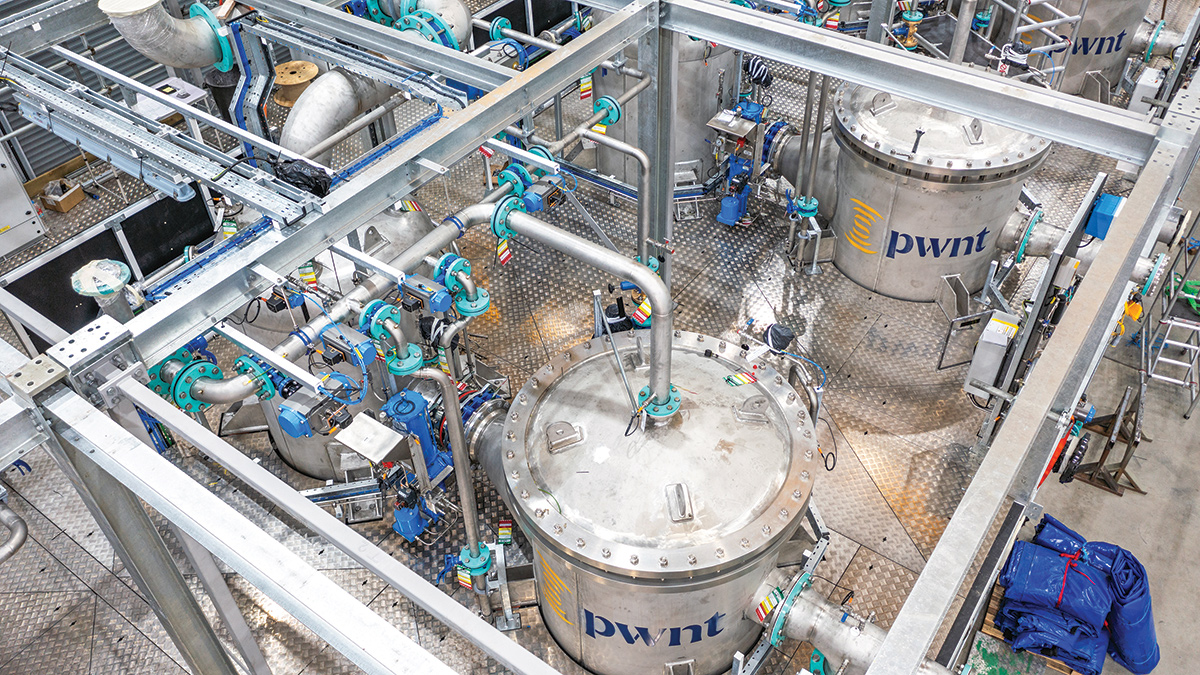
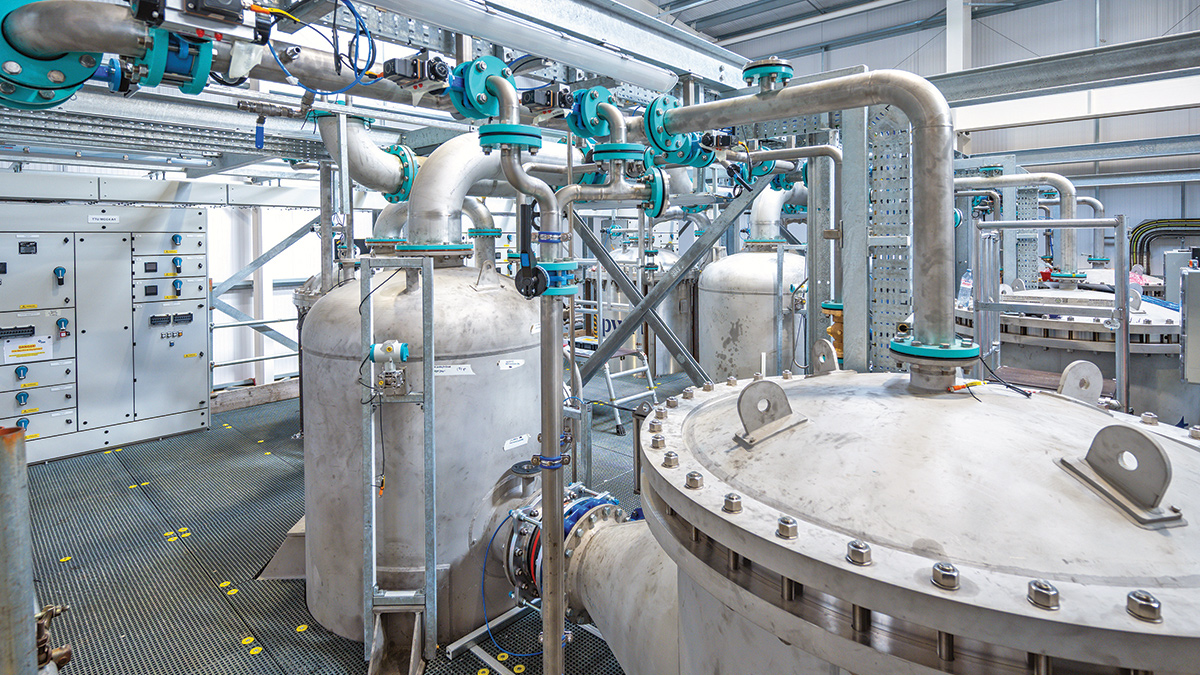
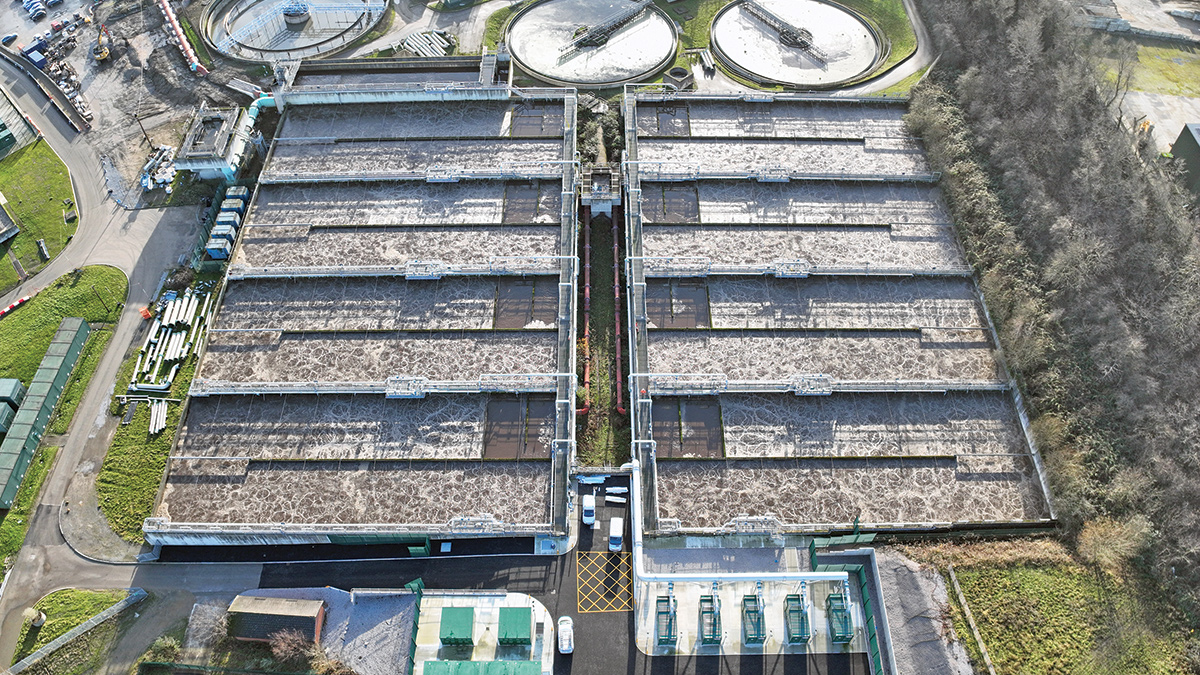
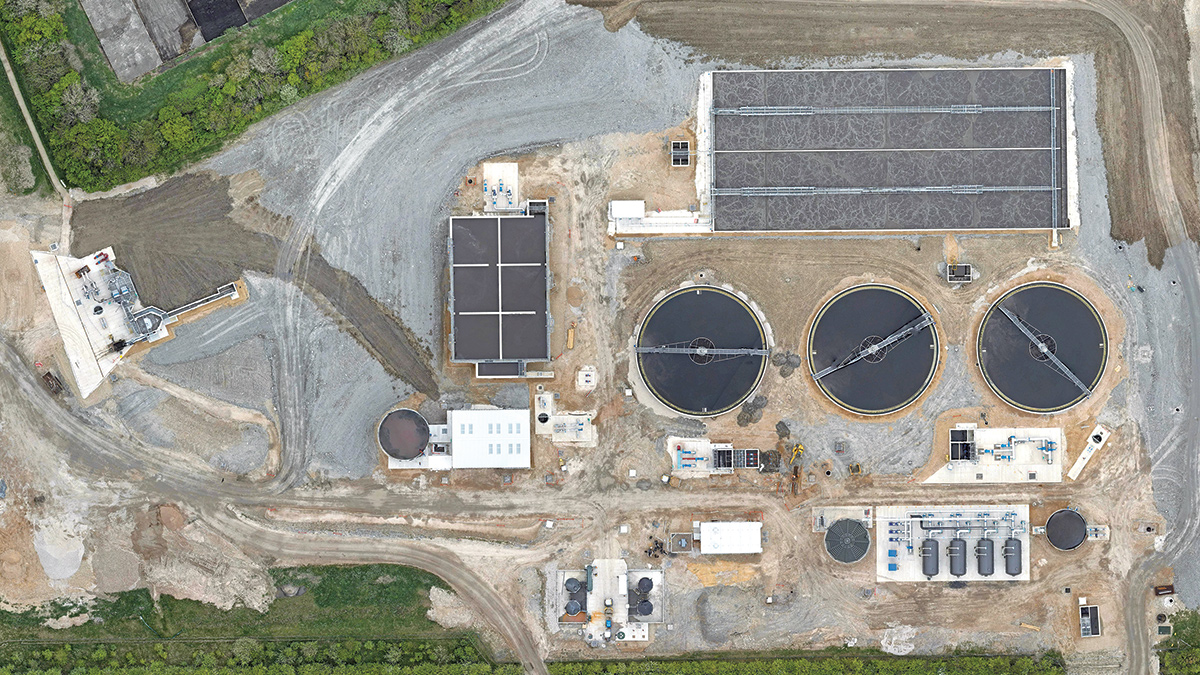
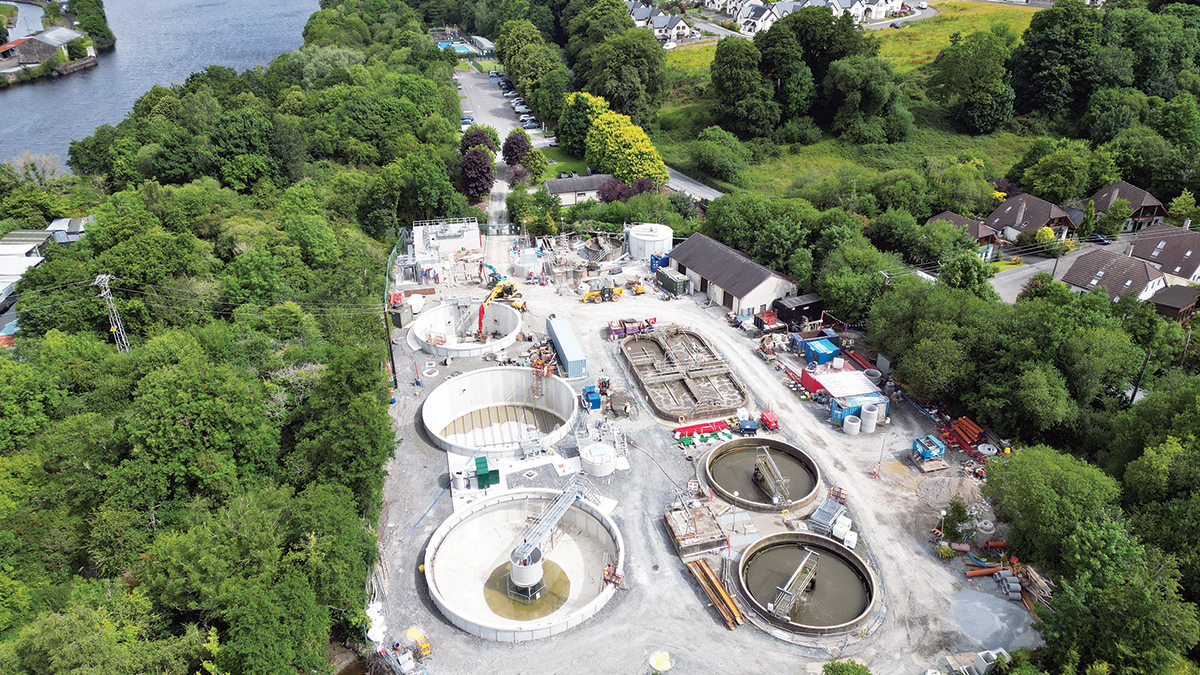
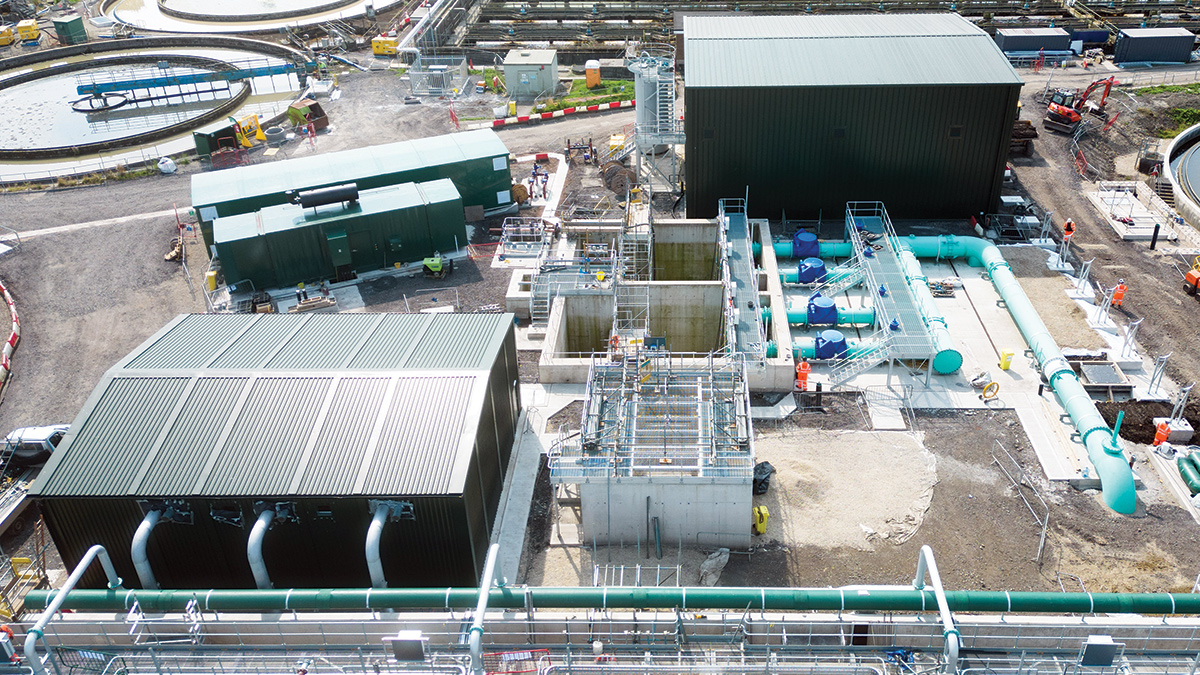
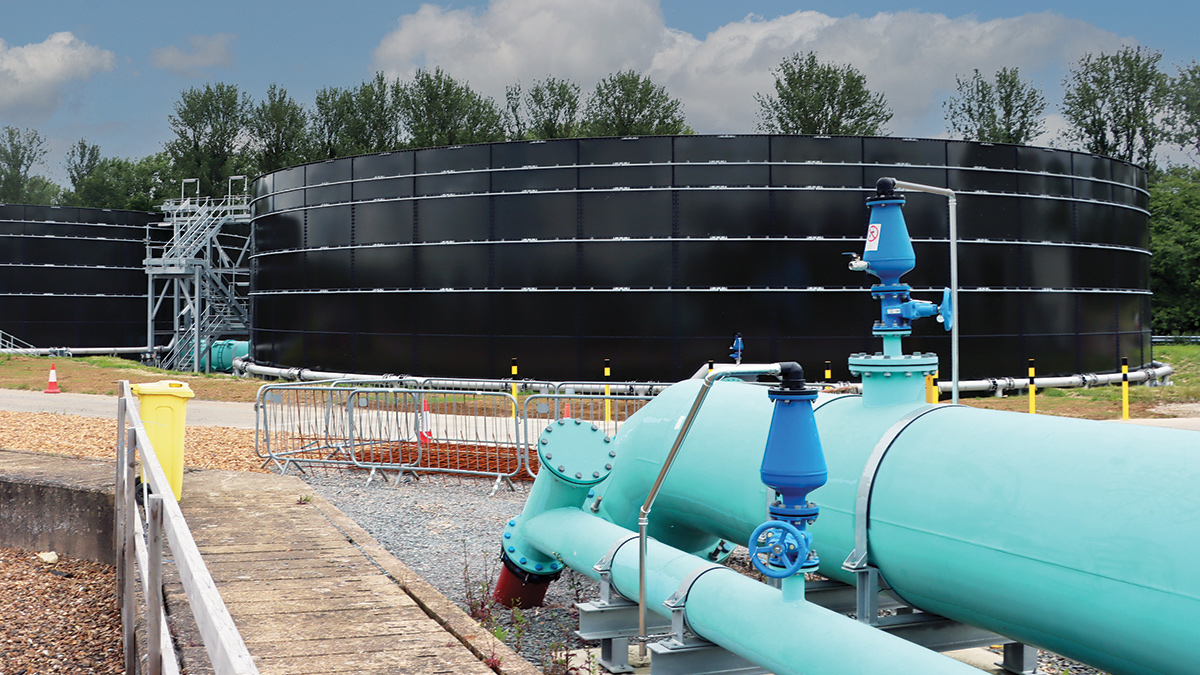
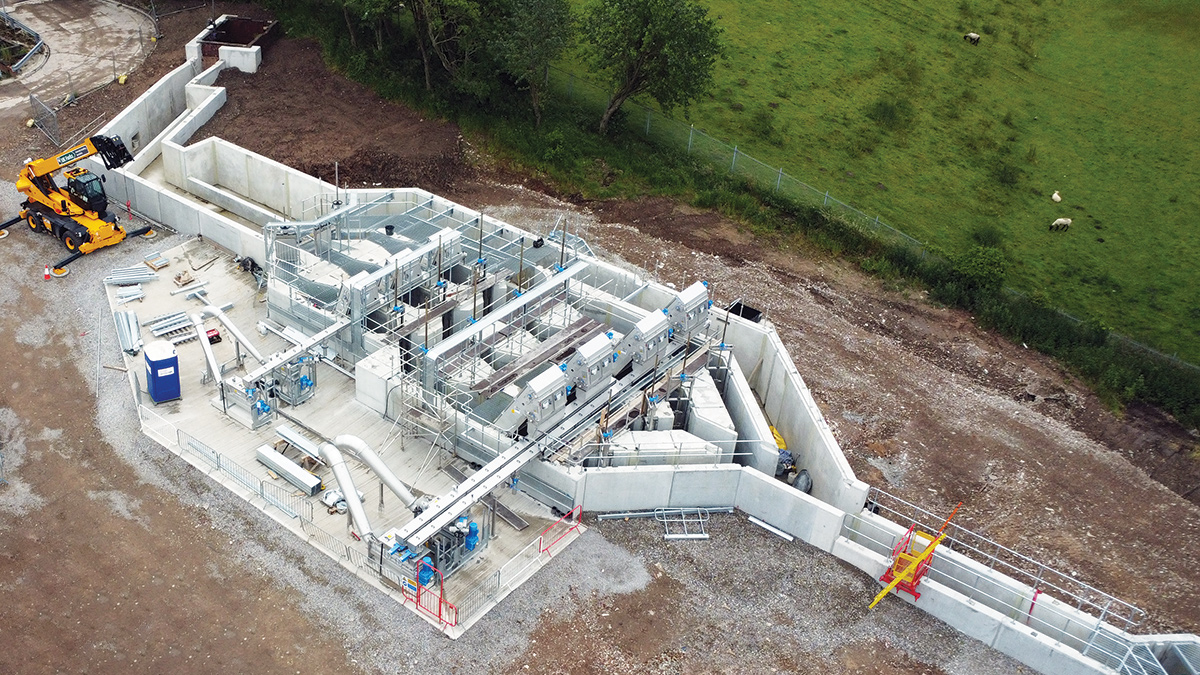
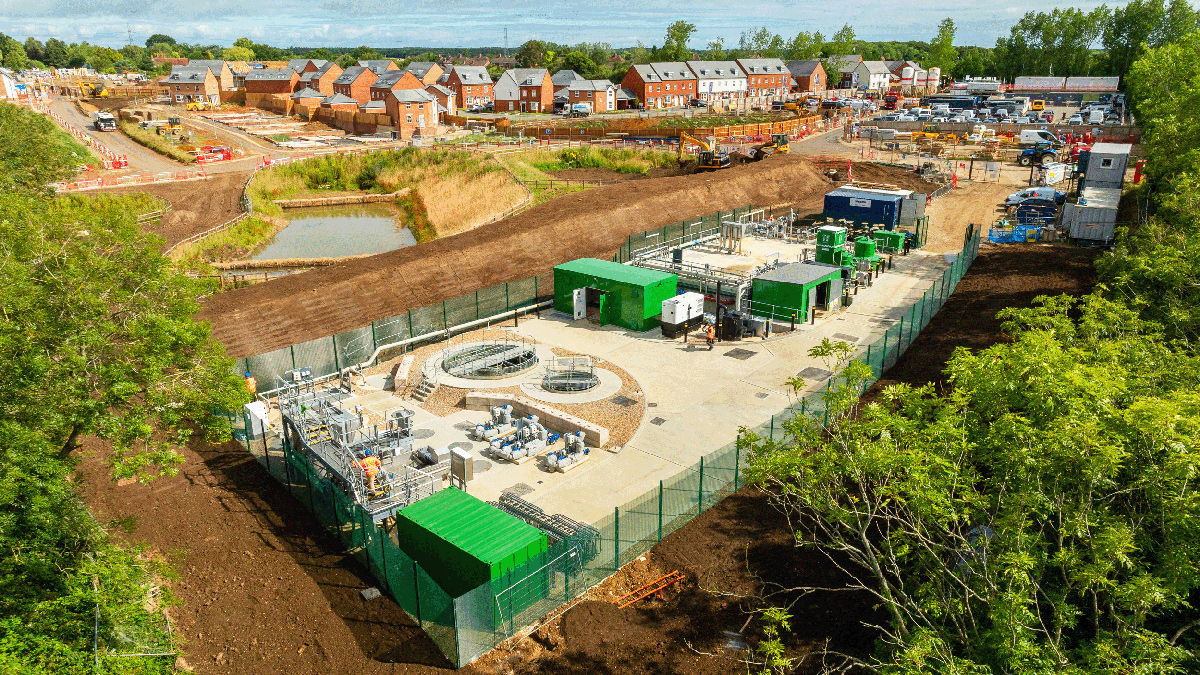
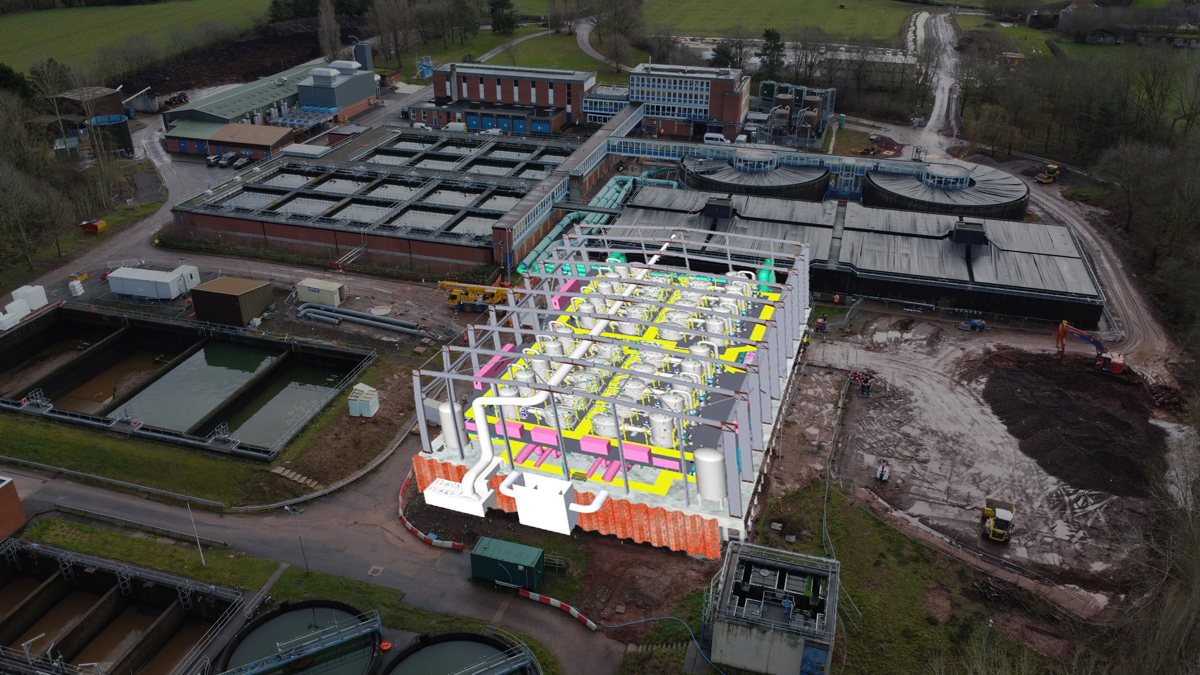
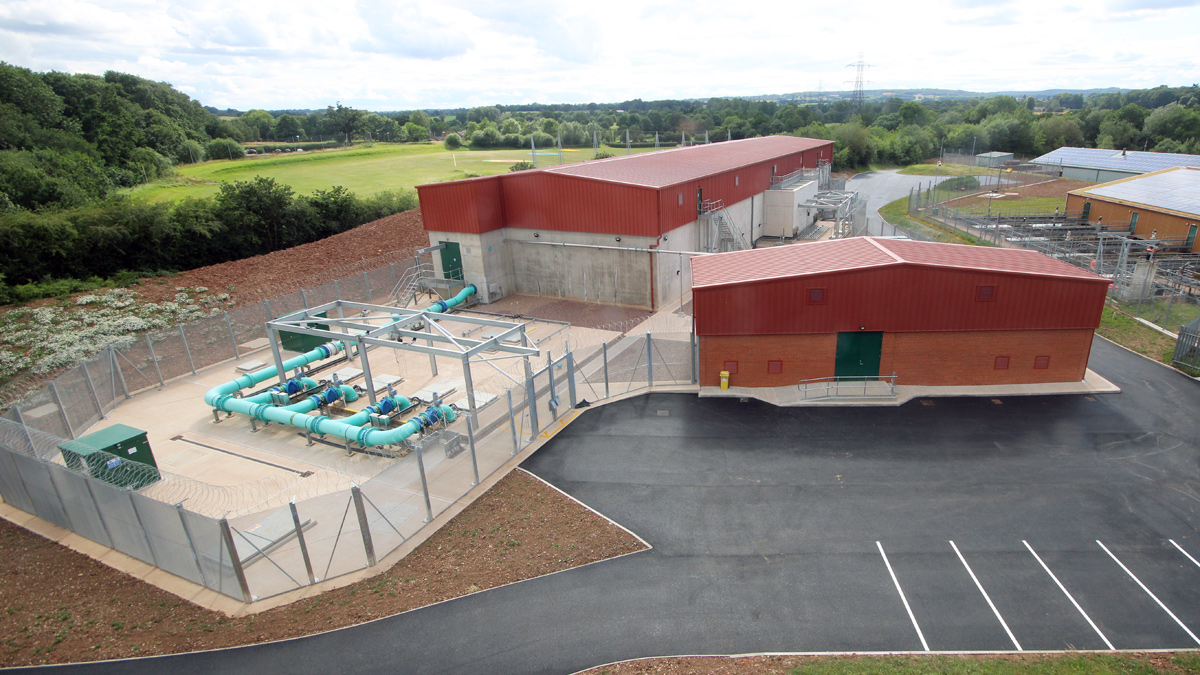
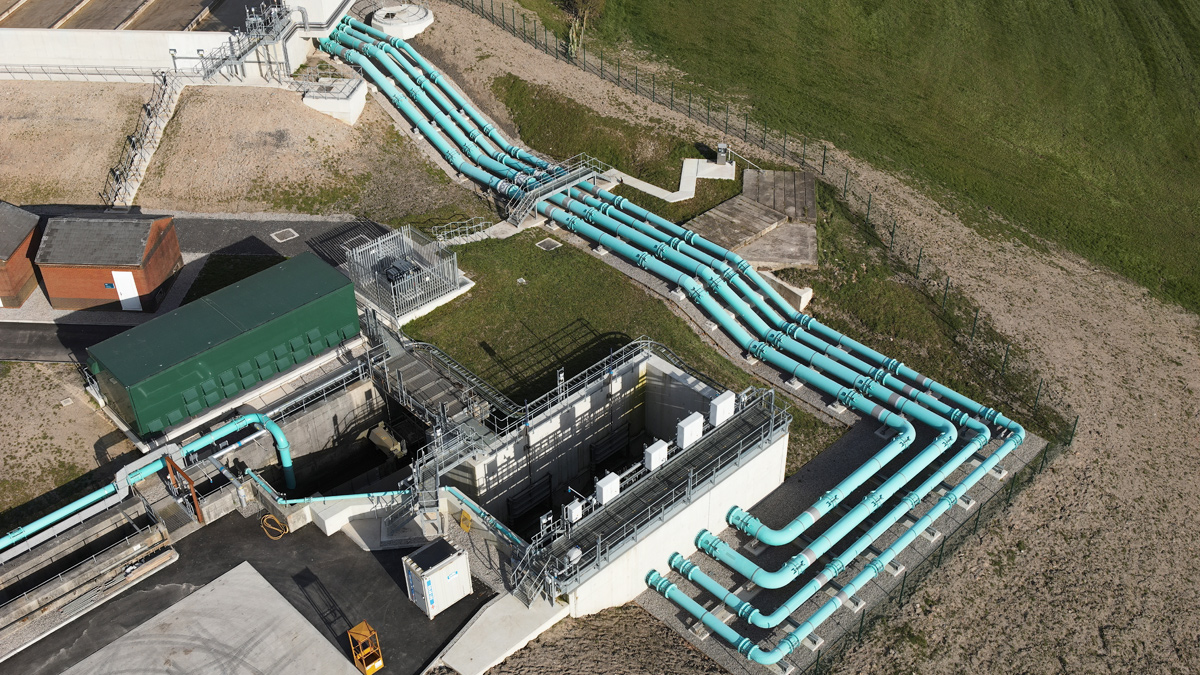
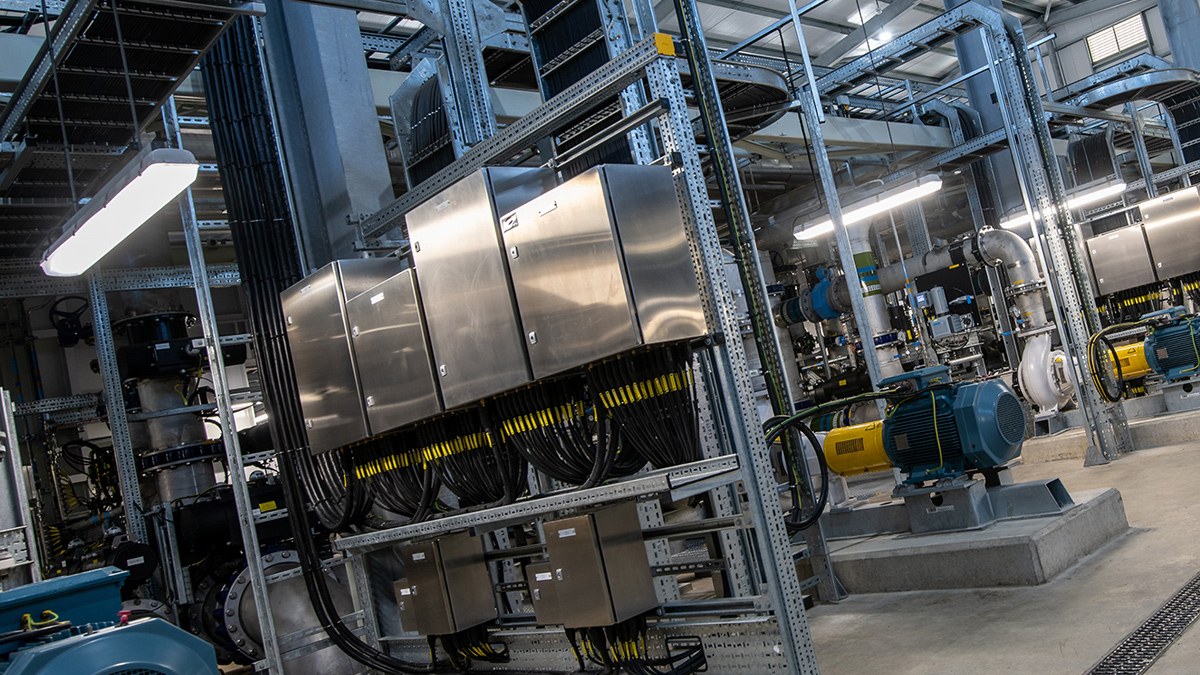
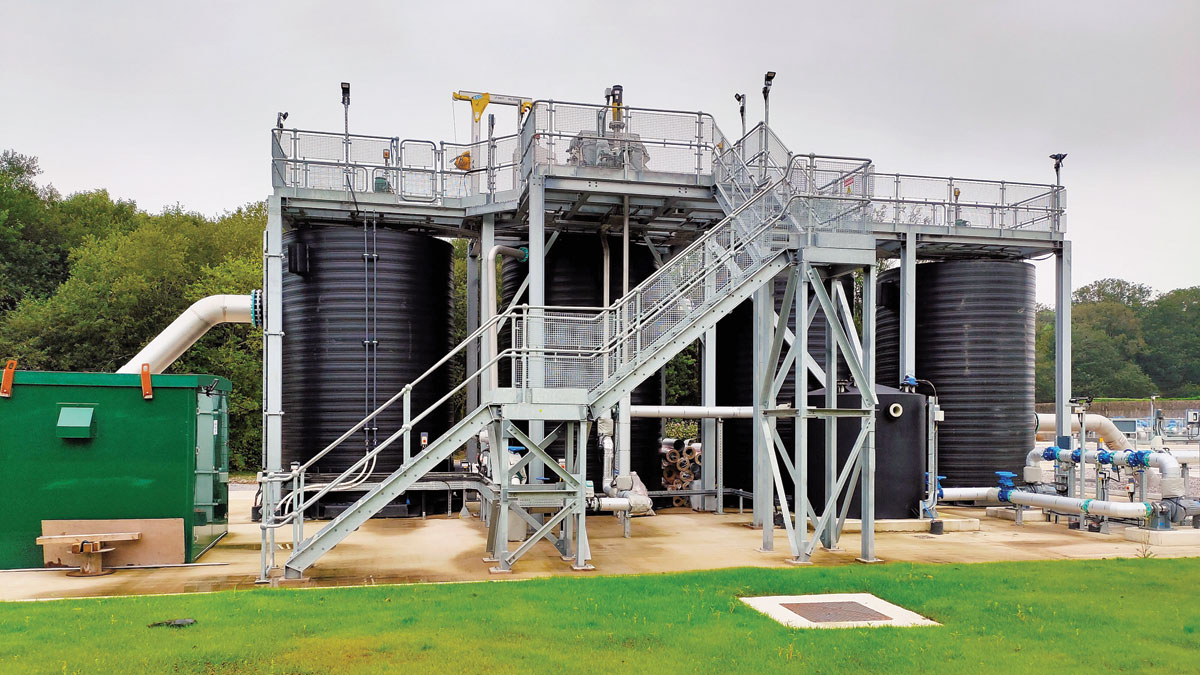
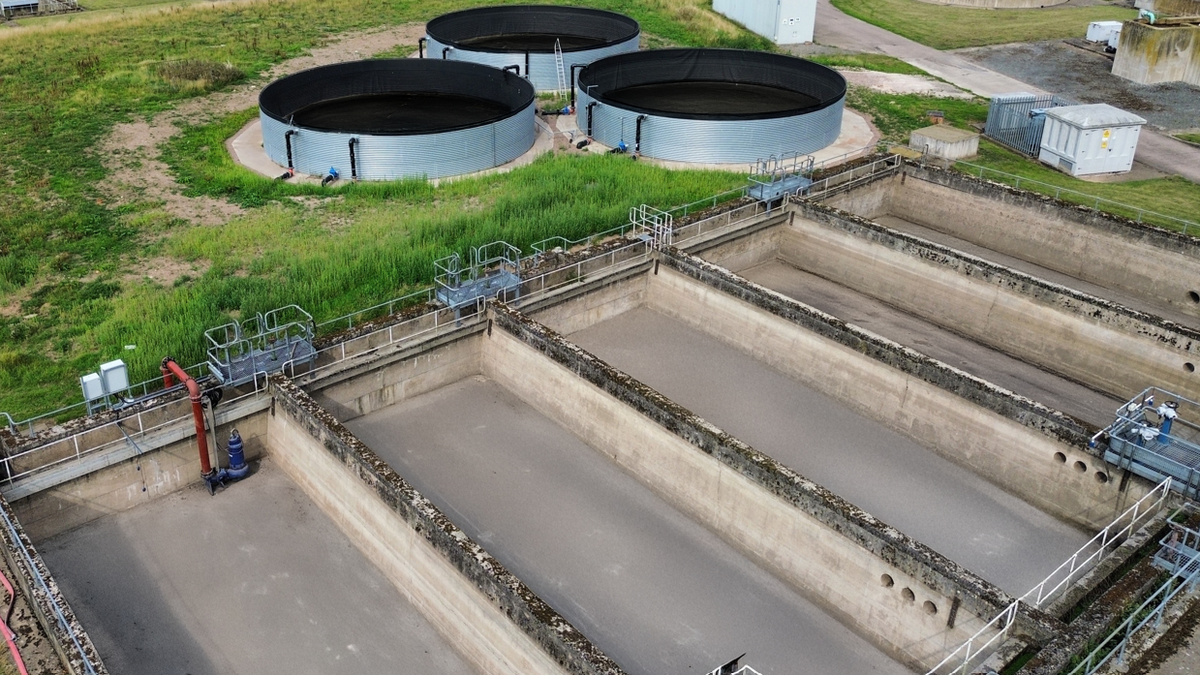
The technical solution was designed with speed, consistency and outcome in mind. Modular steel storage structures, standardized pump systems and integrated controls were deployed using repeatable designs. Standardized controls enabled faster installation and consistent operation across more than 65 sites, while integrated mechanical and electrical teams streamlined on site delivery.
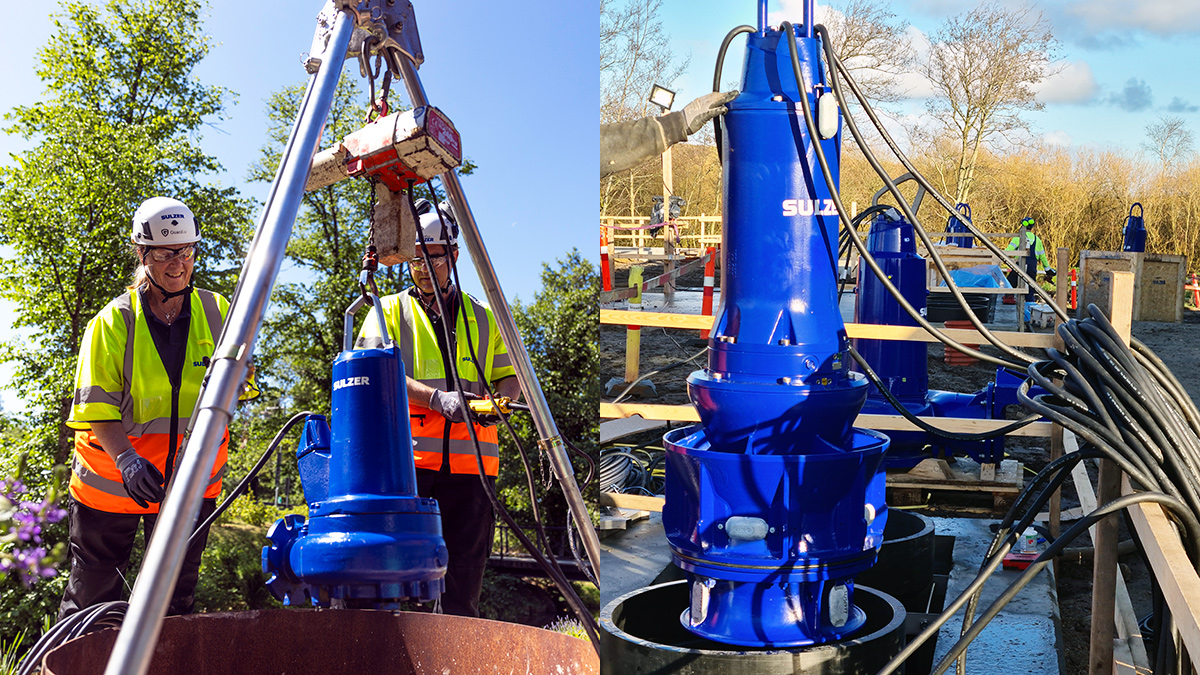
Within two weeks of approval, Sulzer had mobilized multiple field service teams across the most urgent locations. By prioritizing planning and maintaining close collaboration between all parties, the first sites were completed within four weeks.
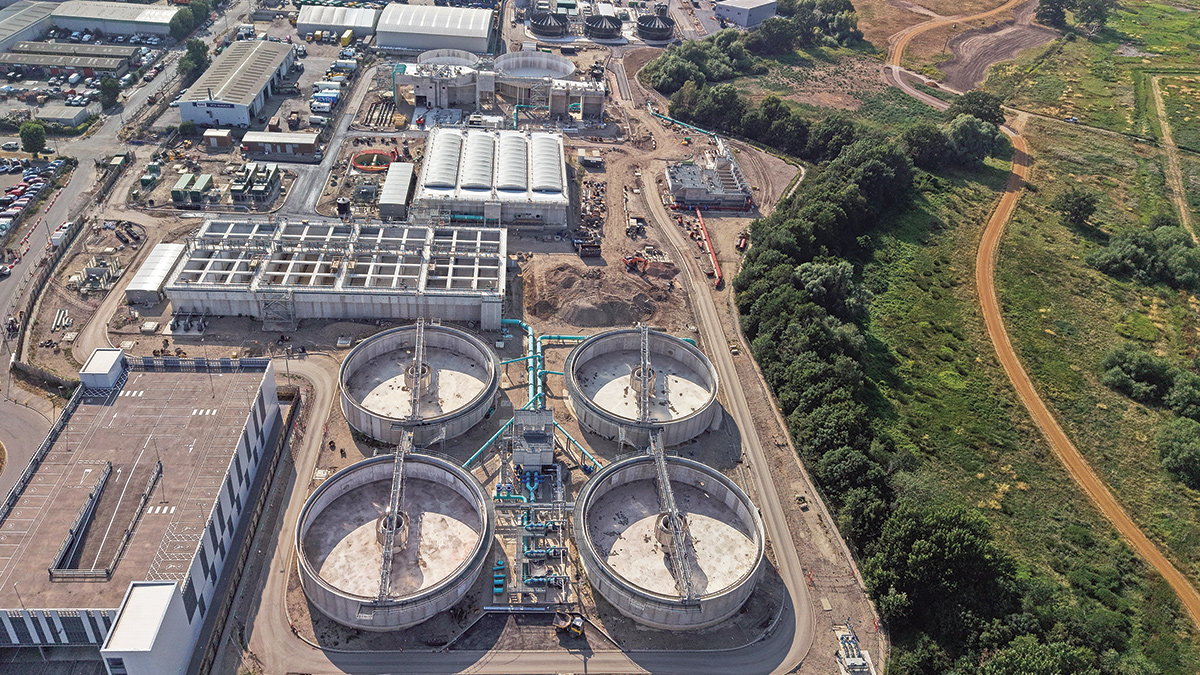
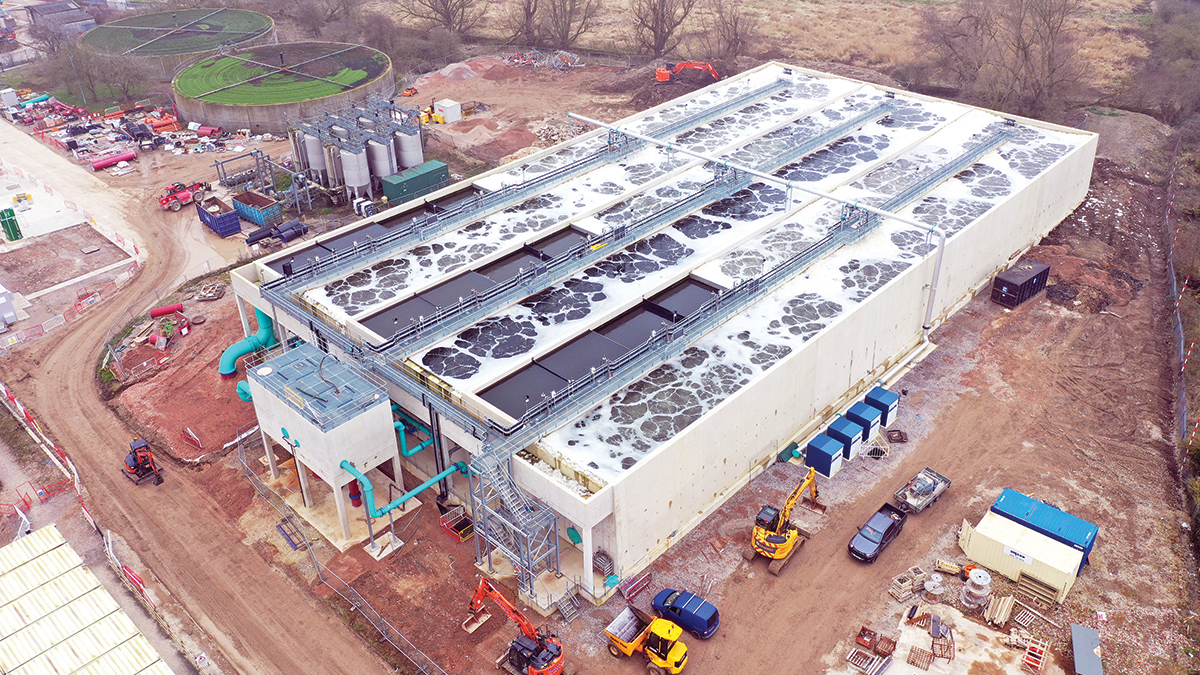
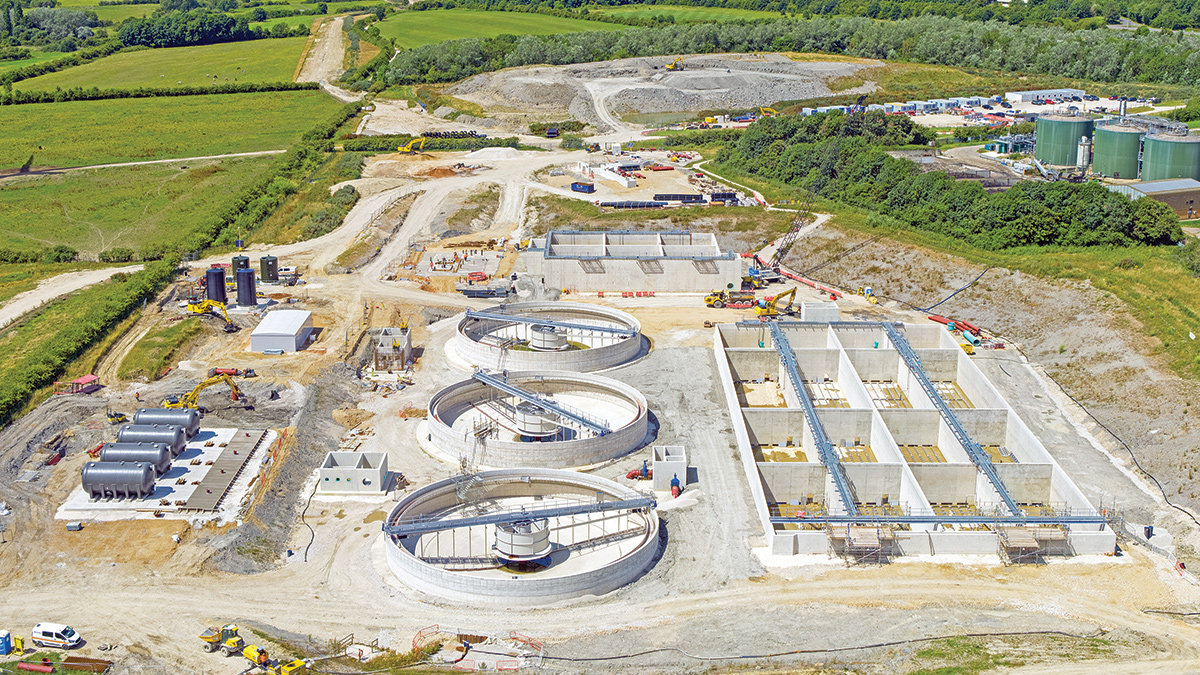
As part of the same initiative, additional treatment capacity was introduced to ensure maximum storage availability during peak rainfall events. This meant that more storm water could be retained within the system, directly supporting spill reduction and improved river protection.
Within just six months, more than 65 sites were operational, with more coming online every week, demonstrating how coordinated delivery can compress timelines without compromising quality.
The importance of a coordinated solution
Utilities throughout the UK are looking for ways to improve their performance during times of heavy rainfall. Any delays risk fines from the Environment Agency and more importantly, further damage to the environment and reduced water quality.
A project of this scale was not just about speed; it was about coordination. Close collaboration with Tier 1 contractors was essential in keeping projects moving smoothly, while the in-house teams worked hand-in-hand with Sulzer to prioritize sites.
In addition, knowledge transfer was another key piece of the puzzle. Sulzer ensured operators could step straight into using the new systems, while standardized designs meant maintenance would be straightforward across the entire network.
Behind the scenes, Sulzer’s flexibility made the difference. Each site has different requirements so adapting the installation and the assigned field service teams was crucial in making sure deadlines were met without compromising quality.
Moving on to phase 2
The Spills Project is now entering phase 2. The simplified supply chain, as well as standardized systems, have reduced costs and delivery times while cutting the maintenance spend in the longer term.
The newly installed pumps will automatically start using the additional storage facilities when the original storm tanks near capacity, reducing reliance on manual intervention and ensuring faster operational response during storm events.
As a result of this project, the water utility has met its 20% spill reduction target for 2025. Each upgraded site means fewer discharges, improved water quality, and enhanced environmental protection. Phase 2 will cover another 90 sites using the same rapid-deployment model to build on the success achieved so far.
This project highlights the importance of collaboration, agility, and innovation in a sector where timelines are often measured in decades. For customers, it means cleaner water and confidence that their utility is acting with urgency. For the environment, it means enhanced protection for rivers and wildlife.
For any inquiries please contact
sulzer.com
For More Information, contact us at https://www.sulzer.com/