
Joseph Gallagher Ltd
Gallows Corner Water Mains Improvements
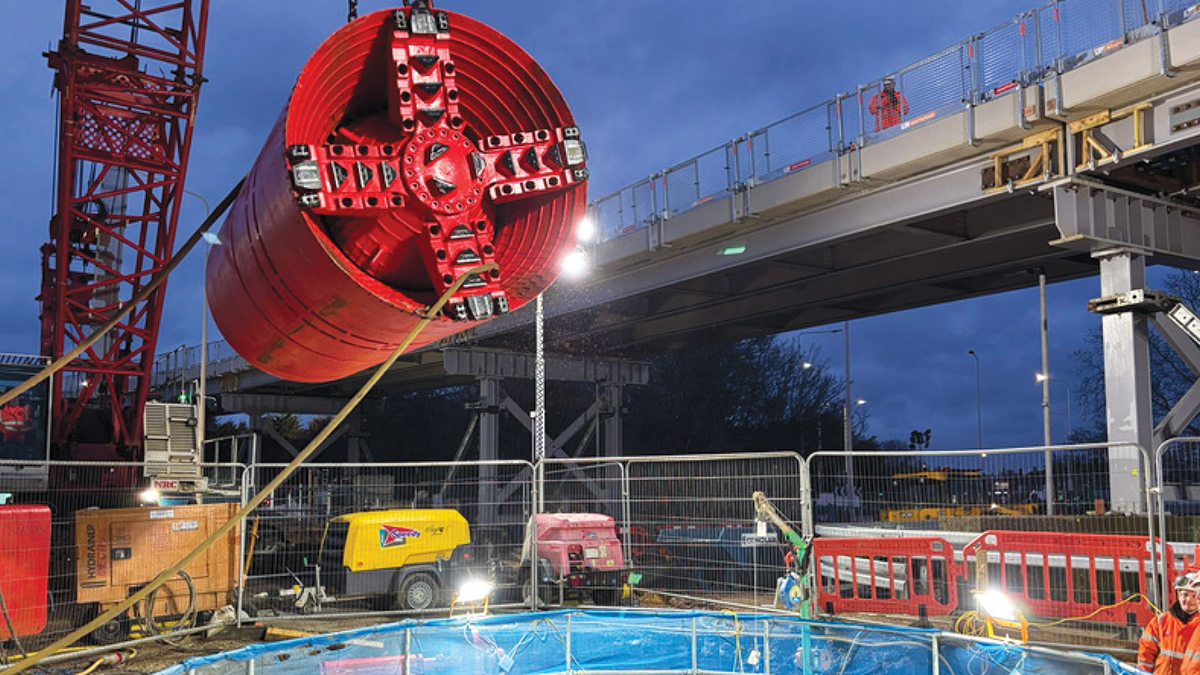
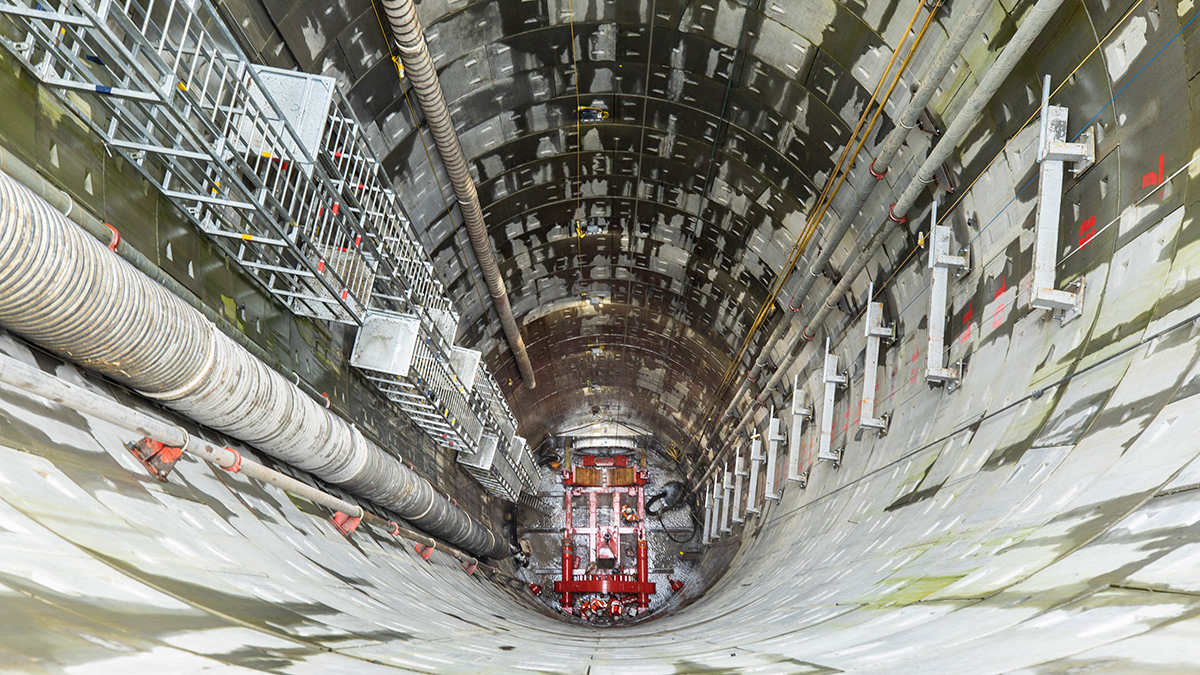
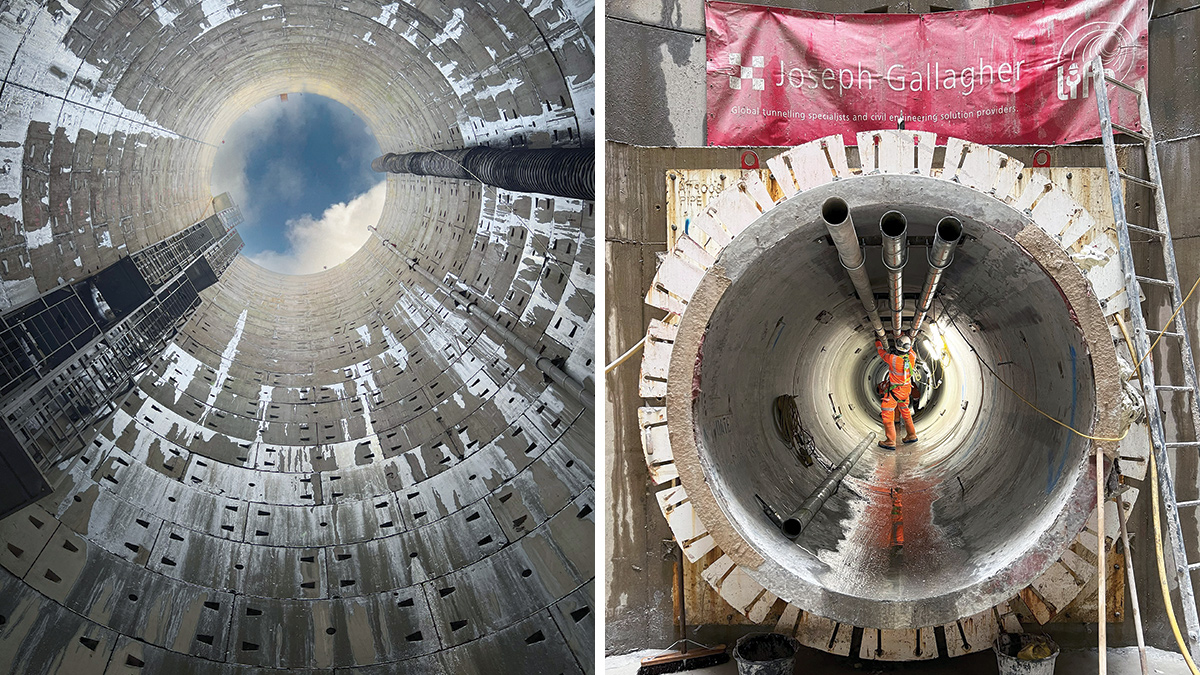
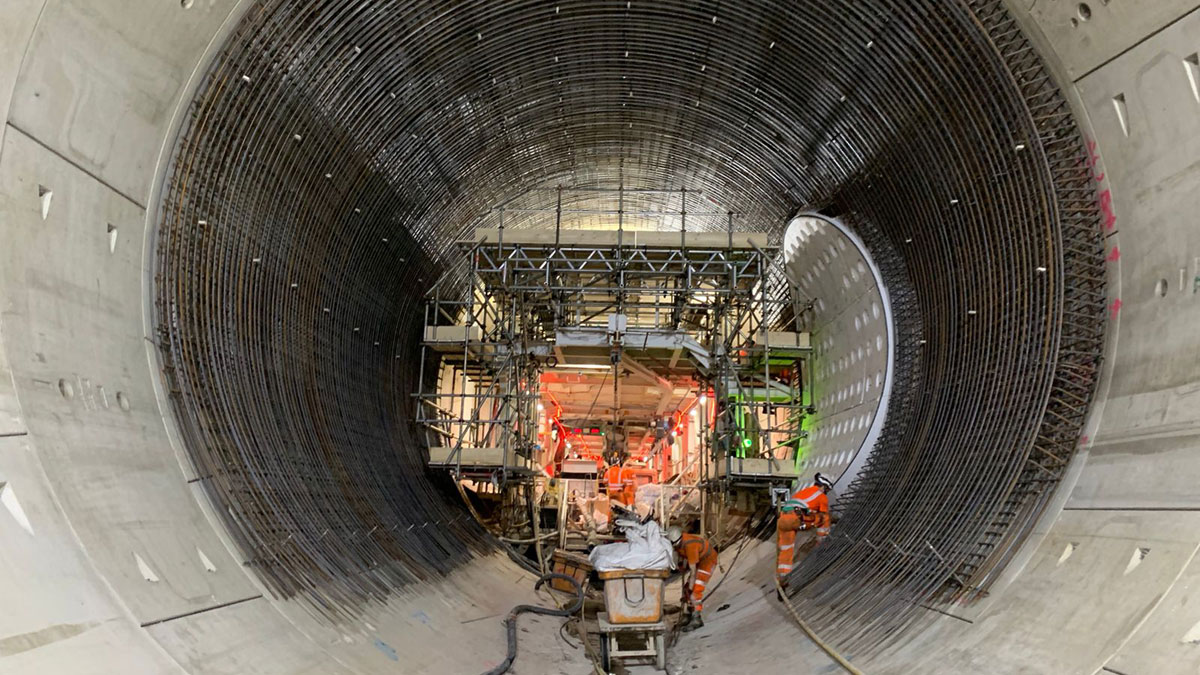
Lowering the TBM - Courtesy of Jaseph Gallagher
The Gallows Corner Flyover Project is a major infrastructure refurbishment by Transport for London (TfL) to replace and strengthen the 1970s structure in Romford, East London. The project, aimed at removing existing weight restrictions and improving safety, involves replacing most of the structure while improving lighting and pedestrian crossings. Essex & Suffolk Water took the opportunity to upgrade one of its older water mains to avoid more disruption and higher costs down the line and most importantly, to protect customers’ water supply before the main construction work on the flyover gets fully underway.
Project planning
Joseph Gallagher Group’s extensive experience in shaft and tunnel construction has been fully leveraged to develop a robust and practical plan for the Gallows Corner MT works. Drawing on lessons learned from previous projects, the team has ensured seamless integration of design, site, and micro‑tunnelling considerations.
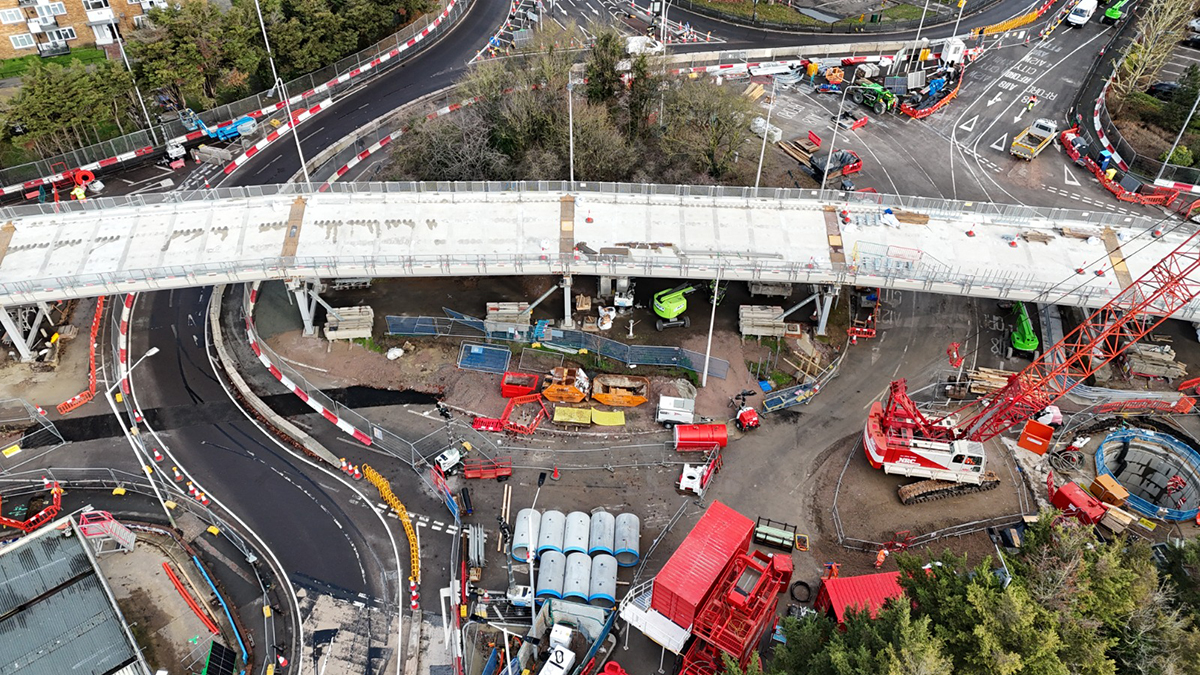
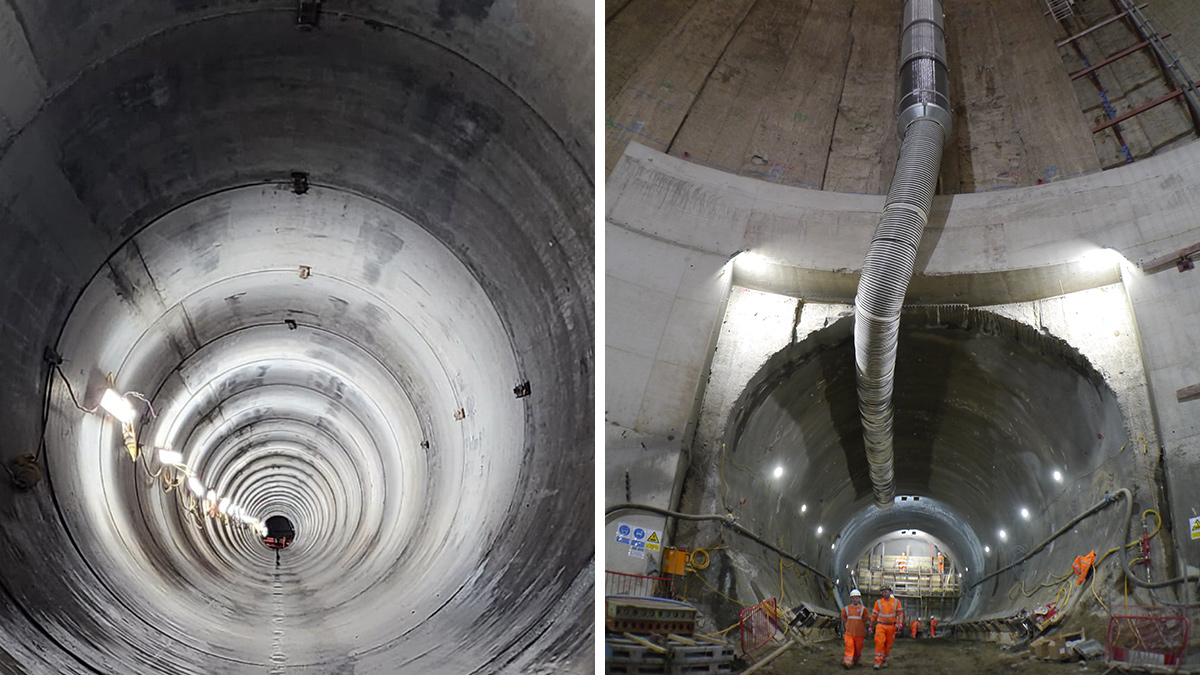
Gallows Corner water mains improvements – Courtesy of Joseph Gallagher
The micro‑tunnelling team has maintained continuous communication with both design and site teams, proactively identifying challenges and optimising construction sequences. Comprehensive risk assessments, resource planning, and programme coordination have been applied to drive efficiency, enhance safety, and minimise disruption throughout delivery.
This collaborative and experience‑driven approach demonstrates JGL’s commitment to providing high‑quality, reliable, and timely tunnelling solutions.
Project highlights
The tunnel and product pipeline installation were completed without any incidents, demonstrating strong planning, coordination, and adherence to safety standards throughout the works.
Despite delays beyond JGL’s control, the project was successfully delivered on schedule, meeting all scheduled targets and maintaining a high level of quality from start to finish. In addition, the full quality handover package was prepared, verified, signed off, and formally submitted to the client ahead of the contractual completion date, ensuring a smooth and efficient close‐out process.
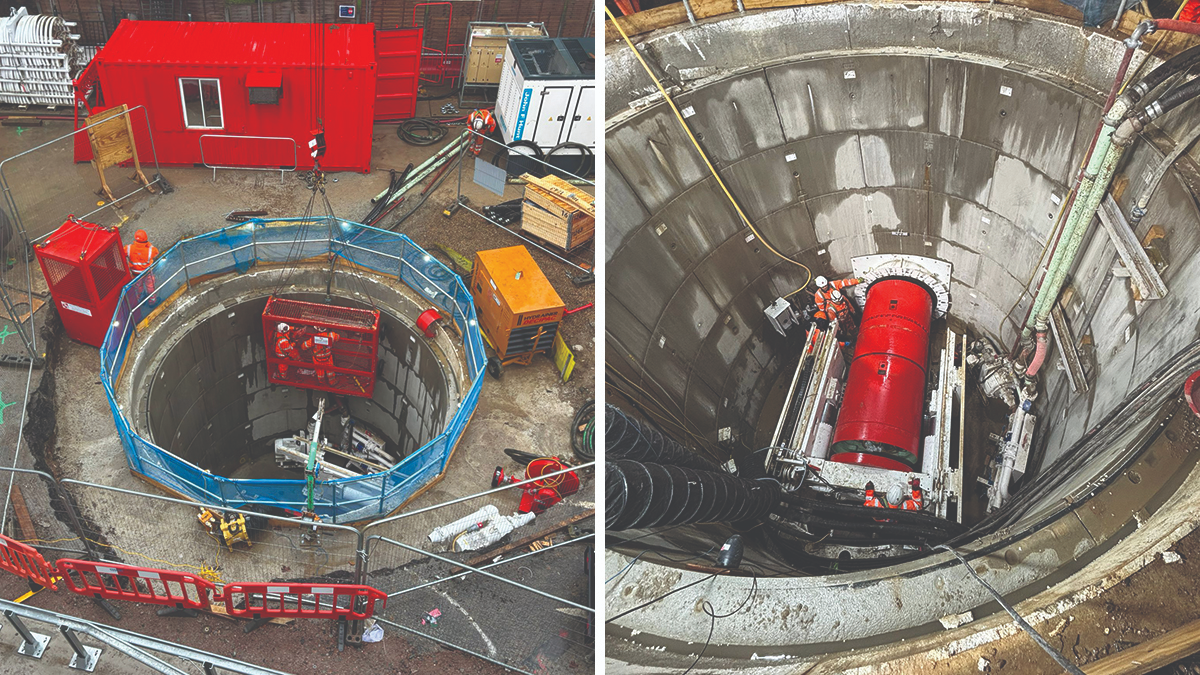
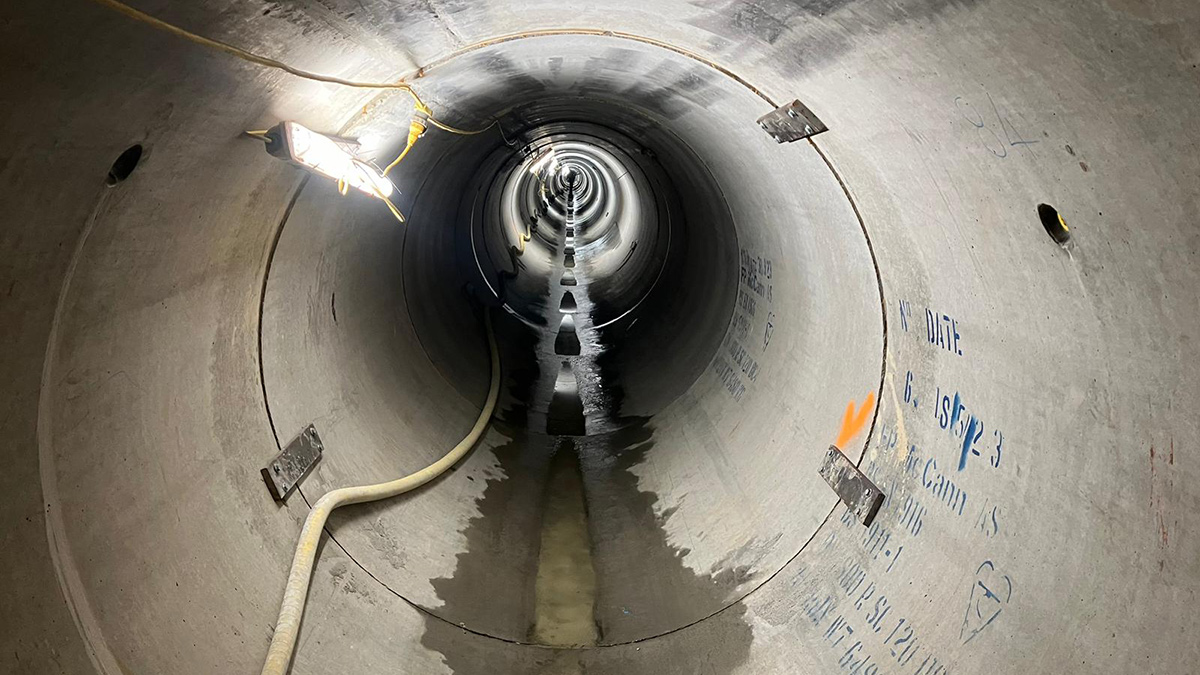
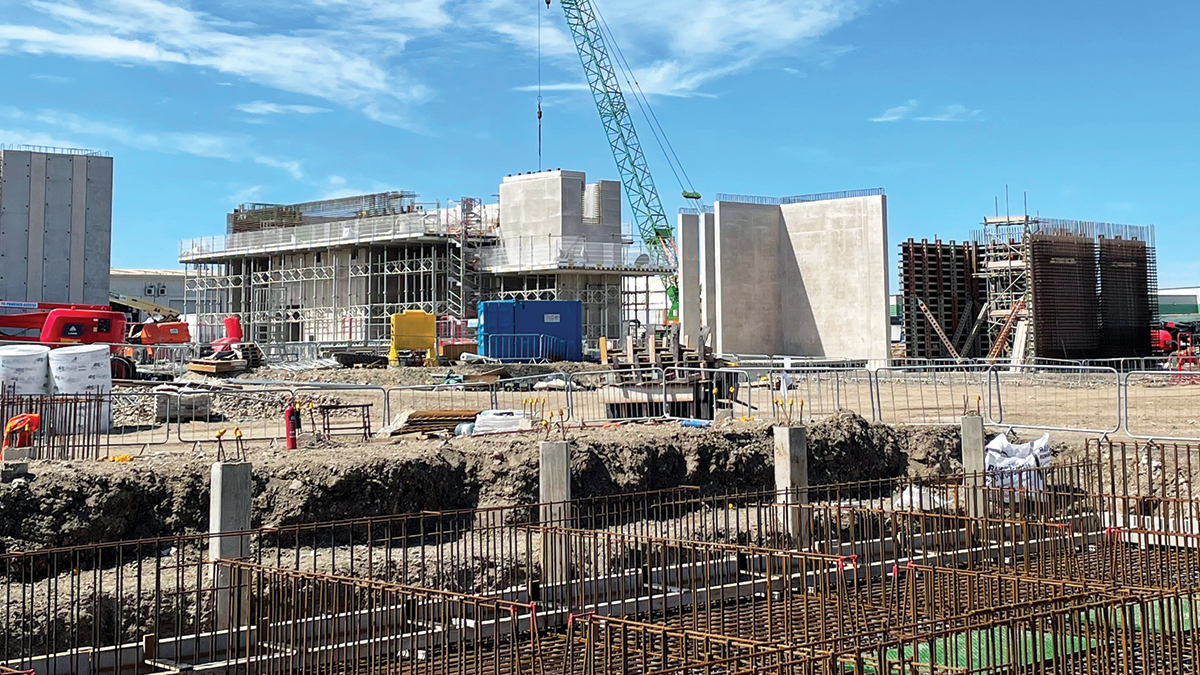
Construction underway – Courtesy of Jaseph Gallagher
Project challenges
Initially, the shaft was designed with a 7m diameter; however, the presence of multiple live cables running through the shaft collar required the diameter to be reduced to 5.5m.
This design change also meant that the product pipe sections installed within the tunnel had to be shortened, with 4 m lengths used instead of the original 5.5m lengths to suit the revised shaft geometry and ensure safe handling during installation.
Another significant challenge arose where the TBM was required to pass beneath an uncharted manhole (MH), for which the depth had not been confirmed.
A detailed design assessment was undertaken to evaluate ground conditions, loading effects, and potential movement to ensure that no structural damage would occur to the manhole as the TBM advanced underneath. This assessment was essential in verifying the safety of the alignment and ensuring the tunnelling operation could proceed without risk to existing assets.
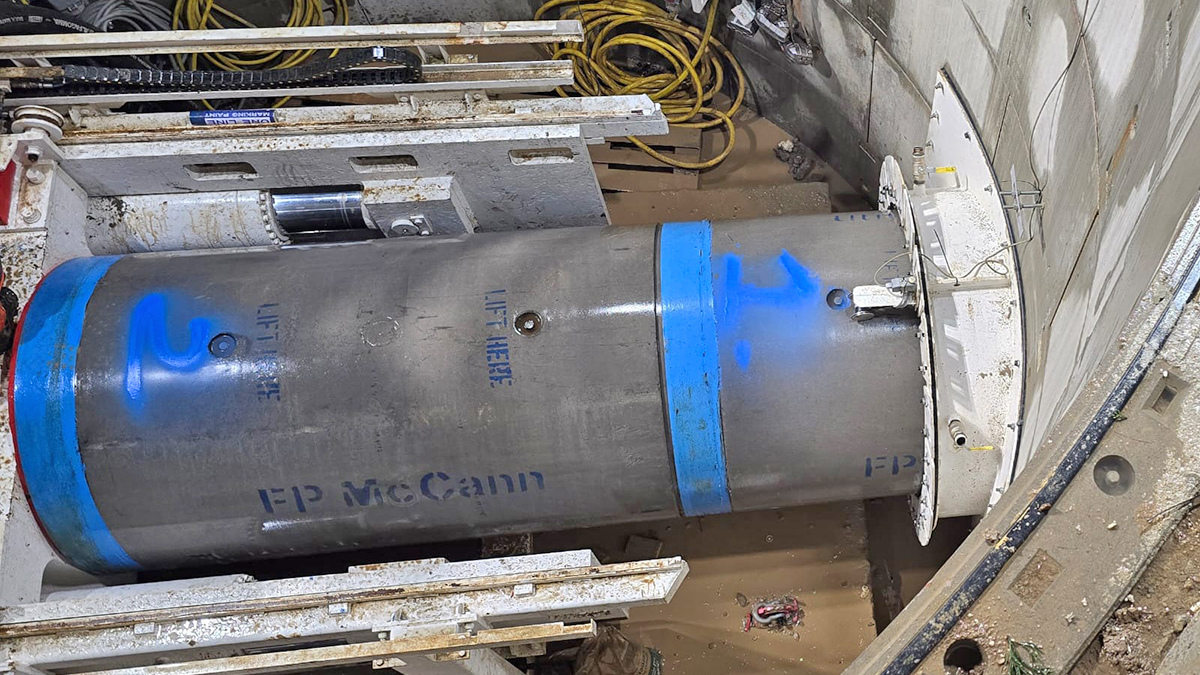
Construction underway – Courtesy of Jaseph Gallagher
Commitment to on‐time delivery
Tunnel works were delivered by operating both day and night, ensuring continuous progress throughout the programme. Where required, weekend working was also utilised to maintain momentum and avoid delays, providing the flexibility needed to keep the operation moving at critical stages.
This commitment to extended working hours ensured that productivity remained high and enabled the project to be completed on time, demonstrating a proactive approach to meeting programme demands and delivering added value for the client.
Environment & sustainability considerations
Material Reuse and Carbon Reduction Type 1 material sourced from another contractor was reused in the construction of the crane pad. By utilising material already available locally, the project avoided additional lorry deliveries to site. This significantly reduced transport‐related carbon emissions, lowered fuel consumption, and minimised overall environmental impact. This approach demonstrates our commitment to resource efficiency, waste reduction, and sustainable construction practices by prioritising reuse over the procurement of new materials.
Innovations
Use of jacking rig for pipe installation: Using a jacking rig to install the product pipe inside the tunnel, instead of a conventional mechanical pulling method, provided several technical and commercial advantages. The decision to use a jacking rig offered the following benefits:
- Controlled Installation: Hydraulic jacking allows precise, gradual pipe advancement, reducing the risk of pipe damage.
- Reduced stress on pipe: Unlike pulling methods that place tensile stress on the pipe, jacking applies compressive force, which is often more suitable for product pipe installation in confined tunnels.
- Improved safety: Eliminates long pulling setups and associated hazards.
- Better alignment control: Particularly beneficial in tunnel environments where accuracy is critical.
- Reduced plant requirements: Avoided the need for additional winches, long pulling frames, or heavy pulling equipment.
Overall, this approach improved installation efficiency while reducing risk and potential damage.
Use of surplus Type 1 material for crane pad construction: Utilised surplus Type 1 material (meeting required specification) sourced from another contractor on site for construction of the crane pad, instead of procuring new material.
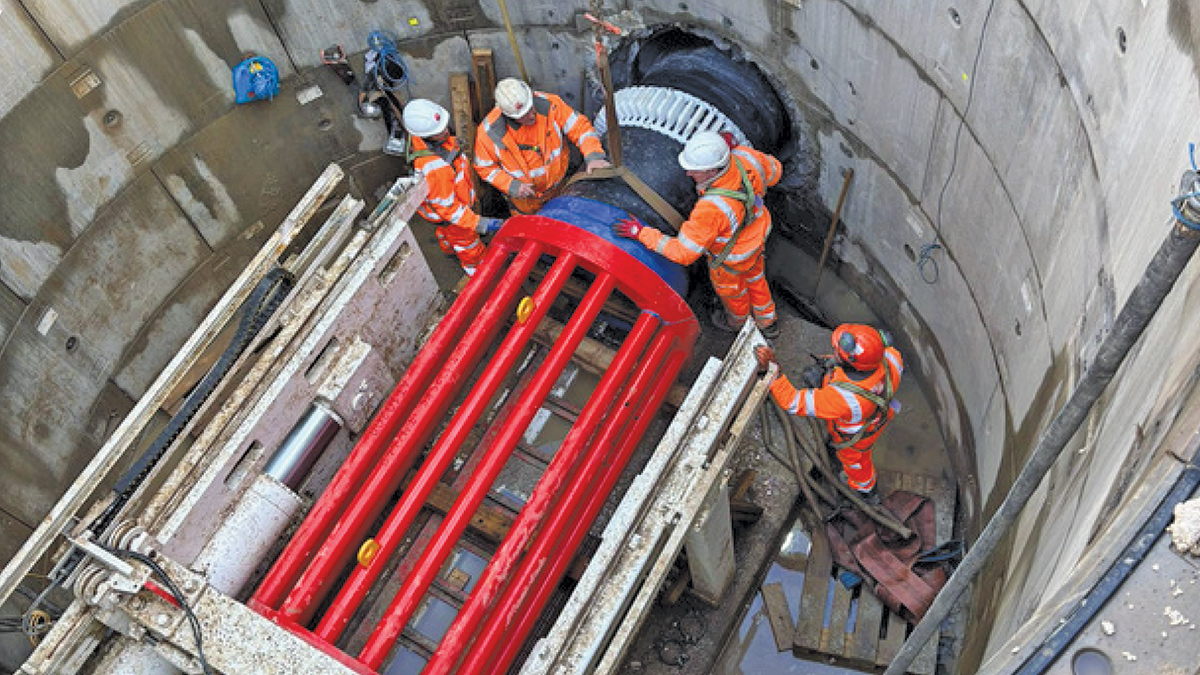
Construction underway – Courtesy of Jaseph Gallagher
Services provided
Design: Temporary works
- Design of temporary works for crane pads at the drive shaft.
- Temporary works design for the reception pit
- Design and installation of Davit Arms for lifting and access operations
Design: Permanent works
- Permanent works design for the shaft.
- Design of the reception pit Permanent design for the tunnel alignment and associated structures.
Micro‐tunnelling works
- Installation of 1200 mm ID jacking pipes over a 55m drive.
- Execution of micro‐tunnelling operations to facilitate placement of the carrier/main pipe.
Group Company Support
- NRC Plant Ltd: 190t crawler and 8t crawler crane
- Specialist Plant Associates Ltd: Shaft jacking equipment
- ISEKI: TBM and associated accessories
Project details/summary
- Client: Essex & Suffolk Water
- Location: Gallows Corner, Romford
- Main contractor: Gallifird Try
- Start date: 24 November 2025
- Project completion: 18 February 2026
- Value: £2.2m
- Reception pit (size/construction): 10x3m ID sheet piled reception pit
- Tunnel size (diameter/length): 1200 ID Mirco TBM drive 55m length
- Tunnel lining: Jacking Pipes
- TBM machine (model/size): Iseki 1400, OD 1450
- Completed drive length: 55m
- Diameter of tunnel/pipe: 1200mm
- No. of crossings: 1
- Ground conditions: London clay
- Concrete poured: 70.5m3
- Muck-away: 1250m3
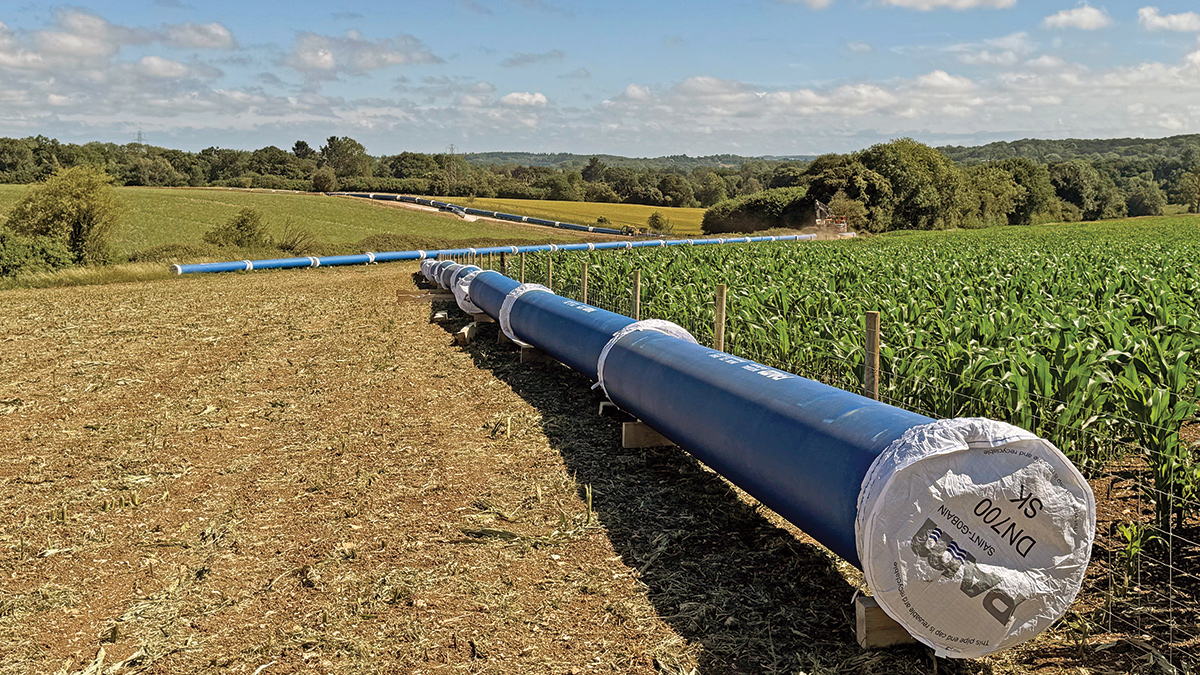
- Installation of product pipe: 60m of 945mm OD ductile iron pipe works with electro lock joints
- Testing of product pipe: Hydrostatic test of product pipe
For More Information, contact us at https://www.josephgallagher.co.uk/