
Joseph Gallagher Ltd
Ashford Wastewater Treatment Works
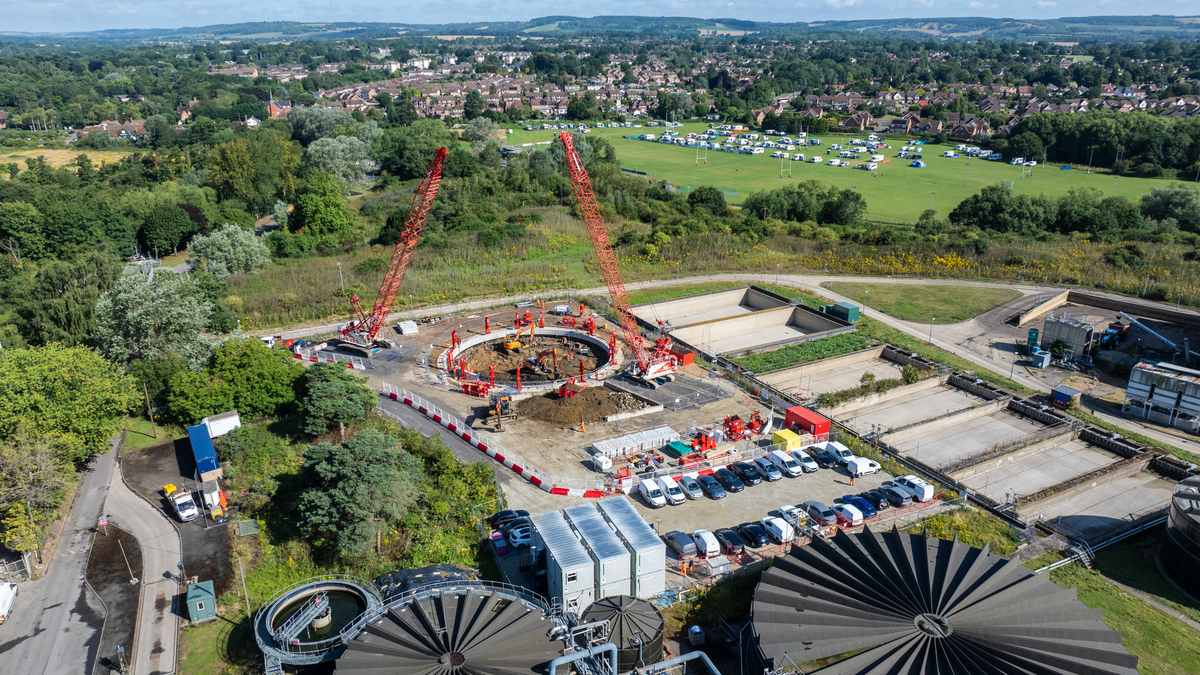
Major infrastructure improvements at Ashford WTW, delivering increased stormwater storage and network resilience
Project Overview
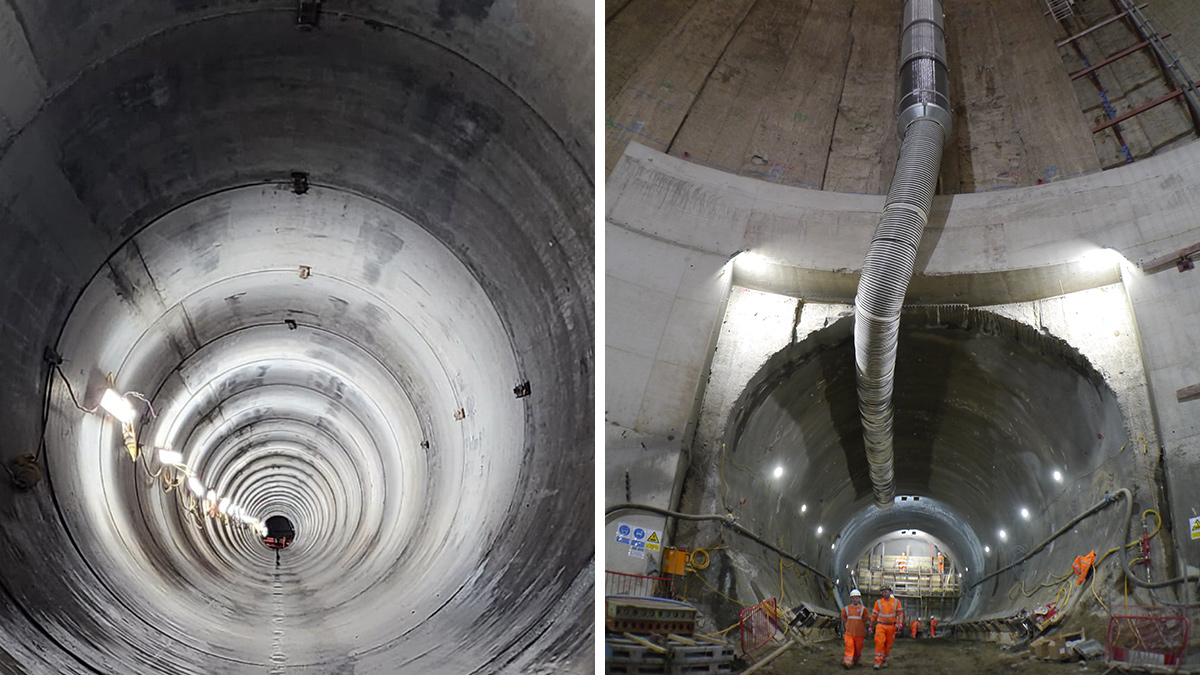
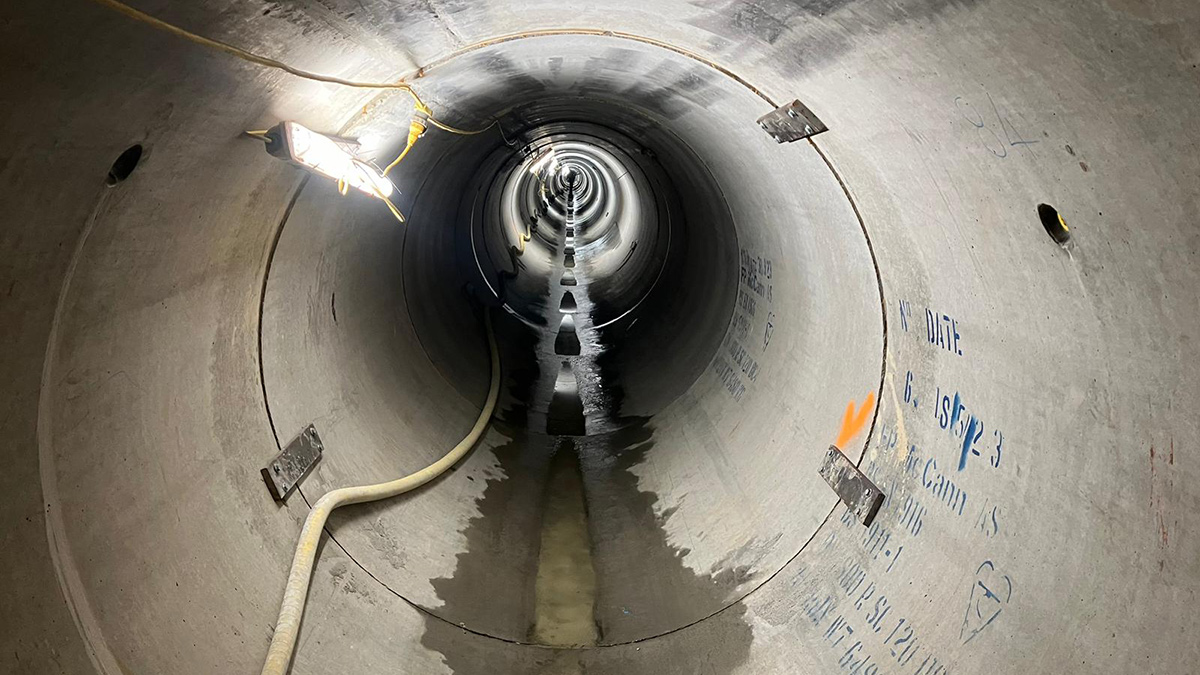
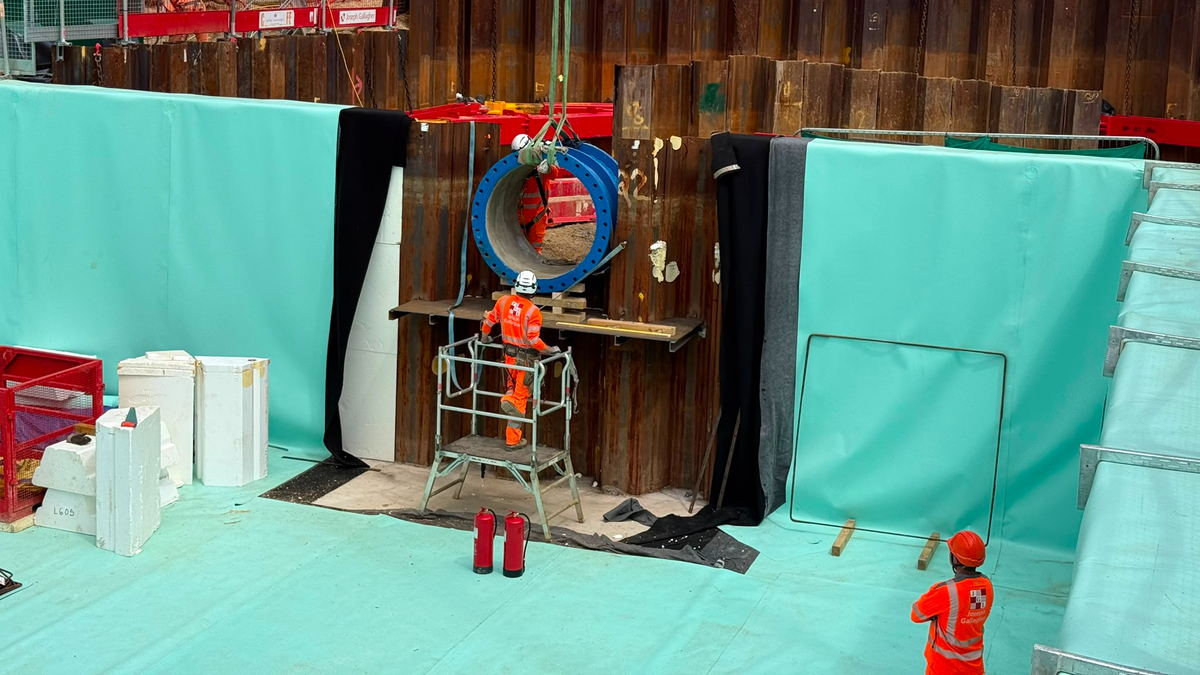
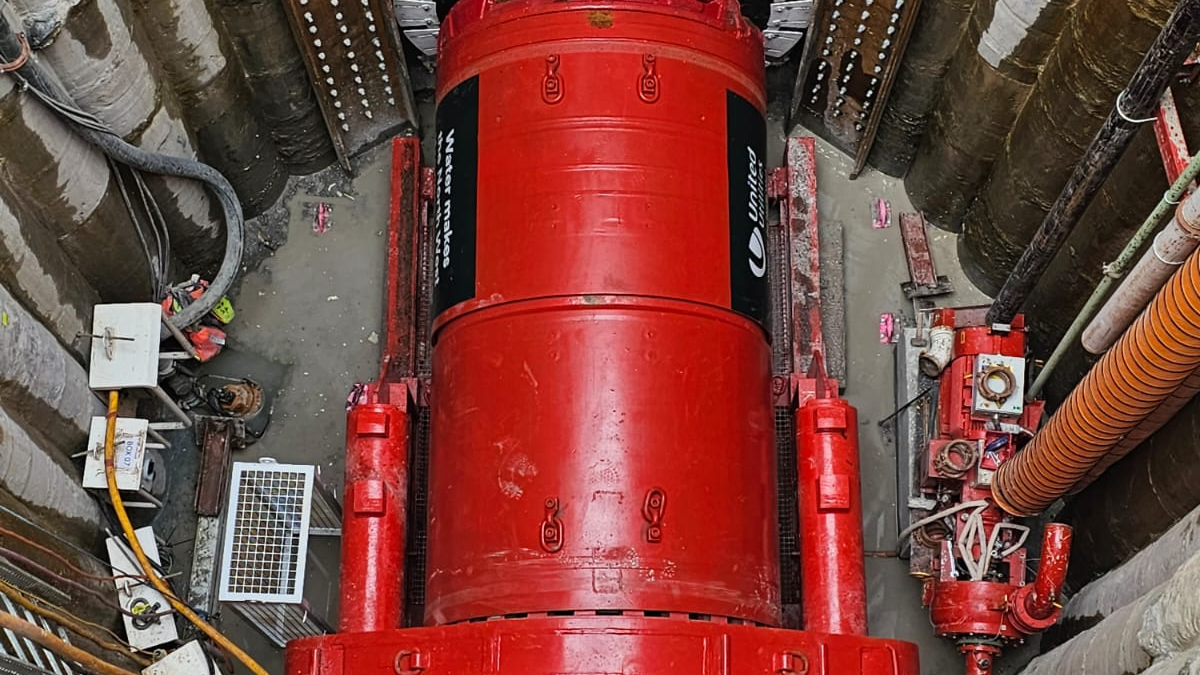
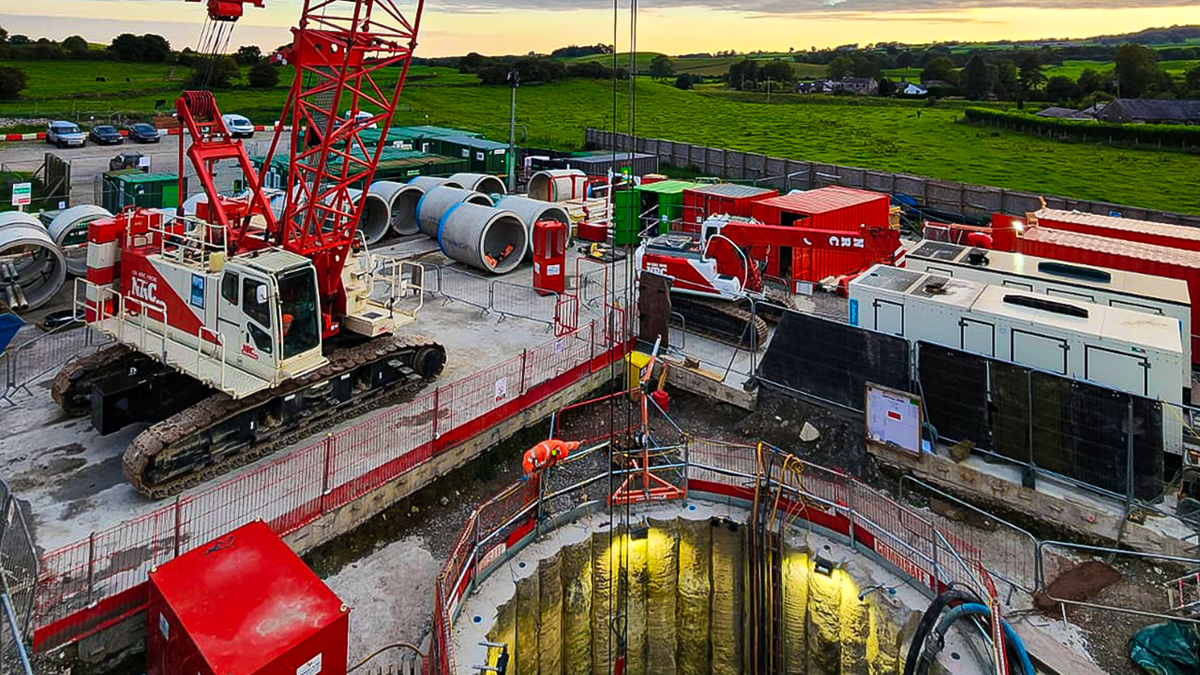
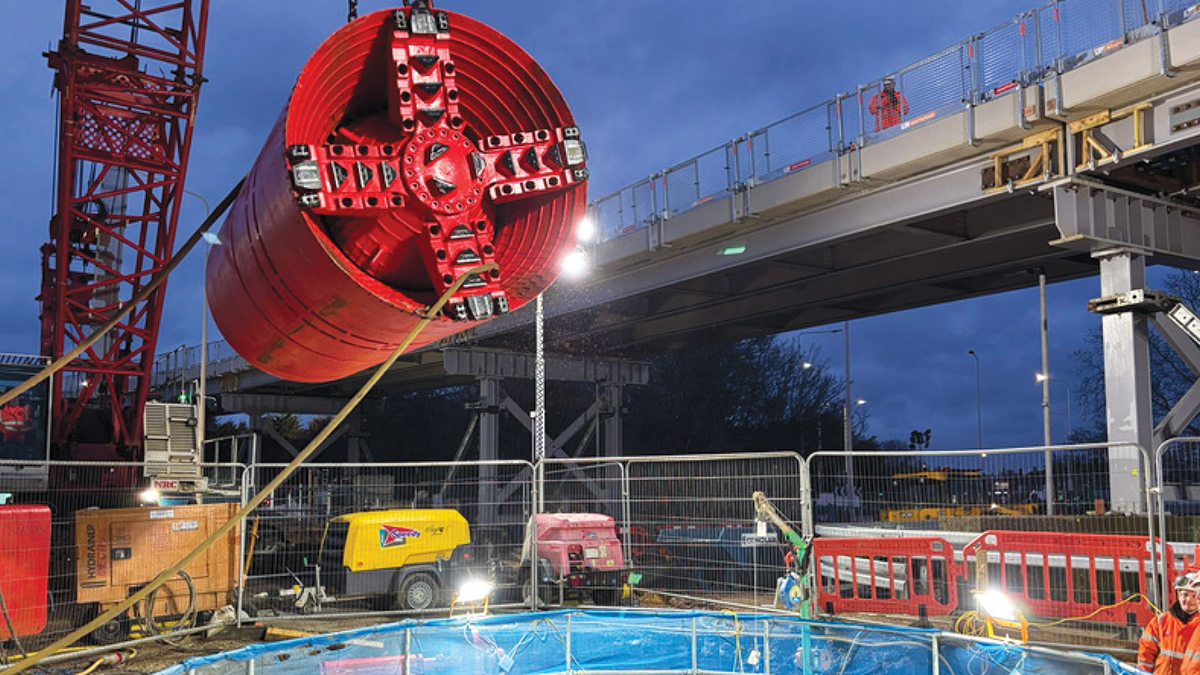
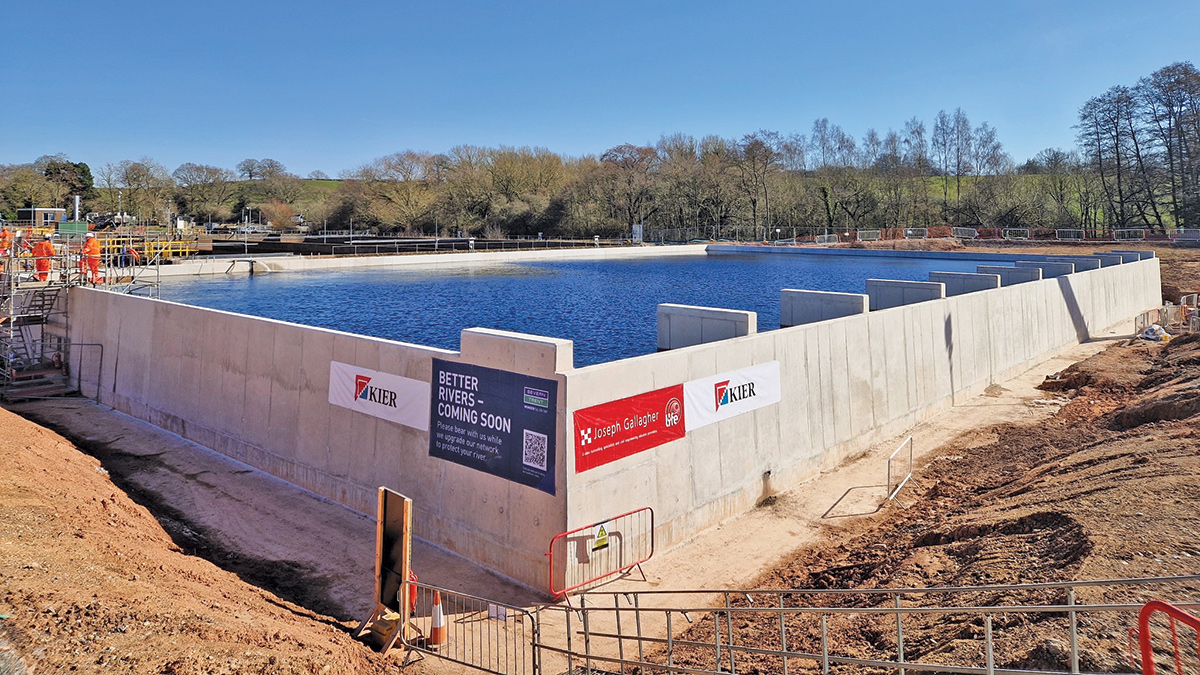
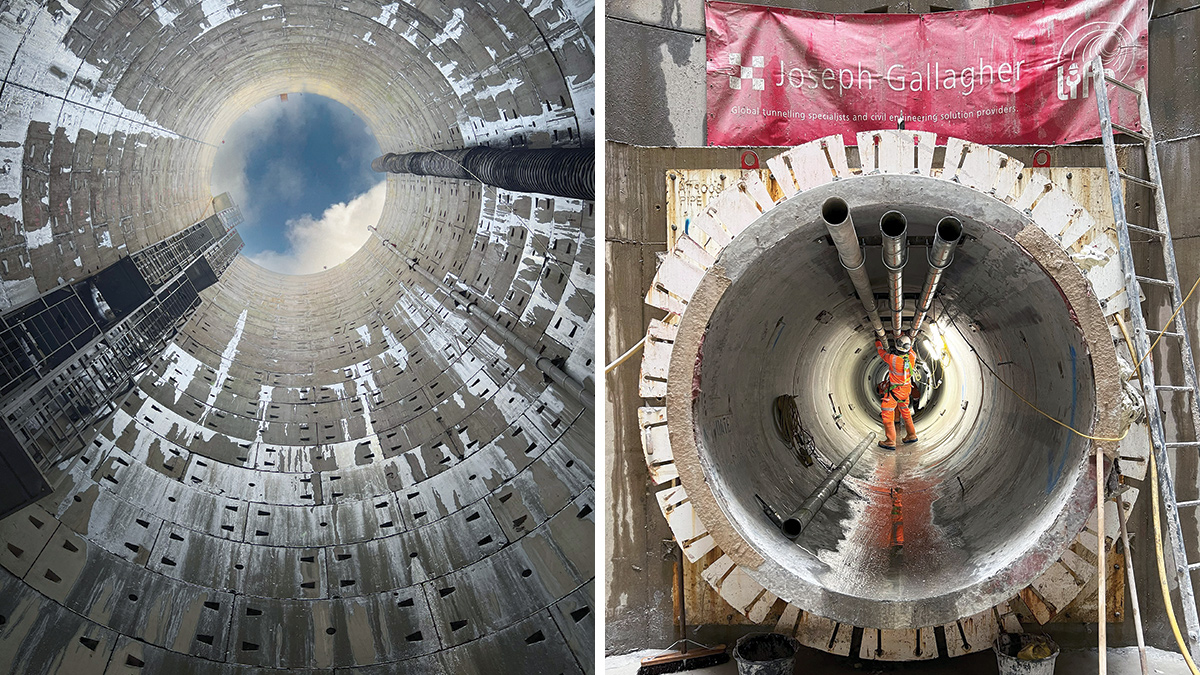
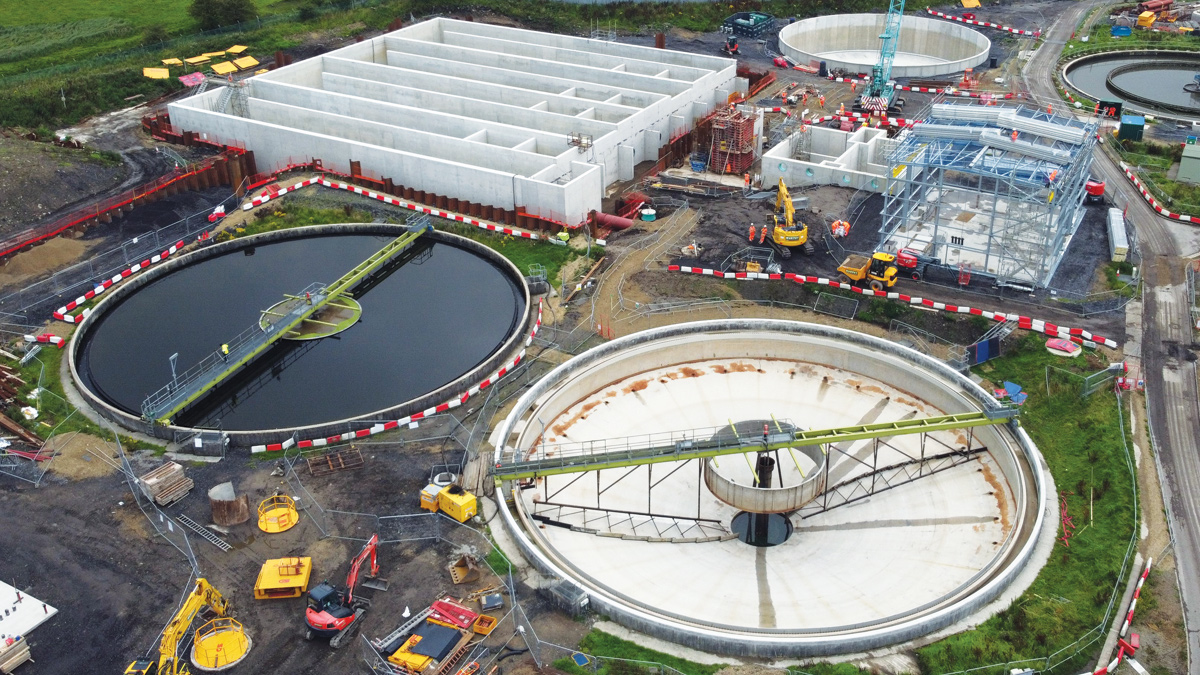
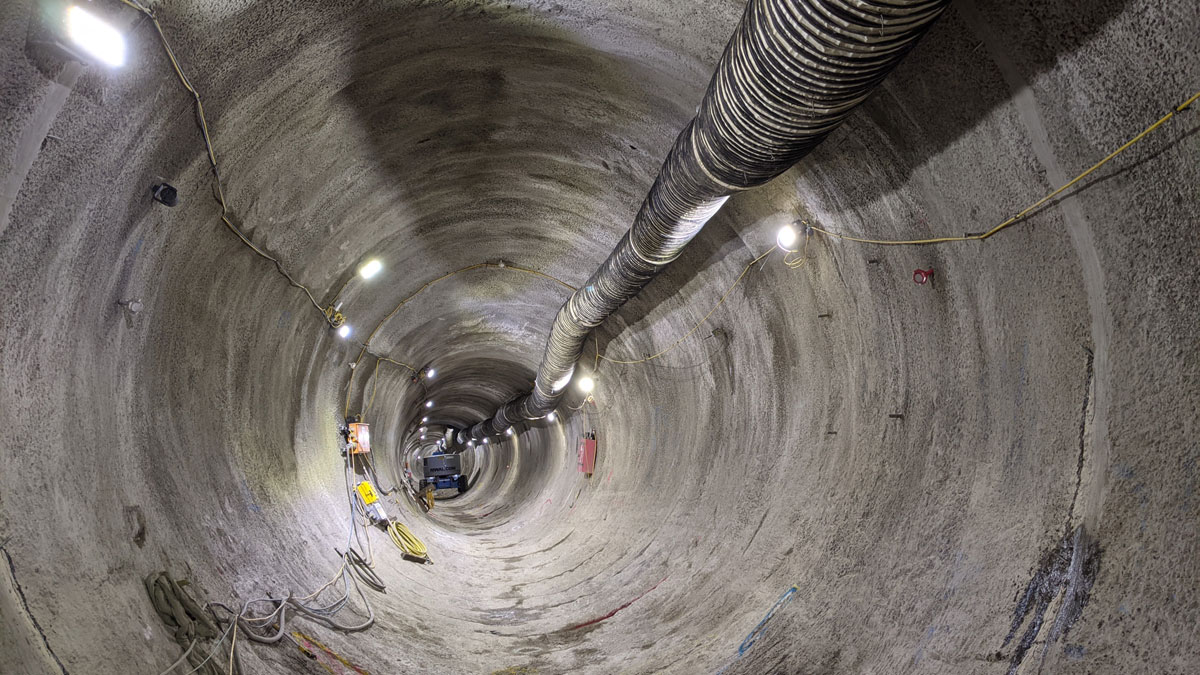
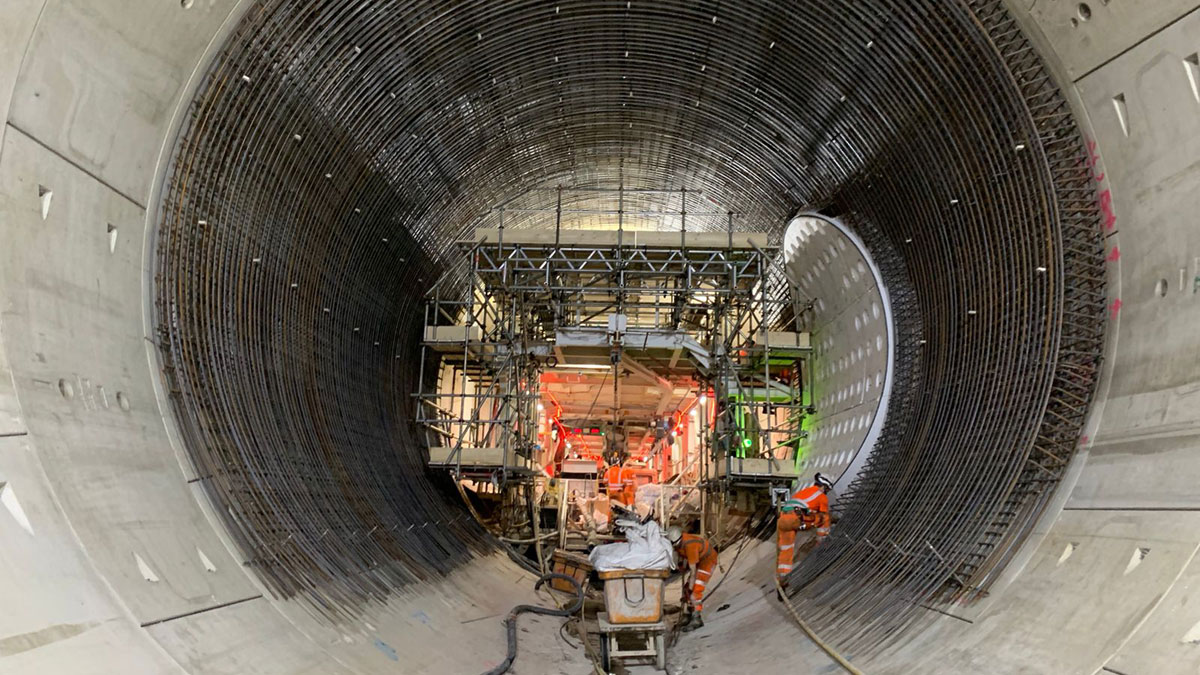
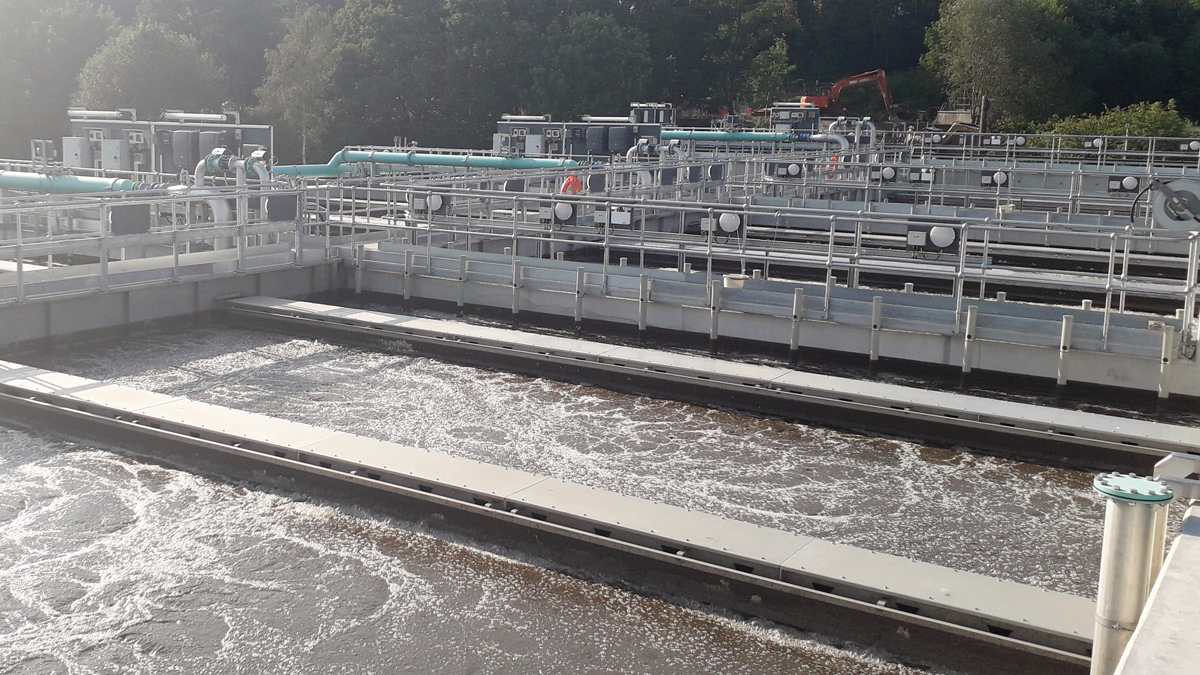
As part of the Ashford Wastewater Treatment Works (WTW) upgrade, JGL delivered the design and construction of a new buried precast concrete storm tank with a storage capacity of 1,845m³, together with a new shaft, weir chamber, associated inlet and return pipework, washwater pipework, duct installations, standpipes and surrounding access infrastructure.
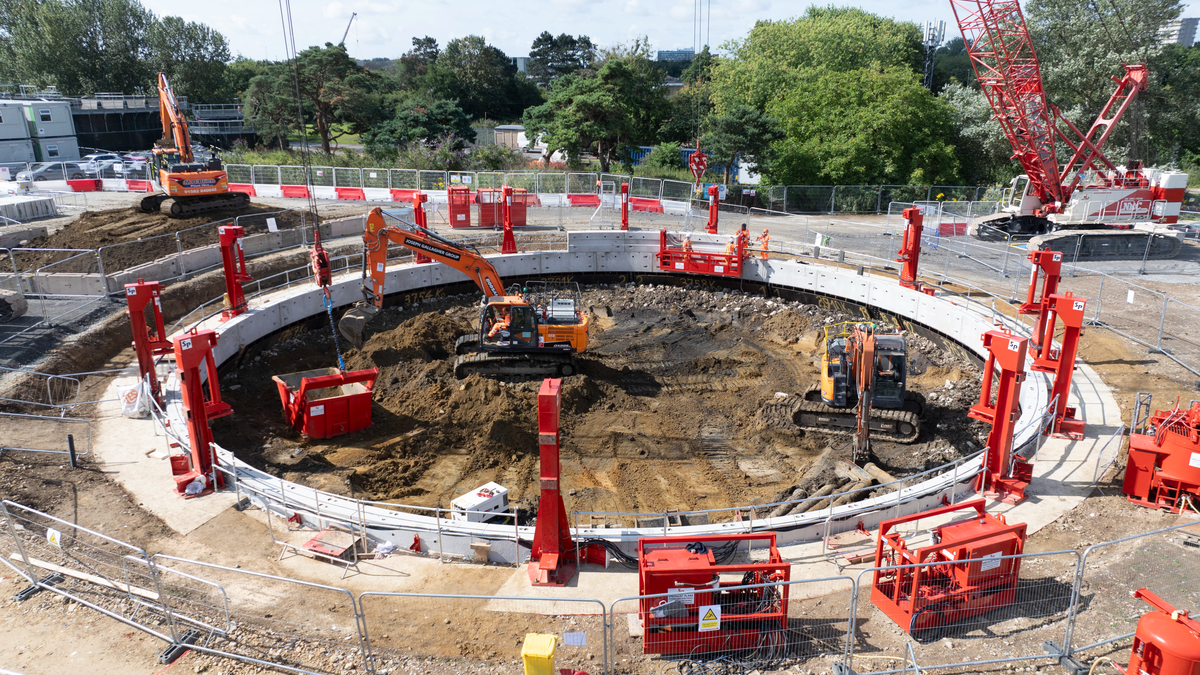
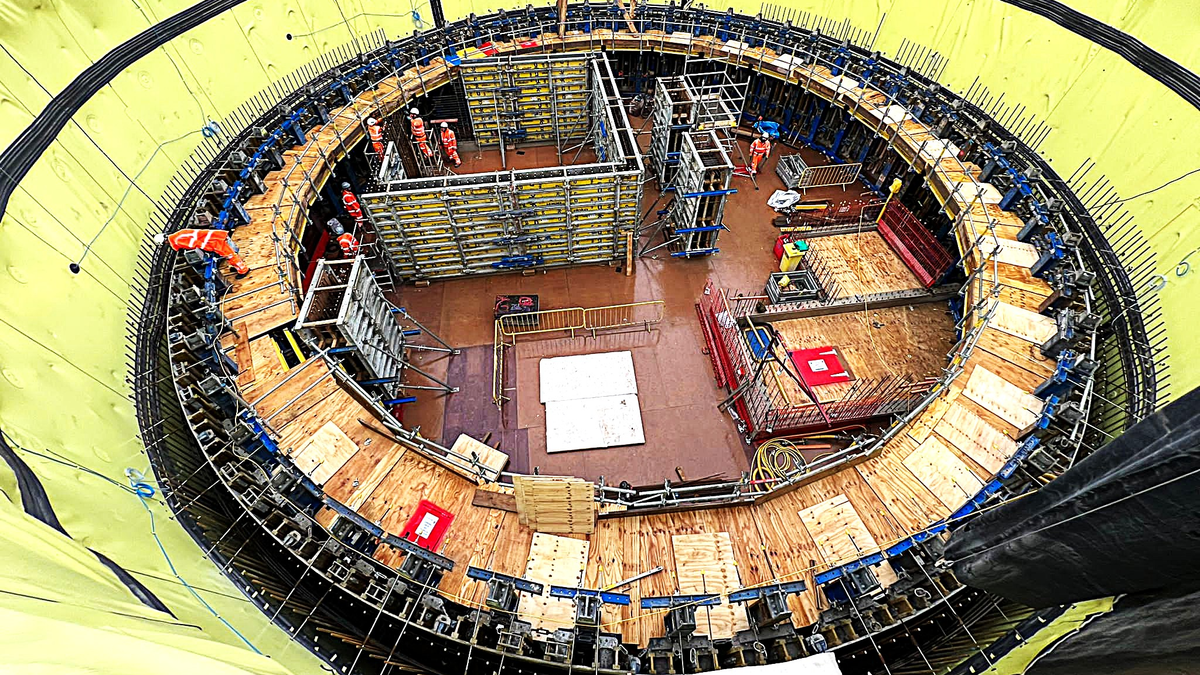
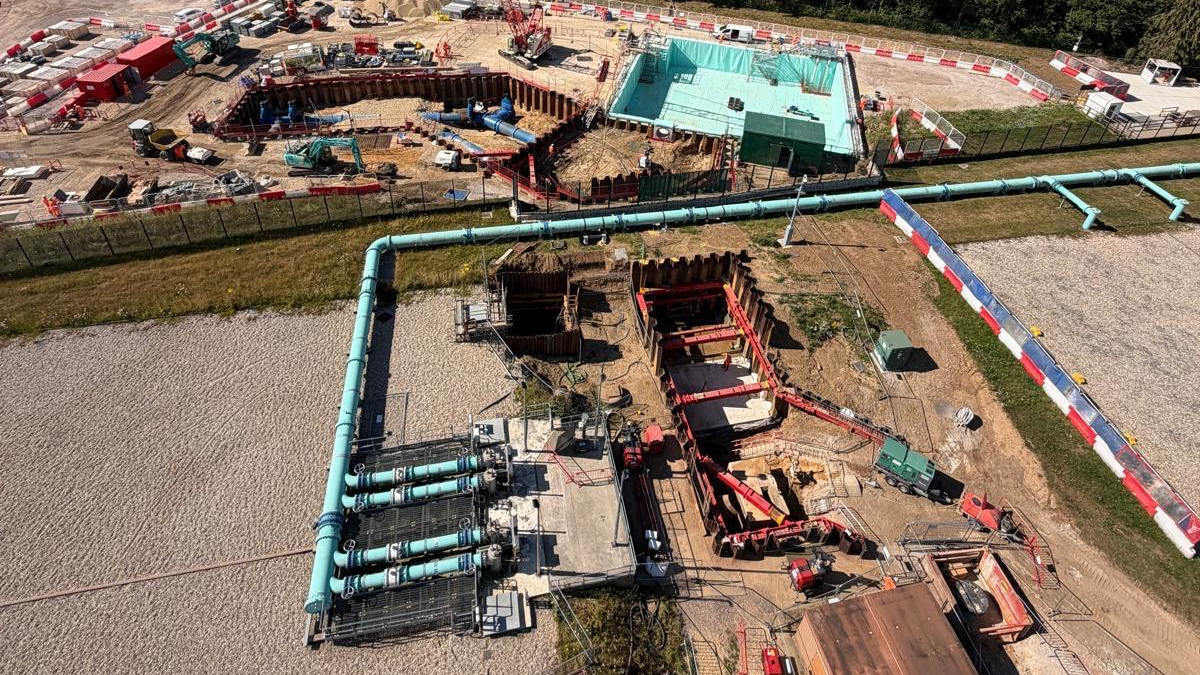
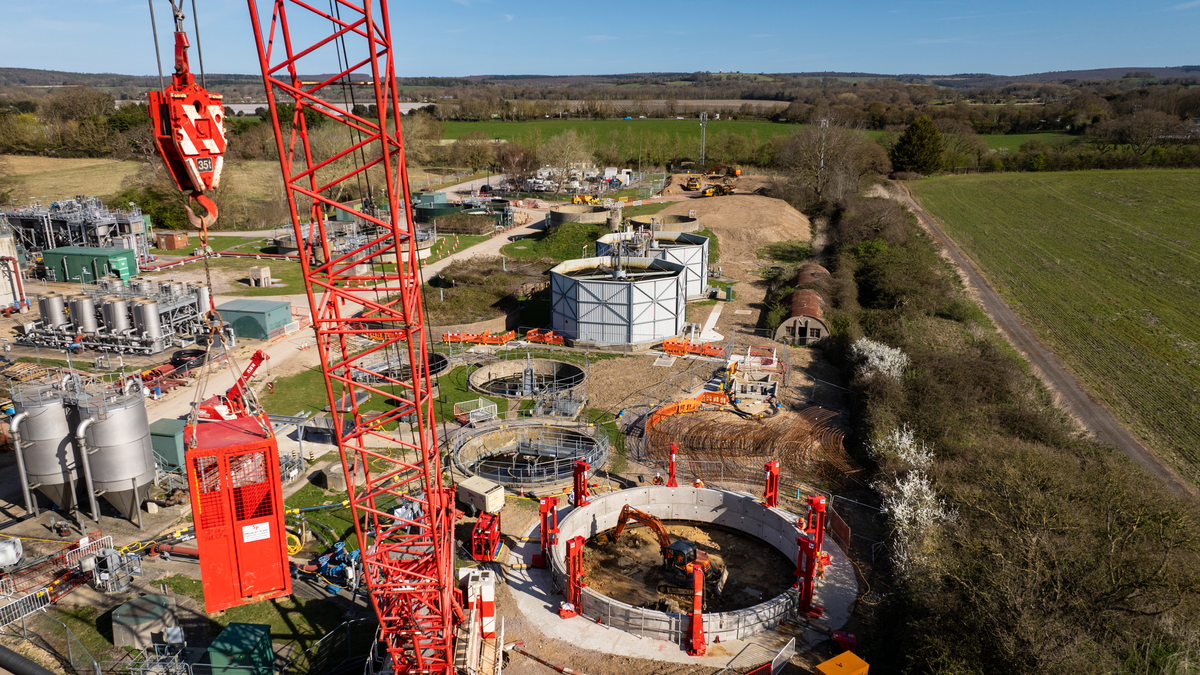
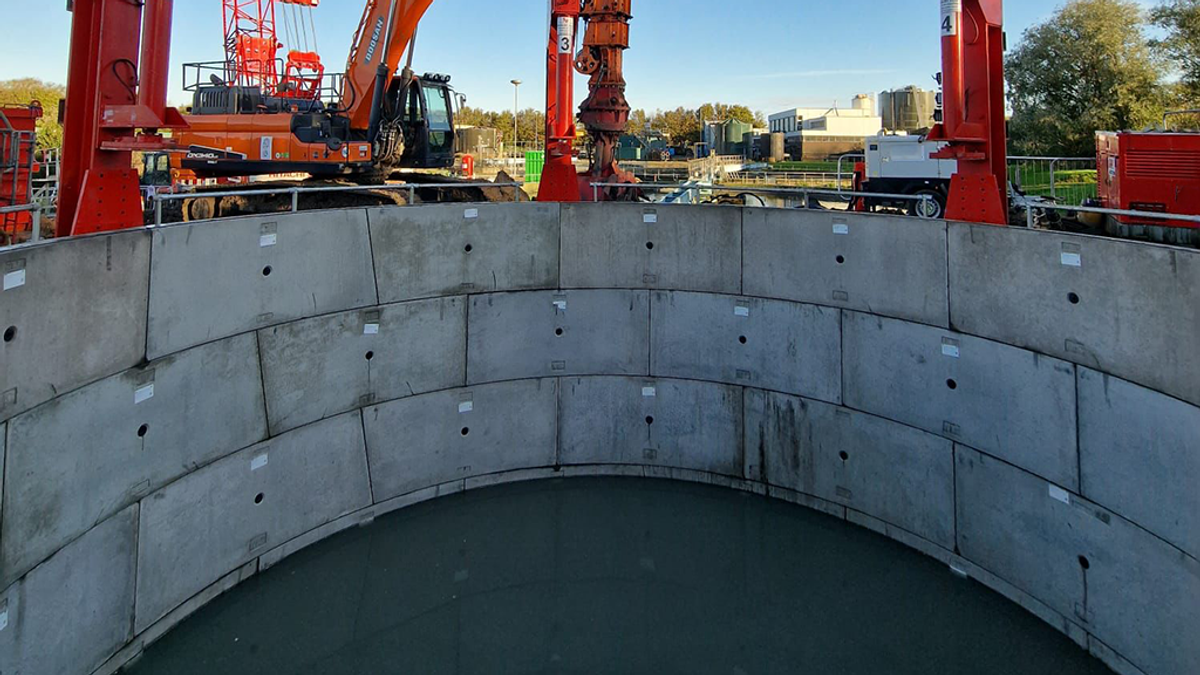
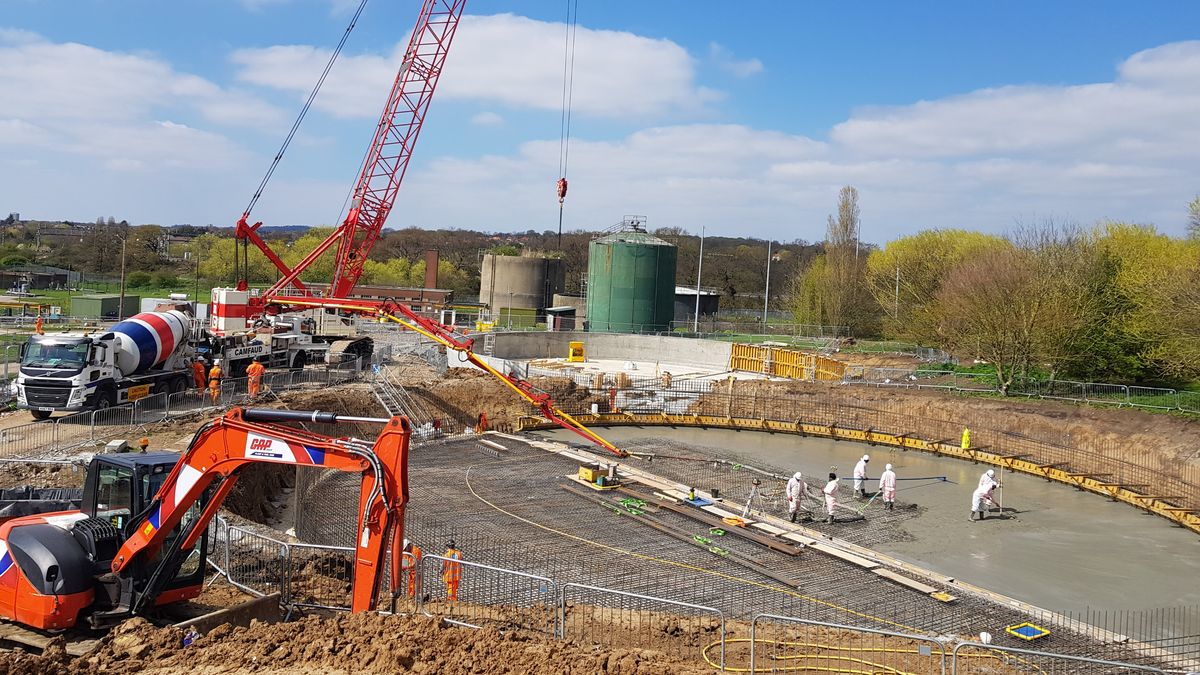
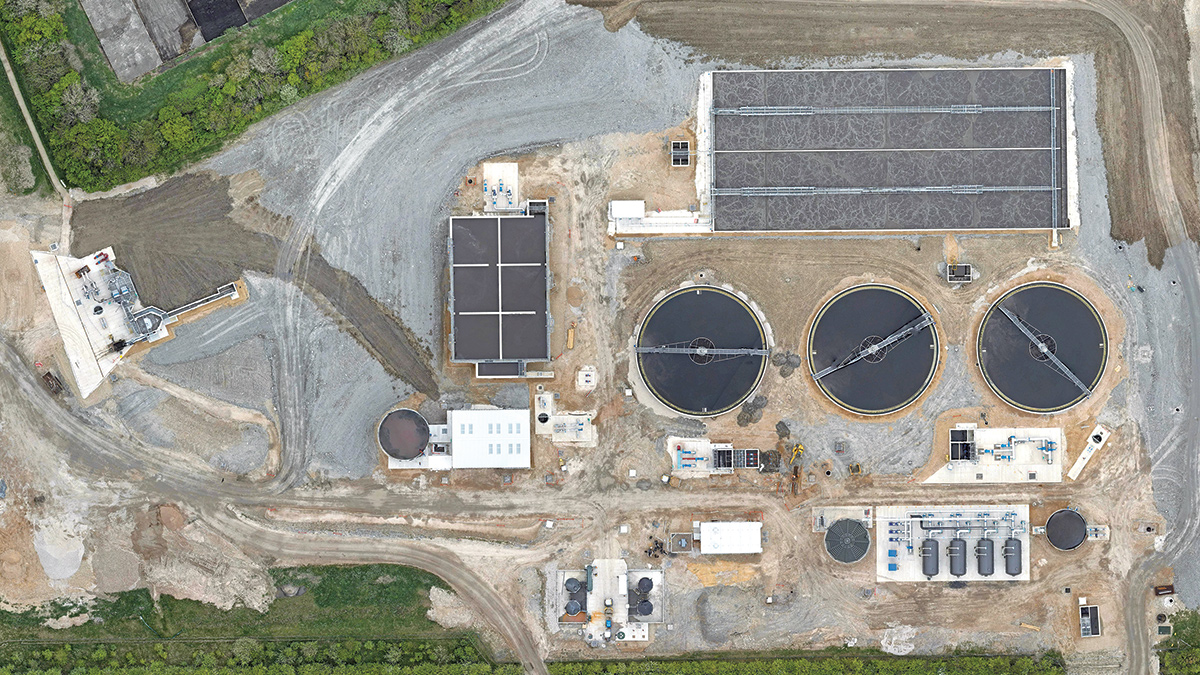
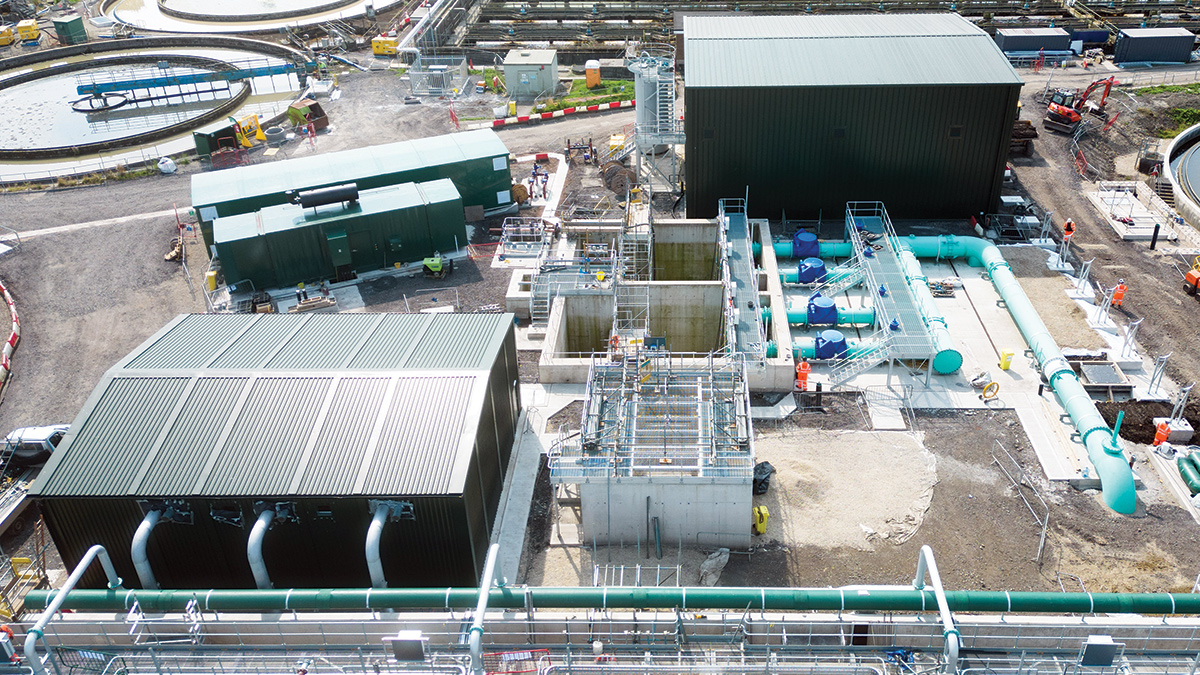
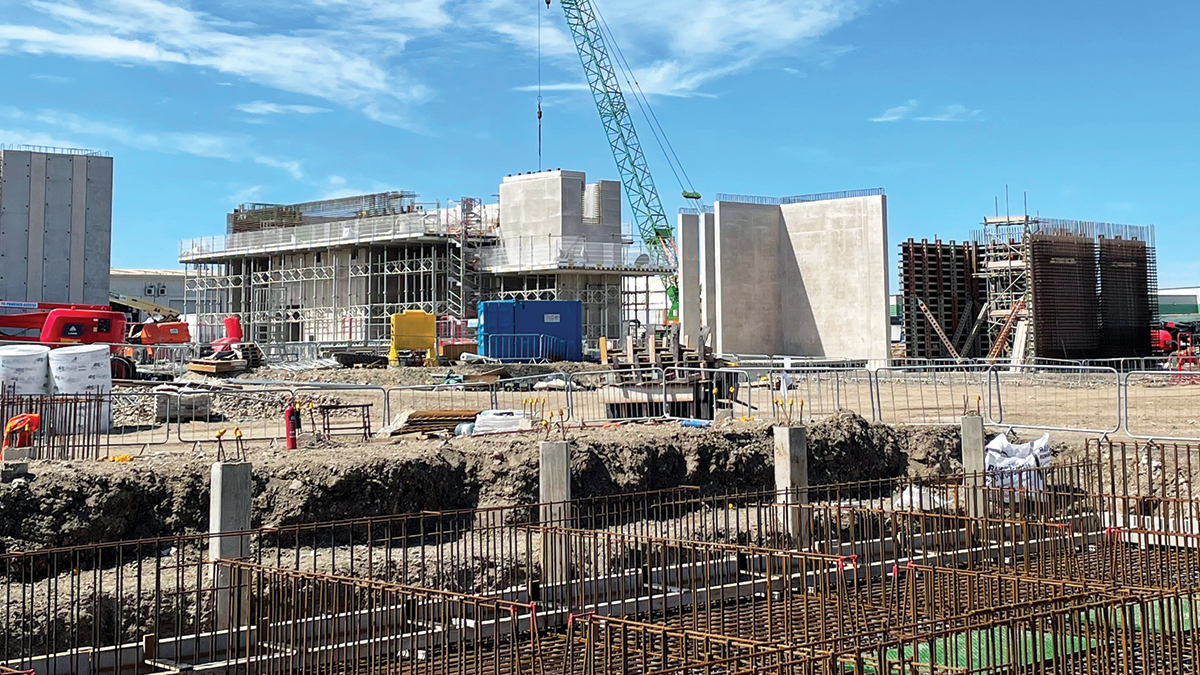
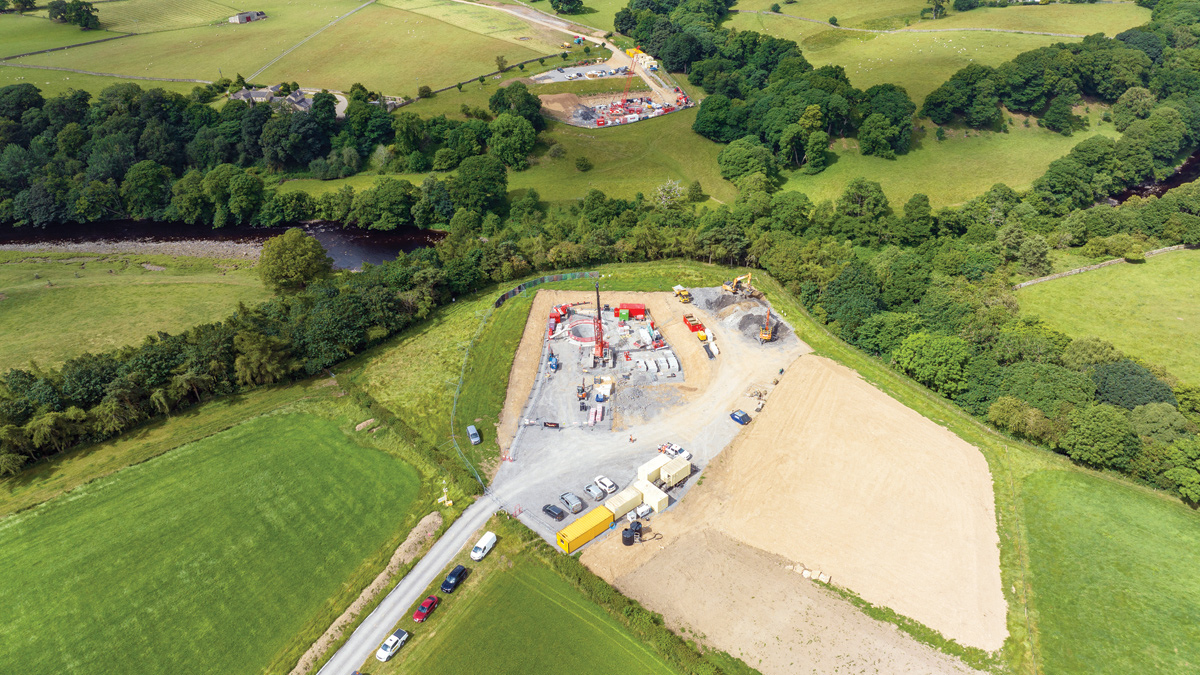
Construction of the new 1,845m³ storm tank at Ashford WTW, where innovative design changes enabled safe delivery despite unexpected groundwater conditions and challenging site constraints.
The Challenge
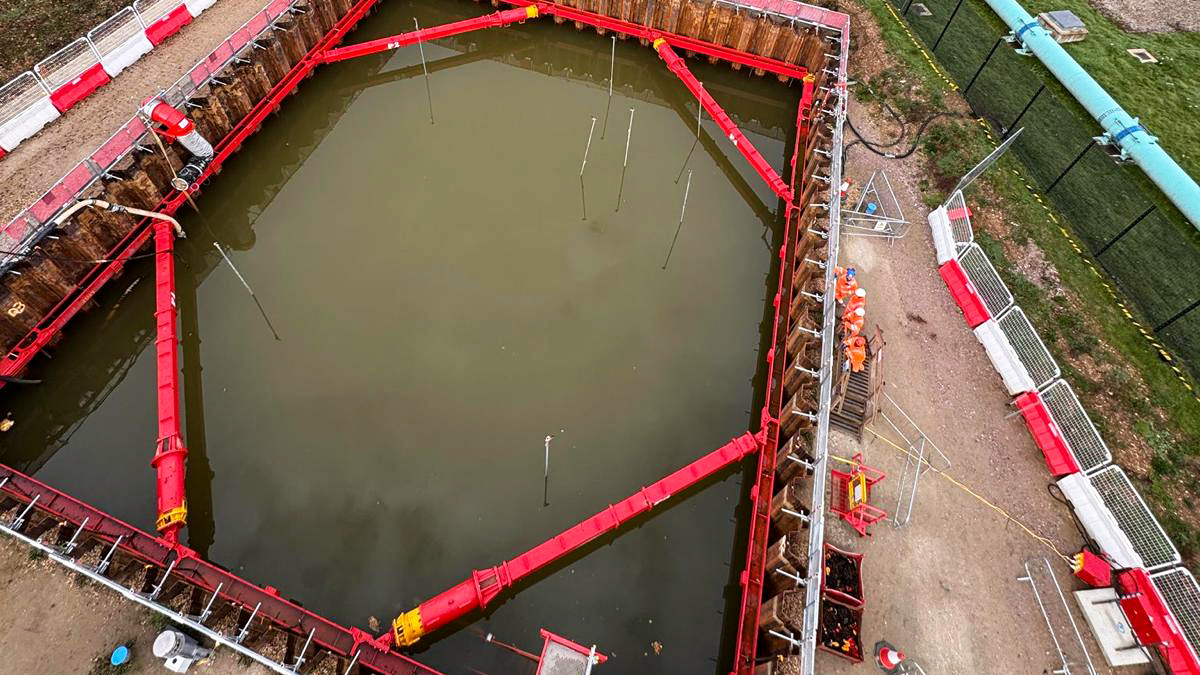
During shaft construction, groundwater levels were found to be significantly higher than indicated by the site investigation borehole data. The original design relied on a dry caisson construction methodology in unsaturated ground; however, the unexpected groundwater conditions threatened shaft stability, construction tolerances and programme certainty. A wet caisson approach was considered but presented increased technical risk due to the shaft’s large diameter.
In addition, the construction of the weir chamber and pipework required the exposure and support of two live high-voltage cables, under strict client-imposed safety controls, including a 10m exclusion zone and limited personnel access. A further challenge arose when a medium-pressure gas main was identified within the proposed shaft location, requiring a rapid redesign.
Our Solution
Drawing on experience from similar schemes, JGL worked collaboratively with CMDP JV to develop a revised shaft design. By raising the surrounding ground levels, the shaft formation was positioned above the groundwater strike level, allowing the structure to continue as a dry caisson. This removed the need for an enlarged base plug, replacing it with a simpler 1m thick structural slab, while reducing the number of shaft rings from six to five without affecting storage capacity.
Following the discovery of the gas main, JGL’s design team quickly assessed alternative locations and implemented a compliant redesign, avoiding disruption to the wider programme. Detailed planning and strict safety controls also enabled the safe exposure and support of the high-voltage cables during weir chamber construction.
Added Value and Benefits
The team presented the client with multiple construction options, clearly outlining the risks, costs and programme implications of each. The selected solution delivered:
- Reduced construction risk by avoiding wet caisson installation.
- Simplified shaft construction and reduced material requirements.
- Maintained the original storage capacity and operational performance.
- Minimized programme delays through rapid design adaptation.
- Ensured safe working around critical buried utilities.
- Delivered a high-quality asset through robust quality assurance and collaborative project delivery.
The project demonstrates JGL’s ability to respond effectively to unforeseen site conditions, develop practical engineering solutions and maintain progress while prioritising safety, quality and value for the client.
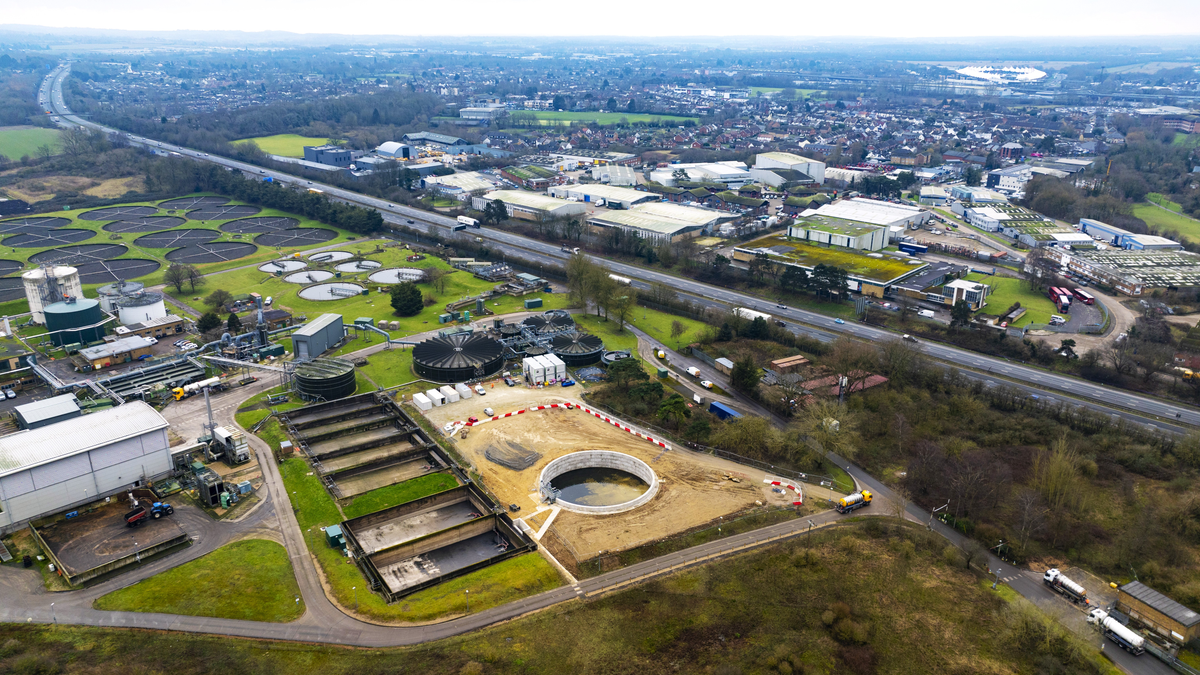
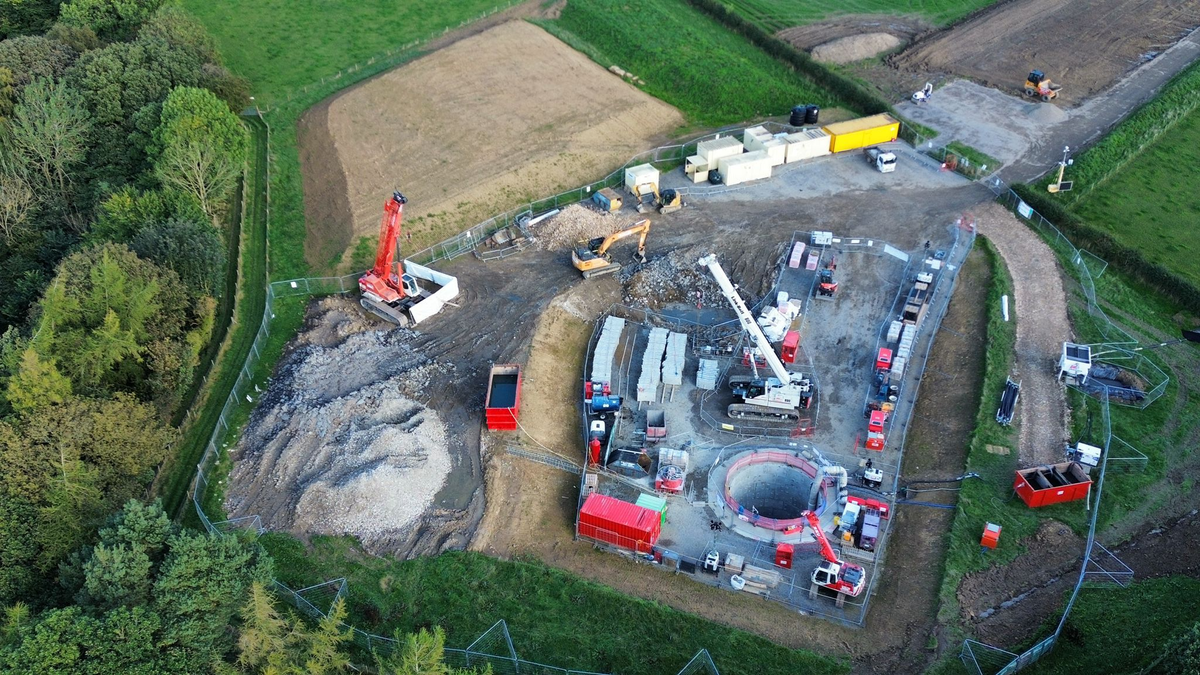
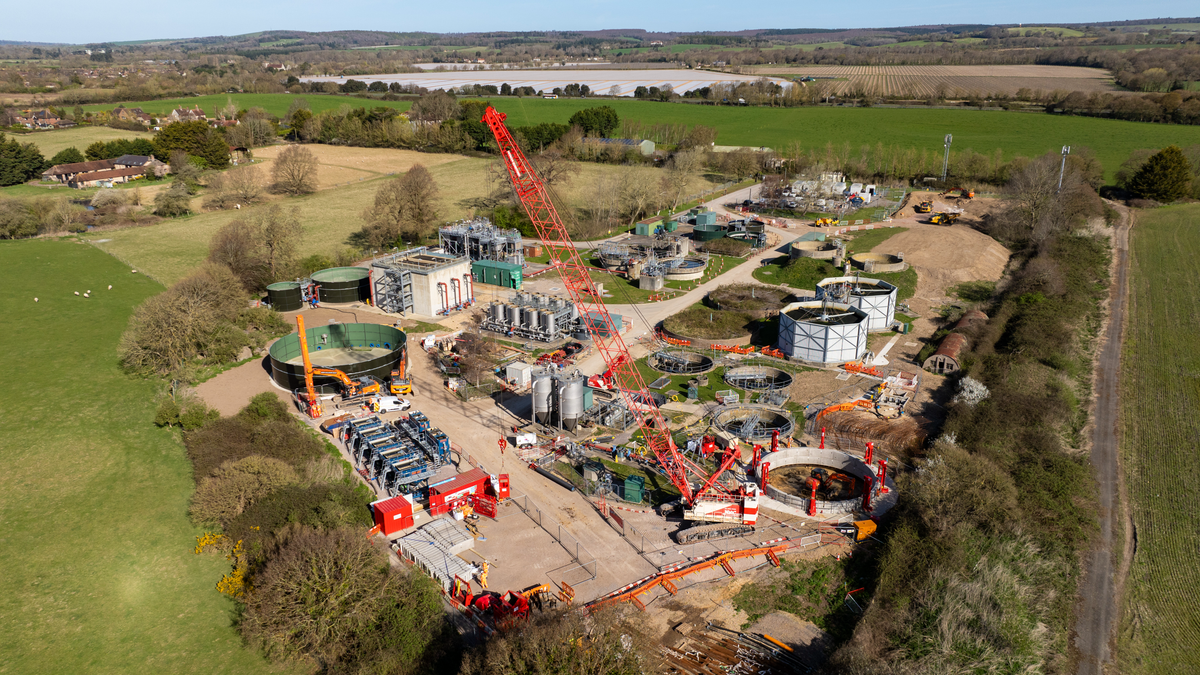
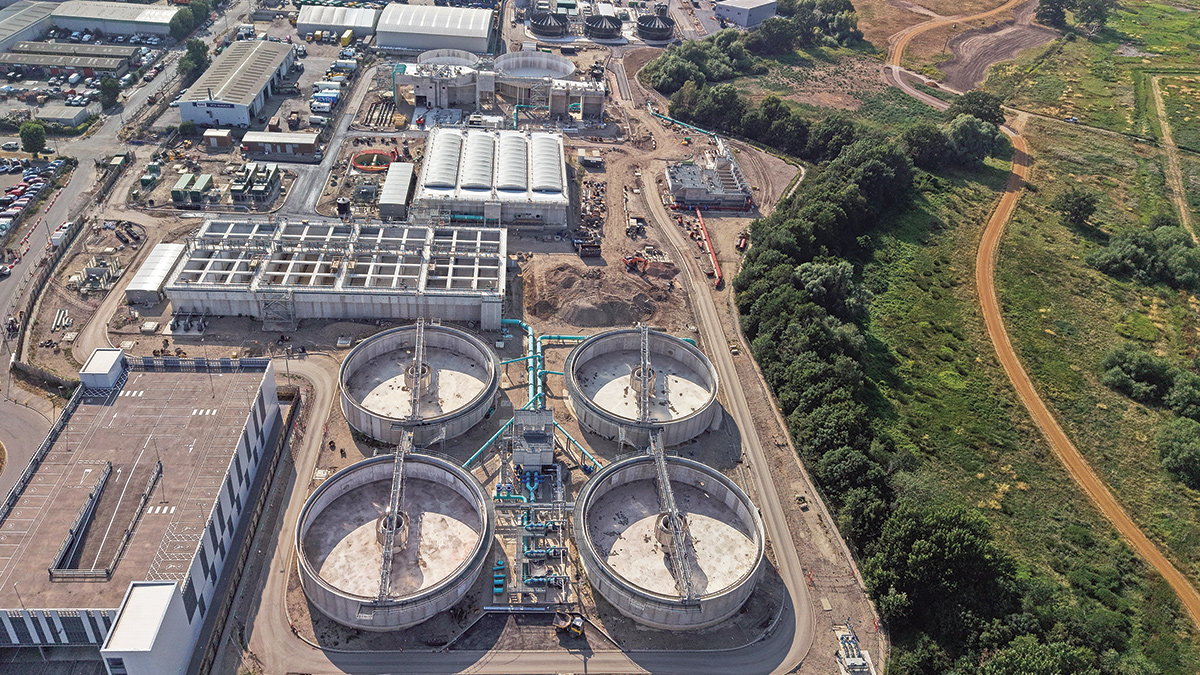
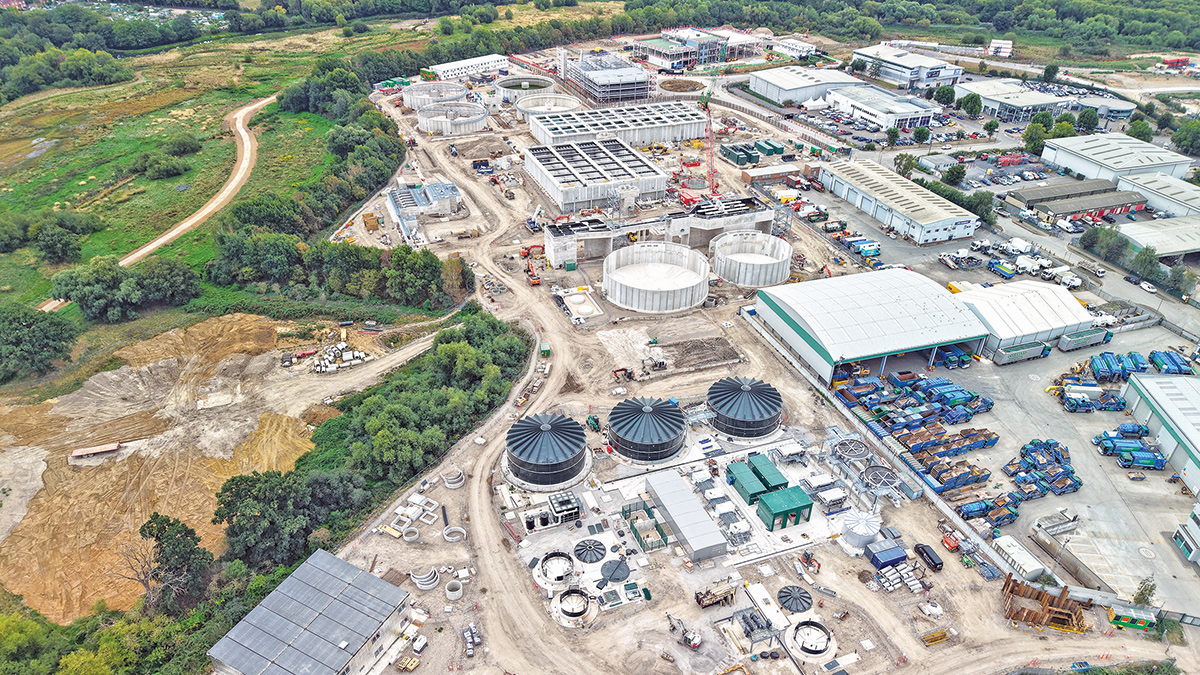
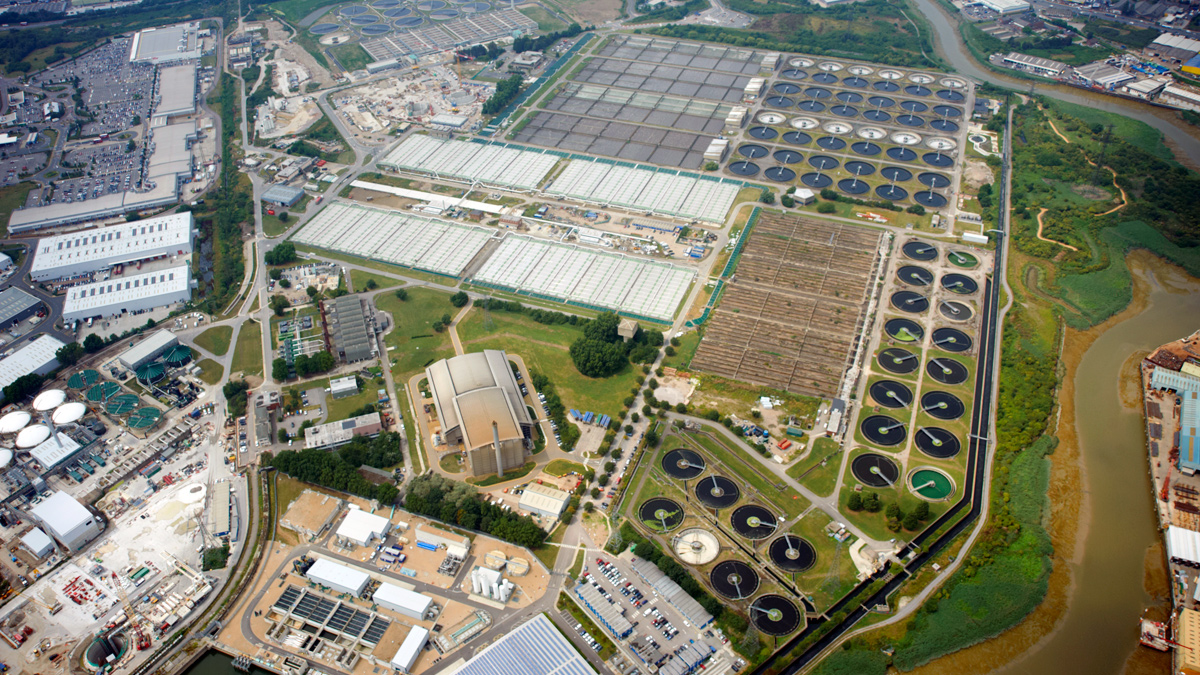
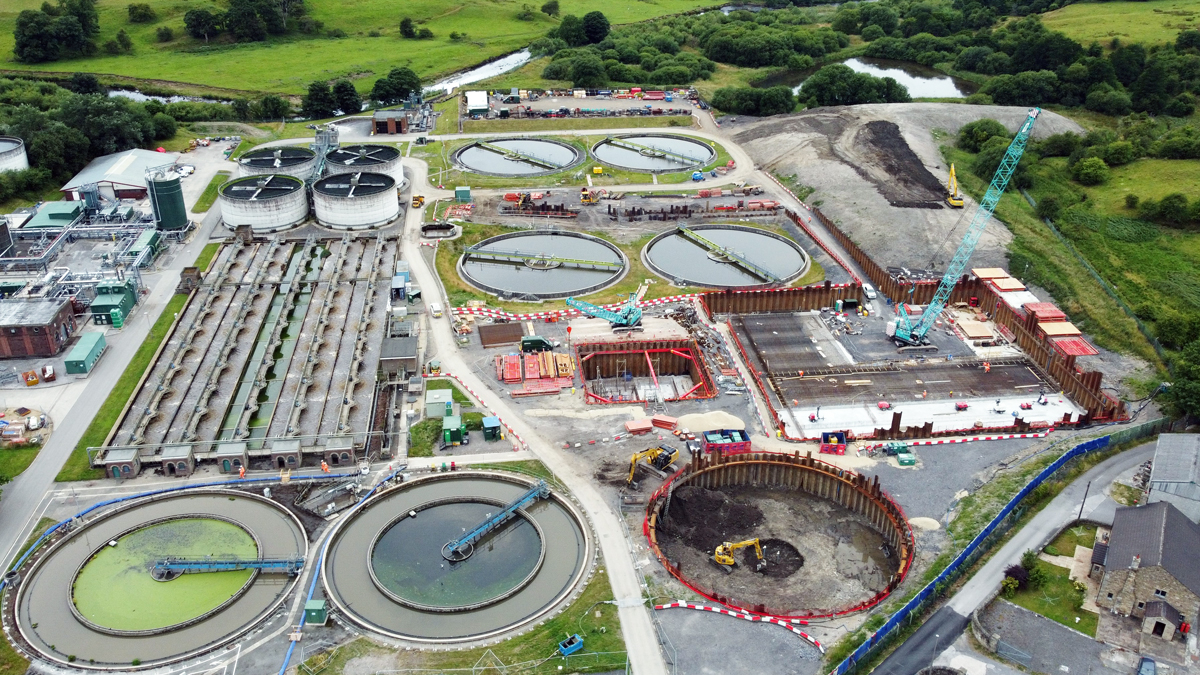
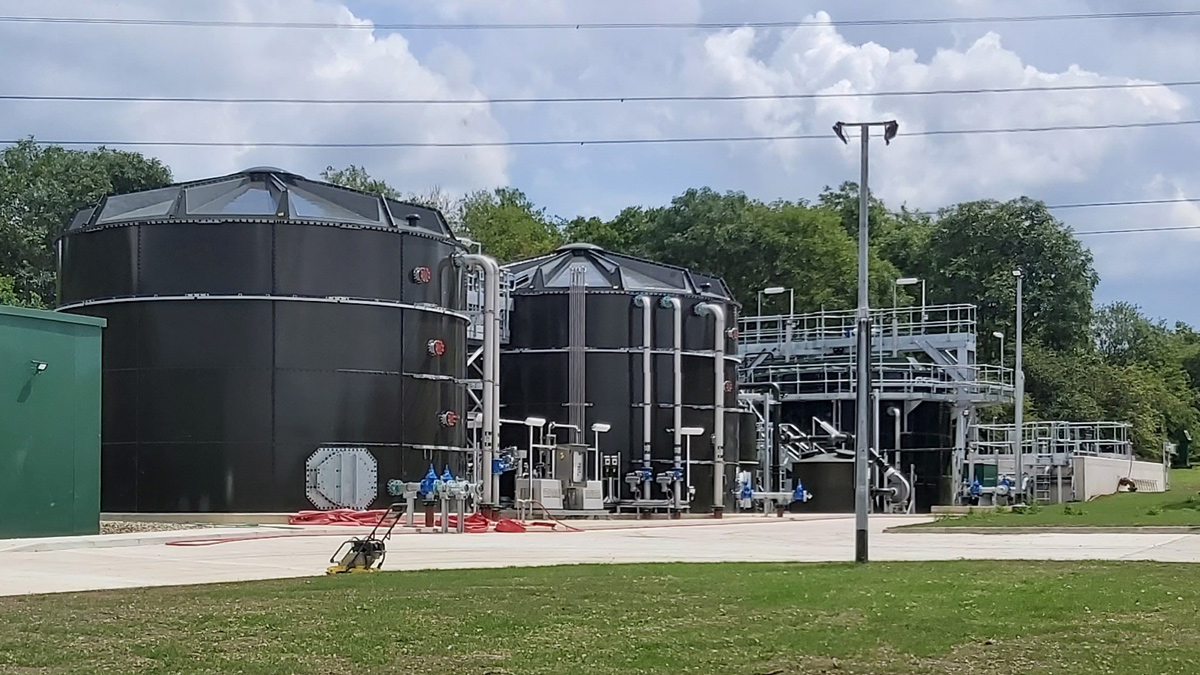
Aerial view of the finished storm tank installation at Ashford WTW, successfully delivered despite challenging ground conditions and utility constraints.
For More Information, contact us at https://www.josephgallagher.co.uk/