
Gilbert Gilkes & Gordon Ltd
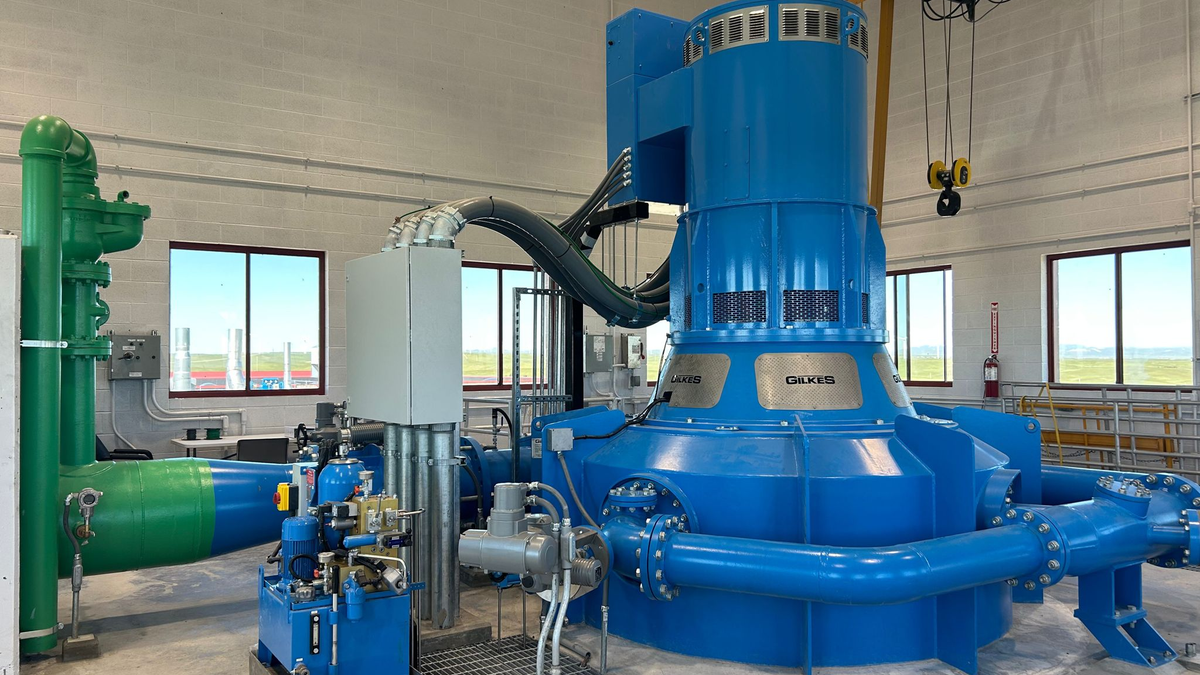
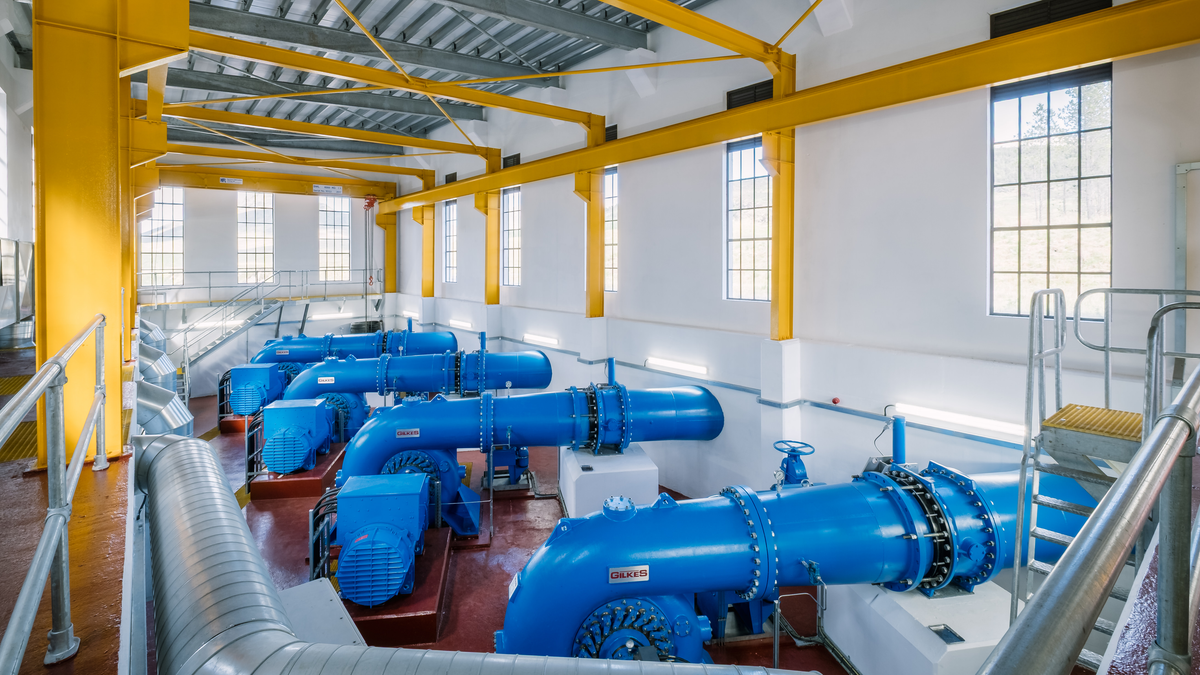
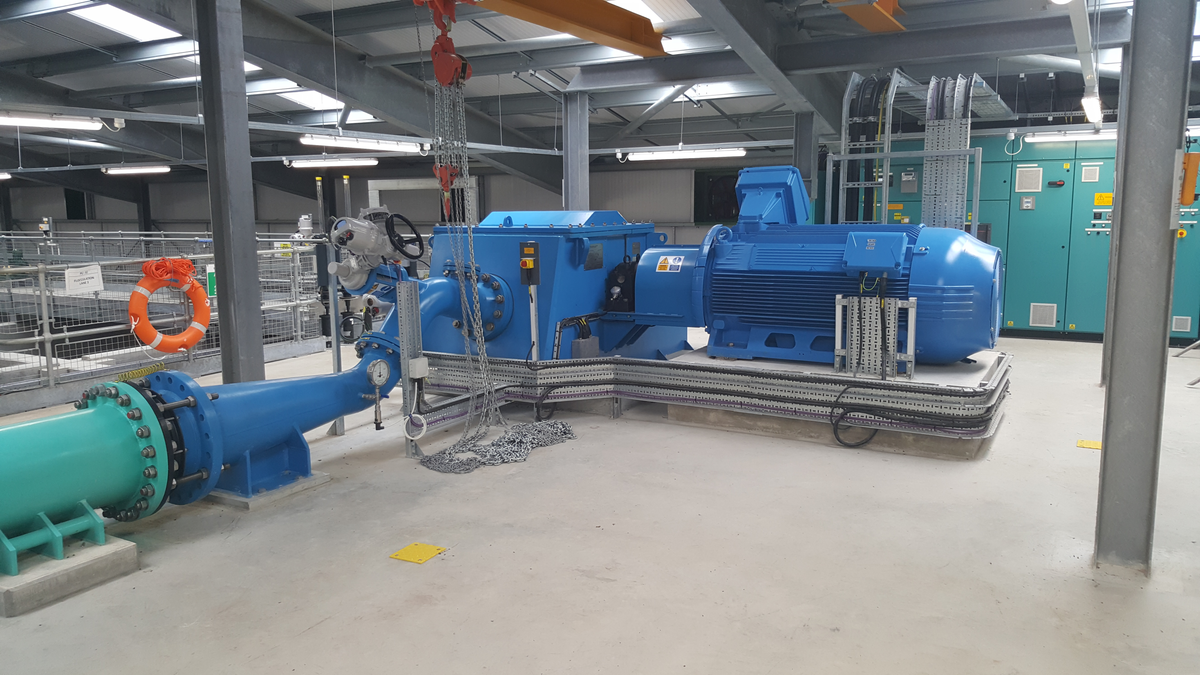
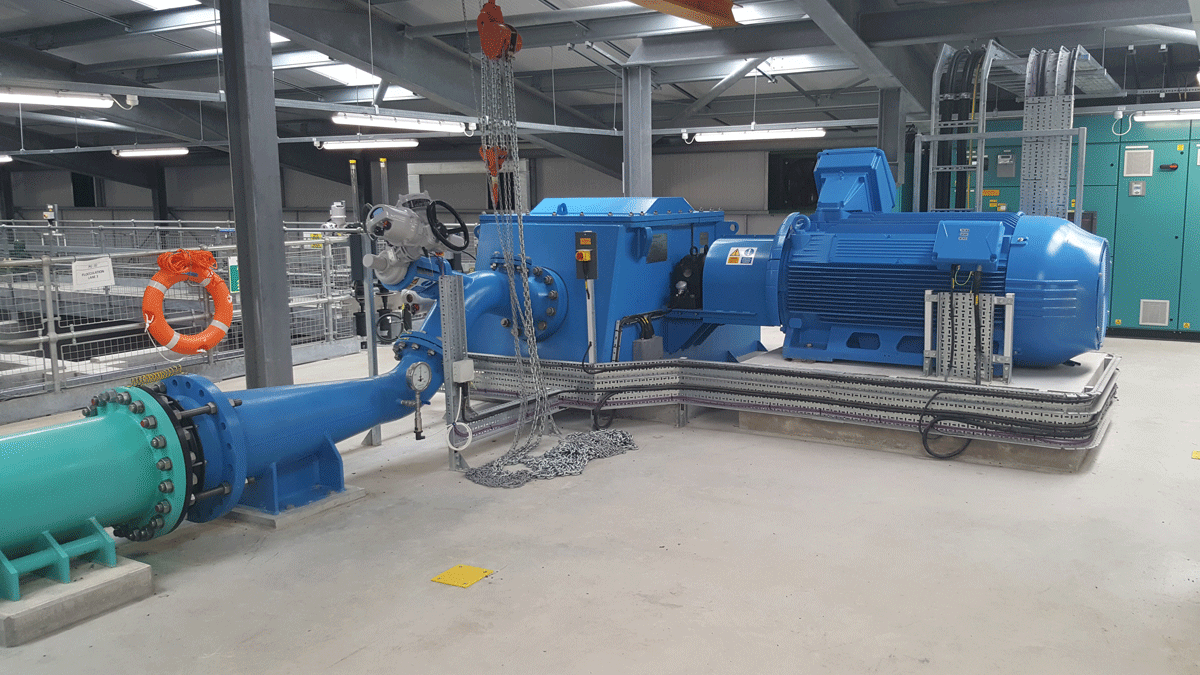
Sherard Water Treatment Plant, USA
Sherard Water Treatment Plant, USA
Key information
- Commissioned: 2023
- Turbine Type: Vertical 4 Jet Pelton
- Power: 867 kW
- Head: 149 metres
- Flow: 708 l/s
Gilkes Scope of supply
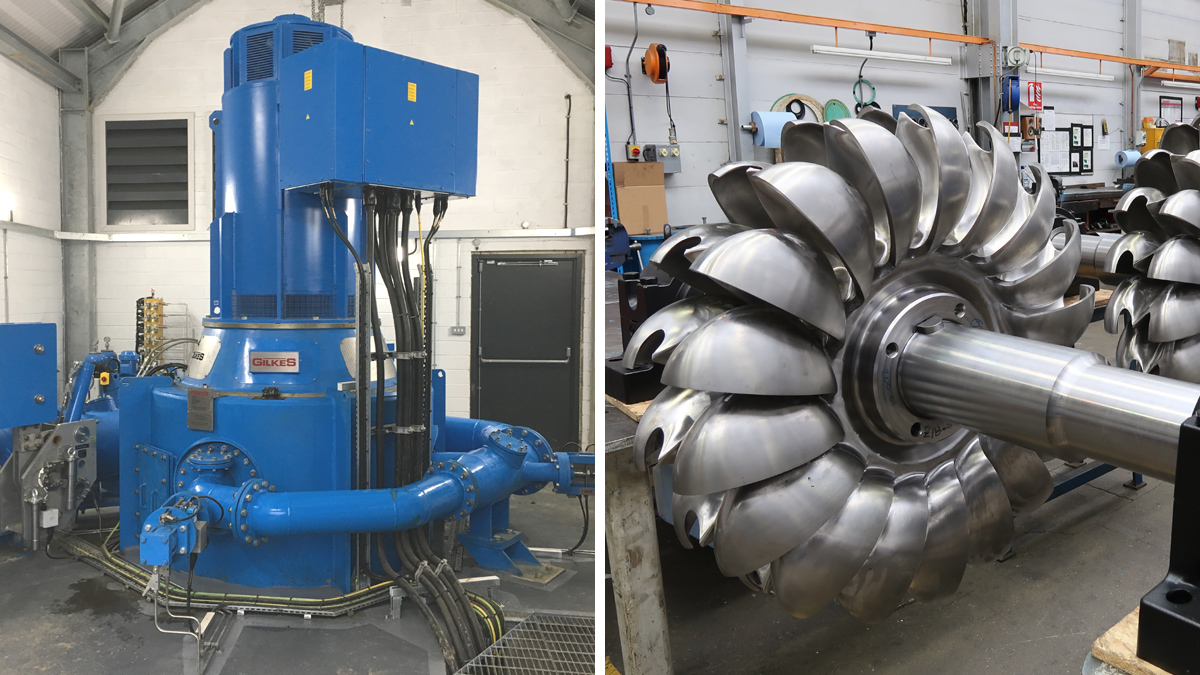
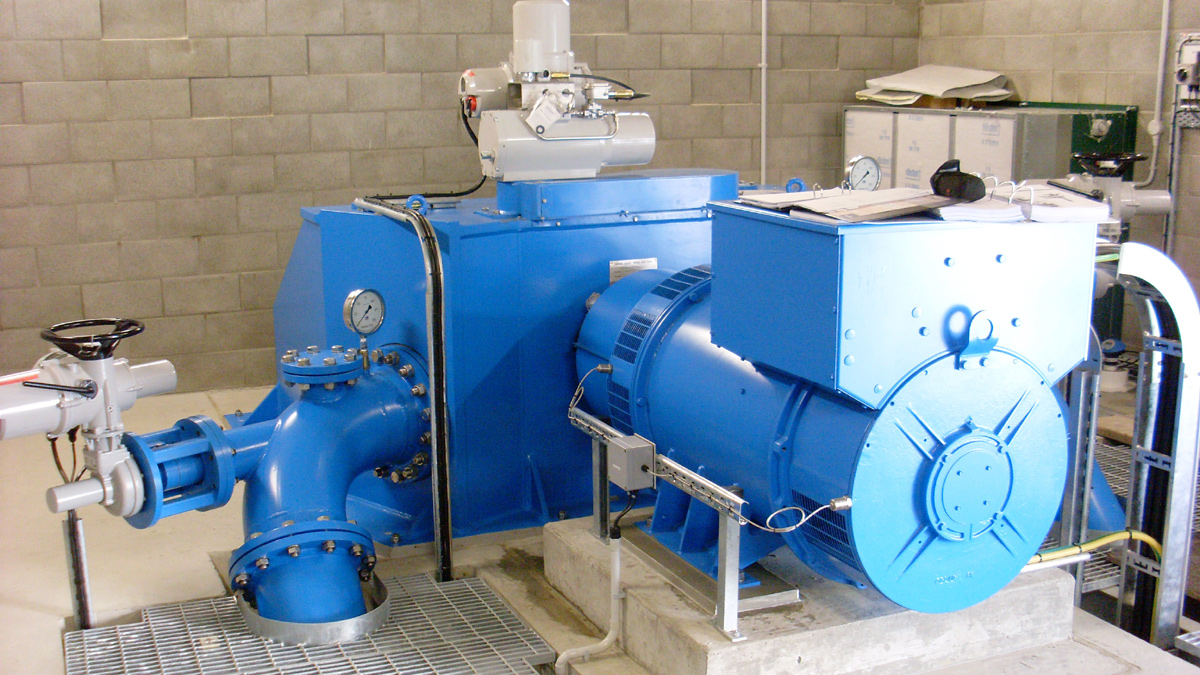
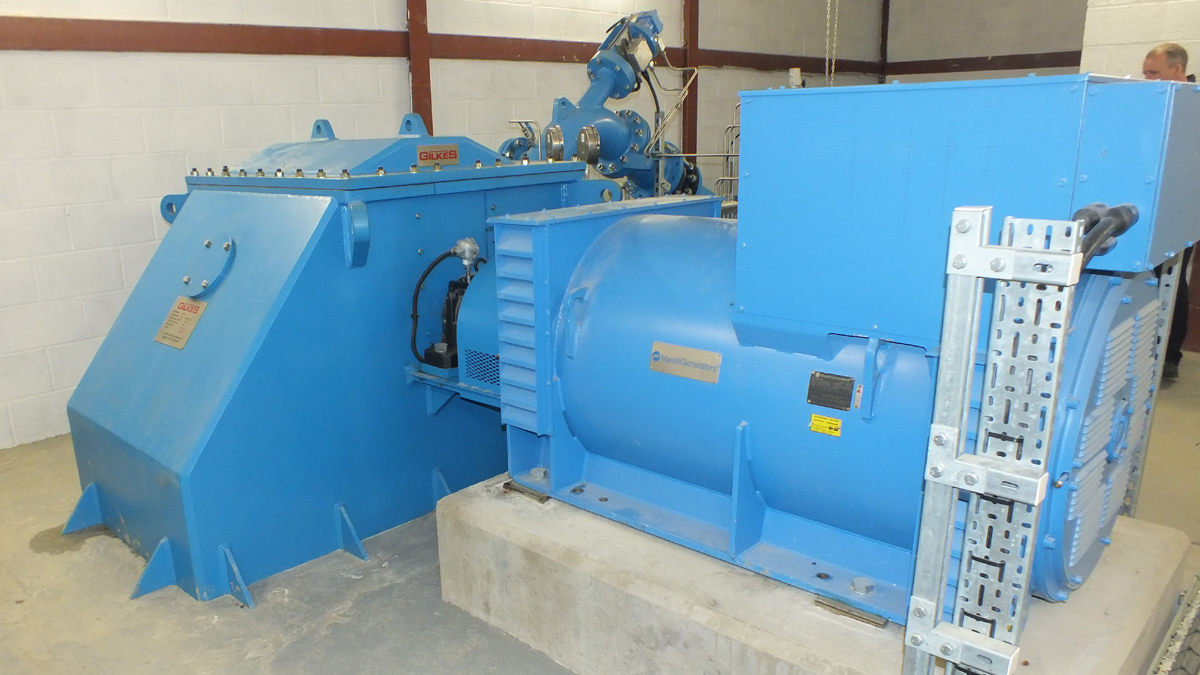
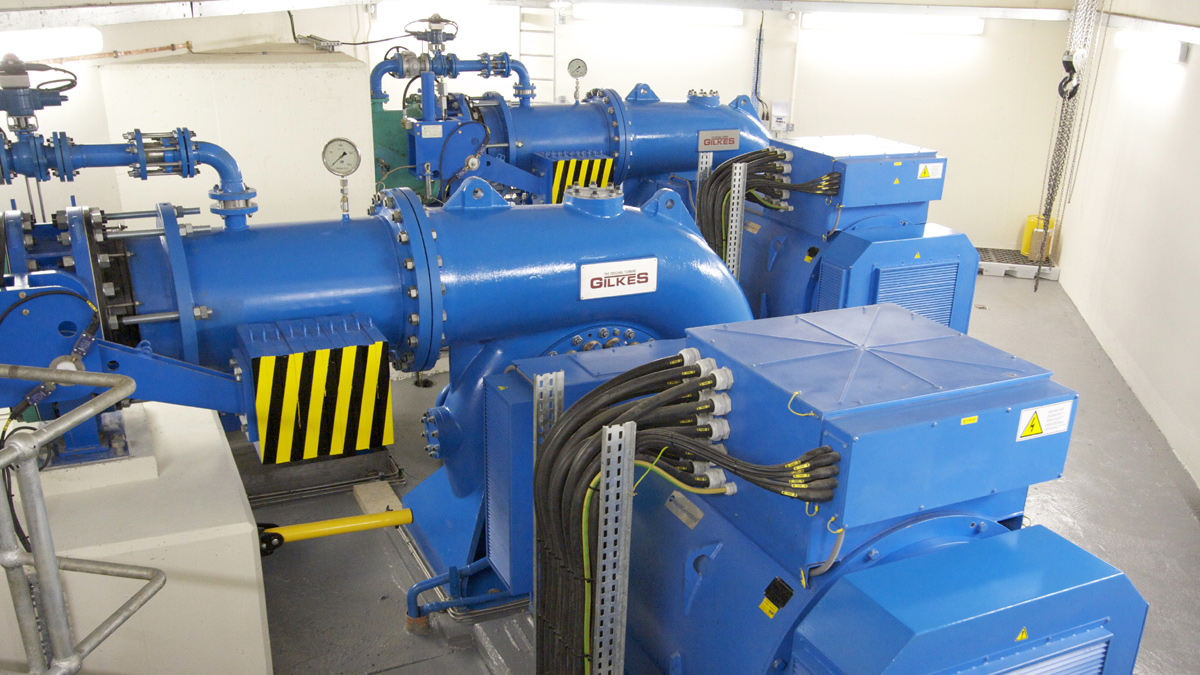
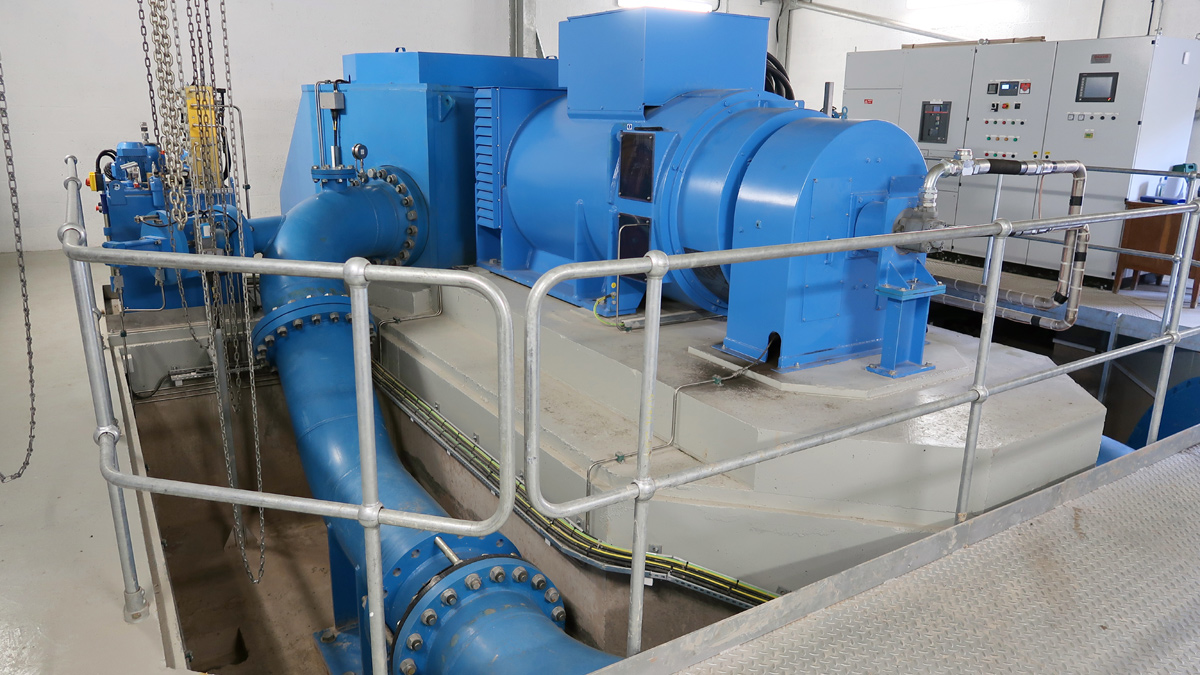
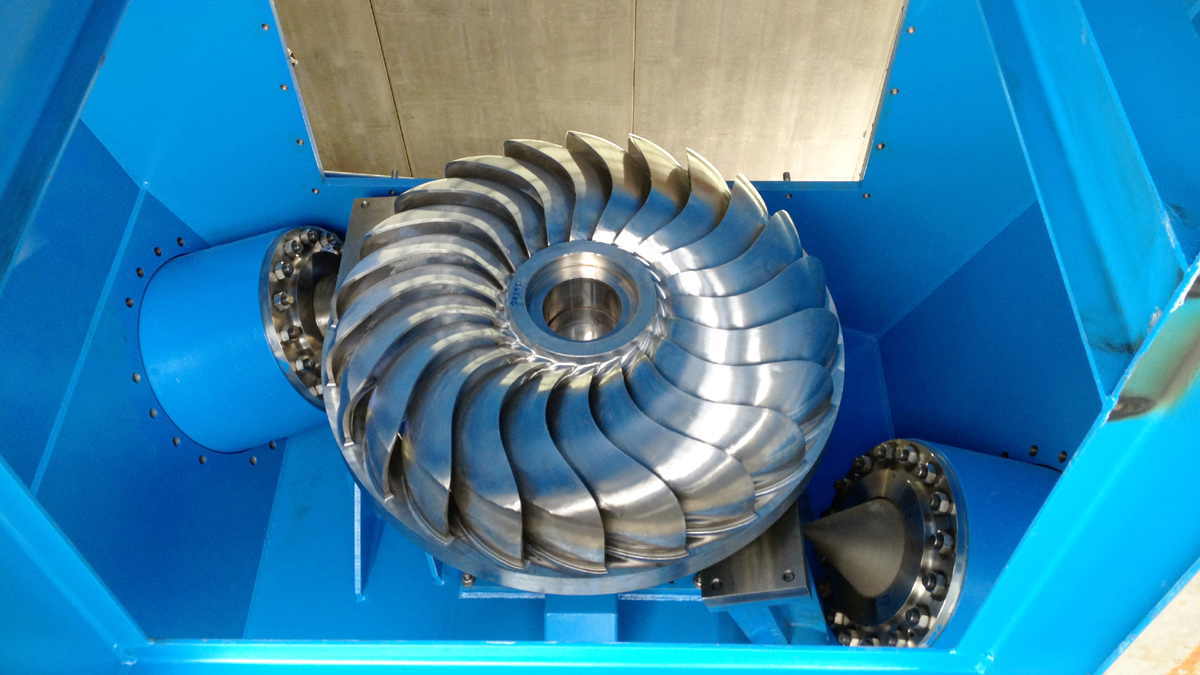
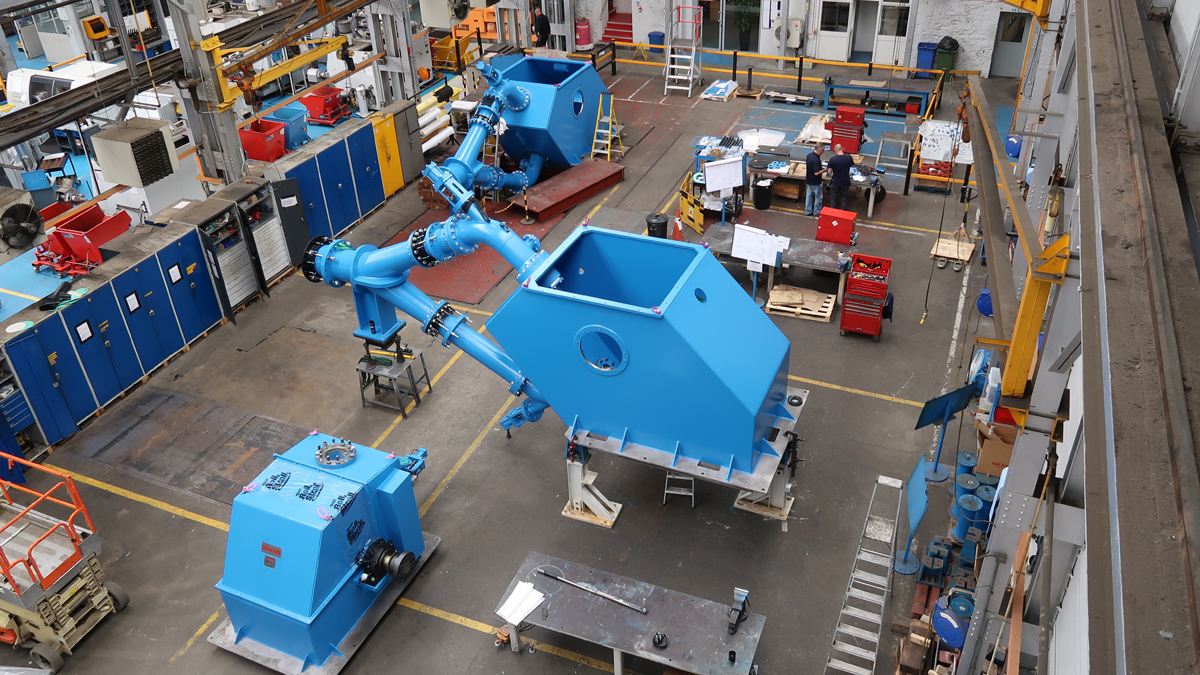
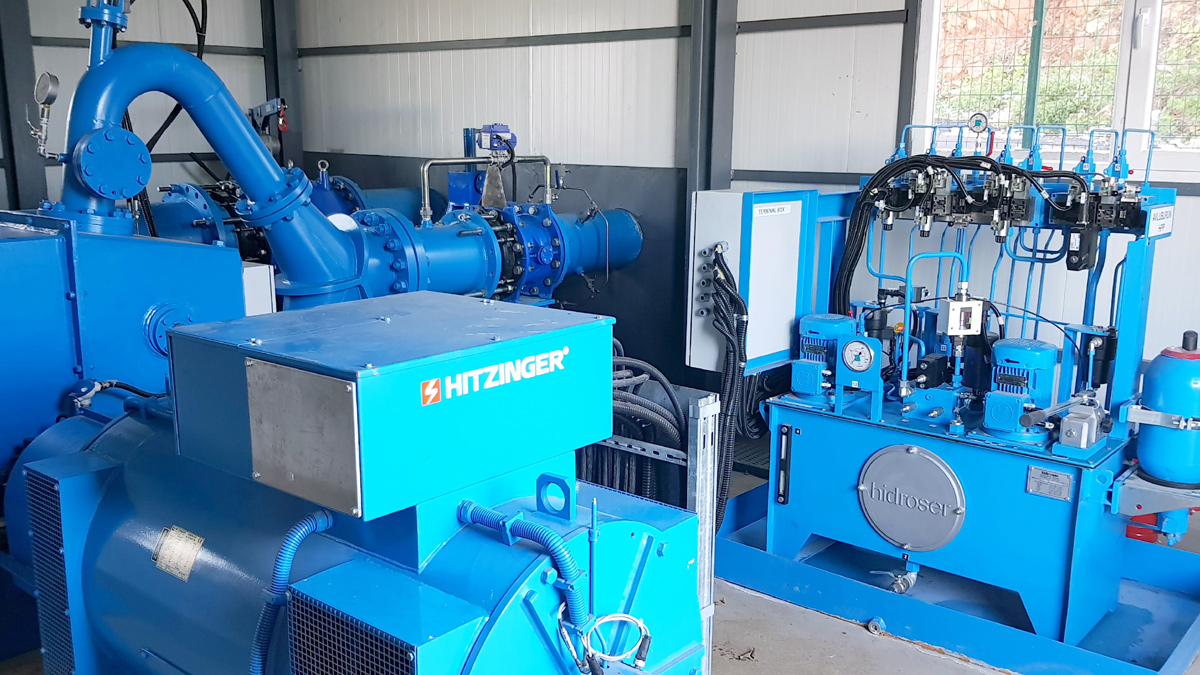
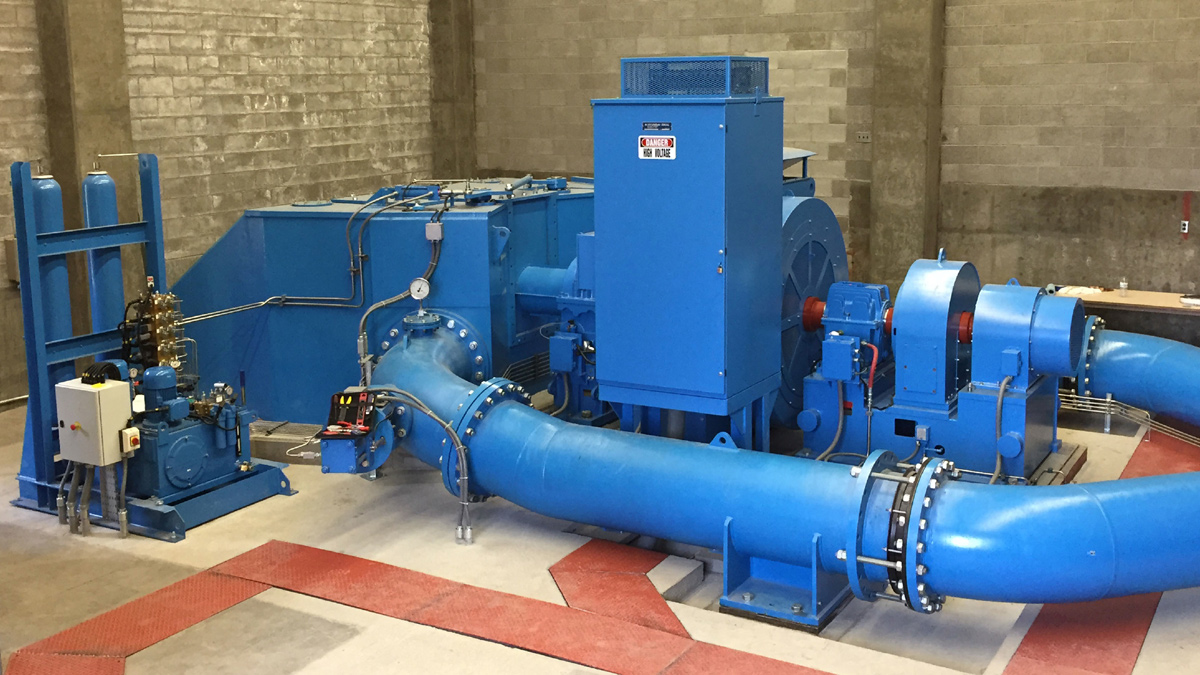
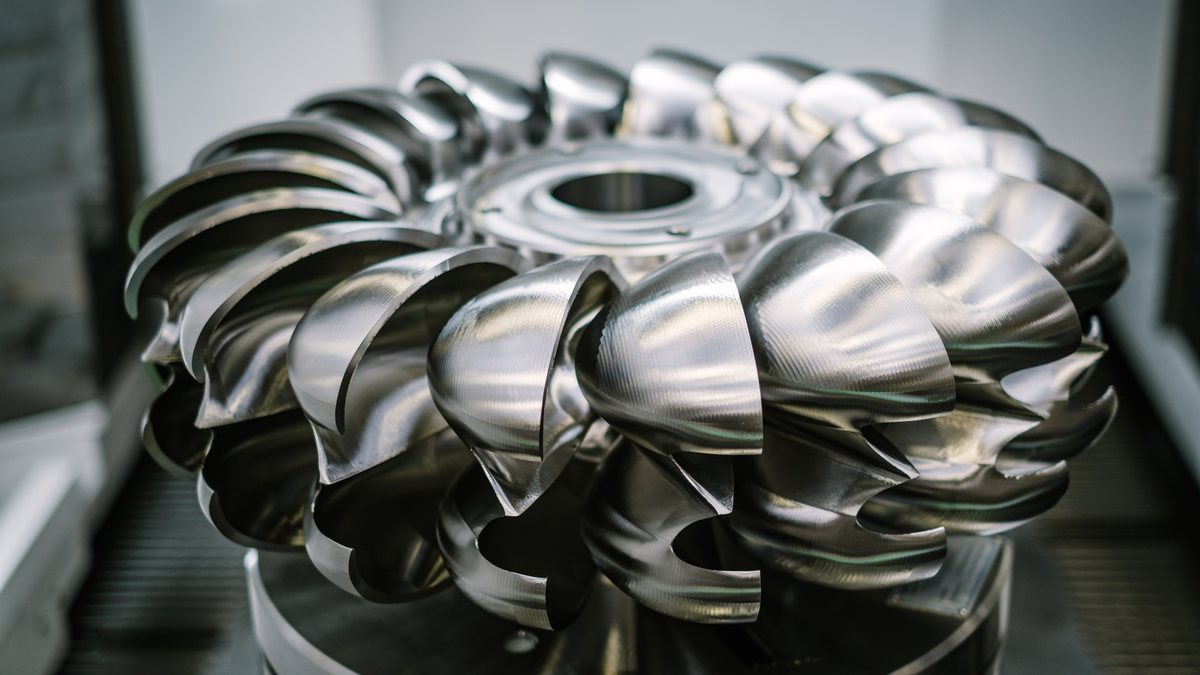
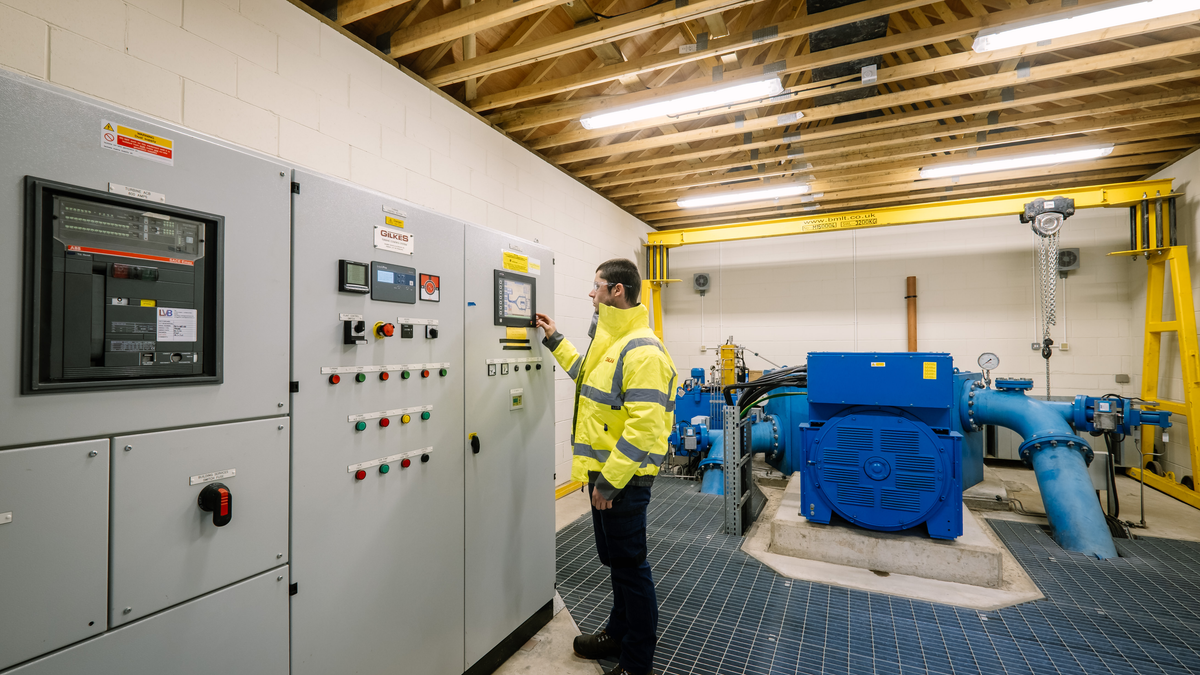
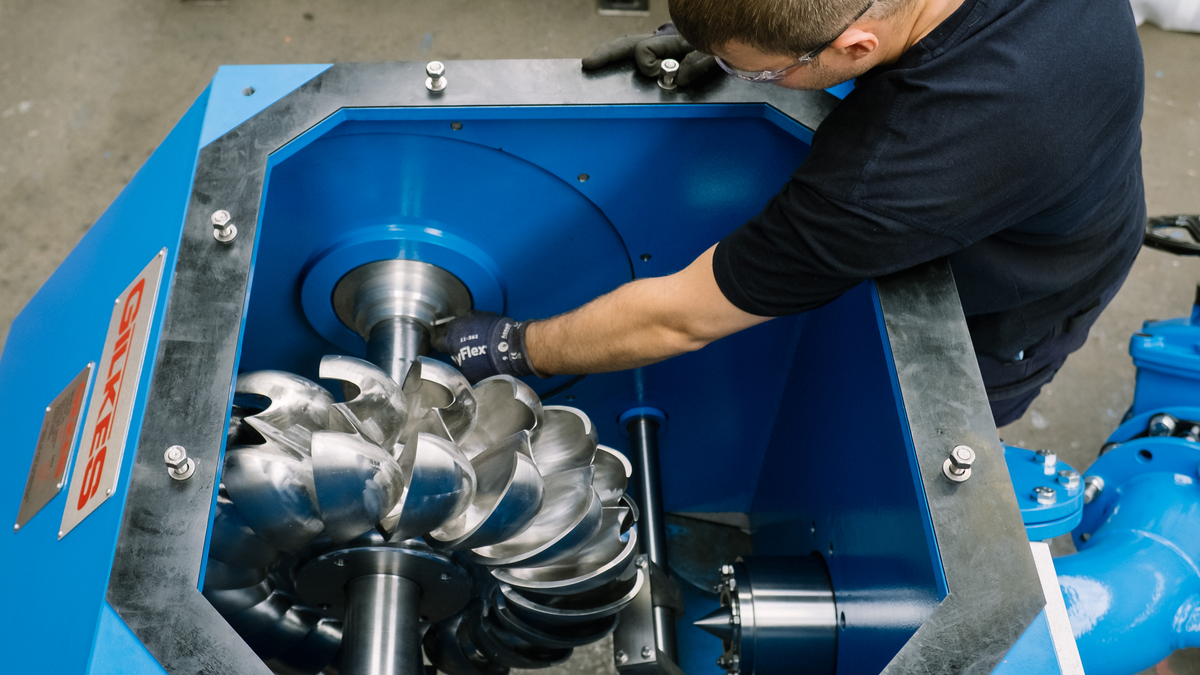
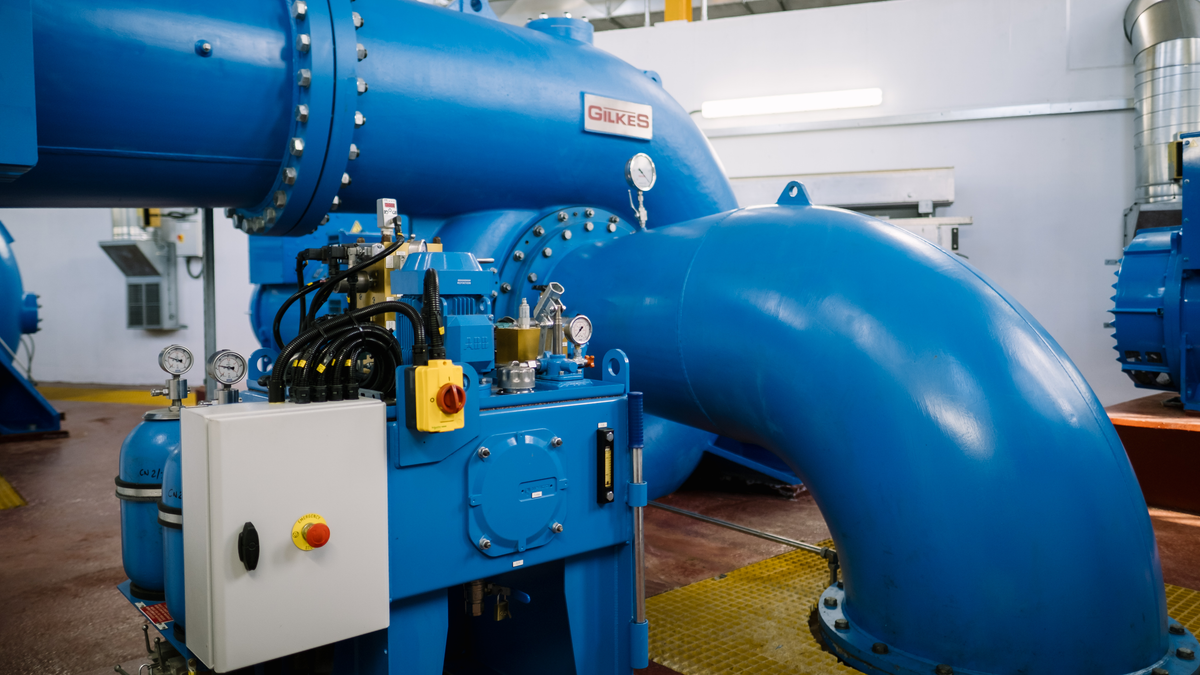
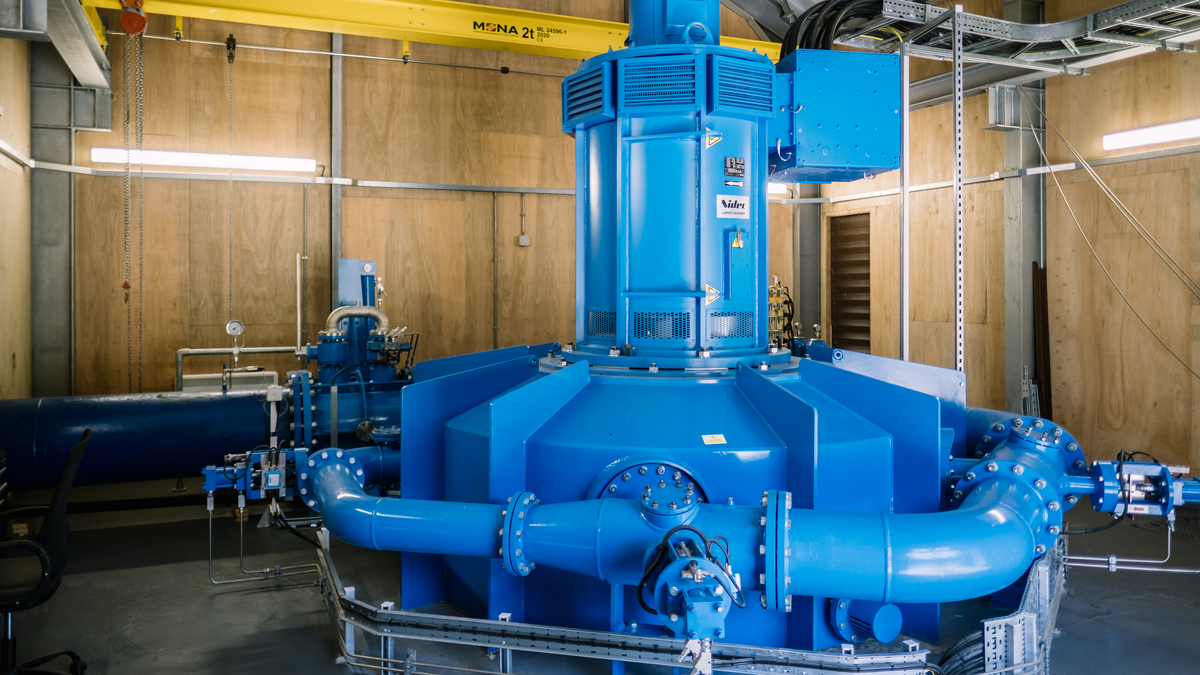
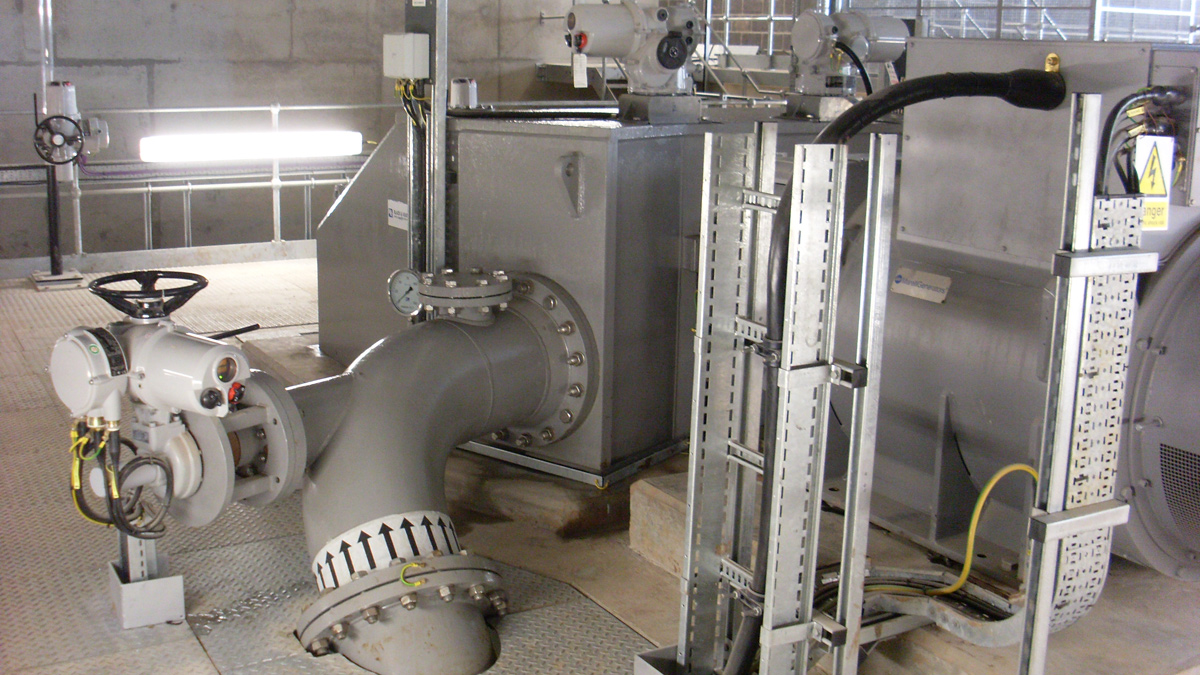
- 650mm Vertical 4 Jet Pelton Turbine
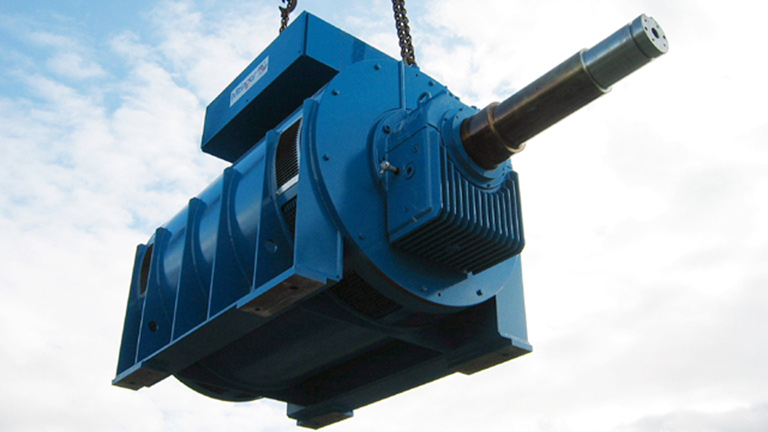
- Synchronous Generator, 950kVA, 480V, 720rpm
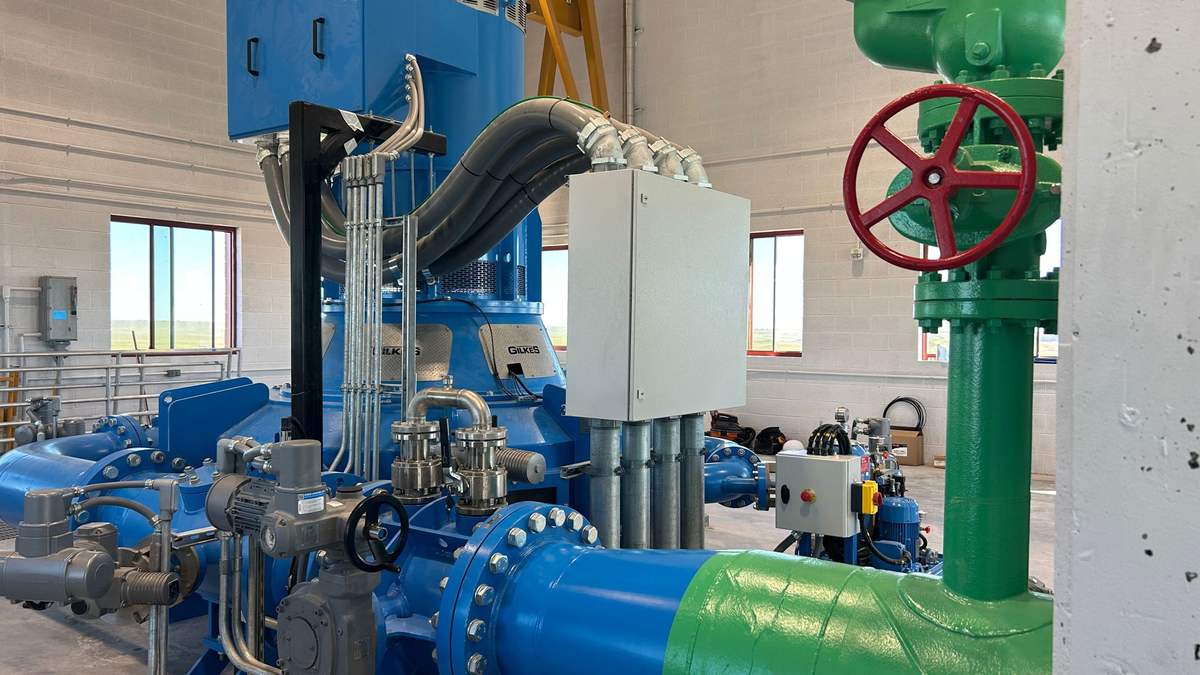
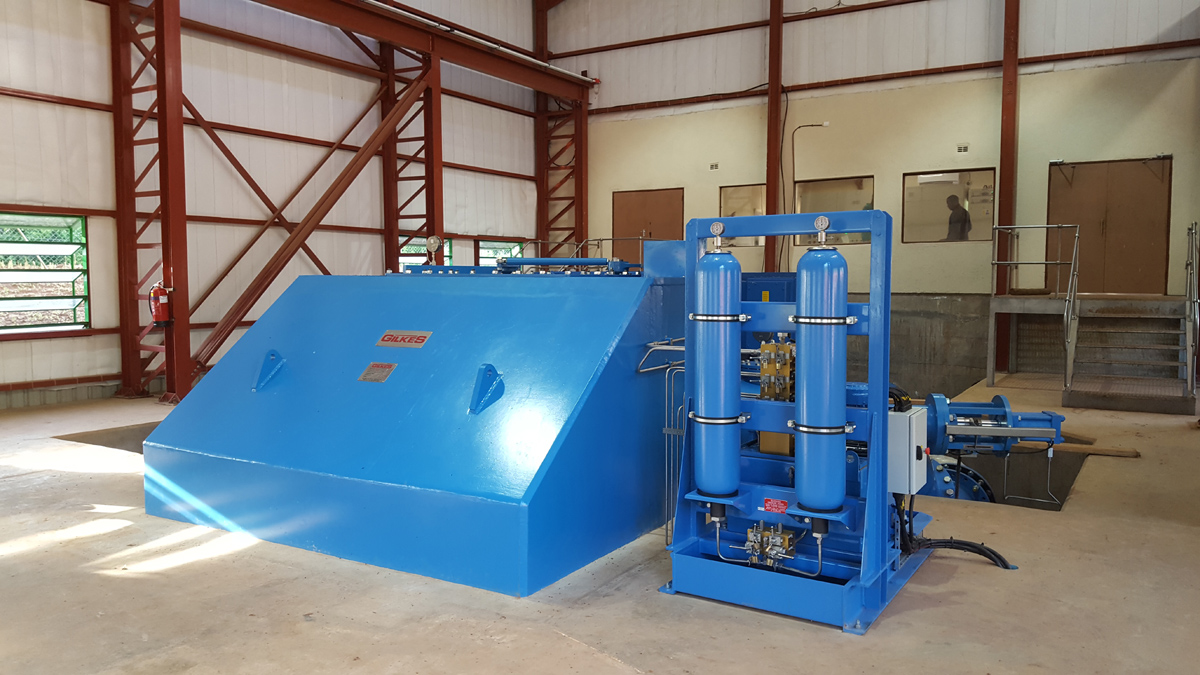
- Hydraulic Control Module
- Main Inlet Valve – DN400 PN25 Butterfly Valve
- Electrical Package
- Installation & Commissioning
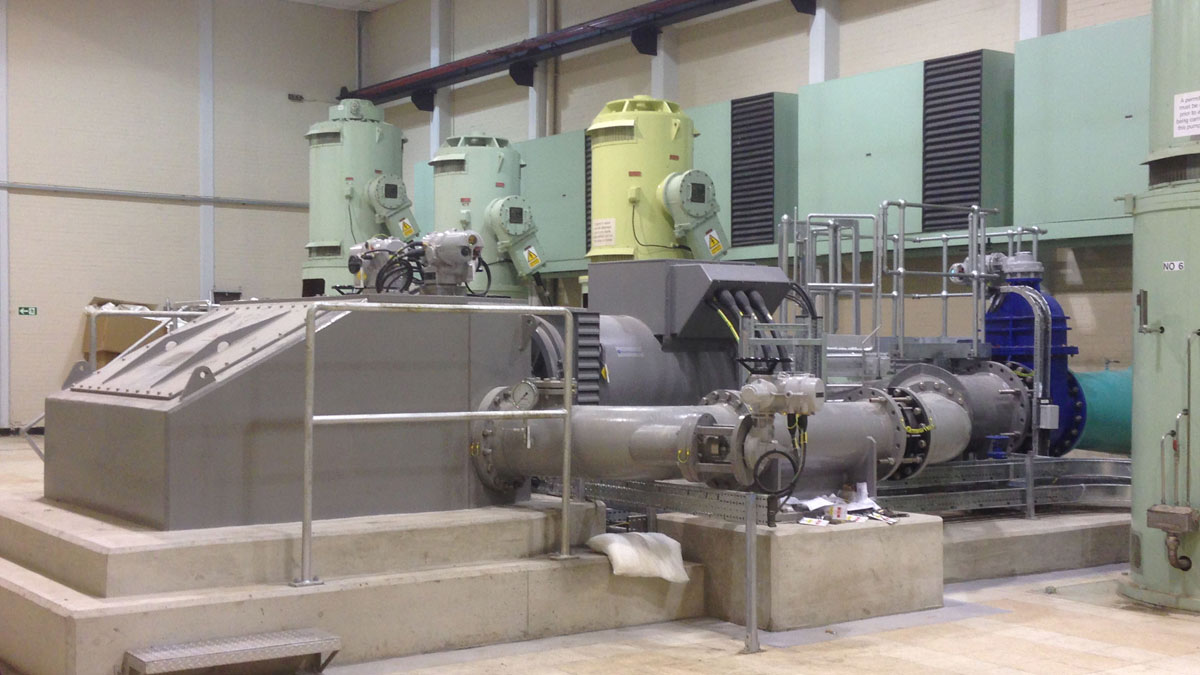
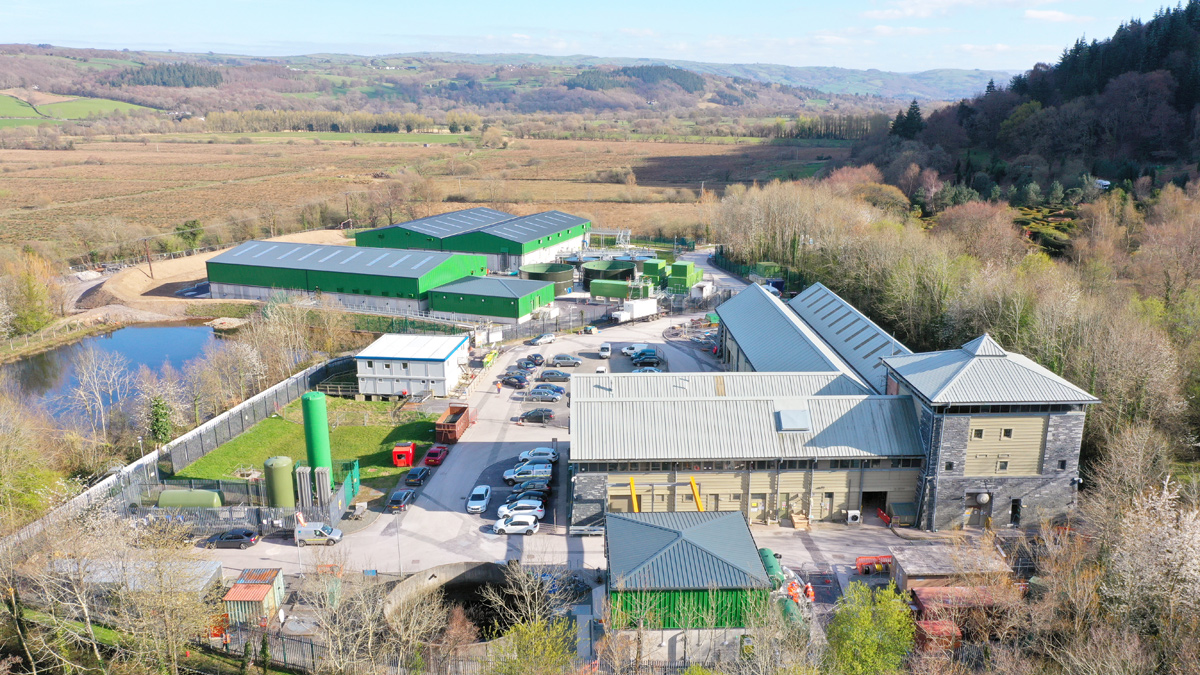
Ground breaking on the Sherard Hydroelectric Facility started in 2021, with a purpose-built powerhouse at the Sherard Water Treatment Plant, west of the City of Cheyenne in Wyoming, USA. The Turbine is powered by raw water pressure that flows from Cheyenne’s water supply coming into the plant. The energy is primarily used to power the treatment plant, which typically consumes 200 to 400 kilowatts, any remaining power will be sold back to the grid.
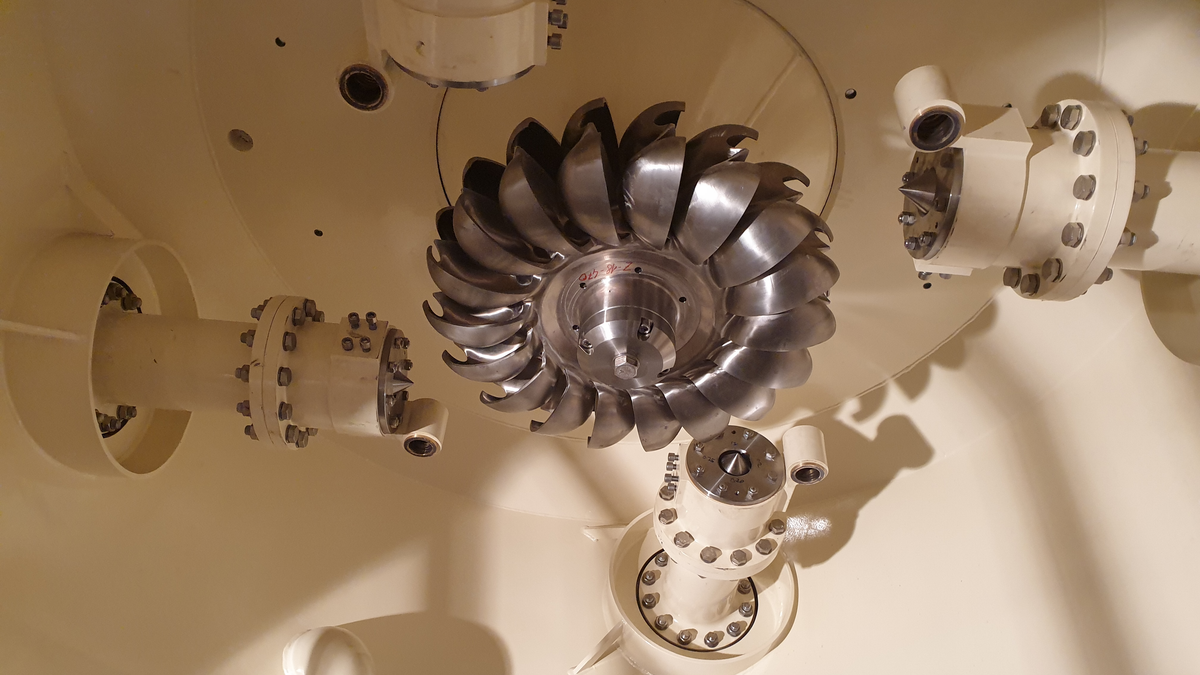
Gilkes designed and built the 867kW Vertical Four Jet Pelton turbine for the project. During the turbine selection process Gilkes engineers originally offered two alternative machines, a horizontal twin jet machine and the vertical shaft four jet unit which the customer selected. The selected machine was a slightly lower cost option with higher annual energy production.
The customer had specified that an impulse turbine should be used even though the head was less than 500 ft (152m) because of the ability of impulse turbines to minimise surge effects when the flow is altered. A Francis turbine would produce less energy because of the range of flows and would cause dangerous pressures if the unit tripped.
The plant is a typical energy recovery scheme. Untreated drinking water from the City of Cheyenne reservoirs is collected and passed at flows of up to 25 cfs (0.7 m³/s) through 15 miles of pipeline to the Sherard Water Treatment Plant where it is treated and distributed around the city. Between 1975 when the WTP was first built and the commissioning of the turbine in 2023, the city had used pressure reducing valves (PRVs) to remove the excess water pressure. This was effectively wasting over 800 kW of power and over 4 GWh of energy every year.
For More Information, contact us at http://www.gilkes.com


Field Service Engineer (Fort William)
Apply NowAs part of a busy service team and reporting to the Field Service Supervisor, you will play a key role in providing front line customer support.
The Service Engineer plays a key role in maintaining customer assets to the highest levels The role has the following key elements:
- Troubleshooting – ability to quickly & effectively analyse and solve problems under pressure
- Emergency response – provide after-hours support (call-out) when required
- Safety – follow all on-site rules and regulations
Responsibilities Include:
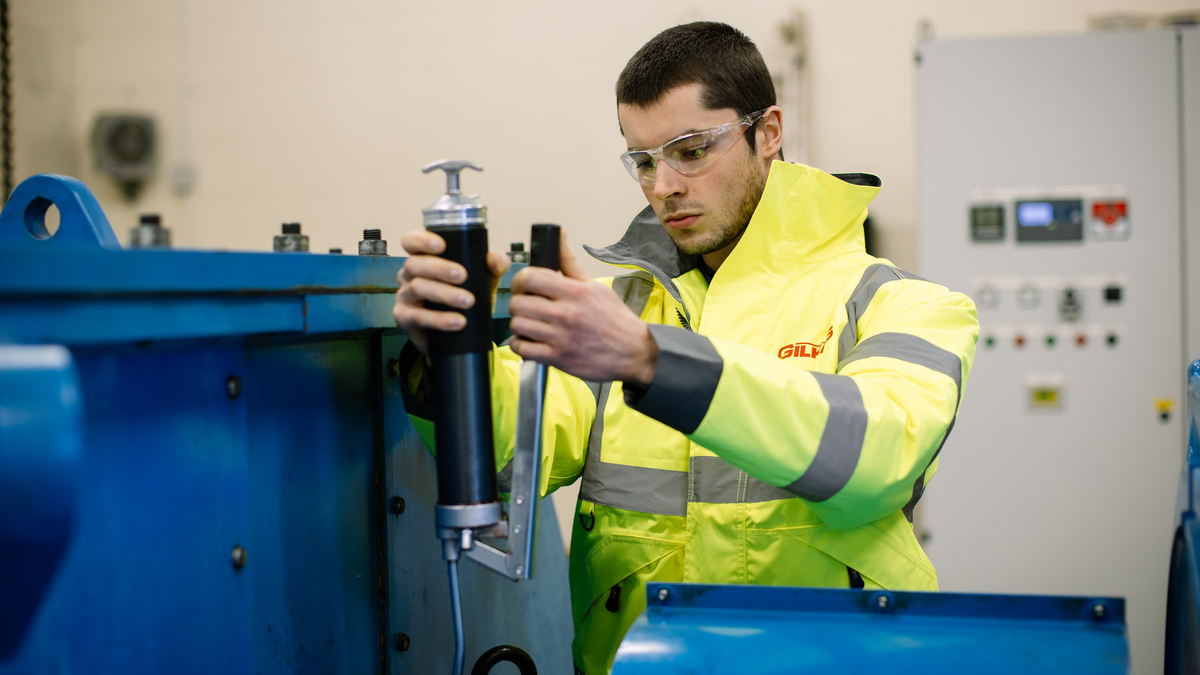
- Performing troubleshooting, repair, maintenance and routine inspection of hydro-electric turbines and ancillary equipment
- Providing emergency response, after-hours support when required
- Liaising with other internal departments to ensure excellent levels of customer service
- Generate service and technical reports and be capable of working within a ‘permit to work’ environment is required
- Familiar with the following principals: Mechanical, Electrical, Hydraulic & Control Systems
For full details and to apply, please visit our careers page on the link provided.